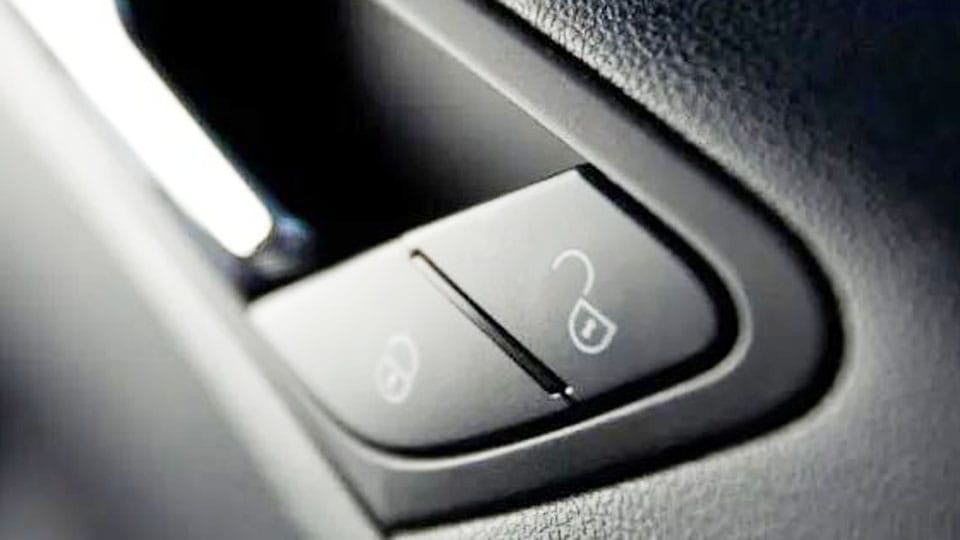
For a sparkling car interior, use a gentle all-purpose cleaner and a microfiber cloth for most plastic surfaces. For tougher grime or matte finishes, specialized interior detailers or mild soap and water are your best bet. Always test in an inconspicuous area first.
When your car’s interior plastics start to look dull, hazy, or just plain dirty, it can really bring down the whole driving experience. It’s easy to feel overwhelmed by all the different products out there, but don’t worry! Taking care of your car’s interior doesn’t need to be complicated or expensive. I’m here to guide you through exactly what you need to get those dashboards, door panels, and consoles looking like new again. We’ll cover the essential tools and the best approaches, so you can feel confident tackling this common car care task.
Why Clean Your Car Interior Plastic?
Keeping your car’s interior plastics clean is about more than just looks. Over time, dust, dirt, and grime can build up, dulling the finish and potentially even causing damage. UV rays from the sun can also break down plastics, leading to cracking and fading. Regular cleaning helps to:
- Maintain the aesthetic appeal of your car.
- Protect the plastic from sun damage and wear.
- Create a healthier and more pleasant environment inside your vehicle.
- Prevent permanent stains or discoloration.
Your Essential Car Interior Plastic Cleaning Kit
You don’t need a garage full of specialized gear to get a good clean. A few key items will cover most situations. Think of this as your starter pack for a spotless interior.
1. All-Purpose Interior Cleaner
This is your go-to champion for general cleaning. Look for a product specifically designed for automotive interiors, as house cleaners can sometimes be too harsh and leave a greasy residue or damage the finish.
- What it does: Lifts dirt, dust, and light grime from most plastic surfaces.
- Why it’s great for beginners: Easy to use, widely available, and effective for everyday messes.
- Look for: pH-neutral, water-based formulas. Avoid anything that promises extreme gloss unless that’s your specific goal.
2. Microfiber Towels
These soft, lint-free cloths are a must-have for car care. They’re incredibly absorbent and won’t scratch delicate surfaces like plastic or paint.
- What they do: Gently remove dirt and cleaner without leaving streaks or scratches.
- Why they’re essential: Superior to paper towels or old t-shirts, which can leave lint or even cause micro-scratches.
- Tip: Have at least two – one for applying cleaner and one for drying/buffing.
3. Interior Detailer Spray
Often comes in a spray bottle, these products are excellent for a quick refresh and adding a bit of UV protection. They typically offer a natural or satin finish.
- What it does: Cleans light dust and fingerprints while leaving a protective, non-greasy finish.
- Why it’s useful: Perfect for in-between cleanings or for maintaining a fresh look.
- Consider: Some are designed for specific finishes (e.g., matte vs. gloss). Read the label!
4. Soft Bristle Brushes
A detailing brush set with various sizes and soft bristles is invaluable for getting into tight spots.
- What they do: Agitate dirt trapped in textured plastics, seams, and vents, making it easier to wipe away.
- Why they’re helpful: They don’t scratch and can reach areas your cloth can’t.
- Examples: Small brushes for air vents, slightly larger ones for seams and crevices.
5. Water and Mild Soap (for tougher spots)
Sometimes, a simple solution is all you need. A bucket of clean water with a few drops of gentle dish soap can tackle more stubborn grime when your all-purpose cleaner isn’t quite enough.
- What it does: Lifts sticky residues or heavily ingrained dirt.
- Why it’s effective: A classic cleaning method that works for many surfaces.
- Caution: Use sparingly and ensure you rinse with a damp cloth afterward to remove all soap residue.
6. Interior Protectant (Optional, but Recommended)
After cleaning, a protectant adds a barrier against UV rays and can restore a bit of the plastic’s original look, preventing future fading and cracking.
- What it does: Shields plastics from sun damage and can provide a subtle sheen or matte finish.
- Why it’s beneficial: Helps maintain the longevity and appearance of your interior.
- Types: Available in sprays and wipes, with finishes ranging from matte to satin to gloss. Choose based on your preference.
How to Clean Car Interior Plastic: Step-by-Step
Let’s get your interior looking sharp! Follow these simple steps for a fantastic result.
Step 1: Gather Your Supplies
Before you start, have everything you need within reach. This includes your chosen cleaner, microfiber towels, brushes, and optionally, a protectant.
Step 2: Clear Out Debris
Remove any trash, mats, or personal items from your car. This gives you a clear workspace. Use a vacuum to pick up loose dirt and dust from the floor and seats.
Step 3: Test Your Cleaner
This is a crucial step! Always spray a small amount of your cleaner onto an inconspicuous area of the plastic first. Wait a minute or two to see if there’s any discoloration or adverse reaction. Most automotive cleaners are safe, but it’s better to be safe than sorry.
Step 4: Apply the Cleaner
For most interior plastics, you’ll want to spray your cleaner onto a microfiber towel, not directly onto the surface. This prevents overspray onto electronics or windows and gives you more control. If you’re dealing with heavily soiled areas, you might spray a light mist directly onto the plastic.
Step 5: Gently Wipe and Agitate
Wipe the plastic surface with your dampened microfiber towel. For textured areas or stubborn spots, use your soft-bristle brush to gently agitate the cleaner. Work in sections, moving from the top of the dashboard down.
Step 6: Rinse (If Necessary) and Dry
If you used a water and soap solution, or if your cleaner requires it, use a separate, clean microfiber towel dampened with plain water to wipe away any residue. Then, use a dry microfiber towel to buff the surface and remove any remaining moisture. This prevents water spots and streaks.
Step 7: Clean Vents and Crevices
Use your soft brushes (sometimes lightly dampened with cleaner) to clean out dust from air vents, around buttons, and in tight seams. Follow up with a dry brush or a corner of your microfiber towel to pick up loosened dust.
Step 8: Apply Protectant (Optional)
If you’re using an interior protectant, spray it onto a clean microfiber applicator pad or directly onto the surface (check product instructions). Gently spread it in an even layer. Buff off any excess with a separate, clean microfiber towel to achieve your desired finish.

Choosing the Right Cleaner for Different Plastics
Not all interior plastics are the same. Understanding the differences can help you choose the best product and technique.
Glossy Plastic Surfaces
These are often found on infotainment screens, glossy trim pieces, and around shifters.
- Challenge: Fingerprints and smudges are very visible. Can scratch easily if not careful.
- Best Tools: Microfiber towels, an interior detailer spray or a dedicated screen cleaner for displays.
- Technique: Spray cleaner onto the towel, wipe gently. For screens, use a product specifically made for them as they have special coatings. Avoid abrasive materials.
Matte or Textured Plastic
This is common on dashboards, door panels, and lower trim pieces.
- Challenge: Dust and grime can get trapped in the texture. Harsh cleaners can leave a greasy shine or dull the finish permanently.
- Best Tools: All-purpose interior cleaner, soft-bristle brushes, microfiber towels.
- Technique: Use the brush to agitate cleaner into the texture, then wipe away with the microfiber towel. Always use a cleaner designed for a matte or satin finish if possible to avoid unwanted shine.
Soft-Touch Plastics
Some higher-end vehicles use soft-touch coatings on certain dash or door panel areas.
- Challenge: These can be sensitive and may degrade or become sticky with the wrong chemicals.
- Best Tools: Very mild pH-neutral cleaner, or a dedicated soft-touch interior cleaner. Microfiber towel only.
- Technique: Gentle wiping is key. Avoid scrubbing or harsh chemicals. Often, a slightly damp microfiber cloth is enough. If using a cleaner, ensure it’s specifically recommended for soft-touch materials.
What NOT to Use on Your Car Interior Plastic
Avoiding the wrong products is just as important as using the right ones. Here are some things to steer clear of:
- Household Glass Cleaners (like Windex): Many contain ammonia, which can cloud, discolor, or dry out plastic and vinyl over time.
- Harsh Solvents or Degreasers: Products like acetone or strong all-purpose degreasers not specifically made for interiors can melt, discolor, or permanently damage plastic.
- Abrasive Scrubbers or Steel Wool: These will scratch the surface, leaving permanent marks.
- Armor All Original or Similar High-Gloss Products (on matte surfaces): While they add shine, they can leave a greasy, unnatural, and often inconsistent finish on matte plastics, and can attract dust. Use with caution and only if a high gloss is desired.
- Excessive Water: While water is fine, soaking the interior can lead to mold and mildew issues, especially in electronics or seams.
Protecting Your Interior Plastics Long-Term
Once you’ve got them clean, how do you keep them looking good?
Regular Dusting: A quick wipe with a dry microfiber cloth or a specialized interior dust mitt can prevent dust build-up.
Avoid Direct Sunlight: Park in shaded areas when possible. If that’s not an option, consider a sunshade for your windshield. UV protection from products helps, but nothing beats avoiding the intense rays. A comprehensive guide to preventing UV damage can be found on resources like the Environmental Protection Agency (EPA) discussing the impact of UV radiation.
Use a Quality Protectant: Applying a UV protectant regularly (every few months) will shield your plastics from the sun’s harmful rays.
Clean Spills Immediately: Don’t let drinks or food stains sit on your plastic surfaces. Wipe them up as soon as they happen.
* Gentle Cleaning Habits: Always opt for the mildest cleaning solution that will get the job done.
DIY vs. Professional Interior Cleaning
For most car owners, DIY cleaning is highly effective and cost-efficient. You have complete control over the products and methods used. However, professional detailing services offer a deeper clean with specialized tools and chemicals that might be beyond what a beginner would typically invest in.
When to Consider Professional Detailing
- If your car has extensive staining or damage you’re not comfortable tackling.
- When you want a truly show-car level of clean.
- If you lack the time or inclination to do it yourself.
Frequently Asked Questions (FAQ)
Q1: How often should I clean my car’s interior plastic?
For best results, give your interior plastics a quick dust or wipe-down weekly. A more thorough cleaning with a cleaner can be done monthly, or as needed depending on how dirty it gets.
Q2: Can I use baby wipes to clean my car’s interior plastic?
Generally, no. While they might seem gentle, baby wipes often contain fragrances, lotions, or chemicals that aren’t designed for automotive plastics and could leave a residue or damage the finish over time.
Q3: My dashboard has a sticky residue from an old air freshener. What should I use?
Try a dedicated interior cleaner first. If that doesn’t work, a mild solution of isopropyl alcohol (rubbing alcohol) diluted with water (50/50 mix) can often break down sticky residue. Always test in an inconspicuous spot first!
Q4: Should I use a product that makes my interior shiny?
It’s a matter of personal preference. Many people prefer a natural or satin finish, as high gloss can cause glare on the windshield. If you do opt for a shiny product, ensure it’s specifically an interior dressing and apply it evenly.
Q5: Can I use vinegar to clean my car’s interior plastic?
Diluted white vinegar can be used in a pinch for some plastics due to its mild acidity, but it’s not ideal. It can dry out some plastics over time. Always test in a small area and follow up with a dedicated protectant if you use it. Automotive interior cleaners are formulated with plastics in mind.
Q6: What about cleaning the plastic around my infotainment screen?
For touchscreens, use a cleaner specifically designed for electronic screens or a very lightly dampened microfiber cloth with distilled water. Never spray directly onto the screen. For the surrounding plastic bezels, use a gentle interior cleaner sprayed onto a microfiber cloth.
Conclusion
Maintaining a clean and fresh car interior is a rewarding task that doesn’t require a lot of effort or money. By understanding what to use to clean car interior plastic and having an essential, simple kit at hand, you can easily keep your dashboard, door panels, and all plastic surfaces looking great. Remember to be gentle, always test products, and use the right tools for the job. With this guidance, you’re well-equipped to tackle interior cleaning and keep your car a pleasant place to be. Happy detailing!

Hi, I’m Melvin, an automobile engineer with extensive experience in automobile equipment. I currently work for a local automobile firm, where I specialize in the car parts industry. I’ve had the opportunity to collaborate with seasoned inspectors, gaining invaluable hands-on experience that goes beyond just theory.
My passion for automotive care started at a young age, which led me to create CarSpareCare. Through CarSpareCare, I share the knowledge and skills I’ve acquired over the years to help others navigate the world of car maintenance and repairs.
My goal is to provide practical tutorials, essential safety advice, and the latest industry insights so that anyone—whether a beginner or an expert—can confidently tackle their automotive projects.