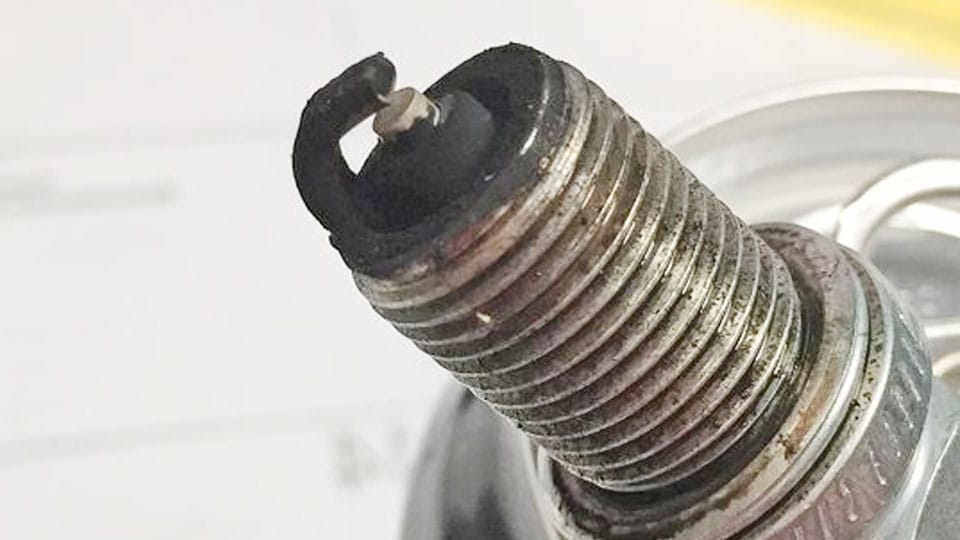
You’re under the hood of your car, checking things out, and you pull out a spark plug only to find it dripping with gasoline. Yikes! If you’re wondering, “Why are my spark plugs wet with gas?” you’re not alone. I’ve been there, scratching my head with a greasy rag in hand, trying to figure out what’s going on.
I’ve dug into engines, talked to mechanics, and fixed this issue more times than I can count. I’m thrilled to share what I’ve learned with you. Wet spark plugs are a sign something’s off, but don’t worry—we’ll get to the bottom of it. Let’s dive into the reasons, fixes, and how to keep your engine running smooth.

Photo by championautoparts
What Does It Mean When Spark Plugs Are Wet with Gas?
Spark plugs are supposed to create a spark to ignite the air-fuel mixture in your engine’s cylinders. If they’re wet with gas, it means unburned fuel is reaching the plugs. This stops the spark from happening, causing misfires, rough idling, or even a car that won’t start.
I’ve pulled out gas-soaked plugs before, and it’s like finding a soggy match—it just won’t light. The fuel could be from a rich mixture (too much gas, not enough air), a failure to ignite, or fuel leaking into the cylinder. Knowing why this happens helps us fix it. Let’s explore the main causes.
Rich Air-Fuel Mixture
One of the most common reasons for wet spark plugs is a rich air-fuel mixture. This means your engine is getting too much fuel compared to air. The excess fuel doesn’t burn completely, leaving the spark plugs soaked.
I ran into this with my old pickup. The engine was sputtering, and the plugs were drenched. A rich mixture can happen because of:
- Clogged Air Filter: A dirty filter restricts airflow, upsetting the fuel-air balance.
- Faulty Fuel Injectors: Injectors that leak or spray too much fuel flood the cylinders.
- Bad Oxygen Sensors: These sensors tell the engine how much fuel to use. If they fail, the engine runs rich.
- Malfunctioning Mass Airflow Sensor: This sensor measures incoming air. A faulty one can trick the engine into adding too much fuel.
Fixing this might mean replacing the air filter, cleaning or replacing injectors, or swapping out sensors. I started with a new air filter on my truck, and it helped a lot.
Faulty Spark Plugs or Ignition System
The spark plugs themselves are the problem. If they’re worn out, fouled, or the wrong type, they might not create a strong enough spark to ignite the fuel. This leaves gas pooling on the plugs. The ignition system—spark plug wires, coils, or distributor—can also fail, weakening or stopping the spark.
I’ve seen this on a friend’s car. The plugs were black and wet, and the wires were cracked. Common issues include:
- Worn Spark Plugs: Eroded electrodes can’t spark properly.
- Damaged Wires: Cracked or loose wires leak voltage, reducing spark strength.
- Failing Ignition Coils: Weak coils don’t send enough power to the plugs.
- Distributor Problems: A worn distributor cap or rotor can disrupt spark delivery.
Replacing the plugs and wires fixed my friend’s car. Always use the right plugs for your vehicle and check the ignition system if you suspect trouble.
Engine Flooding
Engine flooding happens when too much fuel gets into the cylinders, overwhelming the spark plugs. This is common in older carbureted engines but can happen in fuel-injected ones too. Flooding often occurs if you crank the engine repeatedly without it starting, pumping more fuel into the cylinders.
I flooded my classic Mustang once by pumping the gas pedal too much while trying to start it. The plugs were soaked, and the car wouldn’t fire. Causes include:
- Over-Priming: Pressing the gas pedal too much in a carbureted car.
- Leaky Injectors: Fuel injectors that drip fuel into the cylinders when the engine’s off.
- Cold Weather: Cold engines need a richer mixture, which can lead to flooding if not managed.
To fix flooding, I let the car sit for 30 minutes, then cranked it with the gas pedal fully pressed to clear the excess fuel. For persistent issues, check injectors or carburetor settings.
Low Compression in Cylinders
Low compression means the cylinders aren’t building enough pressure to burn the fuel properly. This can leave fuel unburned, wetting the spark plugs. Compression issues are serious and often point to deeper engine problems.
I helped a neighbor diagnose this when his car’s plugs were wet and it ran rough. We found low compression in one cylinder. Causes include:
- Worn Piston Rings: These seal the cylinder. If they’re worn, compression drops.
- Leaky Valves: Damaged or poorly seated valves let air and fuel escape.
- Blown Head Gasket: This allows fuel or coolant to leak into the cylinders.
A compression test confirmed the issue in my neighbor’s car. Fixing low compression often means major repairs, like replacing rings or a head gasket. If you suspect this, a mechanic’s help is key.
Coolant Contamination
Sometimes, wet spark plugs aren’t just soaked with gas—they might have coolant mixed in. This happens if coolant leaks into the cylinders, often from a blown head gasket or cracked cylinder head. The plugs might look wet with a milky or greenish tint, and you’ll smell gas or coolant.
I saw this on a friend’s SUV. The plugs were wet, and the coolant reservoir was low. Signs include:
- White Exhaust Smoke: Coolant burning in the cylinders creates white smoke.
- Low Coolant Levels: Check the reservoir for unexplained loss.
- Milky Oil: Coolant mixing with oil looks like chocolate syrup on the dipstick.
This is a serious issue. I sent my friend to a mechanic, who replaced the head gasket. If you see coolant signs, get it checked fast to avoid engine damage.
Faulty Fuel Pressure Regulator
The fuel pressure regulator controls how much fuel goes to the engine. If it fails, it can send too much fuel, flooding the cylinders and wetting the plugs. A bad regulator might stick open, letting fuel pressure build up.
I ran into this on my brother’s car. The plugs were wet, and the engine smelled like gas. Other signs include:
- Strong Gas Smell: Excess fuel leaks or burns incompletely.
- Black Exhaust Smoke: Too much fuel creates sooty smoke.
- Poor Fuel Economy: You’re burning more gas than usual.
Testing the fuel pressure with a gauge confirmed the regulator was bad. Replacing it solved the problem. If you suspect this, a mechanic can test the system for you.
Common Causes of Wet Spark Plugs
To make things clear, here’s a table summarizing why spark plugs get wet with gas and how to spot it:
| Cause | How It Happens | Signs to Look For |
|---|---|---|
| Rich Air-Fuel Mixture | Too much fuel, not enough air | Black, wet plugs, poor gas mileage |
| Faulty Spark Plugs/Ignition | Weak or no spark from worn plugs or wires | Misfires, rough idle, wet plugs |
| Engine Flooding | Excess fuel overwhelms cylinders | Hard starting, gas smell, wet plugs |
| Low Compression | Poor cylinder pressure prevents combustion | Weak power, wet plugs, rough running |
| Coolant Contamination | Coolant leaks into cylinders | Milky plugs, white smoke, low coolant |
| Faulty Fuel Pressure Regulator | Too much fuel floods engine | Gas smell, black smoke, wet plugs |
This chart is my cheat sheet for diagnosing wet plugs. It helps narrow down the issue fast.
How to Diagnose Wet Spark Plugs
Finding out why your plugs are wet takes some detective work. I’ve done this enough to have a solid plan. Here’s how I’d tackle it:
- Remove the Plugs: Use a spark plug socket to pull each plug. Note which ones are wet and how they look (black, milky, or just gas-soaked).
- Smell and Inspect: Sniff the plugs. Gas smells sharp; coolant smells sweet. Look for carbon, oil, or coolant residue.
- Check for Misfires: Start the engine (if it runs) and listen for shaking or stumbling. A scan tool can show misfire codes.
- Inspect the Ignition: Check spark plug wires, coils, and distributor for damage or wear.
- Test Compression: Use a compression tester to check cylinder pressure. Low readings point to rings, valves, or gaskets.
- Look for Leaks: Check coolant levels, oil condition, and exhaust smoke for signs of coolant contamination.
- Test Fuel System: A mechanic can check fuel pressure, injectors, or sensors with specialized tools.
I diagnosed wet plugs on my sedan this way and found a bad oxygen sensor. A systematic approach saves time and guesswork.
Fixing Wet Spark Plugs
Once you know the cause, fixing wet spark plugs is straightforward. Here’s how I’d handle each issue:
- Clean or Replace Plugs: If plugs are new but wet, dry them with a cloth and reinstall. If they’re fouled or worn, replace them ($5-$15 each).
- Fix Rich Mixture: Replace the air filter ($10-$30), clean or replace injectors ($50-$200), or swap sensors ($50-$150).
- Repair Ignition: Replace wires ($50-$150) or coils ($50-$200) if they’re faulty. Check the distributor if your car has one.
- Clear Flooding: Let the engine sit, then crank with the gas pedal down to clear fuel. Fix leaky injectors or adjust the carburetor.
- Address Compression: Low compression needs professional repair—new rings, valves, or gaskets ($500-$2,000).
- Fix Coolant Leaks: Replace a head gasket or repair a cracked head ($1,000-$3,000). A mechanic is best for this.
- Replace Fuel Regulator: A new regulator costs $50-$150, plus labor if you don’t DIY.
I fixed wet plugs on my truck by replacing the plugs and a bad injector. It ran like new afterward. Some fixes are cheap; others, like compression issues, are pricier.
Preventing Wet Spark Plugs
Nobody wants to deal with wet plugs, so let’s talk prevention. Here’s what I do to keep my engine dry:
- Regular Maintenance: Replace spark plugs every 30,000-100,000 miles and wires every 60,000-100,000 miles.
- Check Filters: Swap the air filter every 12,000-15,000 miles to ensure good airflow.
- Monitor Sensors: Replace oxygen sensors every 60,000-90,000 miles or if performance drops.
- Fix Leaks: Repair oil or coolant leaks to prevent contamination.
- Avoid Over-Cranking: If the car won’t start, don’t keep cranking—it floods the engine.
- Use Quality Parts: Stick with OEM or trusted brands for plugs, wires, and injectors.
These habits have kept my cars running smoothly. I always check my plugs during oil changes—it’s a quick way to catch issues early.
Why This Matters for Your Car and Safety
Wet spark plugs aren’t just a nuisance—they can hurt your car and safety. Misfires reduce power, making it harder to accelerate or pass safely. Unburned fuel can damage the catalytic converter, costing $1,000 or more to replace. A car that won’t start or stalls in traffic is dangerous. I’ve had an engine die on a busy road, and it’s not a place you want to be.
Fixing wet plugs keeps your car reliable and efficient. It also saves you from big repair bills and keeps you safe on the road. There’s something empowering about solving an engine problem and feeling your car roar back to life.
Conclusion
So, why are your spark plugs wet with gas? It could be a rich mixture, faulty ignition, flooding, low compression, coolant leaks, or a bad fuel regulator. Now you know how to diagnose the problem, fix it, and prevent it from happening again. From checking your plugs to maintaining your fuel system, these steps will keep your engine firing strong and your drives worry-free. I’ve seen the difference a dry, happy spark plug makes—my cars have gone from sputtering to purring, and it’s a feeling I love.
FAQs
Why do my spark plugs smell like gas?
They’re likely wet with unburned fuel from a rich mixture, faulty ignition, or flooding. Check the plugs, wires, and fuel system.
Can I drive with wet spark plugs?
It’s not safe. Wet plugs cause misfires, reduce power, and can damage your engine. Fix the issue before driving.
How do I dry wet spark plugs?
Remove them, wipe with a clean cloth, and let them air dry. If they’re fouled or worn, replace them with new ones.
Will wet spark plugs ruin my engine?
They won’t destroy it immediately, but misfires can harm the catalytic converter or other parts if left unfixed.
How much does it cost to fix wet spark plugs?
Simple fixes like new plugs or an air filter cost $20-$50. Major repairs, like a head gasket, can run $1,000-$3,000.

Hi, I’m Melvin, an automobile engineer with extensive experience in automobile equipment. I currently work for a local automobile firm, where I specialize in the car parts industry. I’ve had the opportunity to collaborate with seasoned inspectors, gaining invaluable hands-on experience that goes beyond just theory.
My passion for automotive care started at a young age, which led me to create CarSpareCare. Through CarSpareCare, I share the knowledge and skills I’ve acquired over the years to help others navigate the world of car maintenance and repairs.
My goal is to provide practical tutorials, essential safety advice, and the latest industry insights so that anyone—whether a beginner or an expert—can confidently tackle their automotive projects.