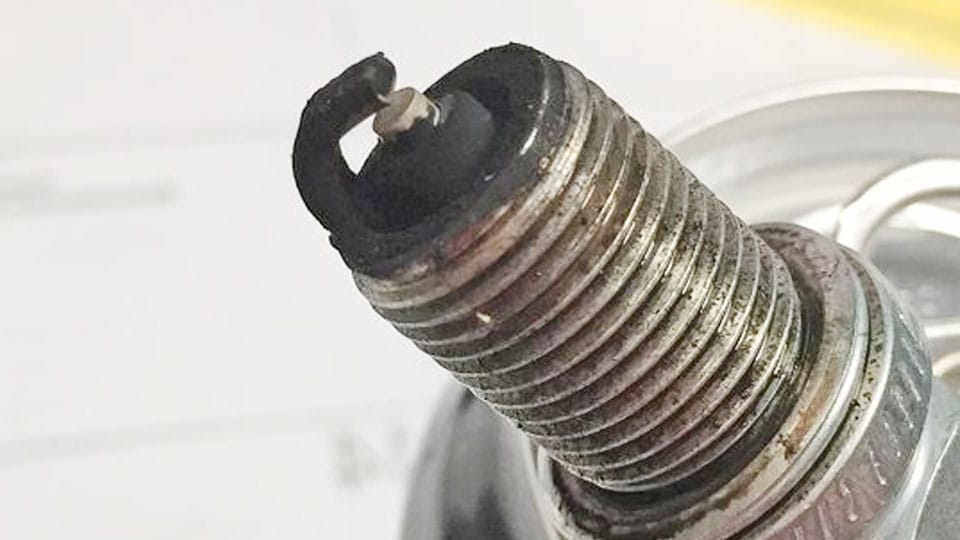
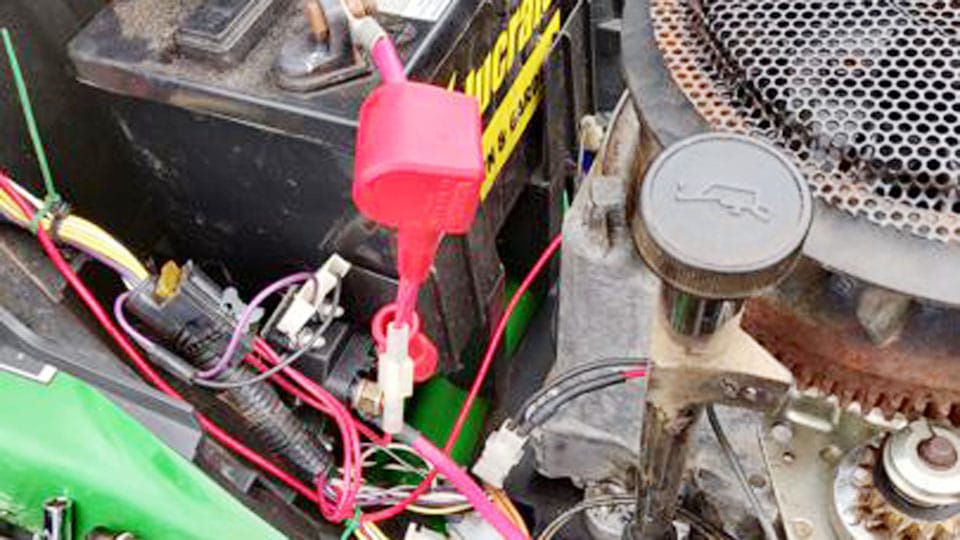
If you’ve ever popped the hood of a Dodge, Chrysler, or Jeep with a 5.7 Hemi engine and noticed it has 16 spark plugs, you probably did a double-take. I know I did the first time I saw it! Most engines have one spark plug per cylinder, so why does this V8 beast need twice as many? As someone who’s spent years wrenching on cars, talking to mechanics, and geeking out over engine designs, I’m excited to dive into this with you.

Phoot by ifixit
The 5.7 Hemi’s 16 spark plugs are no gimmick—they’re a clever piece of engineering. Let’s break down why this engine has so many, how it works, and what it means for performance.
What Is the 5.7 Hemi Engine?
The Hemi name comes from its hemispherical combustion chambers, a design that’s been around since the 1950s but got a modern makeover by Chrysler in 2003. This 5.7-liter V8 powers vehicles like the Dodge Ram, Charger, Challenger, Jeep Grand Cherokee, and Chrysler 300. It’s known for its balance of power, efficiency, and that deep, throaty rumble we all love.
The 5.7 Hemi has eight cylinders, so you’d expect eight spark plugs—one per cylinder. But nope, it has 16—two per cylinder. I remember scratching my head when I first worked on one, wondering why Chrysler went all-in on spark plugs. The answer lies in the engine’s unique design and performance goals. Let’s explore why.
Why Two Spark Plugs Per Cylinder?
The 5.7 Hemi uses a dual spark plug system, meaning each of its eight cylinders has two spark plugs. This isn’t just for show—it’s about making the engine burn fuel more efficiently. Here’s the deal: when you ignite the air-fuel mixture in a cylinder, the spark plug creates a flame that spreads across the combustion chamber. In a big chamber like the Hemi’s, a single spark plug can take too long to burn all the fuel, leaving some unburned or partially burned.
Two spark plugs create two flame fronts, speeding up the burn. This leads to a more complete combustion, which means more power, better fuel economy, and cleaner emissions. I’ve seen this in action working on a buddy’s Dodge Ram—the engine felt punchy yet surprisingly efficient for a V8. The dual spark plug setup is a big reason why the 5.7 Hemi can crank out 370-395 horsepower while still meeting strict emissions standards.
Hemispherical Combustion Chambers
The Hemi’s name comes from its hemispherical (half-sphere) combustion chambers. This design is key to why 16 spark plugs make sense. Unlike flat or wedge-shaped chambers in other engines, the Hemi’s rounded chamber allows better airflow and a more even burn. It’s also larger, which can make combustion trickier with just one spark plug.
With one plug, the flame has to travel farther, which can lead to incomplete burns or “knocking” (when fuel ignites unevenly). Two spark plugs, placed on opposite sides of the chamber, ignite the mixture from both ends, ensuring a faster, smoother burn.
I’ve always thought of it like lighting a campfire—starting two small fires on either side spreads the flames faster than one in the middle. This design maximizes the Hemi’s power and efficiency, making those extra plugs worth it.
How the Dual Spark Plug System Works
So, how do those 16 spark plugs actually work together? It’s pretty cool. The 5.7 Hemi has two separate ignition coils per cylinder, each controlling one spark plug. The engine’s computer (ECU) decides when to fire the plugs based on driving conditions. Most of the time, both plugs fire at the same time to create that quick, even burn we talked about.
Here’s the neat part: under certain conditions, like light cruising or low-load driving, the ECU might fire the plugs slightly out of sync or even use just one. This fine-tunes combustion for better fuel economy or reduced emissions. I was amazed when I learned this—it’s like the engine’s brain is constantly tweaking things to get the best performance. This smart system is why the Hemi can be both a muscle car beast and a daily driver.
Benefits of 16 Spark Plugs in the 5.7 Hemi
Now that we know why the Hemi has 16 spark plugs, let’s talk about what they do for the engine. I’ve seen these benefits firsthand working on Hemi-powered vehicles, and they’re impressive:
More Power: The faster, more complete burn squeezes every bit of energy out of the fuel. This gives the 5.7 Hemi its strong horsepower and torque, perfect for towing or spirited driving.
Better Fuel Economy: A more efficient burn means less wasted fuel. For a big V8, the Hemi gets decent mileage, especially with tech like Multi-Displacement System (MDS), which shuts off four cylinders during light driving.
Cleaner Emissions: Burning fuel more completely reduces harmful exhaust gases. This helps the Hemi meet tough EPA standards without sacrificing performance.
Smoother Operation: Dual plugs reduce knocking and misfires, making the engine run smoother. I’ve driven Hemis that feel like they’re gliding, even at high speeds.
Improved Cold Starts: Two plugs help ignite the mixture better in cold weather, so the engine starts easier. Living in a chilly part of the USA, I’ve appreciated this on frosty mornings.
These perks make the 16 spark plugs a smart choice, not just a quirky feature. They’re a big reason why the Hemi is so popular with truck owners, muscle car fans, and everyday drivers.
Challenges of the Dual Spark Plug System
Of course, nothing’s perfect, and 16 spark plugs come with some downsides. I’ve worked on enough Hemis to know the challenges:
Higher Maintenance Costs: Twice as many spark plugs means twice the cost when it’s time to replace them. A full set of 16 plugs (usually iridium or platinum) can run $100-$200, plus labor if you go to a shop.
More Complex Repairs: Troubleshooting ignition issues is trickier with two plugs per cylinder. If one plug or coil fails, it can cause misfires that are hard to pinpoint without the right tools.
Increased Wear on Components: The dual ignition system puts more demand on coils and wires, which can wear out faster. I’ve replaced coils on a Hemi that failed sooner than expected.
Time-Consuming Maintenance: Changing 16 spark plugs takes longer than eight. Even for a DIYer like me, it’s a solid afternoon’s work.
Despite these challenges, the benefits outweigh the drawbacks for most Hemi owners. Just budget for maintenance and keep an eye on your ignition system.
Comparing Single vs Dual Spark Plug Systems
To make things clearer, here’s a table comparing the 5.7 Hemi’s dual spark plug system to a traditional single spark plug setup:
| Feature | Single Spark Plug (1 per Cylinder) | Dual Spark Plug (2 per Cylinder) |
|---|---|---|
| Combustion Speed | Slower, less complete burn | Faster, more complete burn |
| Power Output | Moderate | Higher horsepower and torque |
| Fuel Efficiency | Average | Better due to efficient burn |
| Emissions | Higher emissions | Lower due to complete combustion |
| Maintenance Cost | Lower (fewer plugs) | Higher (16 plugs, more coils) |
| Repair Complexity | Simpler | More complex with dual coils |
| Cold Start Performance | Standard | Improved with two ignition points |
This table shows why Chrysler chose the dual plug system for the Hemi. It’s all about squeezing out more performance while keeping things efficient and clean.
Maintaining the 5.7 Hemi’s Spark Plugs
If you own a 5.7 Hemi, keeping those 16 spark plugs in top shape is crucial. I’ve learned a few tricks to make maintenance easier:
- Replace on Schedule: Most Hemi spark plugs (iridium or platinum) last 60,000-100,000 miles. Check your owner’s manual and stick to the schedule. I replace mine around 80,000 miles to stay safe.
- Use Quality Plugs: Stick with OEM or high-quality aftermarket plugs like NGK or Champion. Cheap plugs can cause misfires or wear out faster.
- Check Coils and Wires: Inspect ignition coils and wires for cracks or corrosion when changing plugs. A bad coil can ruin a new plug.
- Torque Properly: Use a torque wrench to tighten plugs to the right spec (usually 13-15 ft-lbs for the Hemi). Overtightening can damage threads.
- Clean the Area: Before removing plugs, blow out debris around them with compressed air. This keeps dirt from falling into the cylinders.
- DIY or Pro?: If you’re handy, changing plugs is doable with basic tools. If not, a shop can do it for $200-$400, depending on labor rates.
I changed the plugs on my friend’s Ram 1500 last year, and it was a bit of a workout—16 plugs take time! But the engine ran like new afterward, so it was worth it.
Common Issues with Hemi Spark Plugs
Even with 16 spark plugs, the 5.7 Hemi isn’t immune to problems. Here’s what I’ve seen go wrong:
- Misfires: A bad plug or coil can cause rough idling or hesitation. A scan tool can help pinpoint the faulty cylinder.
- Carbon Buildup: Over time, plugs can get fouled with carbon, especially if you do a lot of short trips. This reduces performance.
- Stripped Threads: If plugs are overtightened or removed carelessly, the cylinder head threads can strip, leading to costly repairs.
- Coil Failures: The dual coil system is reliable but can fail, causing misfires or poor fuel economy.
If you notice shaking, loss of power, or a check engine light, get your plugs and coils checked. I’ve caught issues early by scanning my Hemi with a cheap OBD2 reader—saved me a big repair bill once.
Why Chrysler Chose 16 Spark Plugs
You might be wondering, “Why didn’t Chrysler just use bigger spark plugs or a different design?” Good question! The dual spark plug system was a deliberate choice to balance performance, efficiency, and emissions. Back in the early 2000s, when the modern Hemi was developed, carmakers faced tough new emissions rules. At the same time, buyers wanted powerful V8s for trucks and muscle cars.
The Hemi’s hemispherical chambers and dual plugs were Chrysler’s answer. They allowed the engine to produce big power (up to 395 hp in some models) while burning fuel cleanly enough to pass EPA tests. I think it’s a brilliant move—few engines match the Hemi’s mix of grunt and efficiency. Plus, that V8 roar is just icing on the cake.
Upgrading or Modifying the Hemi’s Ignition System
If you’re a gearhead like me, you might be thinking about tweaking your Hemi’s ignition system. While the stock 16-plug setup is solid, some owners upgrade for more performance. Here’s what I’ve seen:
- High-Performance Plugs: Upgrading to premium iridium plugs can improve spark and burn, boosting power slightly.
- Aftermarket Coils: High-output coils can deliver a stronger spark, especially for tuned engines or supercharged Hemis.
- Cold Air Intakes: While not ignition-related, a cold air intake can improve airflow, making the dual plugs even more effective.
- Tuning: A custom tune can adjust spark timing to maximize power, but it requires careful calibration to avoid knocking.
I’ve helped a friend install aftermarket coils on his Charger, and the engine felt a bit snappier. But be warned—mods can void warranties or cause issues if not done right. Stick with reputable brands and consult a pro tuner.
Why This Matters for Hemi Owners
If you drive a Ram for work, a Challenger for fun, or a Grand Cherokee for family trips, understanding the 5.7 Hemi’s 16 spark plugs helps you keep your ride in top shape. Those extra plugs give you power and efficiency, but they also mean more maintenance. Knowing how they work and what to watch for can save you from costly repairs and keep your engine roaring.
I love working on Hemis because they’re a blend of old-school muscle and modern tech. Those 16 spark plugs are a perfect example—simple yet smart. They’re part of what makes the Hemi special, if you’re towing a trailer or cruising the highway.
Conclusion
So, why does the 5.7 Hemi have 16 spark plugs? It’s all about getting the most out of that hemispherical V8—more power, better efficiency, and cleaner emissions. The dual spark plug system, paired with smart engineering, makes the Hemi a standout in trucks, SUVs, and muscle cars.
It means more plugs to change and a bit more maintenance, but the performance is worth it. I’ve seen Hemis haul heavy loads, smoke tires, and still sip fuel better than most V8s, and those 16 plugs are a big reason why.
FAQs
Why does the 5.7 Hemi need 16 spark plugs instead of 8?
The Hemi uses two spark plugs per cylinder to burn fuel faster and more completely. This boosts power, improves efficiency, and cuts emissions.
Do all Hemi engines have 16 spark plugs?
No, only the 5.7-liter Hemi (and some 6.4L versions) use 16 plugs. Smaller Hemis, like the 3.6L V6, typically have one plug per cylinder.
How often should I replace the spark plugs in a 5.7 Hemi?
Replace them every 60,000-100,000 miles, depending on the plug type (iridium or platinum). Check your owner’s manual for the exact schedule.
Is it expensive to maintain a 5.7 Hemi with 16 spark plugs?
It’s pricier than an 8-plug engine. Expect $100-$200 for plugs and $200-$400 with labor for a full replacement, but the performance is worth it.
Can I upgrade my Hemi’s spark plugs for better performance?
Yes, premium iridium plugs or high-output coils can boost spark and power. Stick with quality brands and consult a tuner for best results.

Hi, I’m Melvin, an automobile engineer with extensive experience in automobile equipment. I currently work for a local automobile firm, where I specialize in the car parts industry. I’ve had the opportunity to collaborate with seasoned inspectors, gaining invaluable hands-on experience that goes beyond just theory.
My passion for automotive care started at a young age, which led me to create CarSpareCare. Through CarSpareCare, I share the knowledge and skills I’ve acquired over the years to help others navigate the world of car maintenance and repairs.
My goal is to provide practical tutorials, essential safety advice, and the latest industry insights so that anyone—whether a beginner or an expert—can confidently tackle their automotive projects.