
Have you ever been driving and suddenly noticed your car shaking when you hit the brakes? I remember the first time it happened to me—I was on a smooth road, going at a normal speed, and as I gently pressed the brake pedal, the whole steering wheel began to vibrate. It was a bit alarming at first. I immediately thought, “Is something seriously wrong with my brakes?”
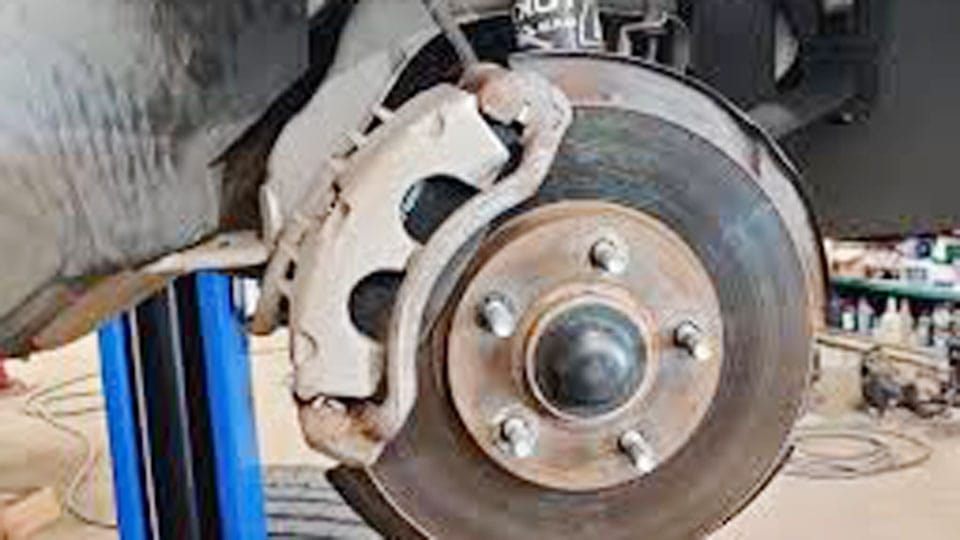
Photo by ocalaautorepair
If you’ve found yourself wondering the same thing, you’re not alone. Many drivers across the U.S. face this issue, and while it can feel unsettling, there’s usually a clear reason behind it.
I’ll walk you through everything I’ve learned from personal experience and professional advice on why a car shakes when braking, what to check, and how to fix it safely. Let’s get into the details and help you drive smoother and safer.
Common Causes of Car Shaking When Braking
There are several potential causes behind this problem. Some are simple and quick to fix, while others may require a bit more effort. Here’s a detailed breakdown.
Warped Brake Rotors
One of the most common reasons a car shakes during braking is warped brake rotors. Over time, the rotors can get uneven due to excessive heat and pressure. When this happens, the brake pads don’t grip the surface evenly, causing the steering wheel or the car itself to shake.
You’ll usually feel this more when braking at high speeds. I’ve personally dealt with this issue after driving through mountain roads and heavy stop-and-go traffic. The repeated braking just overheated the rotors.
Signs of Warped Rotors:
| Symptom | Description |
|---|---|
| Vibrations while braking | Especially noticeable when slowing down quickly |
| Pulsating brake pedal | Feels like a push-back on your foot |
| Squeaking or grinding sound | Often heard if wear is advanced |
Uneven Brake Pad Wear
Brake pads wear down over time. But if they wear unevenly, they can cause the car to jerk or vibrate when braking. This may happen if your brake calipers are sticking, or if the pads were not installed properly.
I always recommend checking your brake pads at every oil change. It’s a quick inspection that can prevent a bigger headache down the road.
Sticking Brake Caliper
A sticking or seized brake caliper doesn’t allow the brake pad to release properly from the rotor. This creates constant contact, leading to excessive heat and vibration. This issue can cause the shaking to intensify the longer you drive.
When I experienced this, I also noticed a burning smell near the wheel and a drop in fuel efficiency. It’s one of those problems that starts small but can get serious fast if ignored.
Suspension and Steering Problems
Not every case of shaking while braking comes from the brakes. Sometimes, the suspension or steering components like tie rods, ball joints, or control arms can be worn out.
These components help stabilize your car, and when they’re loose or damaged, braking forces can create a shaking effect.
You might also feel the car drifting slightly when braking—another clue that it’s time to check the suspension.
Tire Issues
If your tires are worn unevenly or out of balance, they can cause vibration. While you may feel this mostly when driving at high speeds, braking can exaggerate the problem.
Make sure your tires are rotated regularly, inflated correctly, and balanced. It makes a huge difference.
Brake Drum Problems (For Rear Drum Brakes)
If your car still uses drum brakes in the rear, they can also cause shaking if they become out-of-round or if the shoes are wearing unevenly. This isn’t as common in newer models, but it’s still something to be aware of if you drive an older vehicle.
Dirty or Rusty Brake Components
Rust buildup on rotors or pads, especially if the car’s been sitting for a while, can cause temporary shaking. I’ve had this happen after my car sat through a long, rainy weekend without being moved. The surface rust created uneven braking until it wore off.
When Do You Feel the Shaking Most?
Understanding when the shaking occurs can help you narrow down the cause:
| Timing of Shaking | Likely Cause |
|---|---|
| While braking at high speed | Warped rotors, worn pads |
| When braking at low speed | Dirty rotors, sticking caliper |
| Constant, not just during braking | Tire balance, suspension issues |
| After rain or long periods of sitting | Rust on rotors |
Can You Drive With This Problem?
Yes, in some cases you can still drive, but it’s not recommended for long. If the shaking is minor and you’re sure it’s surface rust or brake dust, you may be okay. But if it gets worse, it could damage your rotors, tires, or other components.
Ignoring the issue may also increase your stopping distance, which is never a good thing. When your brakes aren’t performing at their best, your safety is at risk.
How to Fix Car Shaking When Braking
Let’s talk about solutions. Some of these you can do yourself, while others are better left to a trusted mechanic.
Inspect and Replace Brake Rotors
If your rotors are warped, you can either resurface them or replace them. I personally go for replacement when they’re heavily worn, as it ensures long-term performance.
Change Brake Pads
Replacing worn or uneven pads is one of the fastest ways to stop the shaking. Make sure to choose quality pads and always do both sides at the same time.
Clean the Brake System
Sometimes all your car needs is a good clean. Brake cleaner spray can help remove dust, rust, and debris that may be affecting performance.
Check for Stuck Calipers
If you suspect a caliper is stuck, a mechanic can clean, lubricate, or replace it. Don’t delay on this one—it can quickly lead to more damage.
Tire Balancing and Alignment
Have your tires balanced and aligned professionally. Even if the shaking feels brake-related, tire imbalance can exaggerate vibrations.
Suspension Repair
A full suspension check can reveal hidden issues like worn bushings, control arms, or ball joints. If something’s loose or bent, it’ll affect braking stability too.
Preventive Maintenance Tips
Here’s what I’ve learned over the years to prevent this issue:
- Always buy quality brake parts.
- Don’t ride your brakes downhill—use engine braking too.
- Rotate and balance your tires every 5,000 to 7,000 miles.
- Replace brake fluid every 2–3 years.
- Get your brakes inspected during every oil change.
Quick Reference Guide
| Problem | Symptoms | Solution |
|---|---|---|
| Warped Rotors | Vibration at high speed | Resurface or replace rotors |
| Worn Brake Pads | Uneven braking, squeaking | Replace pads |
| Sticking Caliper | Burning smell, uneven pad wear | Lubricate or replace caliper |
| Suspension Issues | Shaking + drifting | Inspect and repair suspension |
| Tire Problems | Constant vibration | Balance, rotate or replace tires |
| Rust or Debris | Mild shaking, especially after rain | Clean rotors and pads |
Final Thoughts
If you’ve been asking, “Why is my car shaking when I brake?”—now you’ve got the answers. It can be a simple fix like brake dust or something more serious like a warped rotor or stuck caliper. Either way, don’t ignore it.
From personal experience, I can tell you that addressing brake problems early not only keeps you safe but also saves you money in the long run. If something doesn’t feel right, trust your instincts and get it checked.
And remember, your brakes are your car’s most important safety feature. Keep them in top shape, and you’ll enjoy smoother, more confident drives every day.
Frequently Asked Questions
Why does my steering wheel shake only when I brake?
It’s most likely due to warped brake rotors. When the brake pads clamp down, the uneven surface causes the steering wheel to vibrate.
Is it safe to keep driving when the car shakes during braking?
It depends on the cause. Minor shaking from surface rust may go away, but persistent shaking from worn components should be addressed quickly.
Can bad tires cause shaking while braking?
Yes, unbalanced or uneven tires can contribute to shaking, especially when braking amplifies the vibrations.
How much does it cost to fix brake shaking?
The cost varies. Brake pad replacement might cost $100–$300. Rotor replacement could be $250–$600. Suspension issues can be more depending on the part.
Does brake fluid affect shaking when braking?
Old or contaminated brake fluid won’t directly cause shaking, but it can reduce brake performance. It’s best to keep it fresh for overall safety.

Hi, I’m Melvin, an automobile engineer with extensive experience in automobile equipment. I currently work for a local automobile firm, where I specialize in the car parts industry. I’ve had the opportunity to collaborate with seasoned inspectors, gaining invaluable hands-on experience that goes beyond just theory.
My passion for automotive care started at a young age, which led me to create CarSpareCare. Through CarSpareCare, I share the knowledge and skills I’ve acquired over the years to help others navigate the world of car maintenance and repairs.
My goal is to provide practical tutorials, essential safety advice, and the latest industry insights so that anyone—whether a beginner or an expert—can confidently tackle their automotive projects.

