If you live in a cold climate, you’ve probably heard of block heaters. They’re lifesavers in freezing temperatures, helping your engine start more easily on those bitter winter mornings. But here’s a common question many people ask: Does a block heater charge the battery?

Image by driving
The short answer? No, a block heater does not charge your battery. Its main job is to keep your engine warm, making it easier to start in cold weather. While it doesn’t directly charge the battery, it can indirectly help your battery by reducing the strain of a cold start.
Let’s break this down in detail, so you understand exactly how a block heater works, its effect on your car battery, and what you can do to keep your battery healthy in winter.
What Is a Block Heater and How Does It Work?
A block heater is a device designed to warm up your car’s engine when temperatures drop too low. It typically heats the engine coolant or oil, making it easier for the engine to turn over when you start the car.
Types of Block Heaters
| Type of Block Heater | How It Works | Installation |
|---|---|---|
| Engine Block Heater | Heats the coolant inside the engine block. | Installed in a coolant passage. |
| Oil Pan Heater | Warms the engine oil to improve lubrication. | Mounted on or inside the oil pan. |
| Coolant Heater | Warms the coolant before it circulates. | Installed in the radiator hose. |
| Battery Warmer | Warms the battery to prevent power loss. | Wraps around or sits under the battery. |
Each type serves a different purpose, but none of them are designed to charge the battery.
Why Doesn’t a Block Heater Charge the Battery?
A block heater is simply a heating element. It plugs into an electrical outlet and warms the engine, but it doesn’t connect to the battery or provide it with a charge.
Car batteries store and provide electrical power, but they only recharge when the alternator is running. Since a block heater does not run the engine, it doesn’t activate the alternator, meaning it can’t charge the battery.
How a Block Heater Helps Your Battery
While a block heater won’t charge your battery, it can indirectly benefit it by making it easier for your engine to start. Cold weather is tough on car batteries, and here’s why:
- Cold temperatures slow down the chemical reactions in the battery. This means the battery produces less power.
- Cold engines require more power to start. The oil thickens, making the engine harder to turn over.
- If the engine is too cold, the battery has to work harder. This increases the chances of the battery dying.
By warming the engine, a block heater reduces the amount of power needed to start the car. This puts less strain on the battery, helping it last longer.
Will a Block Heater Prevent My Battery from Dying?
It can help, but it’s not a guarantee. If your battery is weak or old, a block heater won’t fix the issue. Here’s what you can do to keep your battery in good shape during winter:
- Use a battery warmer. Unlike a block heater, a battery warmer directly keeps your battery warm, preventing power loss.
- Park in a garage. Even an unheated garage can provide some protection from extreme cold.
- Drive regularly. If your car sits too long, the battery will slowly lose charge. Try to drive at least once every few days.
- Check your battery. If your battery is more than three years old, get it tested before winter.
What Actually Charges a Car Battery?
Your battery charges while you drive, thanks to the alternator. Here’s how it works:
- When your engine is running, the alternator generates electricity.
- This electricity powers your car’s electrical systems and recharges the battery.
- If you drive long enough, the battery stays fully charged.
That’s why short trips in cold weather can drain your battery. If you’re only driving a few miles at a time, the alternator may not have enough time to recharge the battery fully.
What to Do If Your Battery Is Dead in Cold Weather
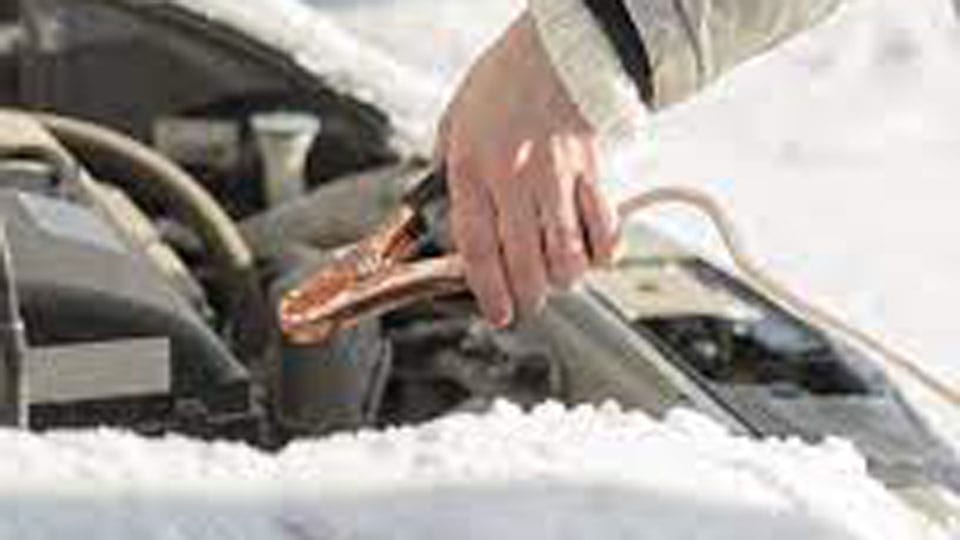
If your car won’t start, a block heater won’t help at that moment—you’ll need to charge or jump-start your battery. Here’s what to do:
Try Jump-Starting the Battery
- Get a working car and jumper cables.
- Connect the positive and negative cables correctly.
- Start the working car first, then try to start yours.
- Let your engine run for at least 15 minutes to recharge the battery.
Use a Battery Charger
- If your battery is weak but not completely dead, use a battery charger to recharge it overnight.
Check for Other Issues
- If your battery dies frequently, it might be too old or your alternator could be failing.
Should You Use a Battery Warmer Instead of a Block Heater?
If your main concern is battery performance in cold weather, a battery warmer is a better option than a block heater.
Block Heater vs Battery Warmer
| Feature | Block Heater | Battery Warmer |
|---|---|---|
| Warms the engine | ✅ | ❌ |
| Warms the battery | ❌ | ✅ |
| Helps with cold starts | ✅ | ✅ |
| Charges the battery | ❌ | ❌ |
Using both a block heater and a battery warmer is ideal if you live in extremely cold areas.
How to Tell If Your Battery Needs Replacing
If your car struggles to start even with a block heater, your battery may be too weak. Here are signs it needs replacing:
- Slow cranking when you turn the key.
- Dim headlights and weak electrical components.
- A bloated or swollen battery case.
- The battery is more than 3-5 years old.
Conclusion
So, does a block heater charge your battery? No, it doesn’t. Its job is to keep the engine warm, which helps your car start easier in cold weather. While it doesn’t directly affect the battery’s charge, it can reduce strain on the battery by making the engine easier to turn over.
If your concern is battery health in winter, consider using a battery warmer alongside a block heater. And if your battery is struggling, don’t ignore it—get it tested or replaced before you find yourself stuck in the cold.
Staying prepared in winter can save you from frustration and costly repairs. Keep your battery in good shape, use the right winter accessories, and you’ll be ready to hit the road no matter how cold it gets!
Frequently Asked Questions
Does plugging in my block heater charge my battery?
No, a block heater only warms the engine. It does not connect to or recharge the battery.
How can I keep my car battery from dying in winter?
Use a battery warmer, drive regularly, and check your battery’s health before winter.
How long should I leave my block heater plugged in?
3-4 hours before you plan to drive is enough. Leaving it plugged in all night isn’t necessary.
Can I use a battery charger instead of a block heater?
A battery charger will charge your battery but won’t help with cold starts. A block heater makes starting easier but doesn’t charge the battery.
Will my car start if I only use a block heater and not a battery warmer?
It depends on the temperature and the health of your battery. A block heater helps the engine start, but if your battery is too weak, you may still have trouble.

Hi, I’m Melvin, an automobile engineer with extensive experience in automobile equipment. I currently work for a local automobile firm, where I specialize in the car parts industry. I’ve had the opportunity to collaborate with seasoned inspectors, gaining invaluable hands-on experience that goes beyond just theory.
My passion for automotive care started at a young age, which led me to create CarSpareCare. Through CarSpareCare, I share the knowledge and skills I’ve acquired over the years to help others navigate the world of car maintenance and repairs.
My goal is to provide practical tutorials, essential safety advice, and the latest industry insights so that anyone—whether a beginner or an expert—can confidently tackle their automotive projects.