
There’s nothing more annoying than hitting the brakes and hearing that high-pitched squeal. It’s embarrassing, and let’s be honest—it makes you worry. Are the brakes failing? Is it just dirt? Do I need a mechanic?
I’ve been there before, and I know how frustrating it can be. The good news is that squeaky brakes don’t always mean danger. Sometimes, it’s a simple fix you can handle yourself. Other times, it’s a sign that something needs attention.
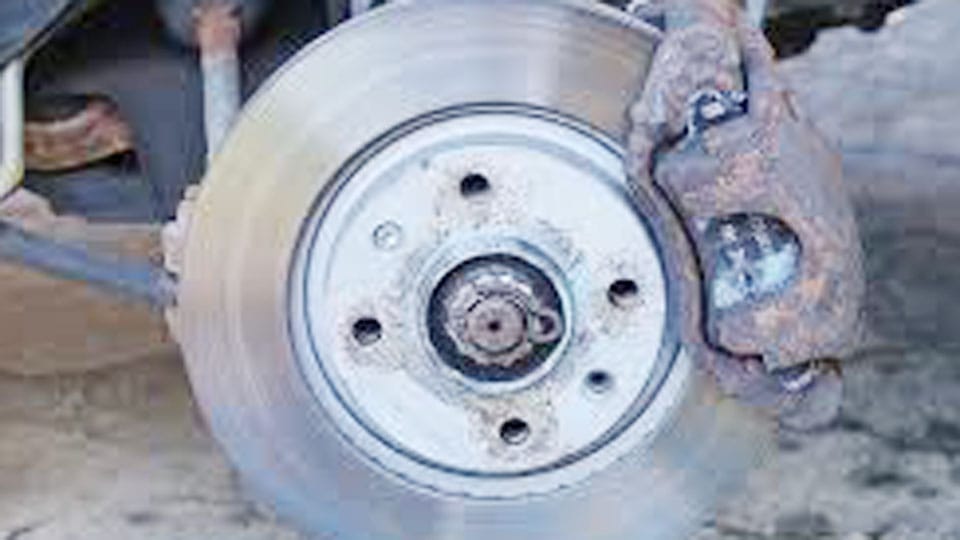
Image by signatureawbr
Let’s talk about why your brakes are making that noise and how you can stop them. I’ll walk you through the possible causes and the best solutions to get your brakes quiet and working smoothly again.
Why Are My Brakes Squeaking?
Brakes squeak for many reasons. Some are harmless, while others mean it’s time for a repair. Understanding the cause helps you figure out the best solution.
Here are some common reasons why your brakes might be squeaky:
- Moisture on the Brake Pads – Rain, snow, or even morning dew can cause temporary squeaking.
- Dust and Debris – Dirt or small rocks trapped in the brake system can lead to noise.
- Worn Brake Pads – If the pads are too thin, they’ll make a squealing sound as a warning.
- Cheap or Hard Brake Pads – Some aftermarket pads are noisy, especially if they’re made of low-quality materials.
- Glazed Brake Pads or Rotors – Overheated brakes can create a smooth, shiny surface that causes squeaking.
- Lack of Lubrication – Some brake components need a little grease to prevent friction-related noise.
- Loose or Worn Brake Hardware – Clips, shims, and calipers can wear out or come loose, leading to noise.
Now that you know the causes, let’s go over how to fix the problem.
How to Stop Squeaky Brakes on a Car
If your brakes are squeaking, here’s what you can do to fix them. These solutions range from quick fixes to more in-depth repairs.
Clean the Brake Components
Sometimes, brakes squeak because of dirt or debris. Cleaning them can solve the problem without replacing anything.
Here’s how you can clean your brakes:
- Remove the Wheel – Loosen the lug nuts, jack up the car, and remove the wheel to access the brakes.
- Inspect the Brakes – Look for any visible dirt, rust, or debris.
- Use Brake Cleaner – Spray brake cleaner on the rotors and pads to remove dust and grime.
- Wipe with a Clean Cloth – Let the cleaner dry, then wipe any remaining residue.
- Reinstall the Wheel – Tighten the lug nuts and lower the car back to the ground.
If the noise stops after cleaning, the issue was likely just dust buildup.
Replace Worn Brake Pads
If your brake pads are thin, they need to be replaced. Most pads have a wear indicator—a small metal tab that makes a squealing noise when the pads are too low.
To replace the pads:
- Lift the Car and Remove the Wheel – Use a jack and safely secure the vehicle.
- Remove the Brake Caliper – Unscrew the bolts holding the caliper and slide it off.
- Take Out the Old Pads – The pads should come out easily. If they’re stuck, gently pry them loose.
- Install New Brake Pads – Place the new pads into the caliper bracket.
- Reinstall the Caliper – Tighten the bolts and make sure everything is secure.
- Put the Wheel Back On – Lower the car and test the brakes.
New pads usually take a few miles to break in, so don’t worry if they make a little noise at first.
Apply Brake Lubricant
Some parts of the brake system need lubrication to prevent squeaking. However, never apply lubricant to the brake pads or rotors. Instead, use it on the back of the brake pads, caliper slide pins, and other moving parts.
Here’s how:
- Remove the Brake Pads – Follow the steps above to access the pads.
- Apply a Thin Layer of Brake Grease – Use a small amount on the back of the brake pads and the contact points of the caliper.
- Reassemble the Brakes – Put everything back together and test the brakes.
This should stop any friction-related squeaking.
Check for Glazed Brake Pads or Rotors
Overheated brakes can become “glazed,” meaning the surface becomes too smooth. This can cause a high-pitched noise when braking.
To fix this:
- Inspect the Brake Pads and Rotors – Look for a shiny, smooth surface.
- Lightly Sand the Surface – Use fine sandpaper (around 120 grit) to remove the glaze.
- Clean with Brake Cleaner – Wipe away any dust before reinstalling.
If the rotors are severely glazed or warped, they may need to be resurfaced or replaced.
Tighten or Replace Brake Hardware
Loose clips, shims, or calipers can cause vibrations that lead to squeaking. If cleaning and lubricating don’t work, check the hardware.
- Inspect the Brake Components – Look for anything loose or worn out.
- Tighten Any Loose Bolts – Secure everything properly.
- Replace Worn Shims or Clips – If the hardware looks damaged, swap it out for new parts.
Use High-Quality Brake Pads
Cheap brake pads often contain too much metal, making them noisy. If you’ve tried everything and the squeaking won’t stop, upgrading to ceramic or high-quality semi-metallic pads might be the solution.
Preventing Squeaky Brakes
Once you’ve fixed the problem, here are a few ways to keep your brakes quiet in the future:
- Use Quality Brake Pads – Invest in reputable brands with good reviews.
- Brake Gently – Avoid hard braking whenever possible to reduce wear.
- Clean Your Brakes Regularly – Prevent dust buildup with occasional cleaning.
- Lubricate Moving Parts – A little brake grease can go a long way.
- Have Your Brakes Checked Annually – Routine inspections help catch issues early.
When to See a Mechanic
If you’ve tried these solutions and your brakes still squeak, it may be time for professional help. See a mechanic if:
- The noise gets worse over time.
- Braking feels weak or spongy.
- The car pulls to one side when braking.
- There’s a grinding sound (this usually means the pads are completely worn).
Conclusion
Squeaky brakes can be annoying, but they’re usually fixable. In most cases, a good cleaning, lubrication, or new brake pads will do the trick. If you’re not sure what’s causing the noise, start with the simple fixes before replacing anything.
Taking care of your brakes keeps your car safe and running smoothly. So, if you hear that squeak, don’t ignore it—take action and enjoy a quiet, stress-free drive.
Frequently Asked Questions (FAQs)
Why do my brakes squeak when I first start driving?
Moisture on the brake pads from rain or humidity can cause a temporary squeak. It usually goes away after a few stops.
Can I drive with squeaky brakes?
If the brakes work fine, it’s not immediately dangerous. However, if the noise continues, get them checked to avoid potential problems.
How do I know if my brake pads need replacing?
If you hear constant squeaking, grinding, or the brakes feel weak, it’s time to replace them.
Will WD-40 stop brake squeaks?
No! Never use WD-40 on your brakes. It reduces friction, which can make braking dangerous.
Do new brake pads squeak?
Yes, new pads can squeak for the first few days while they break in. If the noise lasts longer, check for issues like glazing or improper installation.

Hi, I’m Melvin, an automobile engineer with extensive experience in automobile equipment. I currently work for a local automobile firm, where I specialize in the car parts industry. I’ve had the opportunity to collaborate with seasoned inspectors, gaining invaluable hands-on experience that goes beyond just theory.
My passion for automotive care started at a young age, which led me to create CarSpareCare. Through CarSpareCare, I share the knowledge and skills I’ve acquired over the years to help others navigate the world of car maintenance and repairs.
My goal is to provide practical tutorials, essential safety advice, and the latest industry insights so that anyone—whether a beginner or an expert—can confidently tackle their automotive projects.

