Clean a spark plug without a sandblaster only if deposits are dry and light, the ceramic porcelain is intact, and the gap is still within spec; if the plug is oil-soaked, cracked, or badly worn, replace it. Cleaning the wrong plug can hide a fuel, oil, or ignition fault and leave the misfire unchanged. This guide shows how to inspect, clean, and judge when replacement is the better fix.
What you’ll need
- Safety glasses and gloves
- Compressed air
- Spark plug cleaner spray
- Soft-bristle or soft wire brush
- Spark plug socket with a rubber insert or foam liner
- Spark plug gap tool
- Torque wrench
- Clean rags and a bright light
Can you clean spark plugs without removing them?
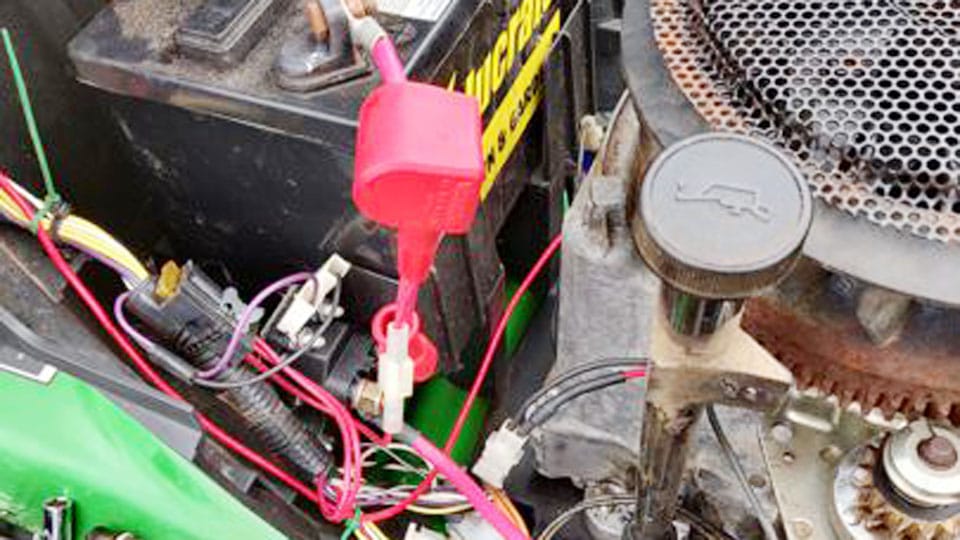
Yes, but only for light surface soot and only as a quick check. In-place cleaning can clear loose carbon around the plug well, but it cannot properly inspect the center electrode, ground electrode, or ceramic porcelain. On modern coil-on-plug engines and in deep plug wells, removal is often the safer way to judge condition.
What in-place cleaning can and cannot fix
Cleaning in place may remove dry dust, light carbon, or debris around the boot area. It will not fix oil entry, fuel wetness, cracked porcelain, eroded electrodes, or a gap that is already out of spec. If misfires keep returning, cleaning is only hiding the symptom.
Why sandblasting is for removed plugs, not installed plugs
Sandblasting is used on removed plugs because the abrasive media must stay out of the cylinder and off the ignition parts. It is not a practical method for installed plugs. For home work, use compressed air, cleaner spray, and a gentle brush after the plug is out.
Clean only plugs that show dry, light deposits and no visible damage. The aim is to remove carbon buildup without scratching the insulator or bending the electrodes. If the plug is oil-soaked, cracked, or heavily worn, skip the cleaning and replace it.
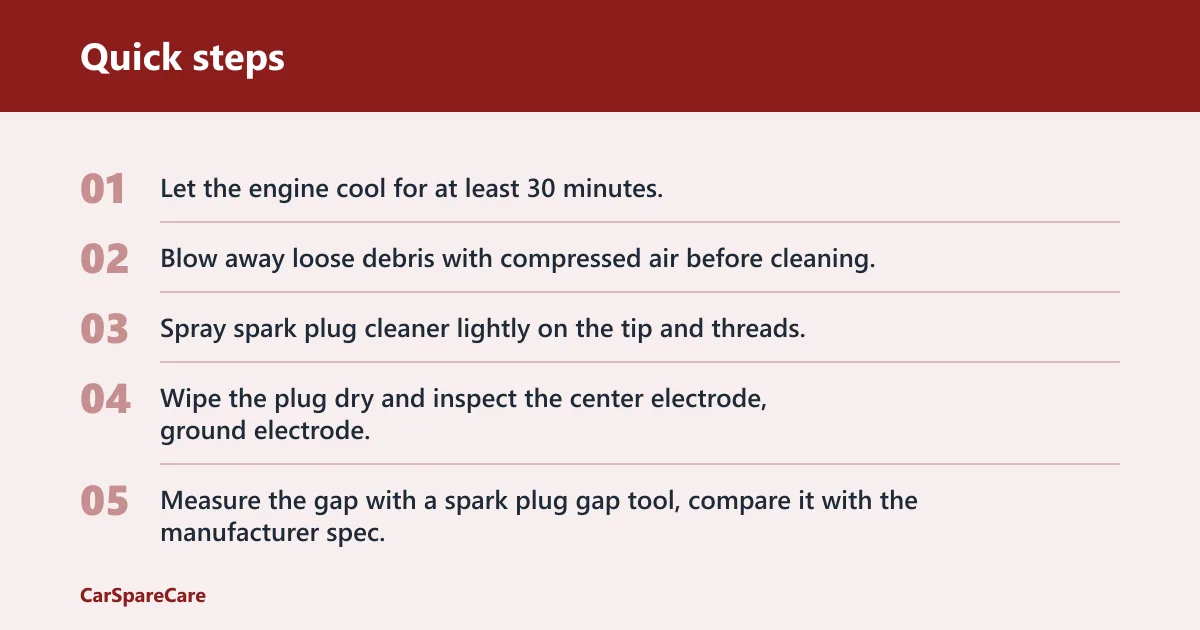
- Let the engine cool for at least 30 minutes, then disconnect power as needed and remove the plug with a spark plug socket.
- Blow away loose debris with compressed air before cleaning, keeping your safety glasses on and the engine off.
- Spray spark plug cleaner lightly on the tip and threads, then use a soft-bristle or soft wire brush on light carbon only.
- Wipe the plug dry and inspect the center electrode, ground electrode, and ceramic porcelain for cracks, chips, white deposits, or wear.
- Measure the gap with a spark plug gap tool, compare it with the manufacturer spec, and reinstall only if the plug still passes inspection.
- Tighten with a torque wrench to the specified torque, then reconnect the boot or coil pack fully.
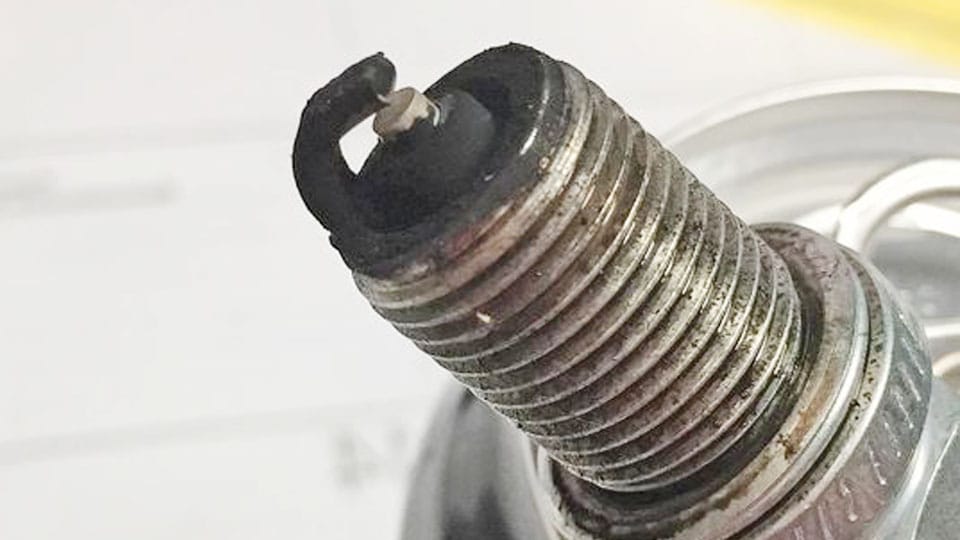
Say your plug has a dry black tip and a light brown shell. That is a cleanable plug if the electrodes are still square and the porcelain is uncracked. Now suppose the same plug has a wet, oily coating. In that case, brushing only delays the real repair.
Spark plug decision table
| Deposit type | Visible condition | Likely cause | Recommended action | No-go signs |
|---|---|---|---|---|
| Light carbon | Dry black soot on tip; light brown or gray elsewhere | Mild fouling from short trips or rich running | Clean gently with spray and a soft brush; recheck gap | Heavy buildup, wetness, or worn electrodes |
| Oily fouling | Shiny black, greasy film | Oil entering the combustion chamber | Replace the plug and diagnose the oil source | Oil keeps returning after cleaning |
| Fuel wetness | Wet tip or fuel smell | Flooding, injector issue, weak spark | Dry, inspect, and diagnose the engine fault | Plug stays wet after brief drying |
| Ash deposits | Light crusty white or tan crust | Additive residue or oil ash | Clean lightly if thin; replace if thick or hard | Hard glaze over the insulator or electrodes |
| Cracked porcelain | Chip, split, or hairline fracture in ceramic | Impact, heat, or over-tightening | Replace the plug | Any visible crack or missing ceramic |
| Eroded electrodes | Rounded center electrode or ground electrode | Normal wear over time | Replace the plug | Gap too wide or edges no longer square |
| Heavy rust or corrosion | Orange corrosion on shell or threads | Moisture in the plug well | Replace if corrosion is deep; clean only the shell lightly | Thread damage, seized shell, or pitting |
| Repeated misfire case | Plug looks dirty again soon after cleaning | Fuel, ignition, oil entry, or engine wear fault | Stop cleaning and diagnose the system | Misfire code returns after a short drive |
When should you stop cleaning and replace the plug?
Stop cleaning when the insulator is damaged, the electrodes are visibly eroded, or the plug keeps fouling again after a short drive. White deposits can point to overheating, and cracks on the ceramic insulator are a common sign of wear. Repeated misfires also mean the plug may be only part of the problem.
Wear, erosion, cracking, and overheating signs
Light brown or gray tip color is generally normal. Dark or black residue may signal a problem, but heavy black buildup is the line where cleaning usually stops being useful. If the center electrode or ground electrode is rounded off, or the ceramic shows chips or splits, replacement is the safer choice.
Heavy fouling that keeps coming back
If a cleaned plug fouls again quickly, the cause is often outside the plug itself. Common causes include excess fuel, oil entry, coolant contamination, or weak ignition. Cleaning the plug can hide the symptom for a short time and leave the fault active.
Misfire codes that point to another fault
When a misfire keeps returning on the same cylinder, look beyond the plug. Swap testing, coil checks, injector diagnosis, and compression testing are more useful than another round of brushing. A plug that keeps failing usually points to the engine, not the cleaner.
Common mistakes
Most bad results come from treating every dirty plug the same. Light soot is one thing. Oil, corrosion, and worn metal are another.
- Using a stiff brush or harsh abrasion that scratches the electrode or porcelain
- Cleaning over obvious oil, fuel wetness, or coolant contamination instead of diagnosing the source
- Reinstalling without checking gap or torque
- Spraying cleaner into a plug that is already cracked or heavily worn
- Assuming cleaning will fix a repeated misfire on its own
A common first-timer mistake is to scrub harder when the carbon does not lift right away. That can damage the electrode edge and widen the gap. A better move is to stop, inspect, and replace the plug if the deposit is hard or the wear is obvious.
Should you clean spark plugs or replace them?
Cleaning is reasonable for dry, light carbon on a plug that still looks structurally sound. Replacement is the better choice when the plug is wet, cracked, corroded, or worn. For iridium and platinum plugs, the fine electrodes are easier to damage, so the replacement threshold is lower.
When cleaning is reasonable
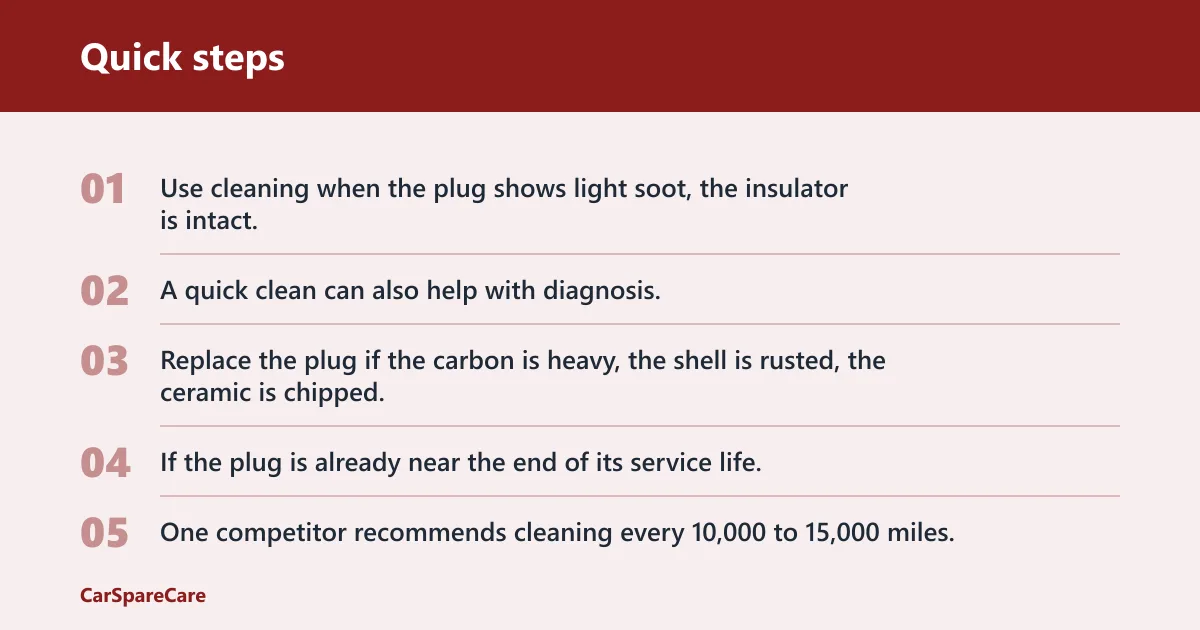
Use cleaning when the plug shows light soot, the insulator is intact, and the gap is still close to spec. A quick clean can also help with diagnosis, because the post-cleaning appearance may show whether the fault is recurring.
When replacement is the better choice
Replace the plug if the carbon is heavy, the shell is rusted, the ceramic is chipped, or the electrodes are eroded. If the plug is already near the end of its service life, cleaning is only postponing the job. One competitor recommends cleaning every 10,000 to 15,000 miles; another says 10,000 to 20,000 miles, but condition should decide the interval.
How to decide on modern iridium and platinum plugs
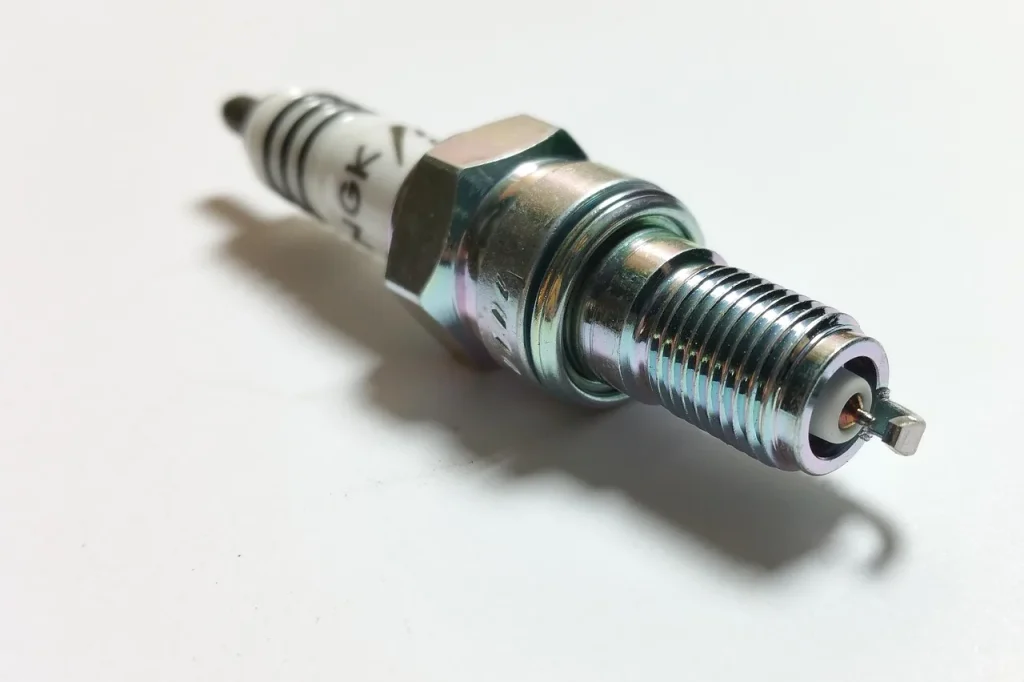
With iridium and platinum plugs, inspect first and clean only if the fouling is light. Their fine center electrodes do not tolerate aggressive brushing. If the tip is damaged or the gap has drifted, replacement is usually the correct answer.
How to clean a spark plug is not the same question as how to fix the engine. If the plug keeps blackening, the real job is finding the fuel, ignition, or oil fault that caused it.
Frequently asked questions
How do I clean a spark plug correctly at home?
Remove the plug with a spark plug socket, blow off loose debris with compressed air, apply a light spray cleaner, and brush only the dry carbon with a soft-bristle or soft wire brush. Finish by checking the gap with a spark plug gap tool and reinstalling to the correct torque.
What can I use instead of a sandblaster to clean spark plugs?
Use compressed air, spark plug cleaner spray, and a soft brush for light deposits. These tools work on dry carbon and surface soot. They do not restore plugs with cracked porcelain, heavy rust, or eroded electrodes.
How do I remove stubborn carbon from spark plugs?
Use a light spray cleaner, let it soak briefly, and brush gently. If the carbon stays hard after a second pass, stop. Heavy carbon buildup often means the plug should be replaced, not forced clean.
When is a spark plug too damaged to clean?
A plug is too damaged to clean when the ceramic porcelain has cracks or chips, the electrodes are eroded, or the tip is wet with oil or fuel. White deposits can point to overheating, which also raises the replacement threshold.
Will cleaning spark plugs fix misfires?
Only if the plug was the problem and the fouling was light. Dirty spark plugs can cause engine misfires, poor acceleration, rough idling, and reduced fuel economy, but repeated misfires usually point to a deeper ignition, fuel, or engine issue that cleaning will not solve.

Hi, I’m Melvin, an automobile engineer with extensive experience in automobile equipment. I currently work for a local automobile firm, where I specialize in the car parts industry. I’ve had the opportunity to collaborate with seasoned inspectors, gaining invaluable hands-on experience that goes beyond just theory.
My passion for automotive care started at a young age, which led me to create CarSpareCare. Through CarSpareCare, I share the knowledge and skills I’ve acquired over the years to help others navigate the world of car maintenance and repairs.
My goal is to provide practical tutorials, essential safety advice, and the latest industry insights so that anyone—whether a beginner or an expert—can confidently tackle their automotive projects.