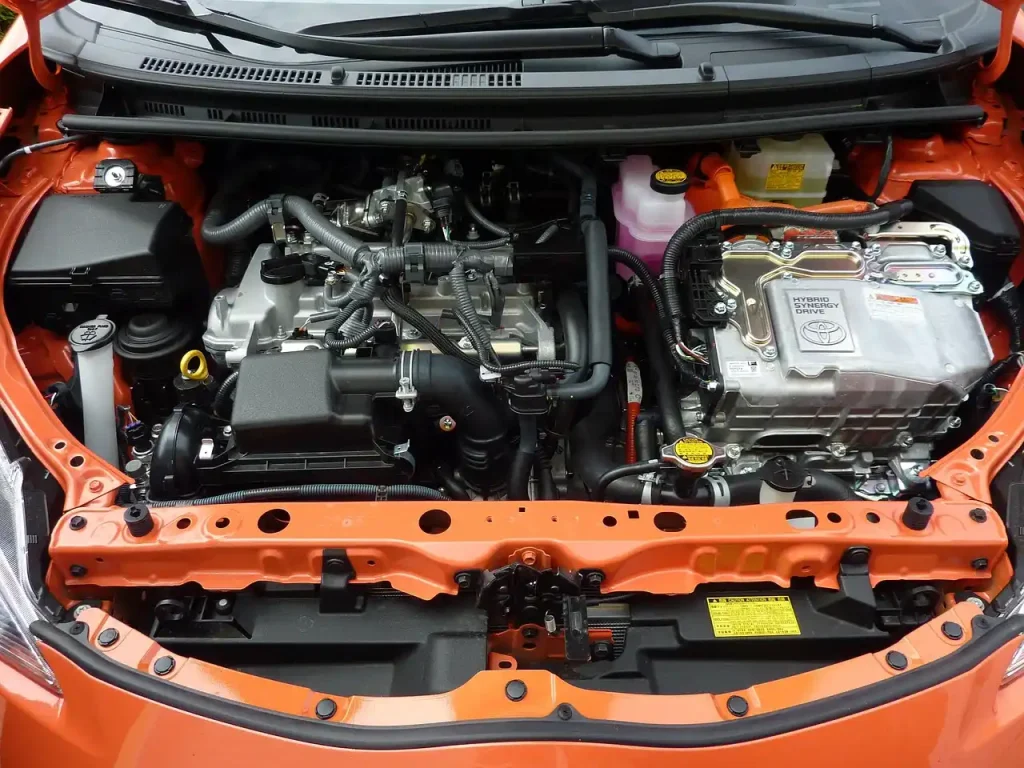
A car battery often dies after short trips because the alternator does not put back the energy used for starting and accessories; repeated trips under about 15–20 minutes can leave the battery chronically undercharged. Ignore that pattern and you can end up with no-starts, wrong parts swaps, and a battery that fails far sooner than it should. This guide shows how to tell undercharging apart from parasitic drain and a weak battery.
Why short trips drain charge
Short trips create a charging deficit first. A 12-volt lead-acid battery starts the engine, then the alternator must refill that lost energy while the car runs. Keep making short runs, and the battery may never return to full charge, while repeated partial charging wears it down over time.
What repeated under-15-minute drives do
Trips under 15 minutes are linked to shorter battery life. A car used for two ten-minute errands a day never quite catches up, especially if part of that time is spent idling with defrosters, headlights, heated seats, or a high blower setting on. The battery can settle around 12.3 or 12.4 V with repeated short trips, instead of resting near 12.6 volts when fully charged.
That matters because a lead-acid battery that keeps sitting partly charged can sulfate over time. It is not one exact voltage that does the damage. The problem is repeated partial charge, especially when the battery is already older or has been through deep discharge.
Why accessories, idling, and cold weather make it worse
Accessories raise the load the alternator must cover after startup. Cold weather also cuts available battery output and makes cranking harder, so the battery loses more and recovers less. Stop-start traffic is another problem because low engine speed and brief runs leave little spare charging time.
Suppose your commute is two 8-minute hops with the rear defroster on and headlights on in winter. That pattern can look harmless, yet it can leave the battery a little lower every day. Over time, that is enough to turn a healthy battery into a weak one.
How battery age changes the result
Most car batteries last three to five years. A flooded lead-acid battery typically lasts 3 to 5 years and is least tolerant of deep discharge. AGM batteries typically last 4 to 7 years and handle heat and cycling better, but they cost more. Heat shortens life too; a battery in Phoenix may last 2.5 to 4 years. Short trips can shorten life to 2 to 4 years in some climates.
How long does a drive need to recharge a battery?
There is no single drive time that guarantees a full recharge. The alternator recharges the battery while the engine runs, but actual recovery depends on how far down the battery started, engine speed, outside temperature, electrical load, and battery condition. A healthy battery may recover from a start with a moderate drive, but a weak or heavily discharged one may need much more.
Why there is no single recharge time
One battery may recover quickly from one start. Another may need far more time because it began the trip partly discharged, sat in cold weather, or is already losing capacity from age and heat. The source of the drain matters too. A battery that was only lightly used by a single start is not the same as one that has been undercharged for days.
What engine speed and electrical load change
Alternator output is not fixed. Belt condition, wiring condition, engine speed, and total electrical load all affect charging. A low-idle, high-load trip may barely move charge back into the battery, while a longer drive at steady speed can do more. Even then, a car with a deeply depleted battery may need more than one drive to recover.
Many drivers hear “drive it longer,” but that advice is too vague by itself. If the battery has already been dragged down by short trips, a longer drive may help, yet it will not fix a failing alternator, loose terminals, or a battery that has already lost capacity.
When a longer drive still will not fix the problem
If the battery still dies after a longer drive, stop assuming short trips are the only issue. Check the terminals first. Then test charging output and look for parasitic draw. A healthy alternator cannot rescue a battery that is corroded, internally weak, or being drained while parked.
Short-trip battery troubleshooting matrix
Use this matrix to match the parking pattern to the most likely cause. It is a guide, not a verdict. A weak battery can fail sooner than a healthy one, so timing narrows the search rather than ending it.
| Parking duration and trip pattern | Most likely cause | Quick check | Voltage clue | What to test next | When to replace the battery |
|---|---|---|---|---|---|
| Dies overnight | Parasitic draw or a bad connection | Check dome lights, glovebox light, dashcam, and terminal tightness | Healthy battery may be near 12.6 V after resting, then drop fast after sitting | Measure key-off draw after modules sleep; inspect cables and fused accessories | If load test is poor or the battery is already near end of life |
| Dies after 3 days | Moderate parasitic draw or a weak battery with reduced reserve | See whether the car is parked with accessories or aftermarket gear connected | May rest below 12.6 V and keep sliding lower after each park period | Check key-off draw, then load-test the battery and verify alternator output | If capacity is low, the battery is old, or the test is marginal |
| Dies after a week | Excessive parasitic draw or a battery with major capacity loss | Look for trailer wiring, dashcam, stuck relay, or cargo light | Repeated low rest voltage, often around 12.3 or 12.4 V or lower | Measure draw after sleep; inspect charging system if the battery was recently replaced | If a load test fails or the battery will not hold charge after a full recharge |
| Dies after several short trips | Charging deficit from under-15-minute drives | Review trip length, idle time, and accessory use | Often settles around 12.3 or 12.4 V from repeated partial charge | Test terminals, belt, alternator output, and battery load capacity | If repeated recharging cannot restore normal cranking performance |
Why does my car battery die after 3 days?
After 3 days, the most likely causes are a weak battery, a moderate parasitic draw, or a battery that never fully recovered from short trips. Normal key-off draw is expected, but a battery that is already partially charged can be pushed low much faster than a healthy one. That is why timing matters.
When normal key-off draw is expected
Modern cars do not go silent when parked. Once modules go to sleep, healthy modern cars draw around 20 to 50 milliamps. That is normal. It keeps memory functions, alarms, and security systems alive. On a fully charged battery in good condition, that draw should not be enough to flatten it quickly.
When parasitic draw is more likely
A draw past 80 milliamps can flatten a good battery in a week or two. If a battery dies after 3 days, the draw may be higher than normal, or the battery may be too weak to tolerate even a normal draw. Dashcams, trailer harnesses, glovebox lights, cargo lights, and stuck relays are common causes.
Which parked accessories to check first?
Start with anything added after the factory build. Dashcams and trailer wiring are frequent suspects. Then check for a glovebox light, trunk or cargo light, and anything that stays powered when the car is off. A hidden drain often shows up only after the vehicle has gone to sleep.
Can parasitic drain make short trips worse?
Yes. Parasitic drain and short trips stack up. The trip may not fully recharge the battery, then the parked drain keeps pulling it lower. A weak battery suffers the most because it has less reserve to spare, so the same draw hurts it sooner than it would hurt a new one.
Common draw sources
Modern cars carry more electronics than older ones, so there are more ways to lose stored charge. Security systems, body modules, telematics, dashcams, trailer harnesses, and stuck interior lights all add to key-off draw. That is why newer vehicles can be more sensitive to short-trip cycling than simple older cars.
How to test after the vehicle sleeps
- Drive or charge the battery fully first.
- Park the car, remove the key or fob as required, and let modules go to sleep.
- Measure key-off current draw only after sleep.
- If the draw is high, pull fuses one at a time to find the circuit.
- If the draw is normal, move to battery load testing and charging-system testing.
A common first-timer mistake is testing right after shutdown. That can show a high draw that is only the car waking up. Wait until modules sleep, then measure. Otherwise you can chase the wrong fault.
What voltage pattern points away from charging deficit
If the battery dies even after a decent drive and the resting voltage drops hard while parked, charging deficit is not the only suspect. A battery that still looks fairly charged right after driving but falls quickly during parking points toward parasitic drain or an internal battery fault, not only short-trip use.
What battery and alternator tests matter most?
Start with the simple checks. Battery terminals and cables can mimic a weak battery if they are corroded or loose. After that, use a load test, not voltage alone, because a battery can show a decent resting voltage and still fail under cranking load. Then verify alternator output if the battery itself is not clearly the issue.
Check terminals, cables, and belt condition first
Corrosion and looseness increase resistance. That can reduce charging and starting performance even when the battery is fine. Clean and tighten the terminals before deeper diagnosis. Also inspect the belt and visible wiring. A slipping belt or poor connection can make a healthy alternator look weak.
Use a load test, not voltage alone
Resting voltage does not tell the whole story. A battery load test compares cold cranking amps to the label rating and is often done free at parts stores. If the battery cannot deliver enough cranking power under load, it may need replacement even if the voltage looks acceptable at rest. Replacement decisions depend on the tester, temperature, battery type, and manufacturer guidance.
Separate alternator faults from battery failure
If the battery fails a load test, charging it may not solve the underlying problem. If the battery passes but keeps dying, test the alternator output and look for parasitic draw. A weak alternator causes chronic undercharging, but the alternator is not the only part of the system that can fail.
How to stop repeat battery deaths
Drive patterns matter. If the car mostly makes short trips, try to add a longer run now and then. A daily 30-minute-plus commute in a moderate climate can support 5 to 6 years of life, but that is context, not a promise. If the car sits parked for long periods, a maintainer can help keep the battery from slipping into repeated partial charge.
When to keep a maintainer on a parked vehicle
Use a maintainer when the car sits for days or weeks, especially if it already has a history of short-trip use or parked drain. That is especially useful for older flooded lead-acid batteries, which are least tolerant of deep discharge. AGM batteries handle cycling better, but they still do not like being left low.
When repeated failure means replacement or diagnosis
If the battery keeps failing after a full recharge, load test, and charging-system check, stop treating it as a simple short-trip issue. Repeated failure can mean the battery has lost capacity, the alternator is weak, or a parasitic drain is still present. At that point, replacement alone may not solve it.
Frequently asked questions
Can short trips kill a car battery?
Yes. Short trips can keep a 12-volt lead-acid battery in a repeated partial-charge state, especially when the drives are under 15 minutes and the car uses many electrical loads. That pattern can shorten battery life, and it is harder on the battery in cold weather, stop-start traffic, or older batteries.
Will short trips drain the car battery?
Short trips can leave the battery partially charged rather than fully drained right away. Over time, that repeated deficit can make the battery act weak and die sooner while parked or on the next start. If accessories are on, the deficit grows faster and recovery gets harder.
Can a car battery die in a week?
Yes, especially if there is excessive parasitic draw, a weak battery, or both. A healthy modern car often draws around 20 to 50 milliamps after modules sleep, but a draw past 80 milliamps can flatten a good battery in a week or two. A weak battery can fail sooner.
How do I know if it’s short trips or a bad battery?
If the battery dies after several short trips, charging deficit is a strong suspect. If it dies after parking, the timing points more toward parasitic drain or battery wear. The best order is simple: check terminals, test the battery with a load test, verify alternator output, then measure key-off draw after sleep.

Hi, I’m Melvin, an automobile engineer with extensive experience in automobile equipment. I currently work for a local automobile firm, where I specialize in the car parts industry. I’ve had the opportunity to collaborate with seasoned inspectors, gaining invaluable hands-on experience that goes beyond just theory.
My passion for automotive care started at a young age, which led me to create CarSpareCare. Through CarSpareCare, I share the knowledge and skills I’ve acquired over the years to help others navigate the world of car maintenance and repairs.
My goal is to provide practical tutorials, essential safety advice, and the latest industry insights so that anyone—whether a beginner or an expert—can confidently tackle their automotive projects.