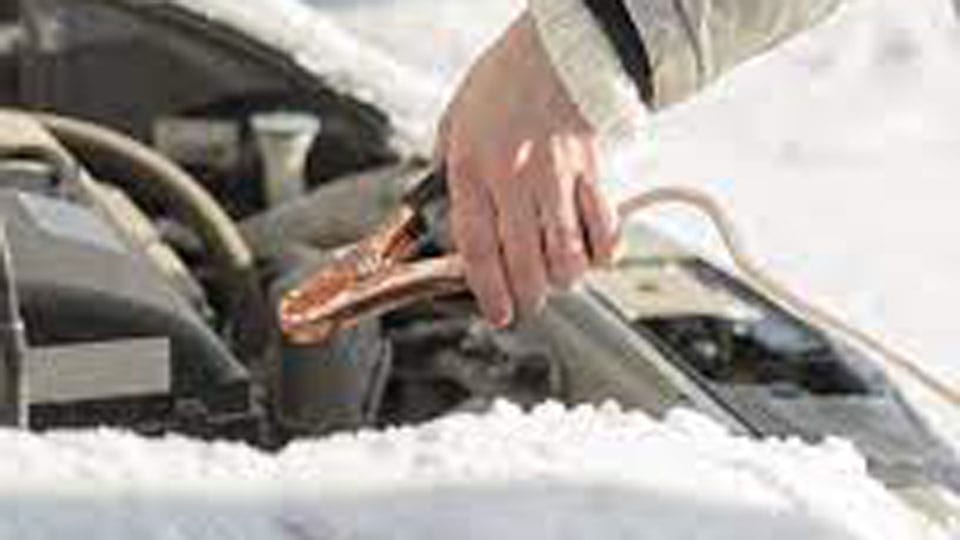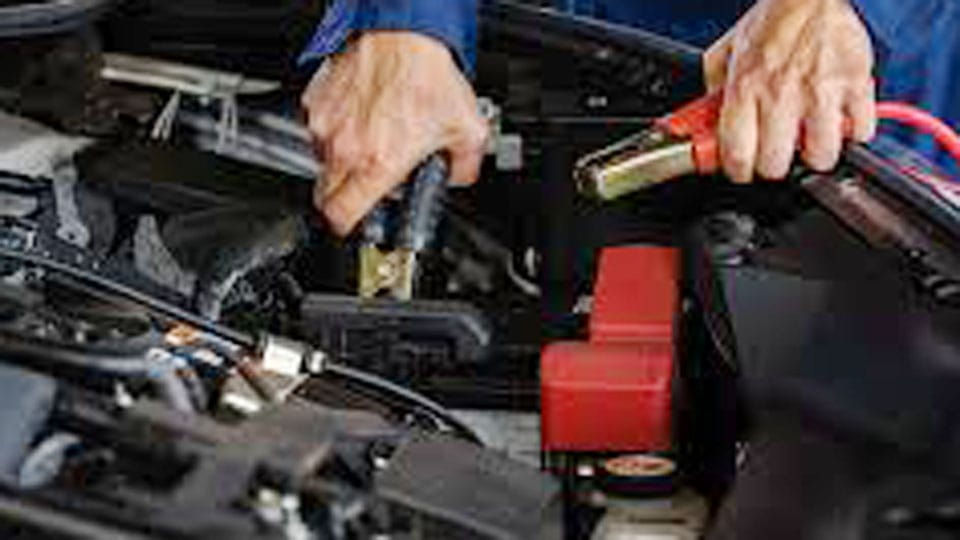
If you’ve ever found yourself running late, only to hop in your car and hear that dreaded click instead of the engine roaring to life, you’re not alone. I’ve been there too. And like most folks, the first thing I reach for is a set of jumper cables or a portable jump starter.
It’s quick, convenient, and usually works like a charm. If you find yourself doing it often, it’s time to ask: is it bad to keep jumping my car battery?
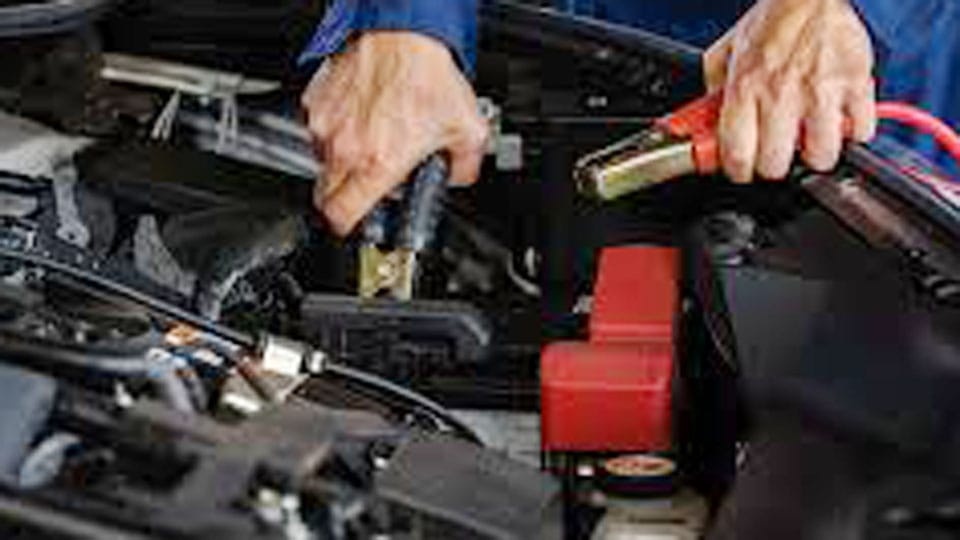
Photos by speedcraftvw
I’ve explored this topic not just from experience, but by diving into the ins and outs of battery health, electrical systems, and safe car maintenance. Let me walk you through everything you need to know—just like I would if you were sitting right next to me asking for honest advice.
How Jump-Starting Works
Before we talk about the impact of repeated jump-starts, let’s quickly go over what actually happens when you jump a car.
When your car battery is dead or too weak to start the engine, connecting it to another battery or a jump starter gives it a surge of power. This electrical boost is enough to start the engine and, ideally, recharge the battery through the alternator once the engine is running.
But this process, while handy, isn’t always harmless—especially if you’re doing it regularly.
Why Do Car Batteries Keep Dying?
It’s important to look at why you’re jump-starting your car in the first place. Here are some common causes of a dead battery:
| Cause | Explanation |
|---|---|
| Old Battery | Most car batteries last 3–5 years. After that, they lose capacity and struggle to hold a charge. |
| Parasitic Drain | Interior lights, trunk lights, or electronic devices may drain the battery while the car is off. |
| Faulty Alternator | If your alternator isn’t working properly, the battery won’t get recharged while driving. |
| Short Drives | Driving short distances doesn’t give the battery enough time to recharge fully. |
| Extreme Weather | Both hot and cold temperatures can damage the battery or reduce its efficiency. |
| Loose or Corroded Connections | Poor connections can prevent the battery from charging properly. |
If you’re jumping your battery often, it’s almost always a symptom of an underlying issue—not the real fix.
Is It Harmful to Keep Jumping the Battery?
Here’s the honest answer: yes, repeatedly jump-starting your car can cause damage—not just to the battery, but also to other components in your vehicle.
Let me break it down:
Stress on the Battery
Every time you jump a battery that’s already weak or nearing the end of its life, you’re pushing it harder than it was designed to handle. Batteries are not meant to be deeply discharged and then charged abruptly over and over.
This can cause:
- Reduced battery lifespan
- Internal battery damage
- Sulfation (which reduces the battery’s ability to hold a charge)
Risk to Electrical Components
Modern cars have complex electrical systems. When you jump a car, there’s always a risk of voltage spikes or surges. These can damage:
- The alternator
- The ECU (engine control unit)
- Sensors and other electronics
If you don’t connect the cables properly or if there’s a poor ground, you increase the risk of frying something under the hood.
Safety Hazards
Jump-starting is relatively safe when done right—but let’s be real, it does carry some risk. A spark near a battery can ignite hydrogen gas and cause a small explosion. That’s not something anyone wants to deal with.
So while jump-starting once in a while is fine, using it as a regular fix is like using duct tape on a leaking tire—it might work for a bit, but you’re setting yourself up for bigger issues down the road.
What Should You Do Instead of Repeatedly Jumping the Battery?
If your battery keeps dying, it’s time to get proactive. Here’s what I recommend:
Test the Battery
Head to a local auto parts store (many do this for free) and have them test your battery’s voltage and overall health. If it’s more than 3 years old, there’s a good chance it’s just time for a new one.
Check the Alternator
If your battery tests fine but still won’t hold a charge, the alternator might not be doing its job. A bad alternator means your battery won’t recharge, even if you jump it 100 times.
Inspect for Parasitic Drains
Sometimes, a dome light or a faulty sensor can drain your battery overnight. A mechanic can test for parasitic drain and isolate the issue.
Look at the Cables and Connections
Corrosion, rust, or loose battery terminals can prevent proper charging. It’s worth taking a look under the hood—or having someone check it for you.
How to Properly Jump a Car (Safely)
In case you do need to jump your car occasionally, let me walk you through the safest way to do it:
- Turn off both vehicles.
- Attach the red (positive) clamp to the dead battery’s positive terminal.
- Attach the other red clamp to the donor battery’s positive terminal.
- Attach the black (negative) clamp to the donor battery’s negative terminal.
- Attach the other black clamp to an unpainted metal surface on the dead car (not the battery!).
- Start the donor car and let it run for a few minutes.
- Try starting the dead car.
- Let both cars run for a while to recharge the battery.
- Remove clamps in reverse order once done.
Never jump a frozen or leaking battery, and always wear safety glasses just in case.
When to Replace the Battery Instead
Here are some signs it’s time to ditch the old battery and replace it:
- It’s older than 4–5 years.
- You’ve had to jump it more than twice in a short period.
- You notice dim headlights, slow cranking, or electronics acting weird.
- A test shows it can’t hold a charge.
Honestly, replacing a worn battery is a much better investment than risking electrical damage from constant jumping.
Portable Jump Starters: Are They Better?
I get asked this a lot. Yes, portable jump starters are generally safer and more convenient than traditional jumper cables. You don’t need another vehicle, and many models include surge protection.
Even with these, repeated use on the same dying battery can still lead to issues. Think of them as a temporary helper, not a permanent fix.
Long-Term Solutions to Avoid Dead Batteries
Want to keep your car starting like a champ every time? Here are a few tips I swear by:
- Drive at least 15–20 minutes a few times a week to keep the battery charged.
- Use a trickle charger if your car sits for long periods.
- Keep your terminals clean and check them every few months.
- Turn off lights, accessories, and electronics when you park.
These small habits go a long way in extending your battery’s life and avoiding those annoying jump-start sessions.
Should You Drive After Jumping a Car?
Yes, but not just for a couple of minutes. After jumping a car, you should drive for at least 20–30 minutes. This gives the alternator enough time to recharge the battery.
Otherwise, you might find yourself right back where you started the next time you try to start the engine.
Battery Maintenance Table
Here’s a quick reference table to help you spot trouble and take the right action:
| Symptom | Possible Issue | What to Do |
|---|---|---|
| Frequent need for jump-starts | Old or dying battery | Replace battery |
| Dim lights or slow crank | Weak battery or bad alternator | Test both |
| Clicking sound, no start | Corroded terminals or low charge | Clean and recharge |
| Battery dies overnight | Parasitic drain | Check with a mechanic |
| Car dies while driving | Faulty alternator | Immediate repair needed |
Final Thoughts
So, is it bad to keep jumping your car battery? Yes, it is—if you’re doing it often, it’s a clear sign something isn’t right. It might seem like an easy fix, but it’s really just masking a deeper issue.
Repeated jump-starting can shorten your battery’s life, damage electrical components, and even put you at risk of electrical or chemical hazards.
If your battery is healthy and the car just sat for a while, a jump might be all it needs. But if this is happening more than once every few months, please get the battery, alternator, and connections checked. It’ll save you time, money, and stress in the long run.
Sometimes the smartest thing we can do for our cars is listen to what they’re telling us—and a dead battery is your car’s way of asking for help.
FAQs
Is it bad to jump-start a car multiple times in a week?
Yes, frequent jump-starts stress the battery and can cause long-term damage to electrical components. It’s best to diagnose and fix the root cause.
How many times can you jump a car battery before it needs replacing?
There’s no exact number, but if you’re jump-starting your battery more than twice in a short time, it’s a sign it may need replacing.
Can jumping a battery damage your car?
Yes, improper jump-starting or frequent voltage surges can damage sensitive electronics, especially in modern vehicles.
Should I drive after jump-starting?
Definitely. You should drive for at least 20–30 minutes after a jump to give the alternator enough time to recharge the battery.
What’s better—jump-start cables or a portable jump starter?
Both work, but portable jump starters are safer and more convenient for solo use, especially with built-in safety features.

Hi, I’m Melvin, an automobile engineer with extensive experience in automobile equipment. I currently work for a local automobile firm, where I specialize in the car parts industry. I’ve had the opportunity to collaborate with seasoned inspectors, gaining invaluable hands-on experience that goes beyond just theory.
My passion for automotive care started at a young age, which led me to create CarSpareCare. Through CarSpareCare, I share the knowledge and skills I’ve acquired over the years to help others navigate the world of car maintenance and repairs.
My goal is to provide practical tutorials, essential safety advice, and the latest industry insights so that anyone—whether a beginner or an expert—can confidently tackle their automotive projects.