We’ve all been there—you turn the key in the ignition, and instead of the familiar sound of your engine roaring to life, you hear nothing or just a faint clicking sound. That sinking feeling in your stomach confirms it—your car battery is dead.
A flat battery can happen to anyone, anywhere, and usually at the worst possible time. Maybe you left your headlights on overnight, or the cold weather drained your battery faster than expected. Whatever the reason, knowing what to do next can save you time, stress, and even money.
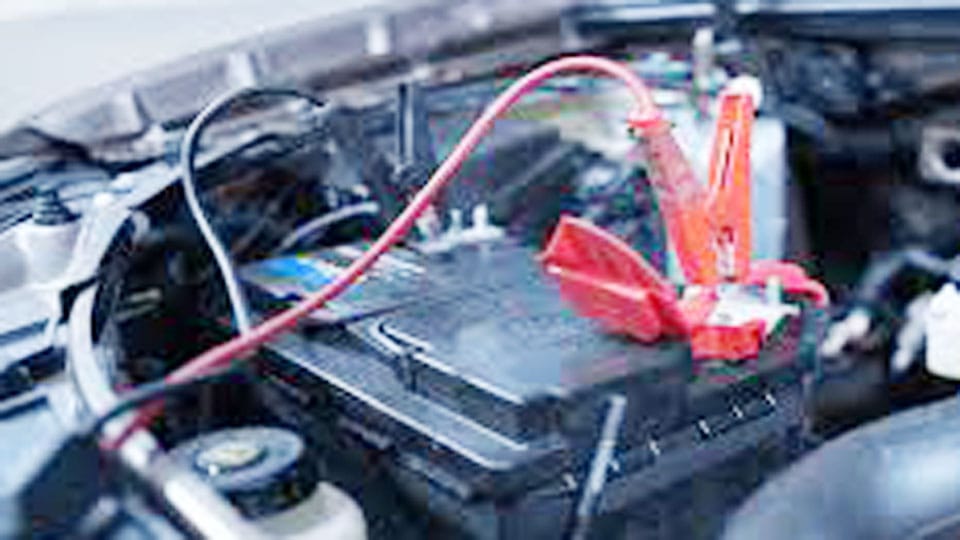
Image by servicemycar
If you ever find yourself with a dead car battery, don’t panic. There are simple steps you can take to get back on the road quickly and safely. Let’s go through everything you need to know.
Signs of a Flat Battery
Before assuming your battery is the problem, it helps to recognize the signs of a dead or dying battery. Here are the most common indicators:
- Engine won’t start – You turn the key, and either nothing happens or you hear a slow cranking noise.
- Clicking sound – If you hear a clicking noise but the engine doesn’t turn over, the battery likely doesn’t have enough power.
- Dim headlights and interior lights – Weak or flickering lights indicate a battery with low power.
- Dashboard warning light – Many cars have a battery warning light that may illuminate before a total failure.
- Electrical issues – If your radio, power windows, or dashboard lights aren’t working, it could be a sign of a drained battery.
If you notice any of these symptoms, your next step is to confirm that the battery is indeed the culprit.
Checking Your Battery
Before taking action, it’s a good idea to verify that the battery is actually dead. Here’s how you can check:
- Turn on your headlights – If they are very dim or don’t turn on at all, your battery is likely dead.
- Try using other electrical components – If your radio, power seats, or wipers don’t work, the battery might be the issue.
- Check for corrosion – Open the hood and inspect the battery terminals. If there is a lot of white or bluish corrosion, it could be preventing a proper connection.
If the battery seems completely dead, it’s time to take action.
Step-by-Step Guide to Jump-Starting a Car
A jump start is the quickest way to get your car running again if your battery is flat. Here’s how to do it safely:
What You’ll Need:
- A set of jumper cables
- Another vehicle with a working battery
- Safety gloves (optional, but recommended)
Steps to Jump-Start a Car:
- Park the cars close together – The working car should be positioned near yours but not touching. Both vehicles should be in park (or neutral for manual cars) with the engines off.
- Locate the battery terminals – Open the hoods and find the positive (+) and negative (-) terminals on both batteries.
- Attach the jumper cables in this order:
- Connect the red (positive) cable to the dead battery’s positive terminal.
- Connect the other end of the red cable to the positive terminal of the working battery.
- Attach the black (negative) cable to the working battery’s negative terminal.
- Attach the other end of the black cable to an unpainted metal surface on the dead car (not the battery itself) to avoid sparks.
- Start the working car – Let it run for a few minutes to transfer power.
- Start the dead car – Try turning the key. If it doesn’t start immediately, wait a few more minutes and try again.
- Remove the cables in reverse order:
- Black cable from the metal surface
- Black cable from the working battery
- Red cable from the working battery
- Red cable from the previously dead battery
- Let the car run – Keep your engine running for at least 15-30 minutes to allow the battery to recharge.
If your car starts, great! But if it doesn’t, the battery may be too weak to hold a charge, or there could be another issue.
What If a Jump Start Doesn’t Work?
If your car still won’t start after trying a jump, there might be other problems. Here’s what to check next:
- Loose battery cables – Ensure the battery terminals are tightly connected.
- Excessive corrosion – If the terminals are heavily corroded, clean them with a wire brush and try again.
- Battery too old – Most car batteries last 3-5 years. If yours is older, it might need replacing.
- Faulty alternator – If your battery keeps dying, your alternator may not be charging it properly.
If you’ve tried everything and your car still won’t start, you may need to call for roadside assistance or replace the battery.
How to Prevent a Flat Battery
A dead battery can be a major inconvenience, but there are ways to avoid it in the future.
- Turn off all lights and electronics – Make sure headlights, dome lights, and accessories are off when you exit the car.
- Drive regularly – Short trips don’t allow your battery to recharge properly. Try taking longer drives occasionally.
- Keep battery terminals clean – Corrosion can weaken the battery’s connection, so check and clean it as needed.
- Test your battery – Many auto parts stores offer free battery testing. If yours is weak, replace it before it fails.
- Invest in a portable jump starter – If you often drive in remote areas, having a portable jump starter can be a lifesaver.
When to Replace Your Car Battery
If your battery is old or keeps dying even after jump-starting, it may be time to replace it. Here are some signs you need a new battery:
- Your car struggles to start even after charging.
- The battery case looks swollen or damaged.
- You frequently need jump-starts.
- A battery test shows low voltage.
Most batteries last around 3-5 years, but extreme weather and driving habits can shorten their lifespan. If your battery is over three years old, it’s a good idea to have it tested regularly.
Conclusion
Dealing with a flat battery can be frustrating, but knowing what to do can make the situation much easier. If you find yourself with a dead battery, start by confirming the issue, then try a jump-start. If that doesn’t work, consider whether your battery needs replacing or if another problem is at play.
The best way to avoid this hassle is to take care of your battery by keeping it clean, driving regularly, and replacing it when necessary. Being prepared can save you time, money, and stress. So, next time your car won’t start, you’ll know exactly what to do!
Frequently Asked Questions
How long should I run my car after a jump-start?
At least 15-30 minutes to allow the battery to recharge. If possible, drive rather than idle for better charging.
Can a car battery go dead from sitting too long?
Yes, if a car sits unused for several weeks or months, the battery can lose charge and go flat.
Can cold weather kill a car battery?
Extreme cold can weaken a battery’s power, making it harder for the car to start. Parking in a garage or using a battery warmer can help.
What should I do if my battery keeps dying?
Check for electrical issues, test the alternator, or consider replacing the battery if it’s old.
Can I charge a dead battery instead of replacing it?
If the battery is still in good condition, you can recharge it using a trickle charger. However, if it’s too old or damaged, replacement is the best option.
Having a dead battery is never fun, but with the right knowledge and a little preparation, you can handle it with confidence.

Hi, I’m Melvin, an automobile engineer with extensive experience in automobile equipment. I currently work for a local automobile firm, where I specialize in the car parts industry. I’ve had the opportunity to collaborate with seasoned inspectors, gaining invaluable hands-on experience that goes beyond just theory.
My passion for automotive care started at a young age, which led me to create CarSpareCare. Through CarSpareCare, I share the knowledge and skills I’ve acquired over the years to help others navigate the world of car maintenance and repairs.
My goal is to provide practical tutorials, essential safety advice, and the latest industry insights so that anyone—whether a beginner or an expert—can confidently tackle their automotive projects.