Hey there! If you’ve ever felt your car sputter, idle rough, or just not perform like it used to, you might be wondering what’s going on under the hood. One simple fix could be changing your spark plugs and wires. I’ve been wrenching on cars for years, and let me tell you, swapping out these small parts can make a huge difference.
The benefits of changing spark plugs and wires are real—better performance, smoother rides, and even saving some cash at the pump. I’m excited to share what I’ve learned from my own experiences and countless hours in the garage.

Photo by knowhow.napaonline
What Are Spark Plugs and Wires?
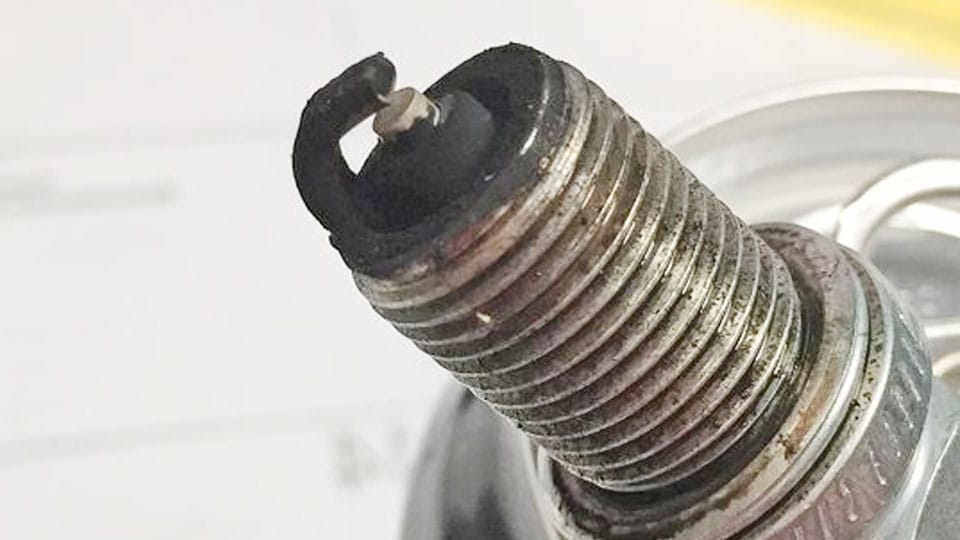
Spark plugs are small devices that screw into your engine’s cylinders. They create a spark that ignites the air-fuel mixture, making your engine run. Without them, your car wouldn’t move an inch. Spark plug wires, also called ignition wires, carry high-voltage electricity from the ignition coil or distributor to the spark plugs.
Think of spark plugs as the match and wires as the hand that lights it. If either is worn out, the fire doesn’t start properly. I’ve seen engines struggle because of old plugs or frayed wires—it’s like trying to start a campfire with damp matches. Changing them regularly keeps your engine firing on all cylinders.
Why Change Spark Plugs and Wires?
You might be thinking, “If my car’s running fine, why bother?” Great question! Even if your car seems okay, old spark plugs and wires can quietly hurt performance. Over time, plugs wear down, and their electrodes erode, making the spark weaker. Wires can crack, fray, or lose their ability to carry voltage, causing misfires.
I learned this the hard way with my old pickup. It was running “okay” until one day it started shaking at stoplights. A quick check showed the plugs were black and the wires were brittle. Replacing them was like giving the truck a new lease on life. Changing spark plugs and wires prevents problems and unlocks a bunch of benefits. Let’s break them down.
Improved Engine Performance
One of the biggest perks of changing spark plugs and wires is a happier engine. Fresh plugs create a strong, consistent spark, which means better combustion. This translates to more power when you hit the gas, whether you’re merging onto the highway or passing a slow driver.
New wires ensure that electricity gets to the plugs without any hiccups. Old wires can leak voltage, weakening the spark and making your engine feel sluggish. I swapped the plugs and wires on my sedan a while back, and it felt like I’d added 20 horsepower. The car was peppier, and accelerating was smooth as butter. If you want your engine to perform like it did when it was new, fresh plugs and wires are the way to go.
Better Fuel Economy
Who doesn’t want to save money at the gas station? Changing spark plugs and wires can help. When plugs are worn, they don’t ignite the fuel mixture efficiently. This means some fuel goes unburned, wasting gas. Faulty wires can cause misfires, forcing the engine to work harder and burn more fuel.
After replacing the plugs and wires on my cousin’s SUV, she noticed it went farther on a tank of gas. Studies show that new spark plugs can improve fuel economy by 5-10% in some cases. For a car that gets 25 miles per gallon, that could mean an extra 1-2 miles per gallon. Over a year, those savings add up, especially with gas prices in the USA fluctuating.
Smoother Idle and Reduced Vibrations
Ever been at a stoplight and felt your car shaking like it’s nervous? That’s often a sign of old spark plugs or wires. Worn plugs can misfire, causing the engine to stumble. Cracked wires can interrupt the spark, making the engine run unevenly.
I had a buddy whose car vibrated so much it felt like a massage chair. We changed the plugs and wires, and the idle smoothed out instantly. It was like the engine was sighing with relief. New plugs and wires ensure each cylinder fires properly, giving you a steady, calm idle. No more embarrassing shakes when you’re waiting at a red light.
Lower Emissions and Cleaner Running Engine
If you care about the environment—or just want to pass your state’s emissions test—changing spark plugs and wires is a must. Worn plugs don’t burn fuel completely, sending unburned fuel and pollutants out the tailpipe. This can increase carbon monoxide and hydrocarbon emissions, which aren’t great for the planet or your inspection sticker.
Faulty wires can cause misfires, which also spike emissions. I helped a neighbor fix her car before an emissions test. The old plugs were fouled, and the wires were leaking voltage. New ones got her through the test with flying colors. Fresh plugs and wires help your engine burn fuel cleanly, keeping emissions low and your car compliant with USA regulations.
Easier Cold Starts
Starting your car on a freezing morning can be a pain, especially with old spark plugs and wires. Worn plugs struggle to create a strong spark in cold conditions, and brittle wires can fail to deliver enough voltage. This means your engine might crank longer or not start at all.
I live in a chilly part of the USA, and I’ve had mornings where my car just wouldn’t cooperate. After swapping the plugs and wires, it fired up like a champ, even at 20°F. New plugs provide a hotter, more reliable spark, and fresh wires ensure the electricity gets there. If you want hassle-free starts, especially in winter, keep these parts fresh.
Preventing Damage to Other Engine Components
Old spark plugs and wires don’t just hurt performance—they can damage other parts of your engine. Misfires from faulty plugs or wires can send unburned fuel into the exhaust, which can overheat and ruin your catalytic converter. That’s a repair that can cost $1,000 or more.
Worn wires can also stress the ignition coils, leading to premature failure. I saw this on a friend’s car—the misfires from bad wires fried a coil, and he was out $200 for the fix. Changing plugs and wires on time protects these expensive components, saving you from big repair bills down the road.
Enhanced Throttle Response
If you love a car that responds quickly when you step on the gas, new spark plugs and wires are your friends. Fresh plugs create a stronger spark, igniting the fuel faster for quicker power delivery. New wires ensure no voltage is lost, so the spark is instant.
I noticed this after changing the plugs and wires on my sports car. The throttle felt snappy, and the car jumped forward with the slightest tap. It’s like the engine was reading my mind. Whether you’re a gearhead or just want a more responsive drive, this upgrade makes every trip more fun.
Benefits of Changing Spark Plugs and Wires
To sum it up, here’s a table showing the key benefits and how they help:
| Benefit | How It Helps | What You Notice |
|---|---|---|
| Improved Engine Performance | Stronger spark, better combustion | More power, faster acceleration |
| Better Fuel Economy | Efficient fuel burn, fewer misfires | Save gas, fewer trips to the pump |
| Smoother Idle | Consistent cylinder firing | No shaking or vibrations at stoplights |
| Lower Emissions | Cleaner fuel burn, less pollution | Pass emissions tests, eco-friendly |
| Easier Cold Starts | Reliable spark in cold weather | Quick starts, even in winter |
| Prevent Component Damage | Avoid misfires that harm catalytic converter, coils | Save on costly repairs |
| Enhanced Throttle Response | Faster spark delivery | Quick, responsive acceleration |
This table is my cheat sheet for explaining why new plugs and wires matter. It’s like a roadmap to a happier car.
When Should You Change Spark Plugs and Wires?
Timing is everything. Most spark plugs last 30,000-100,000 miles, depending on the type:
- Copper: 30,000 miles
- Platinum: 60,000 miles
- Iridium: 100,000 miles
Spark plug wires typically last 60,000-100,000 miles, but they can wear out faster in harsh conditions. Check your owner’s manual for your car’s schedule. I replace my plugs every 60,000 miles and wires every 80,000, just to stay ahead of problems.
You should also change them if you notice:
- Rough idling or vibrations
- Poor acceleration
- Reduced gas mileage
- Hard starts
- Check engine light (misfire codes)
I ignored these signs once, and my car paid the price with a damaged catalytic converter. Don’t wait—swap them out when they’re due or if you spot trouble.
How to Change Spark Plugs and Wires
Changing spark plugs and wires is a DIY job if you’re handy. I’ve done it dozens of times, and it’s satisfying to see the results. Here’s how I do it:
- Gather Tools: You’ll need a ratchet, spark plug socket, extension, torque wrench, spark plug wires, new plugs, dielectric grease, and a gap tool.
- Prepare the Car: Park on a flat surface, let the engine cool, and disconnect the battery for safety.
- Remove Old Wires: Pull the wires off the spark plugs and ignition coils one at a time. Label them to avoid mix-ups.
- Remove Old Plugs: Use the spark plug socket to unscrew each plug. Check for fouling or wear (black, oily, or worn electrodes).
- Check Plug Gap: Use a gap tool to ensure new plugs are gapped to your car’s specs (check the manual).
- Install New Plugs: Screw in the new plugs by hand, then tighten with a torque wrench to the right spec (usually 10-20 ft-lbs).
- Attach New Wires: Apply dielectric grease inside the wire boots. Snap the wires onto the plugs and coils, ensuring a firm click.
- Test the Car: Reconnect the battery, start the engine, and listen for smooth running. Take a short drive to confirm.
I changed the plugs and wires on my truck in about an hour, and it ran like a dream. If you’re not comfortable, a mechanic can do it for $100-$300, depending on the car and labor rates.
Choosing the Right Spark Plugs and Wires
Not all plugs and wires are created equal. I’ve made the mistake of buying cheap parts, and they didn’t last. Here’s what to look for:
- Spark Plugs: Stick with OEM brands (like NGK, Bosch, or Denso) or what your car’s manufacturer recommends. Platinum or iridium plugs last longer than copper.
- Spark Plug Wires: Choose vehicle-specific wires from reputable brands. Look for thick insulation and sturdy boots to handle heat and vibration.
- Check Compatibility: Use your car’s make, model, and year to find the right parts. Your manual or an auto parts store can help.
- Avoid Bargain Brands: Cheap plugs and wires wear out fast and can cause misfires. Spend a bit more for quality.
I use iridium plugs and OEM wires on my cars—they’re pricier but worth it for the longevity and performance. A good set of plugs costs $5-$15 each, and wires run $50-$150 for a set.
Common Mistakes to Avoid
I’ve messed up a few times changing plugs and wires, so let me save you some headaches. Here’s what to avoid:
- Overtightening Plugs: Too much torque can strip the threads in the cylinder head, leading to costly repairs.
- Mixing Up Wires: Connecting wires to the wrong plugs or coils causes misfires. Label them during removal.
- Skipping the Gap Check: Incorrectly gapped plugs reduce performance. Always check with a gap tool.
- Using Cheap Parts: Low-quality plugs and wires fail early. Invest in good ones.
- Ignoring Other Issues: If your car has misfires, check coils, fuel injectors, or air filters too. New plugs won’t fix everything.
I overtightened a plug once and nearly ruined the threads—lesson learned. Take your time and do it right.
Maintaining Your Ignition System
Changing spark plugs and wires is just part of keeping your ignition system healthy. Here’s how I maintain mine:
- Inspect Regularly: Check wires for cracks or burns every 6 months. Look at plugs during oil changes.
- Clean the Engine Bay: Keep dirt and oil off wires to prevent damage. A quick wipe-down helps.
- Check Coils: Test ignition coils if you notice misfires. They can fail and mimic bad plugs.
- Use Dielectric Grease: Apply grease to wire boots to prevent corrosion and ensure a tight connection.
- Follow the Schedule: Stick to your car’s maintenance plan for plugs, wires, and other ignition parts.
These habits have kept my cars running smoothly for years. I always peek at my wires when I’m under the hood—it’s a quick way to catch problems early.
Why This Matters for Your Car and Wallet
Changing spark plugs and wires isn’t just about performance—it’s about saving money and avoiding stress. A well-maintained ignition system prevents costly repairs, like replacing a catalytic converter or ignition coils. It also keeps your car reliable, so you’re not stranded on the side of the road. I’ve been there with a misfiring engine, and it’s no fun.
The improved fuel economy and lower emissions are good for your wallet and the planet. There’s something satisfying about knowing your car’s running at its best, whether you’re commuting or hitting the open road. It’s like giving your car a big hug for all its hard work.
Conclusion
There you have it—everything I’ve learned about the benefits of changing spark plugs and wires. From boosting engine performance to saving gas and preventing costly repairs, this simple maintenance task packs a punch. New plugs and wires make your car run smoother, start easier, and feel more responsive, all while keeping emissions low and your wallet happy. I’ve seen the difference in my own cars, and it’s like night and day.
FAQs
How often should I change my spark plugs and wires?
Change spark plugs every 30,000-100,000 miles, depending on the type (copper, platinum, or iridium). Replace wires every 60,000-100,000 miles or if they’re worn.
Can bad spark plugs and wires cause my car to fail an emissions test?
Yes, worn plugs and wires can cause misfires and incomplete fuel burn, increasing emissions and potentially failing the test.
How do I know if my spark plugs and wires need replacing?
Look for rough idling, poor acceleration, reduced gas mileage, hard starts, or a check engine light. Inspect plugs for wear and wires for cracks.
Is it okay to change spark plugs and wires myself?
Yes, if you have basic tools and follow instructions. It’s a straightforward job, but take your time to avoid mistakes like overtightening.
Will new spark plugs and wires make my car faster?
They won’t add horsepower, but they’ll restore lost performance, improve throttle response, and make acceleration feel quicker and smoother.

Hi, I’m Melvin, an automobile engineer with extensive experience in automobile equipment. I currently work for a local automobile firm, where I specialize in the car parts industry. I’ve had the opportunity to collaborate with seasoned inspectors, gaining invaluable hands-on experience that goes beyond just theory.
My passion for automotive care started at a young age, which led me to create CarSpareCare. Through CarSpareCare, I share the knowledge and skills I’ve acquired over the years to help others navigate the world of car maintenance and repairs.
My goal is to provide practical tutorials, essential safety advice, and the latest industry insights so that anyone—whether a beginner or an expert—can confidently tackle their automotive projects.