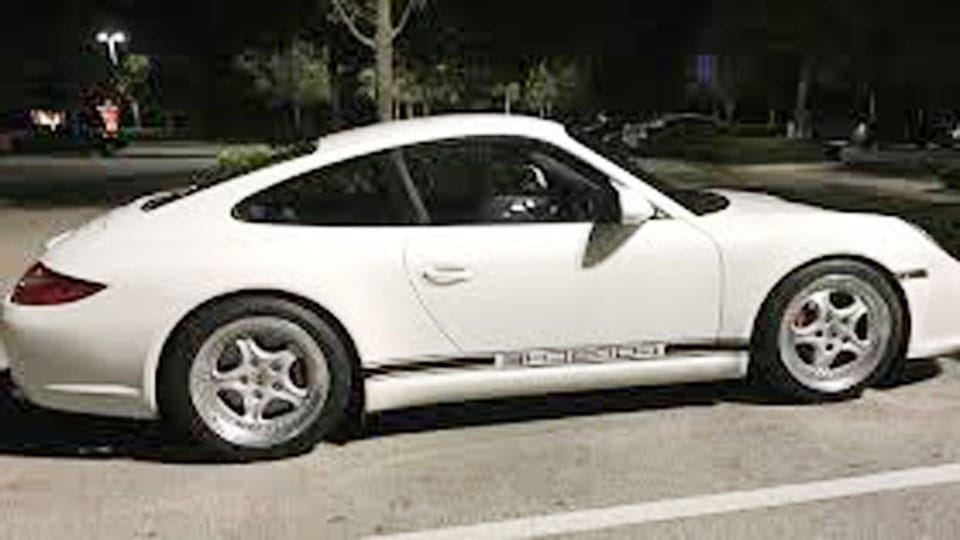
A wheel keeps coming loose when clamp load is lost at the lug nut, stud, hub, spacer, or bead; if the nuts retorque twice and still back off, stop driving and inspect the interface. Letting it go can make the wheel wobble, wear the studs, and separate the wheel from the vehicle. This guide shows how to isolate the fault by checking lug nuts, studs, hub faces, spacers, and tire bead seating.
What you’ll need
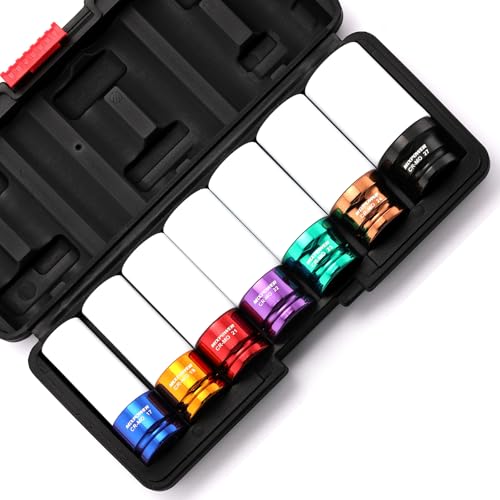
- Nylon sleeve helps protect wheel rims
- Color-coded sizes are easy to identify
- Deep impact design for lug nut access
- Calibrated torque wrench
- Correct wheel socket
- Jack and jack stands
- Lug wrench
- Wire brush or hub cleaning brush
- Flashlight
- Gloves
- Replacement lug nuts, studs, or hardware if inspection shows damage
Why your wheel keeps coming loose
Repeated loosening usually means the wheel is not clamping flat, the hardware is damaged, or the parts do not match. The fault is often at the seat, the stud threads, the hub face, or a spacer that changes bolt length and fit. A bearing fault can mimic looseness, but it is a different failure pattern.
Wheel loosening checklist
| Symptom | Most likely failure point | Inspect first | Park immediately? |
|---|---|---|---|
| Nuts back off after retorque | Seat mismatch, damaged threads, or wrong torque sequence | Lug nut seat type, stud threads, torque wrench use | Yes |
| Wheel feels loose but nuts stay tight | Hub face rust, debris, spacer fit, or bearing play | Hub face, spacer centering, wheel bearing play | Yes if movement is visible |
| Vibration with no visible wheel movement | Balance or alignment issue | Tire wear, steering pull, vibration speed range | No, unless looseness is also present |
| Air loss at the rim with wobble | Tire bead not seated | Bead line, pressure loss, rim edge | Yes |
| Knocking plus wheel play | Wheel bearing play | 12 and 6 o’clock wheel movement, bearing noise | Yes |
Why do my lug nuts keep coming loose?
Lug nuts keep backing off when the seat shape does not match the wheel, the threads are damaged, or the nuts were not tightened to spec in the correct sequence. A conical, ball, or mag seat mismatch can loosen repeatedly even when the wrench clicks at the specified torque.
Seat type and fitment
- Match the seat type. Check whether the wheel needs a conical 60-degree seat, ball seat, or mag seat nut. The wrong seat can clamp on the wrong surface and lose load after a short drive.
- Inspect the contact ring. Look for shiny witness marks, gouges, or uneven contact on the wheel seat and nut. Uneven contact means the nut is not loading the wheel face evenly.
- Replace mismatched hardware. Use lug nuts that match the wheel design exactly. Do not mix seat styles on the same wheel.
Torque, threading, and stud condition
- Check the threads. Spin each nut off by hand and inspect the stud for flattened, pulled, or crossed threads. Cross-threading and stretched studs reduce clamp load fast.
- Torque in sequence. Tighten with a calibrated torque wrench using the vehicle maker’s pattern, usually a star or crisscross sequence. Final torque should be the published spec, not a guess.
- Recheck after driving. Retorque after 25 to 50 miles if the wheel, spacer, or studs were replaced. If the nuts loosen again after that, stop driving and inspect for damage.
Say your wheel uses ball-seat nuts, but a previous repair fitted conical nuts because they were on hand. The wheel may feel fine at first, then one or two nuts back off after a few trips because the seats never contacted correctly.
Why does my wheel feel loose?
A wheel can feel loose even when the lug nuts have not actually backed off. Common causes include rust or debris on the hub face, hub play from a bearing fault, or a spacer that does not center correctly. The symptom matters because each one fails differently.
Hub face rust and debris
- Remove the wheel. Inspect the hub face, rotor face, and wheel mating surface for rust flakes, dirt, paint buildup, or debris. Even a thin layer can stop the wheel from sitting flush.
- Clean the contact area. Use a wire brush until the hub face is bare and flat. The wheel must seat on clean metal, not on loose rust.
- Reinstall and torque. Mount the wheel, snug the nuts by hand, then torque in sequence to spec. A clean hub often fixes a false looseness complaint.
Bearing play versus actual wheel looseness
- Check for play. With the wheel lifted, rock it at 12 and 6 o’clock, then at 3 and 9 o’clock. A bearing problem often shows movement with noise or roughness, not loose lug nuts.
- Listen for bearing noise. Growling, humming, or knocking that changes with speed points more toward a bearing than to a loose wheel.
- Separate the fault. If the wheel moves but the nuts stay tight, look at the hub or bearing before replacing lug hardware.
Spacer and hub-centric fit problems
- Confirm spacer type. Check whether the spacer is hub-centric or slip-on. A hub-centric spacer centers on the hub lip; a slip-on spacer depends more on stud and wheel fit.
- Verify hardware length. Make sure the wheel stud or bolt length still provides full nut engagement after the spacer is installed. Too little thread engagement can let the nut loosen.
- Retorque after heat cycles. Spacer stacks can settle after driving. Recheck torque after 25 to 50 miles, especially on thick spacers or freshly installed hardware.
Suppose a 15 mm spacer was added to clear calipers, but the original studs were kept. The nuts may tighten at first, then lose clamp load because the engaged thread length is too short. The wheel can feel loose even though the spacer itself looks centered.
How to diagnose the failure point
Start with the nuts, then move to the wheel-to-hub interface, then to the tire bead. That order helps separate true wheel loosening from bearing play, alignment vibration, or a bead that is not seated. Do not assume every wobble means the same fault.
Check the lug nuts and studs
- Inspect seat and threads. Look for missing studs, stretched threads, stripped nuts, or a nut that bottoms before clamping the wheel.
- Confirm torque and pattern. Use a calibrated torque wrench and tighten in the correct sequence to the maker’s spec. If the nuts were tightened with an impact alone, verify them again by hand.
- Replace damaged parts. Any stud that is bent, stretched, or cross-threaded should be replaced. A damaged stud may hold once and fail on the next heat cycle.
Check the hub and spacer
- Inspect the hub face. Remove rust, paint flakes, and dirt until the wheel can sit flat. Check for hub-centric lip damage if the wheel or spacer is meant to center on it.
- Test the spacer fit. Make sure the spacer does not rock, bind, or leave a gap. If it is not hub-centric, the wheel may center on the studs instead of the hub.
- Measure hardware engagement. Threads should engage fully enough to support the load without bottoming out. If they do not, change to the correct hardware length.
Check the tire bead and surrounding symptoms
- Inspect the bead line. Look around the rim for an uneven bead line, hissing, or fresh air loss. A bead that is not seated can mimic wheel trouble.
- Check pressure and movement. A tire that loses air quickly or moves at the rim points to bead seating, not lug nut loosening.
- Do not drive far. If the tire is unseated, park the car and have the bead seated properly before driving again.
Common mistakes
- Assuming any wobble means loose lug nuts. Wheel bearing play and tire bead issues can feel similar.
- Using the wrong seat type. Conical, ball, and mag seat hardware do not interchange safely.
- Tightening with an impact only. Final torque should come from a calibrated torque wrench.
- Skipping hub cleaning. Rust and debris can stop the wheel from sitting flush.
- Ignoring spacer hardware length. A spacer that changes thread engagement can create repeat loosening.
- Driving after a wheel has already backed off once. Recurrent loosening means the fault is still present.
If that didn’t work, stop here and inspect deeper
If the nuts, seat type, hub face, and spacer all check out, move to the bearing and the tire bead before driving more. Repeated loosening after proper torque usually means the clamping surface or supporting part is not holding load. At that point, a professional inspection is the safer move.
Next checks
- Jack and spin the wheel. Feel for roughness, play, or noise that changes as the wheel turns.
- Check adjacent parts. Brake rotor runout, bent wheel lips, and damaged hub faces can distort the fit and create repeat symptoms.
- Replace worn hardware. If the stud, nut, hub, or spacer shows damage, replace it rather than retorquing it again.
A common first-timer mistake is tightening the nuts to spec, driving one day, then ignoring a second loosening event because the wheel still “looks fine.” A wheel that backs off twice needs a part-level diagnosis, not another torque pass.
Frequently asked questions
Why do my wheel nuts keep coming loose?
Loose wheel nuts usually point to the wrong seat type, damaged threads, or incorrect torque method. Check for conical, ball, or mag seat mismatch first, then verify the stud threads and final torque with a calibrated wrench. If they back off again after retorque, stop driving and inspect the wheel-to-hub fit.
Why does my wheel bearing keep coming loose?
A bearing does not usually “come loose” like a nut; it develops play, noise, and wobble. Rock the wheel at 12 and 6 o’clock with the car lifted, then listen for growling or knocking while turning it by hand. Visible play means the bearing or hub needs inspection.
Why do my wheel spacers keep coming loose?
Spacer problems usually come from wrong thickness, poor centering, or hardware that is too short after the spacer is added. Confirm that the spacer is hub-centric if the wheel depends on hub centering, and recheck torque after 25 to 50 miles. Loose spacer hardware should not be ignored.
Why does my tire keep coming off the rim?
A tire that keeps losing its bead seal often shows air loss at the rim, an uneven bead line, or movement between the tire and wheel. Inspect the bead seating and rim edge for damage before looking at suspension parts. If the bead is not seated, park the car until it is corrected.
Why do my wheels keep going out of alignment?
Alignment problems usually cause pull, off-center steering, or uneven tire wear, not repeated wheel loosening. They can coexist with a loose-wheel symptom, but they are separate faults. If the wheel itself feels loose, inspect the lug nuts, hub face, studs, and spacer before chasing alignment.
Why do my wheels keep going out of balance?
Balance issues usually create vibration at certain speeds, often without any looseness at the hub or studs. A wheel that vibrates but stays tight points more toward balance or tire issues than a clamp-load problem. If the vibration comes with movement at the wheel, check for bearing play or loose hardware first.

Hi, I’m Melvin, an automobile engineer with extensive experience in automobile equipment. I currently work for a local automobile firm, where I specialize in the car parts industry. I’ve had the opportunity to collaborate with seasoned inspectors, gaining invaluable hands-on experience that goes beyond just theory.
My passion for automotive care started at a young age, which led me to create CarSpareCare. Through CarSpareCare, I share the knowledge and skills I’ve acquired over the years to help others navigate the world of car maintenance and repairs.
My goal is to provide practical tutorials, essential safety advice, and the latest industry insights so that anyone—whether a beginner or an expert—can confidently tackle their automotive projects.