
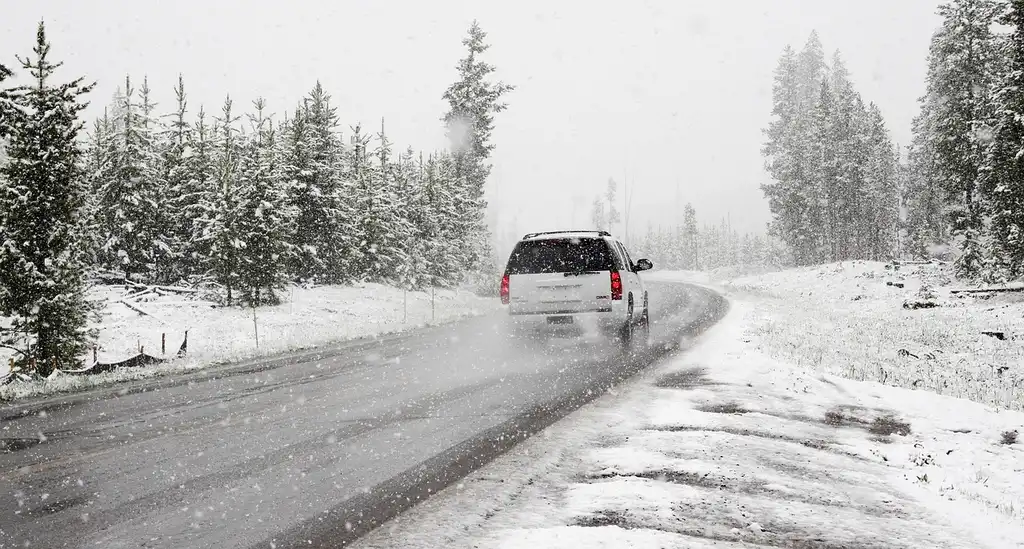
Rinse road salt off car paint the same day you drive on salted roads, using a pressure rinse or a touchless wash bay when available, and clean the lower panels and wheel arches first. Left on paint, salt holds moisture and speeds corrosion, especially on chips, seams, and rocker panels. This guide covers a safe post-drive routine, when to choose a wash bay versus a home rinse, and how to clean the undercarriage without harming the finish.
Why road salt needs fast removal


Road salt is usually sodium chloride or calcium chloride, and it is there to lower the freezing point of water on the road. On a car, the same mixture can keep wetting paint and metal after the spray dries. That is why road salt is often the most corrosive thing your car meets in regular driving.
Salt and moisture can create a corrosive solution on paint and metal within 1-3 days. Clear coat can begin micro-etching after 1-2 weeks of salt-concentrated exposure, so a car that only looks dusty can still be under attack. The undercarriage is often the most exposed area and can be among the hardest to maintain, which is why cleaning visible panels alone may not be enough.
What you’ll need for safe salt removal
- Access to a pressure washer or a touchless wash bay
- Two buckets with grit guards, if you will wash by hand
- pH-neutral car shampoo
- Soft wash mitts and microfiber drying towels
- Wheel cleaner safe for your wheel finish
- Plastic wheel brush and soft detail brush for seams
- Rubber floor mats and a handheld vacuum for interior salt cleanup
- Plastic-safe de-icer residue cleaner for mats and thresholds
- Optional winter protection: paint sealant, ceramic coating, or carnauba wax
How do you remove road salt from car paint?
Start with the quickest safe rinse you can reach. The goal is to remove salt before it dries and concentrates on the clear coat, especially on lower doors, bumpers, and the rear of the car. If the car is heavily coated in slush or the temperature is dropping fast, a touchless wash is usually the simplest choice.
- Rinse the lower half first. Aim water at rocker panels, bumpers, and the lower doors before you touch anything else. Salt splash tends to settle there first, and removing the worst buildup reduces scratching later.
- Wash from top to bottom. Use pH-neutral shampoo and a clean mitt if the car is light enough for hand washing. Keep one pass per panel, then rinse the mitt often so salt grit does not drag across the clear coat.
- Dry the seams and edges. Use microfiber towels on door folds, emblems, mirror bases, and fuel-filler edges. Salt water left in seams can keep working long after the visible panel looks clean.
- Clean the wheels last. Wheel faces, lug areas, and behind-spoke pockets trap salty spray. Use a separate mitt or brush, because brake dust and road grit can scratch painted panels.
If the car has light salt dusting only, a quick rinse can be enough that day. If the car carries wet slush or crusty residue, a full wash is better because the salt load is higher and more likely to stick in seams.
Picture a hatchback that drove about 8 miles on treated roads after a snowfall. If the body only has a pale film but the wheel arches are wet, a pressure rinse on the lower panels and a touchless wash later that day is better than waiting for a warmer weekend.
How do you rinse the undercarriage and lower panels?
Rinse the undercarriage every time the car has seen salted slush, not just when the paint looks dirty. The undercarriage is the most salt-vulnerable area, and it is where trapped moisture lingers around suspension parts, brackets, fasteners, and brake lines. A rinse should reach wheel wells, inner sills, and the floorpan.
- Use a rinse lane or wand. If the wash bay has an underbody cycle, use it first. At home, sweep the spray across wheel wells, rocker panels, and the center underside with a wide fan pattern, not a tight jet.
- Work slowly on lower panels. Move the spray from the rear wheel arch forward, then repeat on the other side. This helps lift slush from seams and shields without blasting one spot for too long.
- Flush wheel arches again. Salt cakes into liners and behind mud flaps. A second pass there is useful because the first pass often loosens debris that the second pass removes.
- Dry visible spray zones. Wipe the lower door edges, fuel door, and hatch lip after rinsing. Those areas often keep dripping salty water onto paint and trim.
Suppose the car came home with packed slush around the rear arches. A simple bucket wash will miss the hidden buildup, but a rinse that reaches the undercarriage and wheel wells can remove the salt before it hardens into a crust.
Is it safe to use a pressure washer to remove road salt?
Yes, when it is used as a rinse tool rather than a cutting tool. A pressure washer is recommended for quickly removing road salt from a car, and it works especially well for wheel wells and lower panels. Keep the nozzle moving, use a wide spray pattern, and avoid close-range blasting at badges, seals, and chipped paint.
- Set a fan tip. Use a wide-angle nozzle rather than a pinpoint jet. That lowers the chance of lifting trim edges or forcing water into weakened seals.
- Keep distance from paint. Hold the wand back enough that the spray spreads before it reaches the panel. The goal is to rinse salt away, not strip contaminants with force.
- Stay off damaged edges. Do not linger on chips, peeling clear coat, or rust bubbles. Those spots need gentle rinsing, then drying, so water does not sit in the defect.
If you only have a pressure washer and no heated bay, rinse the dirty areas first and then drive a few miles if roads are clear enough to shake water loose. That is often better than letting salt water sit on a driveway in freezing weather.
Winter salt removal decision table
| Scenario | Safest wash method | Rinse undercarriage? | Skip DIY when… |
|---|---|---|---|
| Light dusting | Quick hose rinse or touchless wash | Yes, if roads were salted | Temperatures are below freezing and hoses will ice up |
| Wet slush | Touchless wash or pressure rinse first, then hand wash if weather allows | Yes | Slush is freezing on contact or the car is too dirty for safe hand washing |
| Frozen salt crust | Heated wash bay or touchless wash with underbody cycle | Yes | You would need to chip or scrape at the crust |
| Repeated salt exposure | Car wash membership with frequent rinses | Yes, every visit | You cannot wash within 48 hours of significant exposure |
| Salt plus stone-chip damage | Gentle rinse, then paint correction or touch-up planning | Yes, but avoid high pressure on chips | Bare metal is visible or rust is forming |
A car wash membership is useful when winter means frequent salt spray and little free time. In places with heated bays or automatic access, it makes repeated rinses practical instead of rare. The point is not a perfect finish. It is fast salt removal before the residue hardens.
Common mistakes that leave salt behind
One common mistake is washing only the visible panels. Salt hides in wheel wells, door seams, rocker panels, and the undercarriage, so a clean hood can still leave the worst corrosion risk untouched. Another mistake is parking a salt-covered car in a warm garage and assuming that is helpful; heat can speed corrosion if the salt is still on the vehicle.
- Do not wait a week to wash after a salty drive.
- Do not use a narrow pressure stream at close range on paint.
- Do not scrub frozen salt with hard plastic tools.
- Do not forget lower panels and the rear of the car.
- Do not leave wet floor mats or door sill residue inside.
How often should you wash? During active salt season, the suggested minimum wash interval is every 1-2 weeks, and within 48 hours of significant salt exposure is better. If the car has seen daily salted roads, shorter intervals make more sense than waiting for a spotless weather window.
For protection, paint sealant can last 3-6 months, while carnauba wax typically lasts only 4-8 weeks in harsh winter conditions. Ceramic coating can already be on the car before winter and usually outlasts wax. Oil-based undercoating is different: it is an annual reapplication item that can penetrate existing rust and displace moisture, but it does not replace washing.
Frequently asked questions
How often should I wash my car in winter to remove salt?
Wash within 48 hours of significant salt exposure, then keep to every 1-2 weeks during active salt season if the roads stay treated. If the car picks up wet slush repeatedly, shorten that interval. The undercarriage matters every time, not only on deep-clean days.
Can road salt damage car paint if it sits for a few days?
Yes. Salt and moisture can create a corrosive solution on paint and metal within 1-3 days, and clear coat can begin micro-etching after 1-2 weeks of salt-concentrated exposure. Chips, seams, and lower panels are the first places to watch.
How do I remove road salt from vehicle without scratching paint?
Use a rinse first, then a clean mitt with plenty of lubrication if hand washing is possible. Work top to bottom, rinse mitts often, and keep separate tools for wheels. A touchless wash is better than a rushed hand wash if the car is too dirty or the weather is freezing.
Should I wash the undercarriage when removing road salt?
Yes. Clean the undercarriage, not only visible paint. The undercarriage is the most exposed area and the hardest to maintain, and it holds salt spray where you cannot easily see it. A wash bay underbody cycle or a careful rinse wand is the right move.
Is heated garage storage bad for a car covered in road salt?
Yes, if the salt is still on the car. Warm air can speed the corrosion process by keeping moisture active around the salt. If the car must go into a heated garage, rinse it first or at least flush the lower panels, wheel wells, and undercarriage.
What should I do after driving on salted roads?
Rinse the lower half of the car the same day, then clean the undercarriage, wheel arches, and visible panels before parking for the night. If a full wash is not possible, a touchless wash or quick pressure rinse is still better than leaving salt to dry on the car.

Hi, I’m Melvin, an automobile engineer with extensive experience in automobile equipment. I currently work for a local automobile firm, where I specialize in the car parts industry. I’ve had the opportunity to collaborate with seasoned inspectors, gaining invaluable hands-on experience that goes beyond just theory.
My passion for automotive care started at a young age, which led me to create CarSpareCare. Through CarSpareCare, I share the knowledge and skills I’ve acquired over the years to help others navigate the world of car maintenance and repairs.
My goal is to provide practical tutorials, essential safety advice, and the latest industry insights so that anyone—whether a beginner or an expert—can confidently tackle their automotive projects.

