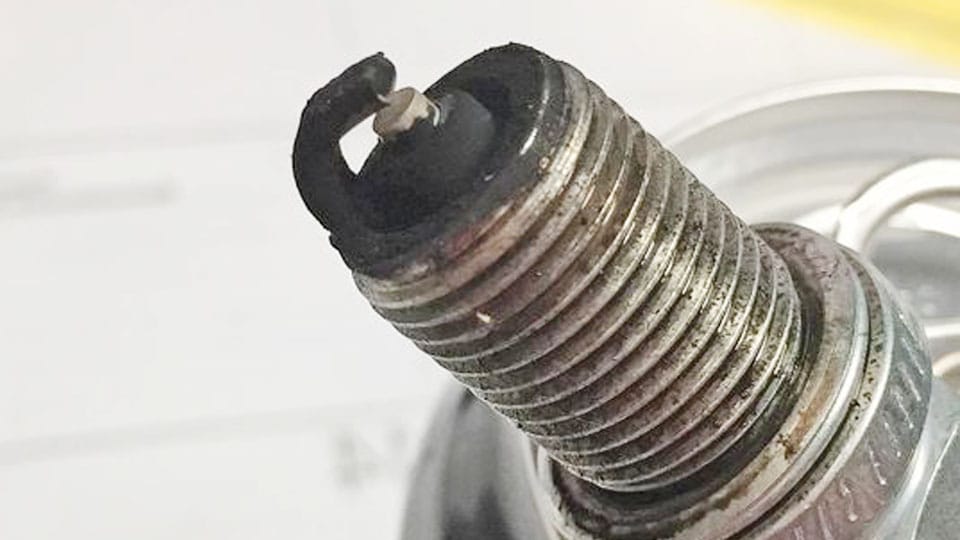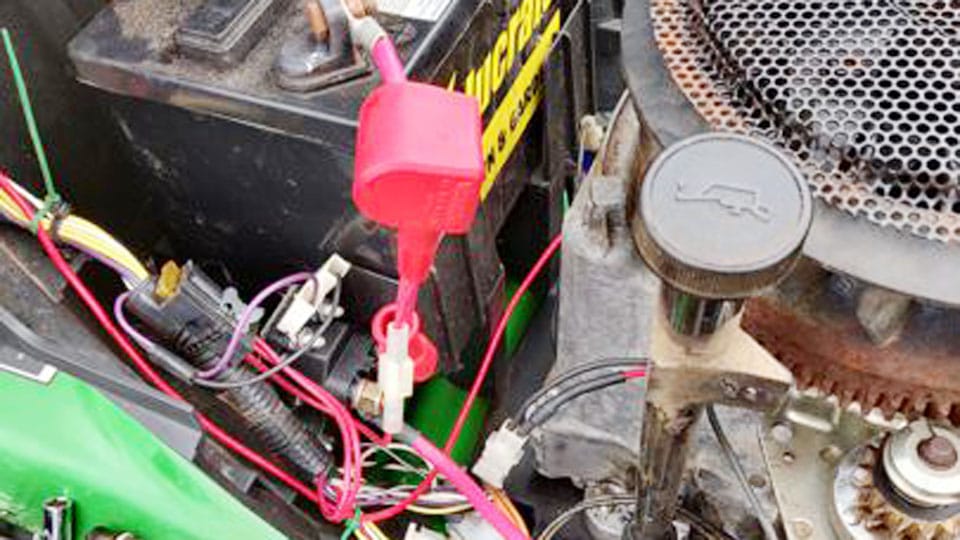
Yes, but only if the deposits are light and dry, and the electrode, insulator, and gap still pass inspection. Any cracking, heavy fouling, rounded electrodes, or a widened gap usually means the plug should be replaced. Reusing a worn plug can cause misfires, hard starting, poor fuel economy, and damage to the ignition system. This guide covers the go/no-go checks for gasoline engine and small-engine spark plugs, plus when cleaning is enough and when replacement is the safer choice.
When to clean versus when to replace
Sometimes, yes. Cleaning can return a serviceable plug to use when fouling is light and dry, but it cannot fix wear, cracking, heat damage, or an out-of-spec gap. Base the decision on condition, not on whether the plug looks cleaner after the work.
Light dry carbon on a plug that still has sharp electrode edges and a correct gap is different from oil fouling or white, chalky deposits. Those heavier deposits often point to an engine issue that cleaning will not fix.
Spark plug reuse decision table
| Plug condition | Likely cause | Clean-and-reuse verdict | Replacement verdict |
|---|---|---|---|
| Light dry soot | Short-trip use, mild carbon buildup, or slightly rich running | Usually reuse if the electrode, insulator, and gap still pass inspection | Replace if the soot returns quickly or the gap is out of spec |
| Oily fouling | Oil burning, worn rings, valve guide wear, or oil ingress | Usually do not reuse unless the plug cleans fully and the oil source is fixed | Replace if oil remains on the tip or fouling comes back |
| White or chalky deposits | Overheating, wrong heat range, lean mixture, or coolant-related contamination | Do not rely on cleaning alone | Replace and check the engine condition behind the deposits |
| Rounded electrodes | Normal wear and erosion over time | No, because the spark path has changed | Replace |
| Cracked insulator | Impact, thermal shock, or installation damage | No | Replace immediately |
| Melted tip | Severe overheating, pre-ignition, or wrong heat range | No | Replace and inspect for engine damage |
| Incorrect gap after cleaning | Wear, bent electrode, or improper handling | No if the gap cannot be set to spec | Replace if adjustment is not stable or the electrodes are worn |
| Repeated misfire after cleaning | Underlying fuel, ignition, compression, or cooling issue | No, not until the root cause is found | Replace after diagnosis if the plug still fails inspection |
Ford of Franklin says spark plugs are not designed to be cleaned and reused, while other maintenance sources allow inspection and cleaning in limited cases. The practical middle ground is simple: clean only if the plug is still structurally sound and the fouling is light.
If a small engine plug has the specified gap and the tip has a light gray film after storage, it may still be reusable. If the electrodes are still square and the insulator is intact, cleaning may be enough. If the same plug shows oil wetness or a rounded center electrode, it is out of the reuse zone.
How do you clean and reuse spark plugs?
Remove the plug carefully, clean off only the deposits that lift without force, then inspect the plug again before reinstalling it. The aim is not to restore a worn plug. It is to decide whether a sound plug is still fit for service.

Remove the plug without damaging the boot or wire
Pull the spark plug boot by the boot itself, not by the wire. A torn boot, loose terminal, or damaged wire can mimic plug trouble because it weakens spark delivery even when the plug is usable.
- Let the engine cool fully.
- Disconnect the boot by gripping the boot body.
- Use the correct plug socket or wrench so the hex is not rounded.
- Keep dirt out of the cylinder head opening.
Clean only the deposits that can be removed safely
Remove loose carbon, soot, or grime without grinding into the metal or chipping the ceramic. Dry carbon is the easiest deposit to clean. Oily fouling and white crust are warning signs, not cleaning targets.
A common first-time mistake is scrubbing a plug until the center electrode looks shiny, then assuming it is good to go. If the cleaning process bends the ground electrode or strips away material, the plug may be worse than before.
Check the plug again before reinstalling it
Look for cracks, burned spots, rounded edges, and a gap that still matches the manufacturer’s spec. The spark plug gap is the small space between the center electrode and the ground electrode, and you should check it after cleaning.
What to inspect before reusing a plug
- Center electrode wear: look for rounding, pitting, or recession.
- Ground electrode shape: check for thinning, burning, or bending.
- Insulator: reject any plug with cracks, chips, or heavy glazing.
- Threads and sealing washer: inspect for damage that could affect seating or sealing.
How a Car Works says spark plug condition can reveal engine faults, and that matters here. If the plug shows repeat fouling after a short period, cleaning is only hiding a larger problem.
Does the spark plug gap still meet spec?
The gap must match manufacturer spec after cleaning. If it is too wide, the ignition event can weaken; if it is too narrow, the spark can be weak or inconsistent. Incorrect gapping can cause difficulty starting, misfiring, and rough idling.
Cleaning does not reset a worn gap. As the electrodes erode, the gap can drift wider, and a plug that once worked well may no longer fire reliably. If the gap cannot be brought back to spec without forcing the electrodes, replace the plug.
Small-engine gap ranges and OEM specs
A common small-engine gap range is about 0.020 to 0.030 inches, but that is only a general reference. Use the exact manufacturer spec first. The plug needs to match the engine, not a broad average.
Suppose a mower keeps stalling at idle after the plug is cleaned. If the gap is still within spec but the plug fouls again in one mowing session, the issue is likely fuel mixture, ignition strength, or engine condition rather than dirt on the plug alone.
Heat range and plug type matter
The wrong heat range can contribute to fouling or overheating. A plug that runs too cold may load up with deposits; a plug that runs too hot can overheat, glaze, or even damage the tip. OEM recommendation matters more than generic fitment.
Copper vs platinum vs iridium reuse decisions
Conventional copper spark plugs are typically replaced every 20,000 to 30,000 miles, and they are the most practical candidates for limited cleaning because they are built for shorter service life. Platinum spark plugs may last up to 60,000 miles or more, and iridium spark plugs are often rated to last up to 100,000 miles or more.
That longer life changes the reuse math. Platinum and iridium plugs often cost more because they are meant to last longer, so repeated cleaning is less attractive when the electrodes are already worn. Lou’s Car Care says copper spark plugs usually last around 30,000 miles, while platinum and iridium spark plugs can last around 100,000 miles.
Why long-life plugs are often replaced instead of cleaned again
Platinum and iridium plugs can handle long service intervals, but cleaning them repeatedly does not restore a worn center electrode or a damaged ground electrode. Once wear or gap drift shows up, replacement is usually the better call.
How a Car Works says to check and clean spark plugs every 5,000 miles and replace them after 10,000 miles, while Lou’s Car Care says cleaning spark plugs is possible but generally not recommended. Those recommendations are stricter than many owner manuals, which is why the plug’s condition should drive the decision. (Howacarworks)
What does repeat fouling say about the engine?
Repeat fouling is a diagnosis clue. If a cleaned plug fouls again, the engine is telling you that the real fault is still present. Common causes include oil leaks or oil burning, a rich fuel mixture, weak ignition, and cooling problems that create heat damage or deposit buildup.
Oil leaks and oil burning
Oily deposits usually point to oil entering the combustion chamber. Cleaning a plug with oil fouling may get it firing briefly, but the fouling will return until the oil source is corrected.
Rich fuel mixture or weak ignition
Black, dry soot often points to excess fuel, weak spark, or too much idling and short running time. That is why a cleaned plug that fails again is useful as evidence. It may be telling you to inspect the carburetor, injector, choke, coil, or plug wire.
Cooling issues and overheating
White or chalky deposits can point to overheating, cooling problems, or the wrong heat range. If the tip looks burned or glazed, cleaning is not the answer. The engine may need airflow, mixture, or timing checks first.
When the boot, wire, or coil is the real fault
The plug can be blamed for a bad ignition event when the boot, wire, or coil is actually weak. Check the boot for carbon tracking, cracks, looseness, or heat damage before assuming the plug failed.
Frequently asked questions
Can you reuse spark plugs if you clean them?
Yes, but only when the fouling is light and the plug still passes a hard inspection. The electrode must not be rounded or burned, the insulator must be uncracked, and the gap must still match spec. If any of those checks fail, replacement is the safer choice.
Can fouled spark plugs be cleaned and reused?
Light dry carbon fouling can sometimes be cleaned off and the plug reused. Oil fouling, white chalky residue, or repeated fouling usually means the engine has a separate fault that cleaning will not solve. In those cases, the plug may be a symptom, not the cause.
When is a cleaned spark plug still safe to reuse?
A cleaned plug is still safe to reuse when the center and ground electrodes are sharp enough to retain a stable gap, the ceramic is intact, the threads are sound, and the plug fires cleanly after inspection. If the gap is off, or the plug shows heat damage, replace it.
Which spark plug damage means replacement instead of cleaning?
Cracked insulators, melted tips, rounded electrodes, burned ground straps, and damaged threads all mean replacement. Those faults affect spark quality or sealing, and cleaning cannot restore the missing material. A plug with visible structural damage should not go back into service.
How often should spark plugs be replaced instead of reused?
Replacement timing depends on plug type and condition. Condition still decides the final call.

Hi, I’m Melvin, an automobile engineer with extensive experience in automobile equipment. I currently work for a local automobile firm, where I specialize in the car parts industry. I’ve had the opportunity to collaborate with seasoned inspectors, gaining invaluable hands-on experience that goes beyond just theory.
My passion for automotive care started at a young age, which led me to create CarSpareCare. Through CarSpareCare, I share the knowledge and skills I’ve acquired over the years to help others navigate the world of car maintenance and repairs.
My goal is to provide practical tutorials, essential safety advice, and the latest industry insights so that anyone—whether a beginner or an expert—can confidently tackle their automotive projects.