
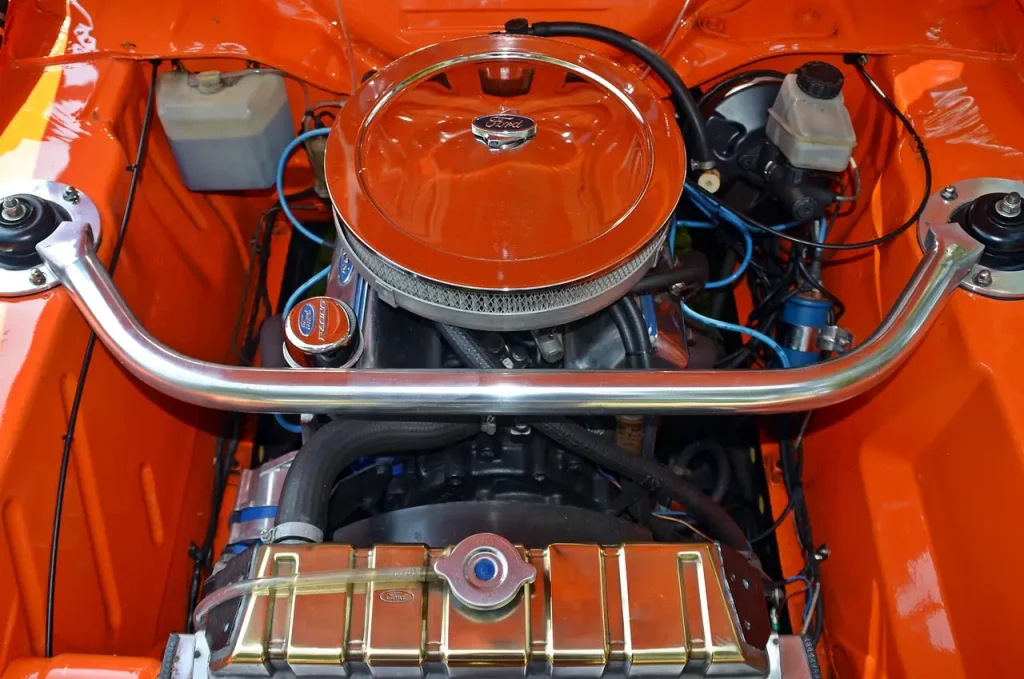
Replace an engine air filter by opening the airbox, checking how the old filter is oriented, removing it, cleaning the housing, and installing the new one so the seal seats fully. Follow the service interval in the owner’s manual, or replace it sooner if the filter is dirty, damaged, or contaminated. A poor fit can create intake leaks, rough idle, reduced power, check-engine lights, or intake noise. This guide shows the swap and the checks that help prevent post-service drivability problems.
Why does the engine air filter matter?


The engine air filter keeps dirt, debris, insects, and other contaminants out of the engine. It sits inside the airbox or air cleaner housing near the engine, where incoming air passes through it before reaching the intake. Standard paper filters are usually replaced, not washed, because cleaning can damage the media.
When the filter loads up with debris, airflow drops. A dirty filter can hurt fuel economy and throttle response, while a damaged or poorly seated filter can create unmetered air leaks and noise.
What will you need before you start?
- New replacement filter that matches the vehicle’s year, make, model, and engine
- Owner’s manual for the factory service interval and fitment notes
- Screwdriver, socket, or no tools, depending on the housing
- Clean shop towel or rag
- Flashlight
- Vacuum or compressed air for loose debris around the housing, used carefully
How do you decide whether to replace the filter?
Use the filter’s condition, the owner’s manual, and the driving environment together. A light color change is not the same as damage. A torn seal, missing edge, heavy debris load, or housing contamination matters more than surface color alone.
| Filter appearance | Driving condition | Next action |
|---|---|---|
| Lightly discolored but intact paper filter | Normal commuting, no loss of power | Leave it if the owner’s manual interval has not been reached; recheck at the next service |
| Visible dust across much of the media | Dusty roads or construction areas | Inspect the airbox, then replace if airflow looks restricted or the manual interval is near |
| Leaves, bugs, rodent debris, or loose dirt in the housing | Any driving condition | Clean the housing and replace the filter if contamination reached the sealing surface |
| Damaged seal, torn edge, or warped frame | Any driving condition | Replace now; do not reinstall a filter that cannot seal correctly |
| Post-install check shows the lid will not latch fully | After service | Remove the filter and reseat it before driving |
| Engine idles normally after reassembly | After service | Leave it and note the mileage for the next interval |
When should you replace the engine air filter?
Check the owner’s manual first, because the manual is the vehicle-specific source for fitment and service timing. A common engine air filter interval is about 12 months or 12,000 miles, although some schedules use 15,000 to 30,000 miles. Severe dust, pollen, or construction exposure can justify earlier inspection.
Why the owner’s manual comes first
Some engines tolerate longer service, while others need earlier changes because of intake design, turbo packaging, or local dust. Use the manual before a generic mileage rule, and rely on the filter’s actual condition when the schedule and real-world use do not match.
When severe driving shortens the interval
Inspect more often if you drive on dirt roads, through construction areas, in heavy pollen, or in polluted air. If the filter looks loaded before the interval, replace it. A filter that is visibly dirty, damaged, or contaminated is past the point of waiting for a number alone.
How do you replace the engine air filter?
Open the airbox, check how the old filter sits, and install the new filter in the same orientation so the frame and seal sit flat. The housing must close fully and seal correctly. Some airboxes use screws, clips, wing nuts, or quick-release fasteners, and others use latches or clamps instead.
Step 1: Locate the airbox
-
Locate the airbox.
Find the air cleaner housing near the engine and release the fasteners that hold the lid. A newer fuel-injected car often uses a square or rectangular housing, while older carbureted layouts may use a bulky round cover.
(Wikihow) -
Lift the lid carefully.
Open the housing without dropping dirt into the intake side. If the lid resists, check for hidden screws or clips before forcing it. -
Remove the old filter.
Pull the filter straight out and note which side faces up. Keep loose debris from falling into the lower half of the airbox. -
Clean the housing.
Wipe out leaves, insects, and loose dirt from the box and sealing ledge. Remove anything that could prevent the new filter from sitting flat. -
Inspect the intake side.
Check the Mass Air Flow sensor, if fitted in the duct or housing, for dirt or oil film. Also inspect the gasket, ducting, and clip points for damage. -
Install the new filter.
Set the replacement filter in place and match its year, make, model, and engine exactly. Push it down until the frame sits evenly all the way around. -
Close and verify the lid.
Refit the cover and secure every latch, screw, clip, wing nut, or quick-release fastener. The lid should close fully with no gaps, then the engine should idle normally after startup.
For example, a 2024 Honda CR-V may have a housing with two metal clips and a rectangular panel filter. If one corner of the filter frame is folded under the lid, the cover may latch, but the seal can be open on that corner. That can invite unmetered air and a rough idle.
What should you inspect inside the airbox?
Look beyond the filter itself. The housing can hold leaves, rodent nesting material, loose dirt, and a dirty sealing edge. The Mass Air Flow sensor also deserves a quick check when the box is open, because dirt or oil contamination can affect airflow readings.
Dirty housing and loose debris
If you find debris in the lower half of the box, clean it out before installing the new filter. Any material left inside can shift into the intake side or keep the filter from sealing flat.
Mass Air Flow sensor and seals
Inspect the MAF sensor body and connector area for dirt or oil. Also check the perimeter seal on the airbox lid and the filter frame. A damaged gasket can allow intake leaks even when the filter itself is new.
Latches, clips, screws, and gasket fit
Different housings close in different ways. Make sure every fastener seats fully, and check that the gasket is not pinched or rolled out of place. A lid that almost closes is not closed enough.
Can a dirty filter cause drivability problems?
Yes, but the effect depends on how restricted it is. A heavily loaded filter can reduce airflow enough to affect throttle response and fuel economy. A dirty filter can also make intake noise more noticeable, while a poor seal can create the same symptoms by letting air bypass the filter path.
When restriction becomes a problem
If the engine feels lazy at higher load, the filter is packed with debris, or the housing was reassembled with a leak, the issue can move from cosmetic to drivability. A poor seal can mimic a dirty filter because unmetered air changes how the engine runs.
When visual discoloration is still normal
A tan or gray surface on a paper element is not proof of failure. If the media is intact, dry, and seated correctly, and the engine idles normally after reassembly, the right move may be to leave it until the next interval.
What are the most common mistakes?
- Using the wrong filter size or engine application
- Installing the filter with the frame twisted or not fully seated
- Reusing a standard paper filter that should have been replaced
- Leaving leaves, dirt, or rodent debris inside the airbox
- Ignoring a dirty or oily Mass Air Flow sensor
- Closing the lid without checking every latch, clip, or screw
- Starting the engine before confirming the airbox seal is even all the way around
A common first-timer mistake is to focus only on the filter media and miss the housing edge. If the lid binds on one corner, reopen it and inspect the gasket before driving.
Prevent problems by comparing the new filter to the old one before installation, then recheck the lid after startup and make sure the idle stays steady.
Frequently asked questions
How do you install an engine air filter?
Open the airbox, remove the old element, clean the housing, and set the new filter in the same orientation as the old one. Refit the lid and make sure every fastener is fully closed. If the cover does not sit flat, stop and reseat the filter before driving.
How do you change an engine air filter in a car?
Find the air cleaner housing near the engine, release the lid, and swap the element for one that matches the exact vehicle application. Afterward, inspect the box for dirt and check that the engine idles normally. A small flashlight helps you spot debris and seal problems.
How often should you replace an engine air filter?
Follow the owner’s manual first. If the filter is visibly damaged or the housing is full of debris, replace it sooner.
What tools do you need to replace an engine air filter?
Some housings need only your hands, while others use a screwdriver or socket. Check the fastener type before starting so you do not strip a clip or screw. A clean rag and flashlight are useful, especially on tight turbocharged layouts where access is limited.
How do you know if an engine air filter is bad?
Look for torn media, a warped frame, damaged seals, or heavy debris that blocks the pleats. A filter can also be too dirty if the engine loses throttle response or the airbox will not seal correctly after reassembly. Light discoloration alone is not enough.
How do you change an engine air filter on a 2024 Honda CR-V?
Use the owner’s manual for the exact housing layout, then release the clips or screws on the rectangular airbox cover. Remove the old filter, clean the box, and install the new one so it sits flat. Recheck the lid because a poor seal can cause intake noise.
How do you change an engine air filter on a 2022 Chevy Equinox?
Locate the air cleaner housing near the engine bay, release the lid fasteners, and replace the element with the correct Equinox fitment. Inspect the box for loose dirt and check the MAF sensor area before closing. Make sure the cover latches fully before restarting the engine.
How do you change an engine air filter on a 2017 Chevy Cruze?
Open the airbox, check the filter’s orientation, and swap in the exact Cruze application. Because compact engine bays can be tight, check the ducting and lid seal carefully before tightening or clipping the cover. A steady idle after startup is the final check.
How do you change an engine air filter on a 2025 Honda CR-V hybrid?
Start with the owner’s manual, since hybrid packaging can change access and fastener style. Open the air cleaner housing, replace the filter with the exact year, make, model, and engine match, and verify that every clip or latch closes fully. Recheck for leaks at idle.

Hi, I’m Melvin, an automobile engineer with extensive experience in automobile equipment. I currently work for a local automobile firm, where I specialize in the car parts industry. I’ve had the opportunity to collaborate with seasoned inspectors, gaining invaluable hands-on experience that goes beyond just theory.
My passion for automotive care started at a young age, which led me to create CarSpareCare. Through CarSpareCare, I share the knowledge and skills I’ve acquired over the years to help others navigate the world of car maintenance and repairs.
My goal is to provide practical tutorials, essential safety advice, and the latest industry insights so that anyone—whether a beginner or an expert—can confidently tackle their automotive projects.

