
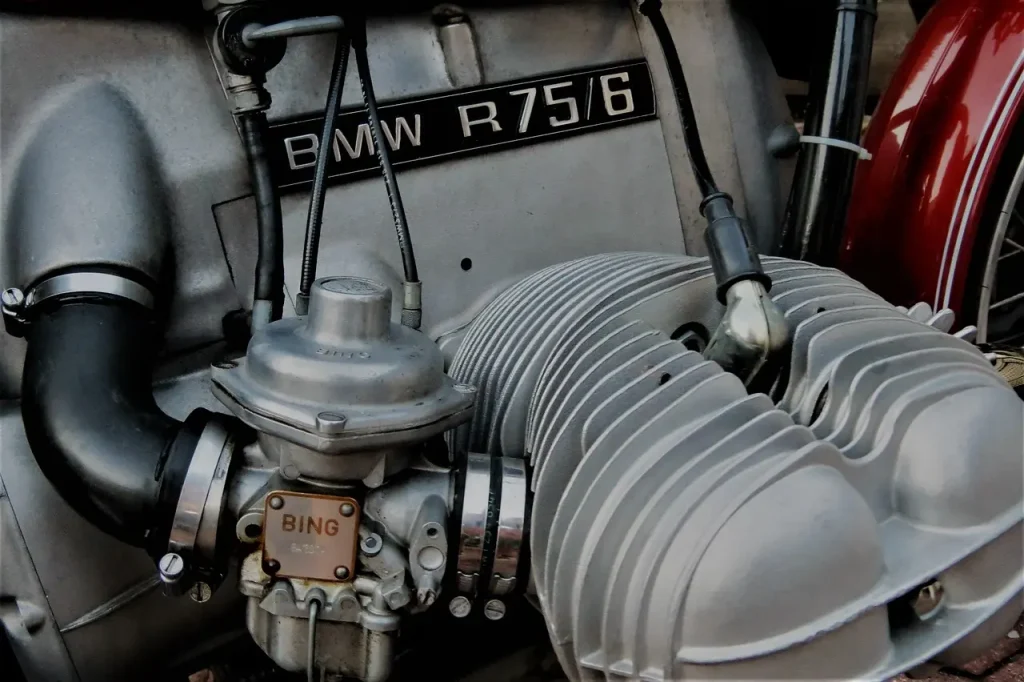
How to Replace Spark Plugs on a Cold Engine Safely
Replace spark plugs only when the engine is stone-cold; wait 2–3 hours after a drive. Avoid stripped threads, torn boots, and broken plugs.
Replace spark plugs only when the engine is stone-cold; wait 2–3 hours after a drive. Avoid stripped threads, torn boots, and broken plugs.
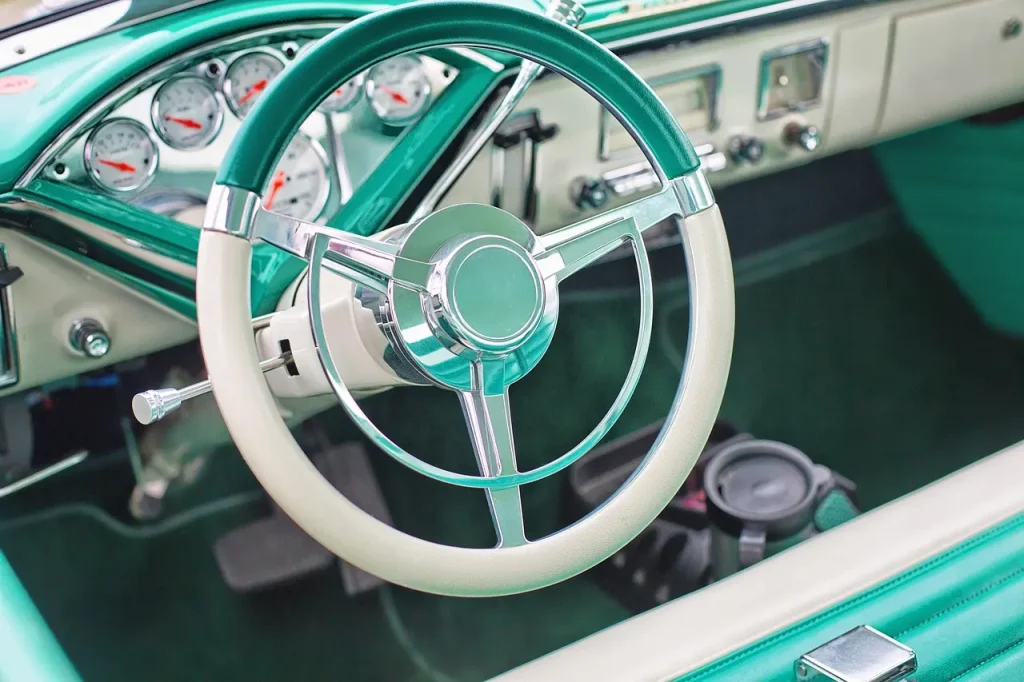
Check for damp and mold first, then vacuum, clean fabrics and vinyl, and dry the cabin fully before closing it up.
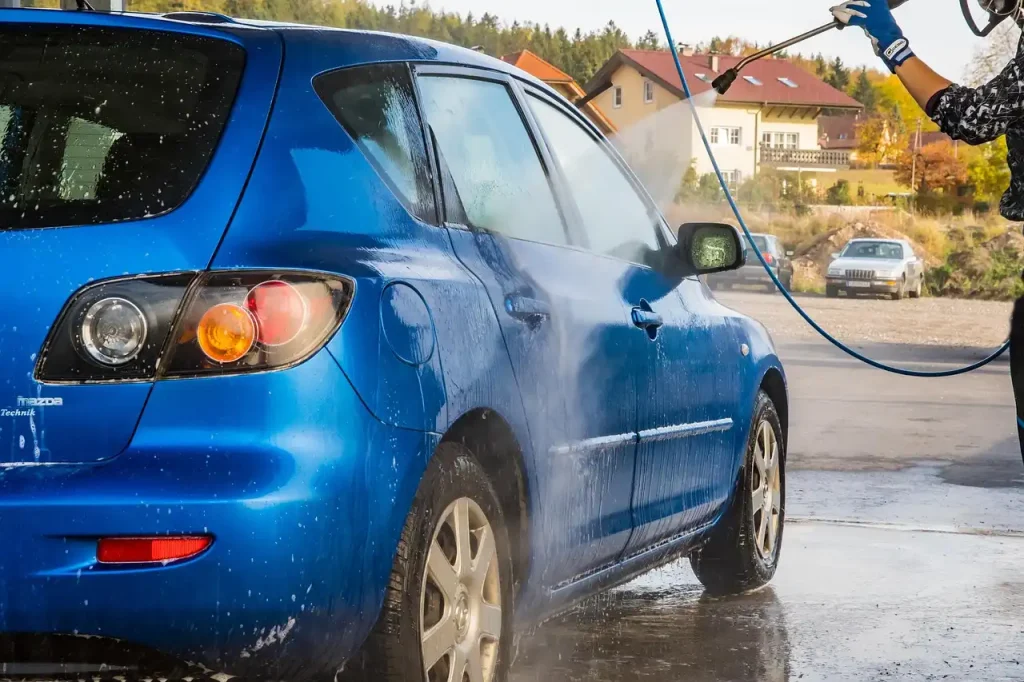
Use wax, sealant, or ceramic coating, plus proper washing, drying, decontamination, and parking habits, to keep paint cleaner for longer.
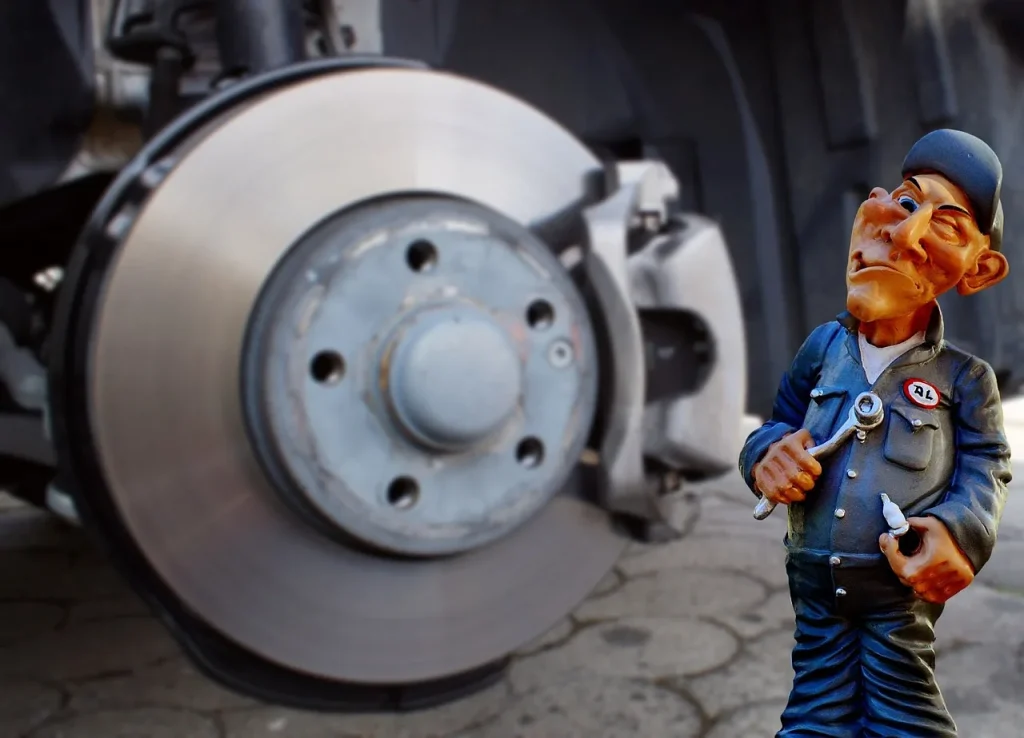
Inspect brake clips, pins, boots, shims, and bracket contact points for wear, corrosion, or binding, then clean or replace parts before reassembly.

Check a serviceable flooded lead-acid battery only when the plates are exposed or the electrolyte sits below the split ring, then top up with distilled water to the fill line.

Stop tightening immediately, remove the wheel, and inspect the stud and nut. Replace the stud before driving if the threads are stripped or cross-threaded.
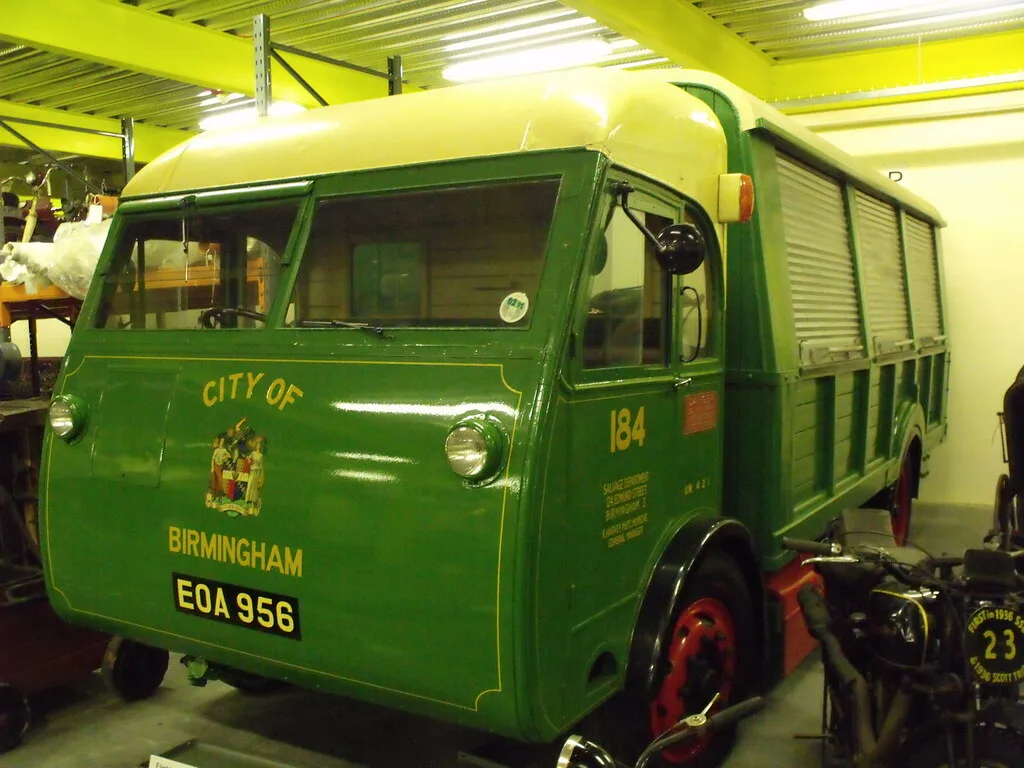
Use a storage-by-environment checklist for cars stored over 2 weeks, with fuel, battery, tire, and rodent-prevention steps for gas cars, hybrids, EVs, and classics.

Warm the engine until the valve cover is only warm to the touch, then remove plugs with the right socket, compressed air, and a gentle break-loose motion.

Diagnose the cause first: dirt, UV fade, worn coating, or surface damage. Then choose cleaning, trim restorer, repainting, or repair for a low-gloss finish.

A sinking pedal that drops under steady pressure points to a failing brake master cylinder. Includes a quick checklist for booster and hose faults.