
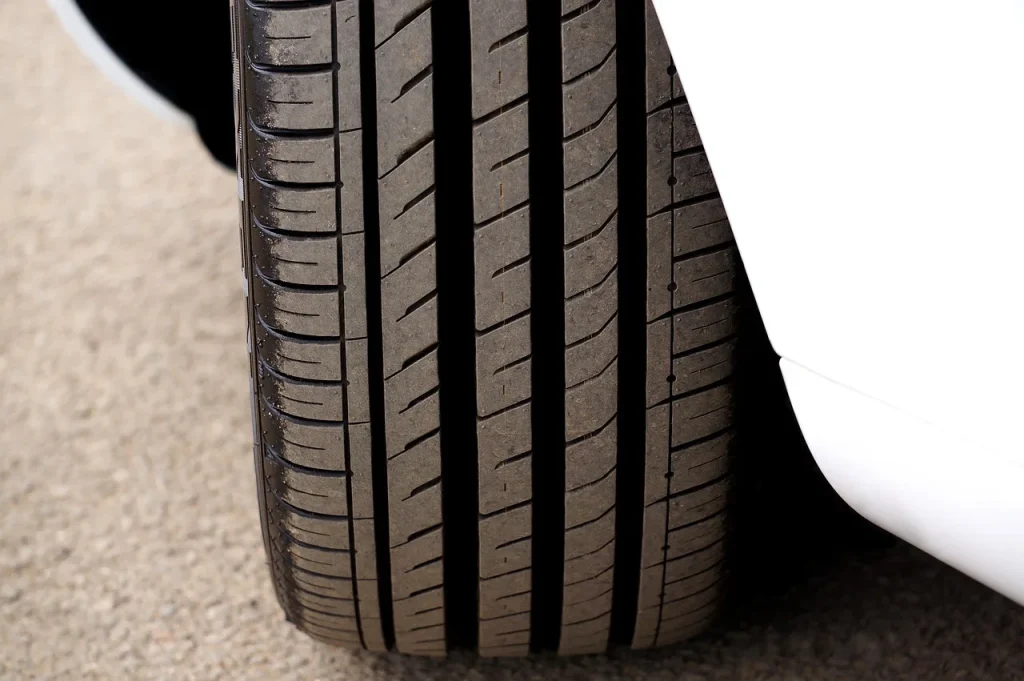
Why Does My Steering Wheel Shake Over Bumps?
Steering wheel shake over bumps usually means a loose joint, damaged tire, bent wheel, or worn suspension part, not simple wheel balance.
Steering wheel shake over bumps usually means a loose joint, damaged tire, bent wheel, or worn suspension part, not simple wheel balance.
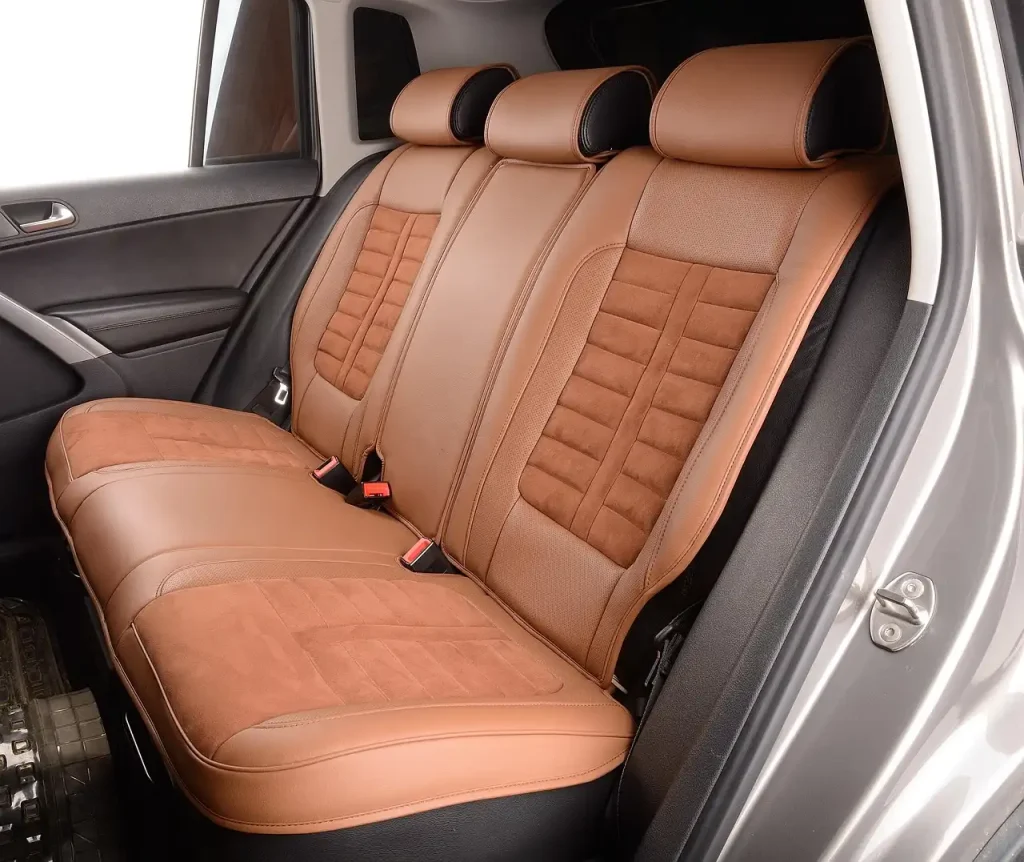
Vacuum fur, wash mats, clean odor sources, and ventilate the cabin so pet smell does not return when the car heats up.

Vacuum first, then clean rubber mats with mild soap and carpet mats with a 50/50 vinegar mix. Stop after two passes if white residue remains.

Choose wax for healthy paint and easy reapplication; choose ceramic spray for longer-lasting beading and easier upkeep on daily drivers.

Acceleration-only vibration usually points to drivetrain or engine-load faults, while steady-speed shake points to wheels, tires, or brakes.

Compare the spark plug’s stamped part number, box label, and physical details against the manufacturer catalog; mismatches mean suspect.

Wrong spark plugs can cause rough idle, misfires, harder starts, poor fuel economy, and catalytic converter damage. Learn how fit, heat range, and gap affect performance.
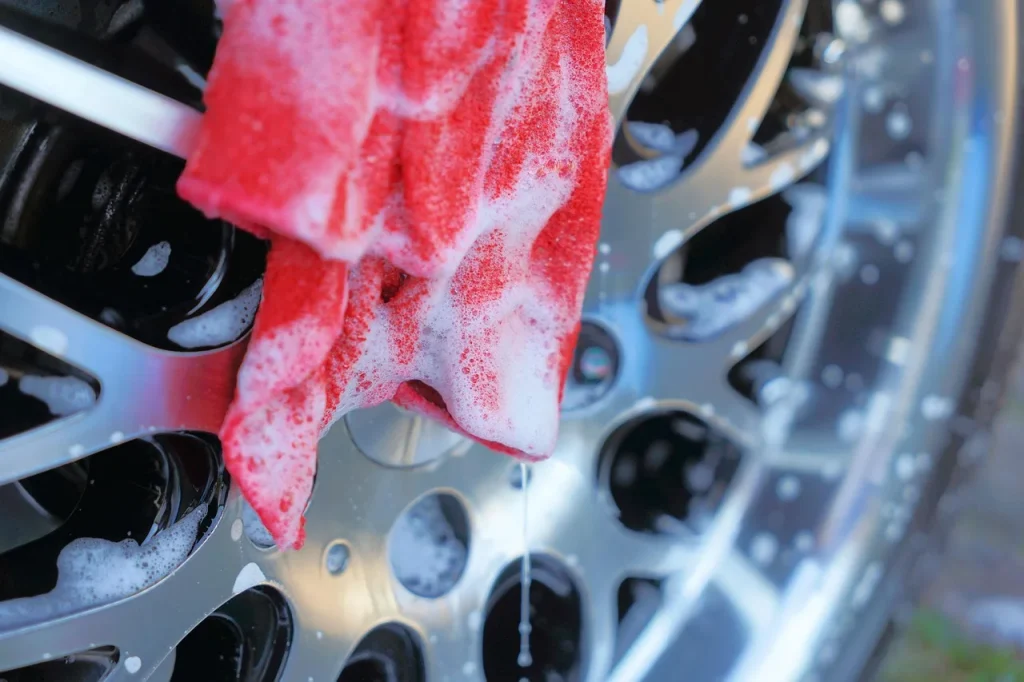
Choose a plush microfiber or lambswool mitt with a deep pile, sewn-in cuff, and no face seams to lower paint-safety risk.

Steering wheel vibration after a tire rotation usually points to wheel, tire, or lug-torque issues. Check balance, seating, and tire defects first.
A dead car battery is usually discharged, damaged, or drained by a fault. This guide shows the fastest checks for charging, alternator, and parasitic-draw problems.