A donut spare is a temporary-use spare tire. Drive at a reduced speed and for a limited distance on it, unless the sidewall or owner’s manual says less. Heat builds fast at higher speed, the tire flexes more, and the extra strain can turn a flat tire into a bigger repair bill. This guide shows how to read the limits, check whether the spare is safe, and decide when towing makes more sense.
What is a donut spare tire?

A donut spare tire is a temporary-use spare, also called a temporary spare or space-saver spare. It is smaller and narrower than a regular tire, with less tread and load capacity, so it is meant only to get you to a repair shop or another safe destination.
How a donut spare differs from a full-size spare
A full-size spare matches regular tires. A donut spare does not. That difference matters because the compact design helps it fit in the trunk or cargo area, but it also means the tire is built for short-term use, not normal driving. It usually changes the car’s ride height, handling balance, and braking feel.
Those limits are not random. Less air volume means less heat capacity, and the smaller contact patch leaves less rubber to carry load and absorb stress. That is why temporary spares carry stricter speed and distance limits than a standard tire.
Why compact spares have lower speed and load limits
Donut spares are built for emergencies. They are not built for long heat cycles, heavy loads, or repeated hard cornering. Higher speed increases flex and heat. Extra weight increases stress. Both raise the chance of failure.
📊 Donut spares usually have a lower speed limit of around 50 mph. Source: Can I Drive 100 Miles On A Donut?.
How far can you drive on a donut spare?

Most vehicle manufacturers recommend not driving more than 50-70 miles on a donut spare, and the exact limit depends on the vehicle and the spare’s own label. It is meant for short trips to a repair shop, not for commuting or day-long use.
Why your vehicle label matters more than a general rule
The posted limit on the sidewall, wheel sticker, or owner’s manual is the rule for your vehicle. Some cars allow less than the common 50-70 mile guidance. Wheel size, brake package, suspension setup, and drivetrain layout can all affect what is safe.
If the label says 50 miles, do not treat 70 miles as acceptable. If the manual gives a lower number, that lower number wins.
When distance should be shortened even further
Shorten the trip if the spare is underinflated, the road is hot, the route includes steep grades, or the car is carrying passengers and luggage. Stop using the donut sooner if handling feels loose, the tire starts to look hot, or the pressure warning appears again.
| Item to check | What to look for | Why it matters |
|---|---|---|
| Sidewall marking | Temporary-use or space-saver wording, size, and any speed or distance limit | Gives the vehicle-specific limit |
| Pressure label | Recommended cold inflation pressure for the spare | Underinflation raises heat and failure risk |
| Age and condition | Cracks, dry rot, bulges, cuts, or flat spots | Storage damage can make the spare unsafe before use |
| Tread and size | Shallow tread or a size that does not match the car’s temporary-spare spec | Wrong fit changes stability and braking |
| Load and drivetrain needs | Heavy cargo, AWD, or performance-car fitment limits | Some cars need extra caution or towing instead |
How fast can you drive on a donut spare tire?
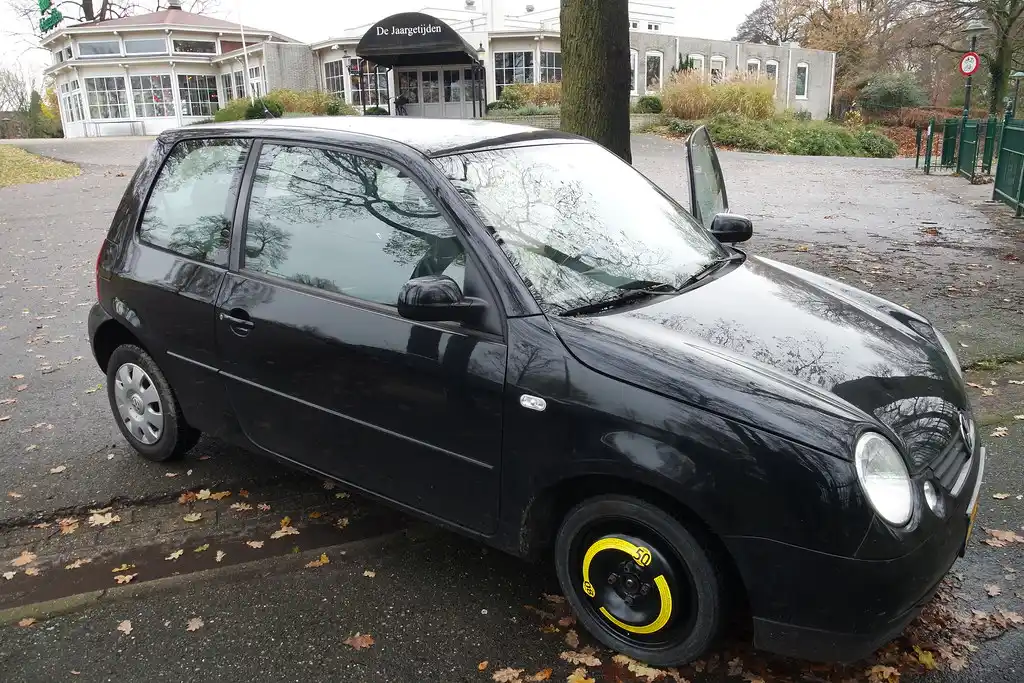
Donut spares usually have a lower speed limit of around 50 mph, or 80 km/h. That cap helps reduce heat buildup and lowers the chance of a blowout. Highway driving is a poor fit for a temporary spare because speed, lane changes, and long runtime all raise stress.
How speed adds heat and raises failure risk
At higher speed, the tire flexes more often and gets hotter. A donut already has less rubber and less capacity than a full tire, so it has less room for error. Exceeding limits can lead to a blowout.
Picture a 205/55R16 sedan with a space-saver spare mounted on one corner. A 15-minute surface-street drive to a tire shop is one thing. An hour at freeway speed in summer traffic is a different job for the tire, and it may no longer be a safe choice.
Why highway driving is a poor match for a temporary spare
Highways force long, steady speed and leave little margin for stop-and-go cooling. They also make it easier to exceed the limit without noticing. If the only route requires sustained high speed, towing is often the safer option.
Use the spare-tire checklist before you drive
Do not assume an unused spare is ready. Donut spares often sit for years in the trunk or cargo area, and storage age can matter as much as mileage. Check the tire itself, then decide whether it is safe to move the car.
Spare-tire checklist
- Find the sidewall marking, spare label, or handbook note that lists the size, pressure, and any speed or distance limit.
- Check tire pressure before moving off and inflate it to the specified cold pressure.
- Inspect the sidewall for cracking, bulges, cuts, or dry rot.
- Look for tread wear, odd wear spots, or visible damage to the wheel.
- Confirm the spare matches the vehicle’s temporary-spare specification and is not the wrong size.
- Check the load situation. If the car is heavily loaded or may need towing, stop and reassess.
What makes a donut unsafe before it even rolls
Deep sidewall cracking, visible cords, a bulge, or a flat spot are warning signs. So is low pressure that keeps dropping after inflation. A spare with severe aging or damage should not be treated as a safe backup just because it still holds air for a minute.
Can you drive on a donut in every vehicle?

No. Front-wheel drive, rear-wheel drive, all-wheel drive, and performance cars can all react differently to a temporary spare. The spare may still fit, but drivetrain mismatch, wheel-size differences, and stability-system calibration can make the car behave differently than expected.
Front-wheel drive and rear-wheel drive cautions
On front-wheel drive cars, the driven axle already carries more steering and power load. A donut on that axle can change traction and braking feel. On rear-wheel drive cars, a temporary spare at the rear can alter stability during acceleration and cornering.
All-wheel drive and performance-car cautions
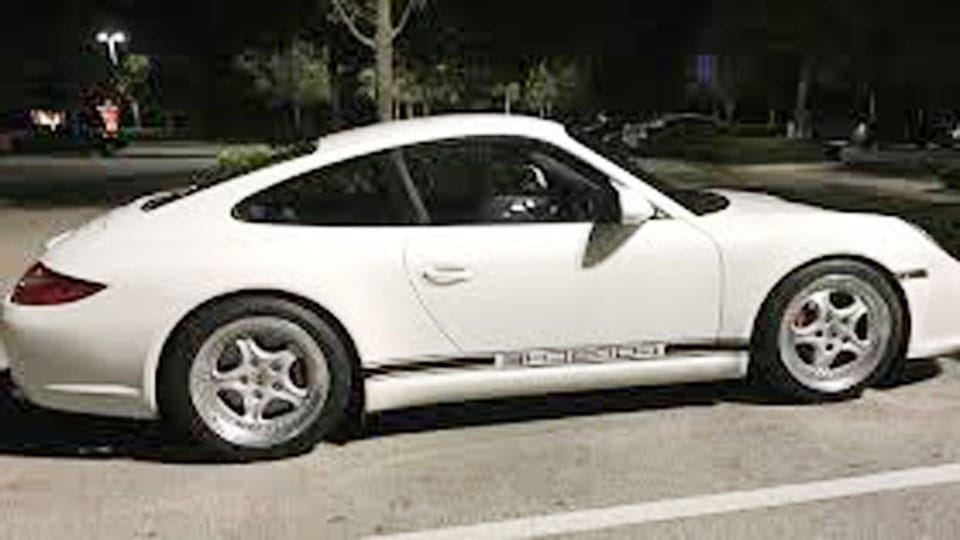
All-wheel drive can be more sensitive to tire-size differences because the system generally works best when the tires have similar rolling diameters at all corners. A mismatch can place extra stress on the center coupling or differential. Performance cars may also have wider tires, lower clearance, or brake packages that leave less room for a temporary spare.
A common first-time mistake is fitting a donut and then heading out as if the car still behaves normally. The dashboard may look fine, but the steering can feel lighter, braking can change, and the car may react more sharply in quick lane changes.
What should you do after fitting a donut spare?
Plan the shortest practical route to repair, drive gently, and replace the tire as soon as you can. Keep speed below the spare’s limit, avoid sudden moves, and treat the spare as an emergency measure only. If the tire fails the checklist, call for a tow instead of driving farther.
Route, load, and driving style
Choose roads that let you stay below the speed cap and avoid heavy traffic if possible. Leave extra room for braking. Skip steep detours, long highway stretches, and routes that force fast merges or repeated braking.
Avoid heavy loads and towing while using a donut spare. Extra weight increases stress and heat. Towing adds more strain than a temporary spare is built to handle.
When towing is the better call
Call for towing if the spare is underinflated and will not hold pressure, the sidewall is cracked or damaged, the wrong size is installed, or the car has AWD instructions that prohibit use of the donut in your situation. Towing is also the safer answer if the nearest shop is well beyond the spare’s limit.
What happens if you drive too far or too fast on a donut?
Driving too far or too fast on a donut raises tire temperature, increases wear, and can end in a blowout. It can also make braking longer, handling less stable, and steering less predictable. In some vehicles, extended use can stress drivetrain parts that were not meant for a temporary size mismatch.
Heat buildup and blowout risk
Distance and speed both add heat. Once the tire overheats, the structure weakens. That is why the limit is not only about tread wear. It is also about preventing sudden failure.
Why handling gets worse before the tire fails
Driving on a donut can affect handling, braking, and stability even when the tire still looks usable. The car may lean differently in turns, stop less predictably, and feel nervous on rough pavement. Sharp turns and hard braking are poor fits for that setup.
Is a donut spare the same as a full-size spare?
No. A full-size spare matches regular tires, while a donut spare is a temporary compact spare with lower limits. They are not interchangeable because the full-size wheel and tire are meant to behave like the others on the car, while the donut is meant to get you to repair.
Why the difference matters
A full-size spare can often stay on the car longer because it matches size, load, and handling much more closely. A donut cannot. If your vehicle has a full-size spare, the advice on speed and distance is different from temporary-spare guidance.
Frequently asked questions
Can I drive on a donut for a week?
No. A donut spare is not for daily driving or week-long use. It is a temporary emergency tire, and the safe plan is to reach a repair shop quickly, then return the car to normal tire match as soon as possible.
What happens if I drive too far on a donut?
Driving too far can overheat the tire, reduce stability, and increase the chance of a blowout. It can also make the spare wear out quickly and put extra strain on drivetrain parts, especially on vehicles that are sensitive to tire-size differences.
How do I know if my donut spare is safe to use?
Check the sidewall label, the vehicle handbook, inflation pressure, age, cracking, visible damage, and tread condition. If the tire is underinflated, cracked, bulged, or the wrong size, do not use it. If the car’s drivetrain rules make it a poor fit, tow the car instead.

Hi, I’m Melvin, an automobile engineer with extensive experience in automobile equipment. I currently work for a local automobile firm, where I specialize in the car parts industry. I’ve had the opportunity to collaborate with seasoned inspectors, gaining invaluable hands-on experience that goes beyond just theory.
My passion for automotive care started at a young age, which led me to create CarSpareCare. Through CarSpareCare, I share the knowledge and skills I’ve acquired over the years to help others navigate the world of car maintenance and repairs.
My goal is to provide practical tutorials, essential safety advice, and the latest industry insights so that anyone—whether a beginner or an expert—can confidently tackle their automotive projects.