

Car maintenance for new drivers starts with tire-pressure and fluid checks, a monthly lights-and-battery inspection, and a first kit built around a tire gauge, jumper cables, and a flashlight. Skipping these checks can lead to breakdowns, costly repairs, and unsafe braking, steering, or visibility. This guide gives a simple routine, safety priorities, and the first tools to buy.
New driver maintenance matrix


Use this matrix as your first-year routine. It separates urgent checks from jobs that can wait, and it keeps the schedule simple enough to repeat without workshop experience. If the car is used and the history is unclear, start with the manual and baseline checks before you assume anything is current.
| Task | Risk if skipped | Beginner difficulty | Exact check frequency | Do now / schedule / mechanic |
|---|---|---|---|---|
| Tire pressure | Poor grip, faster wear, longer stopping distances | Easy | Monthly, and before long trips; check when tires are cold | Do now |
| Tire tread and sidewalls | Higher chance of loss of control in wet weather | Easy | Monthly | Do now |
| Engine oil level | Engine damage if level runs low | Easy | Monthly, and before long trips | Do now |
| Coolant reservoir level | Overheating and possible engine damage | Easy | Monthly | Do now |
| Brake fluid level and condition | Reduced braking performance if the system has a fault | Easy to inspect, harder to diagnose | Monthly visual check | Schedule if low or dark; mechanic if warning light is on |
| Battery terminals | No-start problem from poor connection or weak battery | Easy | Monthly | Do now |
| Dashboard warning lights | Hidden faults can become breakdowns or safety risks | Easy to spot, not always easy to diagnose | Every drive | Mechanic for red lights; schedule for yellow or amber if the manual says to continue cautiously |
| Wiper blades | Bad visibility in rain, spray, or frost | Easy | Every 6 to 12 months, or sooner if worn | Schedule |
| Spare tire, jack, lug wrench | Flat tire leaves you stranded if the kit is missing or unusable | Easy | At the start of ownership, then twice a year | Do now |
| Oil, coolant, brake, or battery problems that show symptoms | Damage grows if you keep driving | Varies | Whenever symptoms appear | Mechanic |
First-year habit: spend 10 to 15 minutes on the full routine once a month. That is enough to catch the most common beginner problems before they turn into a tow.
What should you check first?
Start with tire pressure, tire condition, engine oil, and warning lights. Those four items tell you the most about immediate safety, and they are the easiest checks for a new driver to learn without special tools or training.
Tire pressure and tire condition
Check tire pressure monthly and when the tires are cold. Use the pressure listed on the driver’s door-jamb placard or in the owner’s manual, not the sidewall maximum. The sidewall number is not your target.
While you are there, look for cuts, bulges, embedded nails, and uneven wear. If a tire is visibly damaged or the tread is close to the legal limit, treat it as a safety issue rather than a cosmetic one.
Engine oil level and signs of trouble
Check engine oil with the dipstick on a cold engine or after a brief shutdown. The level should sit between the marks. Low oil means the engine may be running without enough lubrication, and milky oil can point to contamination that needs a mechanic.
Suppose the dipstick reads just under the lower mark after the car has sat overnight. That is a cue to top up with the correct grade from the manual, then recheck the level. If the oil looks foamy or milky, stop and get the car inspected.
Warning lights that need action
Red dashboard lights usually mean urgent action, such as oil pressure or overheating. Yellow or amber lights usually mean caution, but they still need a quick check in the owner’s manual. Do not guess at a symbol you do not recognize.
A common first-timer mistake is to keep driving after a red oil-pressure light flickers on for a few seconds. That light can mean engine damage is already starting, so it should be treated as a stop-now warning unless the manual gives a different instruction.
Which fluids matter most?
Coolant, brake fluid, and washer fluid matter most for a new driver’s first routine. Coolant helps prevent overheating, brake fluid relates to braking system condition, and washer fluid keeps the windscreen clear. Only one of them is truly simple to top up without extra judgment.
Coolant checks when cold
Check coolant in the reservoir only when the engine is cold. Never open a radiator cap on a hot engine. The coolant level should sit between the min and max lines on the reservoir.
If the level is below the minimum line, that is not a reason to keep driving and hope for the best. It is a reason to check for leaks and service history, especially on a used car with no clear record.
Brake fluid location and warning signs
Brake fluid is usually in a reservoir near the master cylinder. If the level is low, worn brake pads may be part of the reason. If the fluid looks very dark, it may need replacement rather than a simple top-up.
Brake fluid is not a “top it off and forget it” job when the level keeps dropping. That pattern can point to a leak or worn parts that should be inspected by a mechanic.
Washer fluid and other easy checks
Washer fluid is the easiest fluid to maintain. Keep the reservoir filled with washer fluid that matches the weather conditions you face, and make sure the spray pattern clears the glass properly. If it does not, the nozzles may need cleaning.
How do you read the owner’s manual?
The owner’s manual is the vehicle-specific schedule you should trust first. It gives service intervals in miles or months, tells you which fluids and pressures apply to your exact car, and often explains warning lights better than generic advice.
Service intervals in miles or months
Use the manual for service intervals in miles or months, because those numbers are tied to the car’s design. Some items are time-based, even if the car has barely moved. That matters on low-mileage cars and used cars with incomplete service records.
For a used car, if the manual is missing, use the manufacturer PDF. That is better than guessing from a general internet checklist, because owner’s manual guidance is more accurate than generic advice.
When manual advice beats generic advice
Use the manual whenever a generic rule conflicts with the car’s own instructions. This is especially important for tire pressure, fluid specifications, dashboard symbols, and maintenance intervals. If the manual and a generic guide disagree, the manual wins.
Also check the manual before changing anything that looks simple but may be vehicle-specific. Some cars need different oil grades, different jacking points, or specific procedures for battery replacement and service reminders.
- Find the owner’s manual or the manufacturer PDF.
- Check the maintenance schedule for miles and months.
- Write down the next oil, fluid, tire, and inspection dates.
- Use the manual before buying parts or topping up fluids.
- Mark warning-light meanings that your car uses often.
Tires and tread basics
Tires are one of the first things a new driver should learn to inspect. Pressure affects handling and wear, while tread affects grip in wet conditions. Both checks are simple, and both can prevent expensive mistakes.
Monthly pressure checks when cold
Check tire pressure monthly for safety and efficiency. Do it when the tires are cold, meaning the car has not been driven hard or for long just before the check. Use a gauge, and compare the reading with the pressure on the driver’s door-jamb placard or in the manual.
A compact air compressor can be useful if the pressure is slightly low. A proper gauge still matters, because the compressor alone is not a precise way to verify pressure.
Door-jamb placard versus sidewall marking
The door-jamb placard or manual gives the correct PSI for your car. The sidewall number is the tire’s maximum, not the recommended running pressure. Using the sidewall as your target can leave the tires overinflated for everyday driving.
Tread depth, 1.6 mm, and the 20p test
The UK legal tyre tread minimum is 1.6mm. TyreSafe’s 20p test is a quick way to get a basic check at home, but it should not replace a proper inspection if you suspect uneven wear or low tread.
Look at tread across the whole width of the tire, not only in the center. Uneven wear can point to pressure problems, alignment issues, or suspension wear that a beginner should not try to guess at.
Battery, wipers, and warning lights
Battery checks, wiper condition, and warning lights are the next layer after tires and fluids. These are still beginner-friendly, but they tell you when the car is becoming unreliable or unsafe to drive in bad weather.
Battery corrosion and age limits
Inspect battery terminals for white or green buildup. That corrosion can interfere with starting, and a weak battery is a common reason a car will not start. Dim headlights or slow cranking are also warning signs.
Battery service life becomes a concern after 3 to 5 years. Many stores can test a battery quickly at no cost, which makes this one of the easiest checks to verify before winter or a long trip.
Wiper blade wear signs
Replace wiper blades when they crack, split, squeak, or smear. Those symptoms reduce visibility fast in wet weather, and visibility is a safety issue, not a comfort item.
If the blades leave streaks after a clean windshield and fresh washer fluid, the rubber is probably past its useful life. That is a small repair with a large payoff.
Red versus amber dashboard lights
Red dashboard lights usually mean urgent problems. Yellow or amber lights mean caution, but they still need attention. The owner’s manual should be checked immediately for both, because the same color can mean different things on different cars.
Do not rely on guesswork if a light appears while driving. Pull over safely if the red light suggests overheating, oil pressure loss, or another immediate fault.
What should go in a car care kit?
Build the kit in two layers: emergency items you need now, and tools that make routine checks easier. For a new driver, the first purchases should solve the most likely problems first, not the rarest ones.
Emergency kit essentials
Keep the spare tire, jack, and lug wrench in the car, and check that they are present and usable. Add a flashlight, a high-visibility vest if required for your area, and the vehicle’s locking wheel nut tool if your car uses one.
The most important emergency items are the ones that let you deal with a flat tire or a nighttime stop safely. If the spare is flat or the jack is missing, the kit is incomplete.
First tools to buy
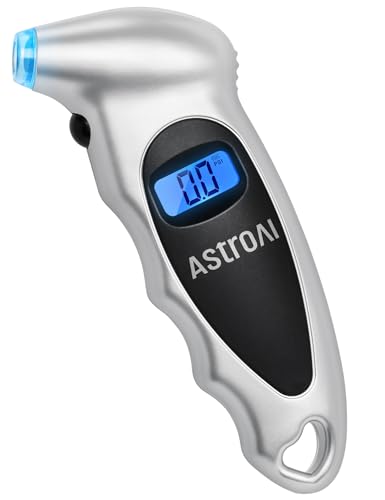
Buy a tire pressure gauge first. Buy jumper cables next if the battery is older, the car is used, or the weather is cold. A flashlight comes next, because many checks are safer and easier with good light.
After that, add a compact air compressor if you want to correct small pressure losses at home. That tool is useful, but it is not a substitute for a gauge.
Items to leave for later
Leave advanced tools for later, such as scan tools, drain pans, and specialty socket sets. A new driver does not need to start with workshop gear. Begin with the tools that support monthly checks and roadside basics.
What basic maintenance is required for my car?
Basic maintenance for a new driver means checking tire pressure, tread, oil, coolant, brake fluid, battery terminals, warning lights, wiper blades, and the spare tire kit. It also means following the service schedule in the owner’s manual, not a one-size-fits-all list.
Do now, schedule, or mechanic?
Do now: tire pressure, oil level, coolant reservoir level, battery terminals, warning lights, and spare tire kit. Schedule: wiper blade replacement and routine service intervals. Mechanic: red warning lights, low coolant with no clear cause, dark brake fluid, dim headlights with slow cranking, or any symptom you cannot explain.
Used-car reality check
Used cars often arrive without a complete history. If the manual is missing, find the manufacturer PDF first. Then set your own baseline so you know when the next service is due and what the car needs before the schedule slips further.
Frequently asked questions
How often should a new driver check tire pressure?
Check tire pressure monthly for safety and efficiency, and check it when the tires are cold. Also check before a long trip or after a sharp temperature change. Use the door-jamb placard or the manual for the correct pressure, not the tire sidewall.
How do I check engine oil level correctly?
Check engine oil with the dipstick on a cold engine or after a brief shutdown. Wipe the dipstick, reinsert it, then read the level. It should sit between the marks. Low oil or milky oil is a warning sign that needs more than a casual top-up.
What fluids should I check in my car?
Check coolant, brake fluid, washer fluid, and engine oil. Coolant should be checked when the engine is cold. Brake fluid sits near the master cylinder, and dark fluid may need replacement. Washer fluid is the easiest to top up, but it still matters for visibility.
What dashboard warning lights should new drivers never ignore?
Never ignore red warning lights, especially oil pressure or overheating warnings. Yellow or amber lights still need attention, but red usually means urgent action. Check the owner’s manual immediately, because the exact symbol and required response can vary by vehicle.
What should go in a car care kit for a new driver?
Start with a tire pressure gauge, jumper cables, a flashlight, and the car’s spare tire, jack, and lug wrench. A compact air compressor is useful later. Add only the tools that help with the checks you will actually do, not a full workshop kit.
How do I know when to use the owner’s manual instead of generic advice?
Use the owner’s manual whenever you need service intervals, exact tire pressure, fluid specs, dashboard-light meanings, or any procedure that may differ by model. If the manual is missing on a used car, use the manufacturer PDF. That is more accurate than generic advice.

Hi, I’m Melvin, an automobile engineer with extensive experience in automobile equipment. I currently work for a local automobile firm, where I specialize in the car parts industry. I’ve had the opportunity to collaborate with seasoned inspectors, gaining invaluable hands-on experience that goes beyond just theory.
My passion for automotive care started at a young age, which led me to create CarSpareCare. Through CarSpareCare, I share the knowledge and skills I’ve acquired over the years to help others navigate the world of car maintenance and repairs.
My goal is to provide practical tutorials, essential safety advice, and the latest industry insights so that anyone—whether a beginner or an expert—can confidently tackle their automotive projects.

