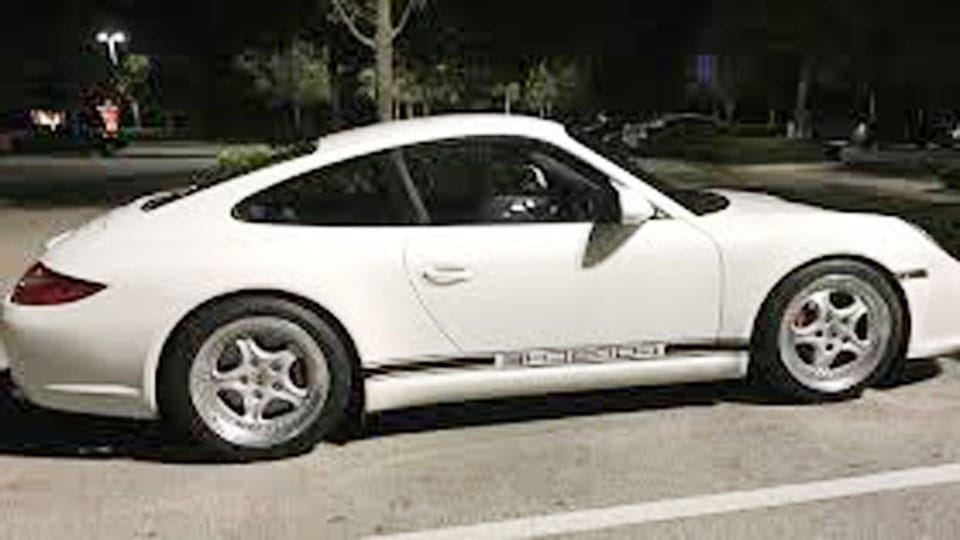
You can fit bigger wheels safely only if the overall rolling diameter stays within about 3% of stock and the wheel clears the brakes, suspension, and arches; otherwise problems start fast. Bad fitment can ruin ride quality, skew the speedometer, rub bodywork, and stress steering or suspension parts. This article shows where plus-sizing is safe, where it turns risky, and the exact red flags to check before you buy.
What counts as bigger wheels?
“Bigger wheels” can mean a larger rim diameter, a wider wheel, or a tire package with a larger overall diameter. Those are different changes. A bigger rim alone does not automatically mean a taller tire, but a taller overall tire changes rolling diameter and is the part that affects speedometer accuracy, gearing feel, and many fitment checks.
Wheel diameter versus overall tire diameter
Wheel diameter is the metal rim size, such as 17-inch or 18-inch. Overall tire diameter is the full outside height of the mounted tire, and that is the figure that matters for road speed and clearance. Keep overall diameter close to stock; many fitment guides use about 3% from original size as the practical limit.
That distinction matters because a larger rim can still use a tire with a shorter sidewall and the same overall diameter. In that case, the speedometer error may stay small, but ride quality usually gets firmer because there is less air cushion in the sidewall.
Why the tire sidewall matters
The sidewall is the tire’s spring. Shorter sidewalls flex less, which can make steering feel sharper, but they also pass more impact into the cabin. Bigger wheels often force a shorter sidewall if you keep the same outside diameter, so comfort usually drops before any visual benefit shows up.
A common first-timer mistake is choosing a larger rim and ignoring the tire size that must sit on it. For example, moving from a 17-inch wheel to an 18-inch wheel with no tire plan can create a package that fits the car’s brakes but throws off the overall diameter and rubs on the front liner at full lock.
When a cosmetic change becomes a fitment change
Once the rim, tire, offset, or width changes enough to affect clearance, the swap is no longer cosmetic. It becomes a fitment change. That is where wheel diameter, tire diameter, offset, width, brake space, and hub dimensions all have to agree.
Can you put bigger wheels on a car without problems?

Yes, but only when the change is controlled. For many daily drivers, going up one inch is the safest upsizing move and keeps the whole package close enough to stock that surprises are less likely. Once you move past that, the chances of rubbing, speedometer error, and ride loss rise quickly, especially if offset or width changes at the same time.
What usually stays safe on a daily driver
A daily driver tolerates modest plus-sizing best when the overall tire diameter stays near stock, the bolt pattern matches, and the new wheel has the right offset and center bore. The FixAnswer article’s general rule of thumb is to go up or down by one inch. That is a practical limit, not a guarantee.
Keeping the overall diameter the same is the best rule for wheel changes. It helps keep the speedometer and odometer close to accurate and reduces the chance that ABS or traction control sees a big enough change to complain.
When problems become likely
Problems become more likely when the package leaves the roughly 3% diameter window, when wheel width rises without a matching offset check, or when the new wheel pushes the tire outward toward the fender. Gold Eagle warns that bigger setups can make the tires rub the fender well, and Tire Advise notes that larger wheels can increase vulnerability to wheel and tire damage.
Suppose your car originally uses a 215/55R17 tire and you jump to an 18-inch wheel with a much wider tire and no offset check. The tire may still look close from the side, but the inner edge can contact the strut on turns while the outer shoulder hits the liner on bumps. That is a fitment failure, not a minor cosmetic issue.
How close to stock diameter is close enough?
For most street use, staying within about 3% of stock overall diameter is commonly treated as the practical ceiling. Beyond that, speedometer error becomes more noticeable, odometer distance drifts, and ABS or traction control may respond differently because it is comparing wheel speed signals against expected values. The closer you stay to stock, the less risk you take.
That said, a package can still be wrong even if the diameter is close. A tire can be the right outside size and still rub because the wheel is too wide, the offset is wrong, or the center bore fit is poor.
Wheel fitment basics that must match
Three fitment checks are non-negotiable: bolt pattern, center bore, and offset. Width then has to work with the tire size and available clearance. If any one of those is off, the car can shake, rub, sit too far inboard, or sit too far outboard. Bigger wheels do not override basic fitment rules.
Bolt pattern
The bolt pattern must match the vehicle hub pattern. This is non-negotiable. It varies by vehicle, and the wrong pattern simply will not mount correctly. Even a close-looking wheel is wrong if the studs or bolts do not line up exactly with the hub holes.
Center bore and hub-centric rings
The center bore, sometimes called the hub bore, must match the hub or be adapted correctly with hub-centric rings. Tire Advise lists center bore alongside bolt pattern and offset as a critical measurement. If the wheel centers on the lugs instead of the hub, vibration risk rises, especially at speed.
Hub-centric rings do not fix a bad bolt pattern or an incorrect offset. They only help center a wheel that otherwise fits the hub dimensions. Use them where appropriate, and make sure they are the correct size for both wheel and hub.
Wheel width and offset
Wheel width must suit the tire width and the vehicle’s available space. Offset controls how far the wheel sits inboard or outboard relative to the hub face. Wrong offset can cause rubbing on struts, control arms, brakes, or fenders, even when the bolt pattern is correct.
Width and offset work together. A wider wheel with the same offset can move both inner and outer edges closer to trouble. A wheel with a very different offset can clear the brakes yet still rub at full lock or under compression.
Wheel fitment checklist
Use this before ordering wheels, and again after installation. A green item is a normal fit. Amber means you need more checking. Red means do not buy or do not install until the issue is solved.
| Check | Green | Amber | Red | Decision rule |
|---|---|---|---|---|
| Stock diameter delta | Within about 3% | Near the edge of 3% | More than 3% | Stay within the usual tolerance if you want the best chance of keeping speedometer and control systems happy. |
| Wheel width change | Small change with matched tire size | Wider wheel needs confirmation | Width forces tire or clearance compromise | If width changes, recheck tire section width, inner clearance, and outer poke. |
| Offset change | Close to stock and verified | Different but measured against clearance | Unknown or extreme offset | Wrong offset can rub; verify inner and outer clearances before purchase. |
| Brake clearance risk | Clear calipers and rotors on paper | Needs a test fit or template check | Contact likely or unverified | Larger wheels can help with bigger brakes, but only if the caliper shape is actually cleared. |
| Rubbing risk at full lock and compression | No contact in both conditions | Close to liner, strut, or arch | Touches on lock or bump | Test at full steering lock and full suspension compression, not just at rest. |
| TPMS compatibility | Sensors and system match | Needs sensor transfer or relearn | No confirmed fit or unsupported system | Check sensor type, valve fitment, and relearn steps before mounting tires. |
| Re-torque or alignment | Re-torque planned after install | Alignment wise after a width or offset change | Skipping both after a major change | Re-torque wheels after installation; an alignment is a common precaution if width, offset, or steering feel changed. |
Will bigger wheels change ride and speedometer?
Yes. Bigger wheels often make the ride rougher, and they can also make the steering feel heavier. If overall diameter changes, the speedometer and odometer can become inaccurate. The effect is not automatic on every swap, but the risk rises with bigger diameter, less sidewall, and more weight.
Ride comfort and pothole risk
Gold Eagle says a bigger wheel can lead to a harsher ride. That happens because the tire sidewall has less room to absorb potholes and sharp edges. Tire Advise also notes that larger wheels can increase road noise and increase vulnerability to wheel and tire damage.
Picture a winter setup that goes from a 16-inch wheel to an 18-inch wheel with the same car and the same roads. The larger wheel may look sharper, but the shorter sidewall is more exposed to pothole damage and slams harder over broken pavement. In winter, that is usually the wrong tradeoff.
Speedometer and odometer error
If the rolling diameter changes, the car covers more or less ground per wheel revolution. That changes speedometer and odometer accuracy. The same source says the speedometer can become inaccurate after a size change, and changing overall diameter by more than 3% can trigger inaccuracies and warning lights.
The tighter the diameter stays to stock, the smaller the error. That is why many fitment guides treat about 3% as the outer edge rather than a target.
ABS, traction control, and gearing effects
ABS and traction control depend on wheel-speed comparisons. A large change in tire diameter can alter those readings enough to change how the systems respond. Acceleration and fuel economy can also suffer if the wheel and tire package gets heavier or the effective gearing changes too much.
Wheel weight matters here. Tires are lighter than wheels, and rotating mass matters. A heavier package can dull acceleration and use more fuel, even if the diameter looks acceptable on paper.
What can go wrong after the swap?
The main failures are rubbing, incorrect hardware, brake interference, and TPMS issues. Most of them appear only after the car moves, turns, or compresses. That is why a driveway look is not enough. You need a full-lock and full-compression check before calling the job done.
Full-lock and full-compression rubbing
Rubbing often shows up when the steering reaches full lock or when the suspension compresses over a bump. The tire may clear the arch when parked, then touch the liner, splash shield, strut, or fender edge once loaded. That is especially common after an offset change.
Wrong lug nuts or lug bolts
Wrong seat type or incorrect length is a common mistake. Some wheels need conical seats, others use ball seats, and the hardware has to match the wheel design. If thread engagement is wrong, the wheel is not clamped correctly. Re-torque after installation is wise because new wheels and fresh hardware can settle.
Brake, suspension, and TPMS problems
Brake clearance must be checked against calipers and rotors, not just against the outer barrel. Larger wheels can create space for bigger brakes, but only if the wheel shape is right. TPMS also needs attention because sensor fitment and system compatibility are often forgotten during swaps.
A wheel that clears the brake caliper by a few millimeters on paper may still fail once the balancing weights, valve stem, or sensor are installed. That is why a dry test fit matters before mounting tires.
What wheel size change is safest for a daily driver?
For most daily drivers, the safest move is one inch up, while keeping overall tire diameter as close to stock as possible. That usually gives a cleaner look without pushing the car far outside its original geometry. The best result comes from matching bolt pattern, offset, hub bore, and tire width before any purchase.
Daily drivers need the least drama. If comfort, tire life, and fuel use matter more than appearance, stay conservative. If you want a performance feel, keep the diameter close and focus on a wheel and tire package that clears cleanly without adding much weight.
Performance cars versus winter setups
Performance cars can tolerate more wheel and tire experimentation, but only if brake clearance, offset, and width are verified carefully. Winter setups usually need the opposite approach: smaller or lighter packages, more sidewall, and extra room for snow buildup and pothole impacts. The car’s job should decide the wheel choice, not the other way around.
- Confirm the bolt pattern, center bore, offset, and wheel width from the vehicle and wheel specifications.
- Keep overall tire diameter within about 3% of stock unless you have a specific reason to go further.
- Check brake clearance with a template or a test fit before mounting tires.
- Verify full-lock and full-compression clearance on both front corners.
- Confirm TPMS compatibility and choose the correct lug nuts or lug bolts.
- Re-torque after installation, then arrange an alignment if width or offset changed meaningfully.
Frequently asked questions
How much bigger can my wheels be before they rub?
There is no single safe increase because rubbing depends on width, offset, tire shape, and suspension travel. Many drivers can move up one inch without trouble if the rest of the package is matched correctly. Rubbing risk rises at full lock and full compression, so a parked visual check is not enough.
Do bigger wheels make the ride worse?
Often, yes. Bigger wheels usually mean a shorter sidewall if you keep rolling diameter close to stock, and less sidewall means less cushion. The same source says a bigger wheel can lead to a harsher ride, and larger wheels can also increase road noise and damage risk on rough roads.
Will bigger wheels mess up my speedometer?
They can if the overall tire diameter changes. Keeping diameter close to stock limits the error, while going more than 3% away can trigger inaccuracies and warning lights. The same source says the speedometer can become inaccurate after a size change, and odometer readings can drift for the same reason.
Do I need new tires if I change wheel size?
Usually yes, because the old tire size may not suit the new rim diameter, width, or overall diameter target. You need a tire size that matches the new wheel and keeps rolling diameter close to stock. The wheel size, tire width, and sidewall height must all work together.
Do I need an alignment after changing wheel size?
An alignment is wise if the new wheels change offset, width, or steering feel, even if the car drives straight at first. It is not always mandatory for a simple same-diameter swap, but it becomes a smart follow-up when the tire sits differently in the arch or when rubbing risk changes.

Hi, I’m Melvin, an automobile engineer with extensive experience in automobile equipment. I currently work for a local automobile firm, where I specialize in the car parts industry. I’ve had the opportunity to collaborate with seasoned inspectors, gaining invaluable hands-on experience that goes beyond just theory.
My passion for automotive care started at a young age, which led me to create CarSpareCare. Through CarSpareCare, I share the knowledge and skills I’ve acquired over the years to help others navigate the world of car maintenance and repairs.
My goal is to provide practical tutorials, essential safety advice, and the latest industry insights so that anyone—whether a beginner or an expert—can confidently tackle their automotive projects.