
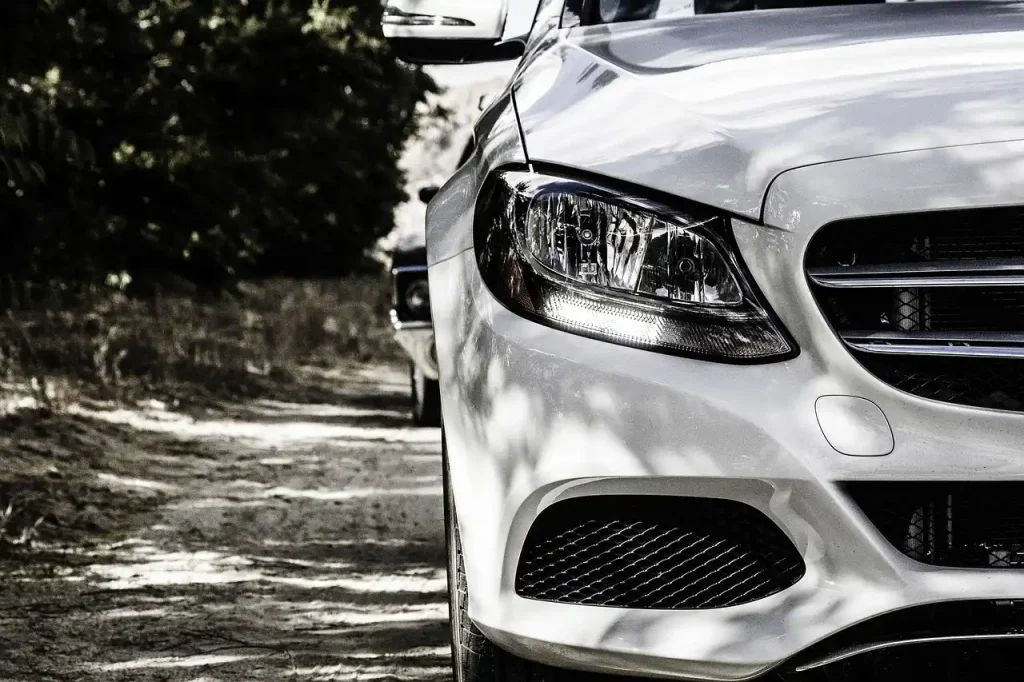
A common rule of thumb is that ceramic coating may be worth considering on an older car if the paint can be corrected and you expect to keep it for roughly 2 to 3 years; badly worn paint can make the expense poor value. If you do it wrong, you pay for prep and coating while swirls, chips, and oxidation still show. This guide explains when coating beats wax, sealant, polish, or repainting.
What ceramic coating does on older paint
Ceramic car coating is a protective coating applied to exterior paint. On a used car, it mainly protects the finish by slowing stain buildup, adding UV protection, and making washing easier. It can also add gloss, but it does not repair damaged paint or hide defects that are already there.
The value on an older car depends on what the finish looks like before application. If the paint still has a healthy clear coat and only needs correction, a coating can help preserve the result. If the surface is tired, rough, or failing, the coating will lock in that condition instead of fixing it.
What protection it can add on a used car
Used cars often need more exterior care than a new car because they already have wear, fading, or surface defects. That is where ceramic coating can make sense. It can help with water beading, easier washing, stain resistance, and some defense against UV radiation and environmental fallout.
Those benefits matter most when the paint still has something worth preserving. On a garage-kept classic or a weekend car, the coating may help maintain color and gloss longer than wax alone. On a high-mileage daily driver with damaged paint, the same coating may not change the appearance enough to justify the prep.
What it will not fix
Ceramic coating generally does not hide deep scratches, chips, clear-coat failure, heavy oxidation, or etched paint. It can make the surface easier to clean, but it will not flatten defects or restore missing clear coat. If the finish already looks dull and patchy, the coating may make those problems more obvious, not less.
A common first-timer mistake is to coat a light-colored hood that still shows water marks and rotary holograms. After the coating cures, those marks remain visible because the product sits on top of the finish rather than correcting it.
📊 The most affordable ceramic option can be under $20. Source: Thedrive.
Is ceramic coating worth it on an older car?
It is worth it when the car still has good paint underneath the age, and when the owner plans to keep it long enough to use the coating’s protection. If the car is only staying in your driveway for a short period, wax or sealant can be the smarter spend. If the finish is too worn, repainting may be the only real fix.
When the paint is still worth preserving
Often the best candidates are older cars with solid clear coat, manageable swirls, and only light fading or staining. These cars can benefit from a correction step and a coating afterward, because the coating helps preserve the improved finish. That matters most if the car spends time outdoors and gets hit by sun and road grime.
An older sedan with light swirl marks, some water spotting, and decent gloss in the sun is a typical example of a car that may benefit from polishing and ceramic coating. A proper polish followed by ceramic coating can preserve the cleaner look and reduce how quickly the finish picks up grime again. The paint is still doing the main work; the coating helps protect it.
When the finish is too worn for coating to pay off
If the paint is heavily oxidized, chalky, or clear-coat damaged, the return drops fast. Ceramic coating will not replace missing paint or level out rough, failing surfaces. In that case, the money often goes further toward polishing, spot repair, or repainting the affected panels.
Paint that is already rough to the touch can be a warning sign. If fallout, tree sap staining, or old sanding marks are embedded in the surface, the prep can become expensive before any coating even goes on. That is a bad sign for value on an older commuter car.
How long you plan to keep the car
Ownership horizon matters. If you plan to keep the car only a year or two, a lower-cost sealant or wax usually makes more sense. If you plan to keep it several years, and the paint can support correction, ceramic coating has a better chance of paying back through easier upkeep and slower cosmetic decline.
That is why ceramic coating is often a better fit for a long-term daily driver, a garage-kept classic, or a weekend car than for a short-term fixer-upper. The longer you keep the vehicle, the more time the coating has to justify its prep cost.
Old paint condition check
Before you think about coating, inspect the paint in direct light and at an angle. Look for swirls, fading, oxidation, chips, etching, and roughness. Those defects tell you whether the finish needs correction, repair, or replacement before any protective product can make sense.
Swirls, oxidation, and fading
Swirl marks are common on older cars because prior washing methods often leave fine circular scratches. Oxidation and fading are also common, especially on vehicles that spent years in strong sun. UV exposure is commonly cited as a major reason older paint loses color and depth over time.
If the paint is only mildly faded, polishing may restore enough clarity for coating. If the clear coat is seriously worn, the surface may still look dull even after treatment. At that point, ceramic coating is not a rescue product.
Clear-coat damage, chips, and etching
Chips, bird dropping etching, and clear-coat failure are the problems that usually break the value case. A coating can cover the panel, but it cannot rebuild what is gone. Those defects still show through, especially on flat panels and in bright light.
Suppose a hatchback has chips along the leading edge of the hood and the clear coat is peeling near the roof rail. Coating may help with washing, but the car will still look worn. A touch-up or repaint is the more honest path.
Surface prep before any coating decision
Older cars need a true prep check before any coating choice. Wash the car, decontaminate the paint, and inspect whether the finish feels smooth or gritty. If the surface still feels rough after washing, the prep load is probably too high for a quick coating decision.
- Wash off dirt and road film.
- Inspect the paint in strong light.
- Check for swirls, oxidation, chips, and etching.
- Feel for roughness after washing.
- Decide whether polishing, sealing, repainting, or coating fits the condition.
Should you polish before coating?
Yes. Polish first if the paint has swirls, haze, or light oxidation, because ceramic coating locks in the current finish. It does not correct defects. If the surface needs cleanup, correction comes before protection.
Why correction comes first
A coating is a protective layer, not a repair step. On older paint, polishing removes a thin layer of damaged clear coat or evens out surface defects enough to improve the look. Once the paint is corrected, the coating helps preserve that result.
That order matters because coating over imperfect paint can bother you later. The finish may bead water well, yet still look tired every time sunlight hits it. Protection without correction is a weak deal on an older car.
When polishing is enough without coating
If the car is a short-term keeper, polishing plus wax or sealant may be enough. This is often the better route for a used car with decent paint that only needs a cleaner look for a season or two. The savings can be significant, and the result still looks respectable.
Consumer-grade ceramic products typically last six months to one year, while a professional ceramic coating can last two to five years. That gap matters. If the car will be sold soon, the longer-lasting option may not return enough value to justify the cost. (Thedrive)
When repainting is the better call
Repainting is the better choice when the clear coat is failing, the oxidation is severe, or the chips and scratches dominate the panel. A coating cannot fix bare metal, peeling clear coat, or widespread damage. It can only protect what remains.
That is the dividing line on older cars. If the paint can be brought back with correction, coating may be sensible. If the paint cannot be brought back, the money should usually go toward repair instead.
Should this car get ceramic coating?
Use the car’s paint condition and your ownership horizon together. A garage-kept classic with good paint is a stronger candidate than a neglected commuter with peeling clear coat. The more the car needs restoration before coating, the weaker the value becomes.
| Paint condition | Expected prep needed | Likely result | Estimated DIY/pro install cost tier | Recommended alternative |
|---|---|---|---|---|
| Clean paint with light swirls | Wash, decontaminate, light polish | Strong gloss gain, easier washing, good long-term protection | DIY: low to moderate; pro: higher | Ceramic |
| Faded but intact clear coat | Full polish or multi-step correction | Good if correction restores clarity; mediocre if fade is deep | DIY: moderate; pro: higher | Polish, then ceramic or sealant |
| Heavy swirls and water spots | Machine correction, careful prep | Visible improvement possible, but prep cost may be high | DIY: moderate to high; pro: high | Polish or sealant if ownership is short |
| Chips, etching, and clear-coat damage | Spot repair, possible repaint on damaged panels | Coating will not hide damage; finish still looks worn | DIY: poor value; pro: very high | Repaint |
| Severe oxidation or peeling clear coat | Extensive correction or refinishing | Poor candidate for coating | DIY: poor value; pro: very high | Repaint |
Ceramic coating cost vs older-car value
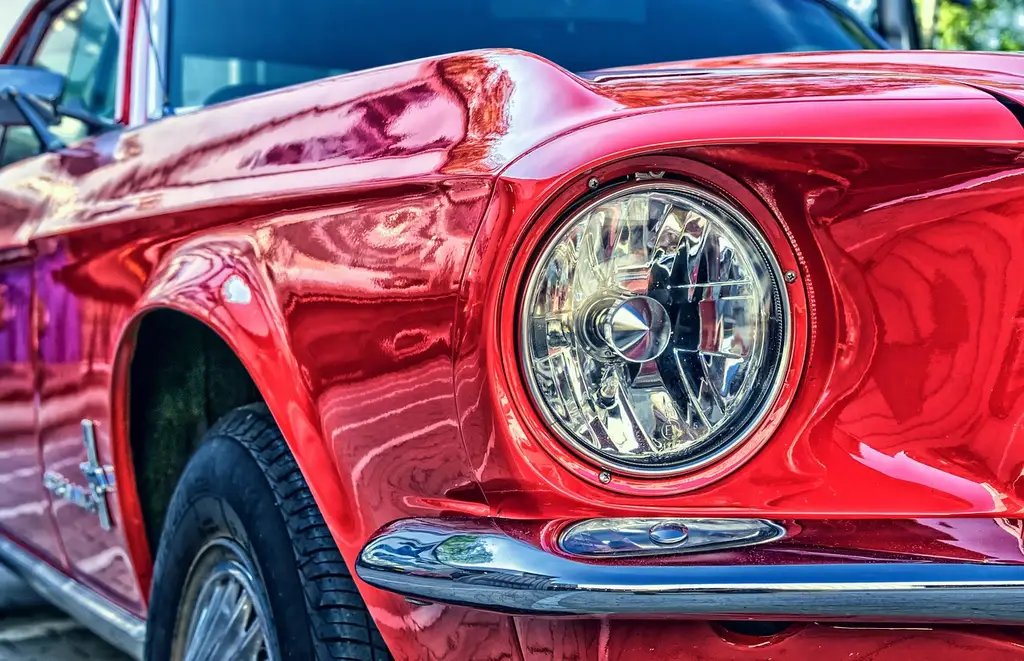
The ceramic coating price question is central on an older car because the service can be expensive relative to the car’s market value. We7 puts ceramic coating from $500 to $2,000. That is a wide range, and it is usually the higher-cost option when done by an auto center or other professional installer.
Cost depends on paint condition, vehicle size, and prep time. An older car often needs more correction than a newer one, which pushes the bill up. If the paint needs polishing before coating, the protection step is only part of the total cost.
DIY kits versus professional application
DIY products are much cheaper up front. The most affordable ceramic option can be under $20, a more specialized ceramic coating can cost $30 to $60, and ceramic detailing kits can cost about $100. Those products lower the entry price, but they also put more responsibility on prep and application quality.
Professional application makes sense when the paint is worth saving and you want longer durability with less risk of streaking or uneven coverage. The Drive says consumer products can make washing easier and protect a vehicle’s paint finish, and it lists a few product types at different price points. It also notes that one kit is not for beginners, which is a fair warning for older cars that need careful prep.
Value by ownership horizon
If you plan to keep the car for years, a professional coating can be easier to justify. A long horizon lets the easier washing, stain resistance, and UV protection matter over time. If you are likely to sell soon, the value drops unless the paint correction itself materially improves resale appeal.
For older cars, the smartest comparison is not ceramic versus nothing. It is ceramic versus a cheaper product that matches the car’s remaining life and paint quality. Sometimes that answer is wax. Sometimes it is sealant. Sometimes it is repainting.
What to use instead of ceramic coating
Wax, sealant, and repainting are the main alternatives for older cars. Each one solves a different problem. The right pick depends on how damaged the paint is, how long you will keep the car, and how much value you expect from the finish.
Wax for short-term shine
Wax is the simplest choice when you want a better look without a big spend. It adds gloss and some water beading, and it is easy to reapply. For a car that sees limited use or will be sold soon, wax can be the most sensible choice.
Sealant for a lower-cost step up
Paint sealant lasts longer than most waxes and usually costs less than ceramic coating. It is a practical middle ground for older cars with decent paint. If you want more protection than wax but do not want coating-level prep, sealant is often the best compromise.
Repaint for damaged finishes
Repaint is the honest answer when the old finish has failed. It fixes the appearance problem at its source. If the surface has peeling clear coat, severe oxidation, or deep defects, repainting is a better use of money than coating over damage.
Consumer-grade ceramic products typically last six months to one year, while professional coatings can last two to five years. That range helps explain the price spread, but it does not change the core rule: the paint must already be worth preserving.
Frequently asked questions
Is ceramic coating worth it for an old car?
Yes, but only when the paint can be corrected enough to justify the prep and cost. If the finish is faded, scratched, or oxidized beyond a sensible correction, ceramic coating is poor value. On better older paint, it can help with washability, UV exposure, and stain resistance.
Is ceramic coating good for older cars?
It can be, especially for garage-kept classics, weekend cars, and used cars with decent paint. The key is condition, not age. Older cars with intact clear coat can benefit from easier cleaning and longer-lasting protection, while neglected paint usually needs repair first.
Is ceramic car coating worth the money?
It is worth the money when the car will stay in your care long enough to use the protection. A professional ceramic coating can last two to five years, but that only helps if the paint is worth preserving and the car will be kept long enough to matter.
How much does ceramic coating cost for an older car?
DIY products are cheaper: under $20 for the cheapest option, $30 to $60 for more specialized coatings, and about $100 for ceramic detailing kits.
Will ceramic coating hide scratches on old paint?
No. Ceramic coating does not hide deep scratches, chips, or clear-coat damage. It may add gloss and make the surface easier to clean, but defects still show. If scratches are the main issue, polishing or repainting is a better fix.
Should I polish an older car before ceramic coating?
Yes, if the paint has swirls, haze, or light oxidation. Polishing corrects the finish first, and the coating preserves the improved surface. Skipping polishing on tired paint usually means sealing in the defects instead of improving the look.

Hi, I’m Melvin, an automobile engineer with extensive experience in automobile equipment. I currently work for a local automobile firm, where I specialize in the car parts industry. I’ve had the opportunity to collaborate with seasoned inspectors, gaining invaluable hands-on experience that goes beyond just theory.
My passion for automotive care started at a young age, which led me to create CarSpareCare. Through CarSpareCare, I share the knowledge and skills I’ve acquired over the years to help others navigate the world of car maintenance and repairs.
My goal is to provide practical tutorials, essential safety advice, and the latest industry insights so that anyone—whether a beginner or an expert—can confidently tackle their automotive projects.

