

If the engine is fully warm and one heater hose is hot while the other stays much cooler, the heater core may be clogged; if both hoses are about equally hot, look elsewhere first. Skip this check and you can spend on a flush, a thermostat, or a heater core that was fine. This guide shows the right order for ruling out low coolant, trapped air, blend-door faults, and cooling-system restrictions.
Heater core symptoms

A clogged heater core commonly shows up as weak cabin heat, especially at idle, with better output once engine speed rises. You may also notice a sweet coolant smell, fogged glass, or damp carpet if the core leaks at the same time. Partial blockage can make heat come and go, so the pattern matters.
Weak or no cabin heat at idle versus at speed
Heat that drops at idle often points to poor coolant flow through the heater circuit, but it does not prove the core is blocked. A thermostat that stays open, low coolant, or air trapped in the system can cause the same complaint. At highway speed, extra pump flow may cover a partial restriction and make the air feel warmer.
Sweet coolant smell, fogged glass, and damp carpet
A sweet smell inside the cabin, oily film on the windshield, or a wet passenger-side carpet can mean heater core leakage. Those signs can overlap with a clog, because a core that is partly blocked may also be corroded or leaking. Fogging alone is not enough to call the core bad, since a coolant leak elsewhere can also create odor and mist.
What partial blockage looks like
Partial clogging often causes uneven heat. The vents may blow warm air for a few minutes, then cool off at idle, then recover after a hard drive. A fully blocked core usually gives much colder air and a larger temperature difference across the heater hoses. That split is what makes the hose test useful.
What causes the blockage?
Heater cores can clog from rust, scale, and stop-leak residue that narrows the tiny tubes inside the core. The heater core is a small radiator in the HVAC box, and it depends on engine coolant flowing freely through it. When the passages plug up, cabin heat falls even though the engine may still reach normal temperature.
Rust and scale inside the core
Old coolant that is depleted or mixed poorly can leave rust and mineral scale in the heater core. The deposits collect in the narrow passages first, because the core has fine internal channels. That can create a slow restriction long before the engine shows an obvious overheating problem.
Stop-leak residue and debris
Stop-leak products can help a small external leak, but dried residue can also clog the heater core. The same risk exists after corrosion flakes move through the cooling system. If the system has a history of sealing pellets, powder, or sludge, a flush may have limited effect.
Why a clogged core can still pass some heat
A partly blocked core can still move enough hot coolant to warm the cabin, especially at higher engine speed. That is why some cars heat well on the road and fail at stoplights. The problem is flow, not always a complete shutdown. That is also why hose temperature comparison matters more than a simple feel test at the vents.
Coolant and air checks
Start with the cooling system before touching the heater hoses. Low coolant, trapped air, or a thermostat problem can copy heater core symptoms closely. Check the reservoir and radiator only when the engine is cold, because opening a hot system can spray scalding coolant and steam.
- Let the engine cool fully.
- Check coolant level in the reservoir and, where applicable, the radiator.
- Look for obvious leaks at hoses, the water pump, the radiator, and the heater hose connections.
- Ask whether recent cooling-system work may have trapped air.
- Verify that the engine reaches normal operating temperature.
Look for air pockets and recent cooling-system work
Air pockets can block coolant flow through the heater circuit. That is common after a coolant service, hose replacement, thermostat job, or any repair that opened the system. If the heater worked before recent service and failed right after, trapped air moves higher on the list than a clogged core.
Confirm thermostat and engine operating temperature
A stuck-open thermostat can keep the engine too cool, which lowers cabin heat output. A stuck-closed thermostat can cause overheating and still leave the cabin heat unstable. Most vehicles should settle near their normal gauge position after warm-up; if the engine never gets there, solve that first.
Heater hoses temperature check
The inlet and outlet heater hoses tell you whether coolant is moving through the core. Use an infrared thermometer if you have one. If not, compare by careful touch only after the hoses have cooled enough to avoid burns. A strong hot-cold difference points toward restriction inside the heater core or a blockage in the heater circuit.
Find the inlet and outlet heater hoses
Heater hoses are the two small coolant hoses that run between the engine and the firewall. One feeds hot coolant to the heater core. The other returns coolant to the engine. A kinked, collapsed, or pinched hose can mimic a clogged core, so inspect both hoses before blaming the core itself.
Compare hose temperatures with an infrared thermometer
Bring the engine to normal operating temperature and set the HVAC to full hot with the blower on low to medium. Measure each heater hose near the firewall. A healthy system usually shows both hoses hot, with only a modest difference. A very hot inlet hose and a much cooler outlet hose can suggest restricted flow through the core.
What a hot-cold difference confirms
If the inlet hose is hot and the outlet hose stays notably cooler, the heater core is likely not moving enough coolant. If both hoses are roughly the same temperature, the core may be flowing and the problem may be in the blend door, coolant level, or thermostat. That single comparison cuts a lot of guesswork.
Picture a sedan that has warm heat on the highway but cold air at every stoplight. The engine is at normal temperature and the inlet hose is very hot, but the outlet hose is only lukewarm. That pattern points more toward a restricted heater core than a blend-door fault.
Heater core decision table
This table helps separate the most common lookalikes before you flush or replace parts. Start with the symptom pattern, test the easy items first, and move to the next step only when the result fits the fault.
| Possible cause | Common symptom pattern | First test | Result that confirms or rules it out | Next action |
|---|---|---|---|---|
| Heater core clog | Weak heat at idle, better heat at speed, one hose hot and the other much cooler | Compare heater hose temperatures | Hot inlet with much cooler outlet supports restriction | Check for kinked hoses, then consider reverse flush |
| Low coolant | Weak heat, possible gurgling, may overheat or fluctuate after cooling-system loss | Check coolant level on a cold engine | Low level with visible leak or recent loss explains poor cabin heat | Repair leak, refill, and bleed air before further diagnosis |
| Air pockets | Heat may cycle hot and cold after recent service | Look for recent coolant work and bleed points | Air in the system, then restored heat after proper bleeding | Bleed the system and recheck hose temperatures |
| Stuck thermostat | Engine runs cooler than normal, cabin heat stays weak on every road speed | Verify normal engine operating temperature | Engine never reaches normal temperature or warms very slowly | Replace thermostat before condemning the heater core |
| Blend-door failure | Coolant hoses are both hot, but cabin air stays cool or one side differs from the other | Check vent temperature change when moving temperature controls | No change in vent temperature with hot coolant present points away from the core | Inspect HVAC actuator, door, or control cable |
Blend-door failure can mimic heater core trouble
The blend door controls how much air passes through the heater core versus around it. If the door sticks, the system can blow cool air even when coolant flow is fine. One-sided temperature changes, where driver and passenger vents behave differently, often point to a blend-door or actuator issue rather than a coolant-side blockage.
Can you flush it?
You can flush a heater core when the blockage seems light, the hoses and coolant condition look sound, and the rest of the cooling system checks out. A reverse flush is the usual first attempt. If the core is badly corroded or packed with stop-leak residue, flushing may only buy a little time or may fail completely.
When a reverse flush is reasonable
A reverse flush makes sense when the engine reaches normal temperature, coolant level is correct, the hose test points to restriction, and there is no sign of a leaking or ruptured core. Use a garden hose or a flush tool, and keep the pressure gentle. A drain pan helps you capture the coolant for proper disposal.
Why flush direction matters
Flushing in the reverse direction can lift debris out of the core instead of packing it deeper into the passages. That matters because the heater core has small tubes. If you force debris the wrong way, you can worsen the blockage. Flush until the water runs clearer and flow improves, then refill and bleed the system carefully.
A common first-timer mistake is flushing without checking the hose temperatures first. Suppose the inlet and outlet hoses are both equally hot, but the cabin still blows cool air. In that case, a flush is unlikely to help, because the problem may be in the blend door, not the coolant path.
When flushing is unlikely to work
If the core has internal corrosion, heavy scale, or stop-leak contamination, a flush often will not restore full flow. Signs include repeated clogging after a short period, rusty coolant, or a large and persistent temperature split across the hoses. When those signs are present, replacement becomes more likely than a successful flush.
Heater core replacement clues
Replacement moves from possibility to likelihood when the core is internally blocked, leaks coolant, or fails to respond after a proper reverse flush. If the hoses show clear flow restriction, the cabin smell returns, or the windshield fogs again soon after bleeding, the core may be beyond cleanup. Stop DIY diagnosis when the next step requires full HVAC disassembly or a pressure test you cannot perform safely.
When to stop DIY diagnosis
Stop and move to professional pressure testing or replacement if the cooling system keeps losing coolant, the core leaks inside the cabin, or the heater never recovers after the hose test and a careful flush attempt. If the engine is not reaching normal temperature, fix that first. Replacing a heater core before solving the cooling fault wastes time and parts.
Safety and coolant disposal
Never open a radiator cap or pressure cap on a hot system. Hot coolant can burn skin and eyes, and vapors are unpleasant to inhale. Wear gloves, keep a drain pan ready, and dispose of used coolant according to local rules. Coolant is toxic to pets and wildlife, so do not pour it onto the ground or into drains.
Frequently asked questions
How to tell if heater core is clogged in car
Start with symptom pattern, then check the cooling system in order. Weak heat at idle, better heat while driving, and a strong temperature split across the heater hoses are the biggest clues. Sweet odor, fogging, or damp carpet may point to a leaking core, but they do not prove a clog by themselves.
What happens when heater core is clogged
A clogged heater core restricts coolant flow through the HVAC box, so the cabin does not get enough heat. You may get warm air at speed but little heat at idle, or heat that changes from one trip to the next. Severe clogging can leave one hose much cooler than the other.
Can you flush a clogged heater core?
Yes, a reverse flush can help if the blockage is light and the rest of the cooling system is healthy. Flush direction matters because reverse flow can carry debris out instead of deeper in. Heavy corrosion, sludge, or stop-leak residue often means the flush will fail or only help briefly.
Can you test a heater core?
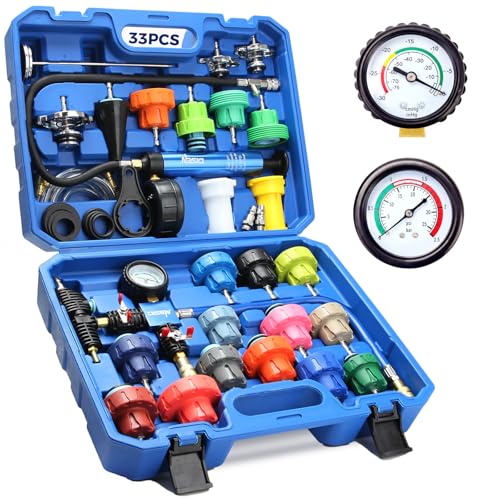
Yes. The basic test is a heater hose temperature comparison with an infrared thermometer or careful touch on a cooled engine. A cooling system pressure tester can also help find leaks or confirm low coolant issues. Together, those checks separate a clogged core from air pockets, thermostat faults, and blend-door problems.
How to tell if your heater core is bad or clogged
A bad or clogged core often causes weak cabin heat, coolant smell, fogged windows, or a damp carpet, but those signs overlap with other faults. The deciding clue is usually the hose-temperature difference, plus the condition of the coolant and the engine’s operating temperature. If both hoses are hot, look elsewhere first.

Hi, I’m Melvin, an automobile engineer with extensive experience in automobile equipment. I currently work for a local automobile firm, where I specialize in the car parts industry. I’ve had the opportunity to collaborate with seasoned inspectors, gaining invaluable hands-on experience that goes beyond just theory.
My passion for automotive care started at a young age, which led me to create CarSpareCare. Through CarSpareCare, I share the knowledge and skills I’ve acquired over the years to help others navigate the world of car maintenance and repairs.
My goal is to provide practical tutorials, essential safety advice, and the latest industry insights so that anyone—whether a beginner or an expert—can confidently tackle their automotive projects.

