
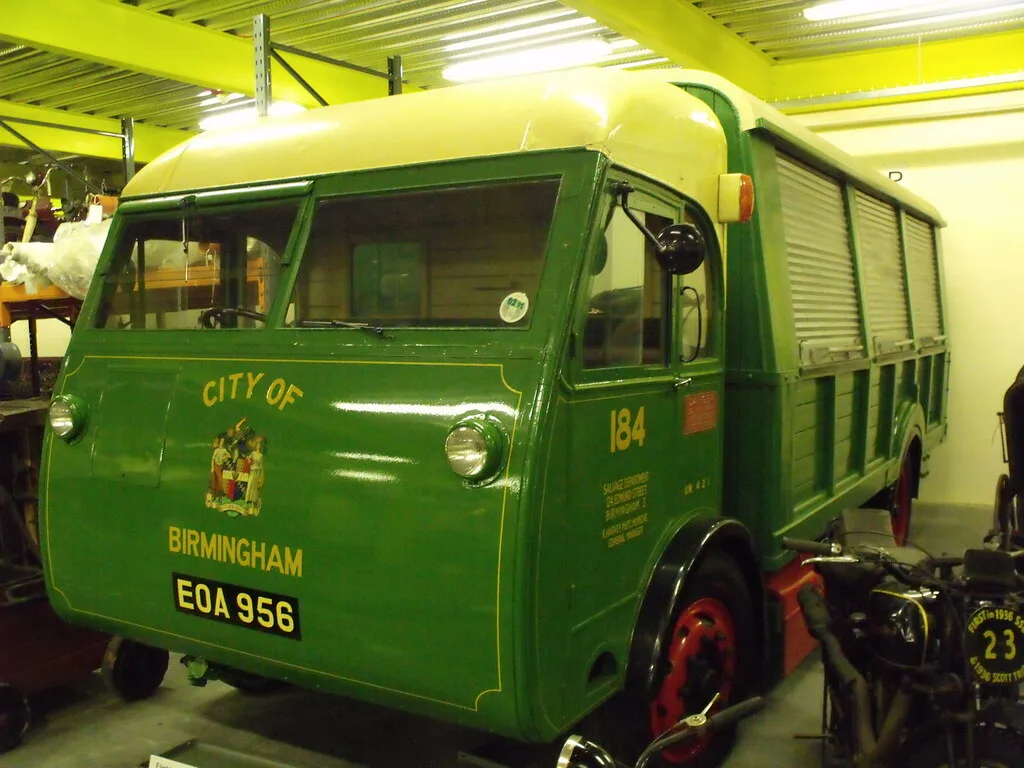
How to Prepare a Car for Winter Storage Checklist Guide
Use a storage-by-environment checklist for cars stored over 2 weeks, with fuel, battery, tire, and rodent-prevention steps for gas cars, hybrids, EVs, and classics.

Use a storage-by-environment checklist for cars stored over 2 weeks, with fuel, battery, tire, and rodent-prevention steps for gas cars, hybrids, EVs, and classics.

Warm the engine until the valve cover is only warm to the touch, then remove plugs with the right socket, compressed air, and a gentle break-loose motion.
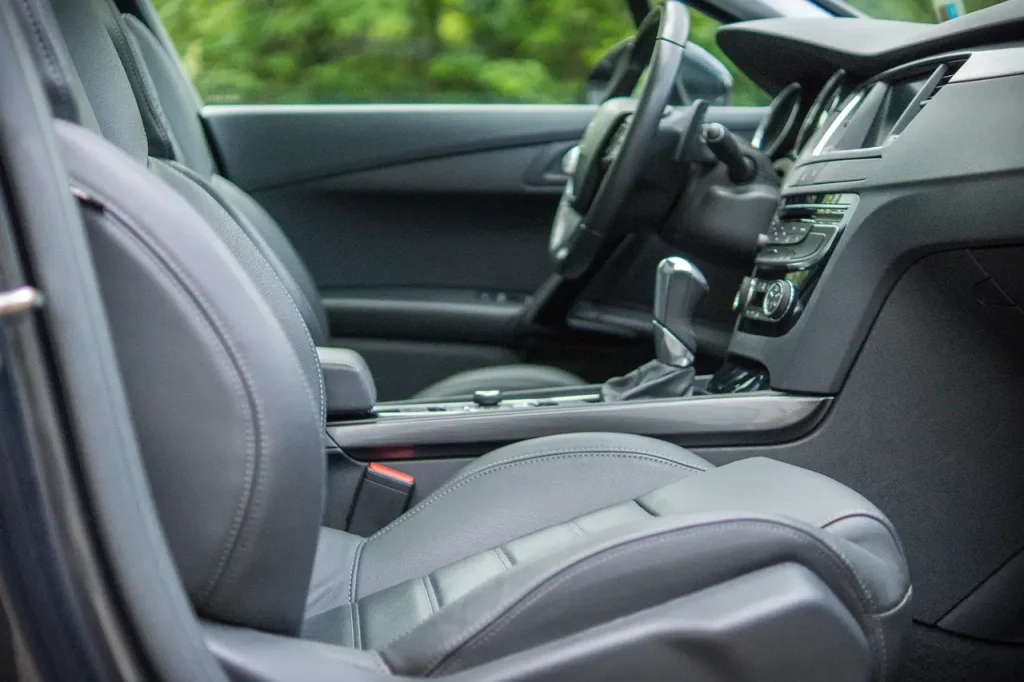
Diagnose the cause first: dirt, UV fade, worn coating, or surface damage. Then choose cleaning, trim restorer, repainting, or repair for a low-gloss finish.

A sinking pedal that drops under steady pressure points to a failing brake master cylinder. Includes a quick checklist for booster and hose faults.
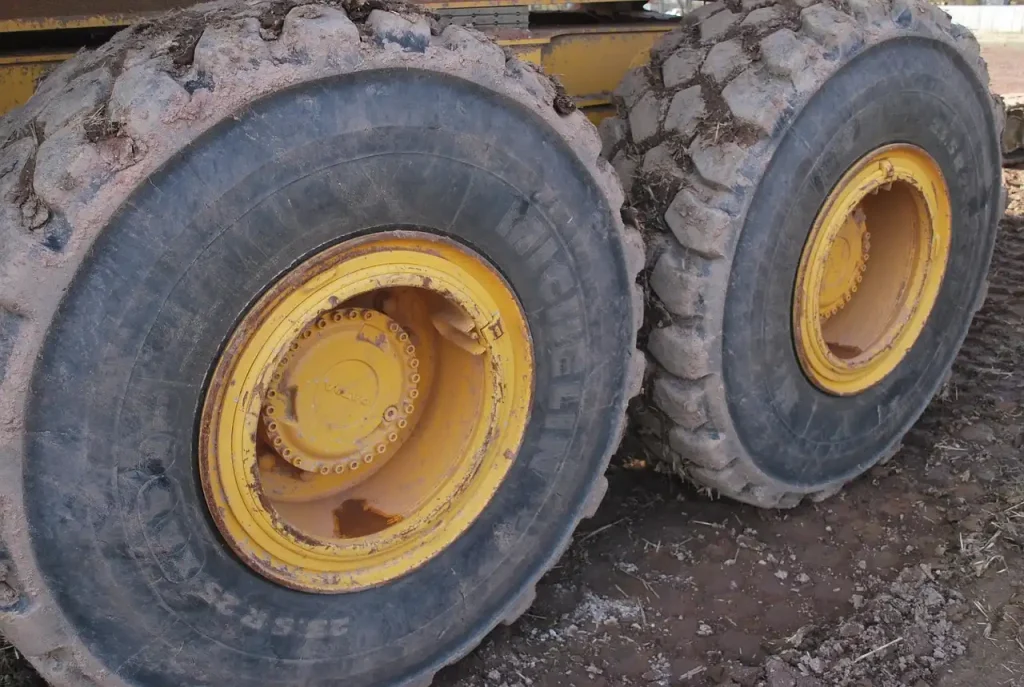
Lug nuts seize when corrosion, overtightening, dirt, or damaged seats bind them to the wheel. This guide covers why it happens and the safest ways to free them.

Check tires, coolant, battery, brake fluid, oil, air filter, wipers, and sun protection before summer heat turns small issues into breakdowns.

Copper spark plugs are usually the cheapest, platinum sits in the middle, and iridium costs the most upfront. Installed prices and lifetime value vary by engine and labor.

Wait 15–30 minutes after cleaning, then protect plastics, vinyl, leather, fabric, and glass in the right order so the cabin stays cleaner longer.

Use distilled water only on serviceable flooded lead-acid batteries after a full charge, and stop at the split ring or vent well.
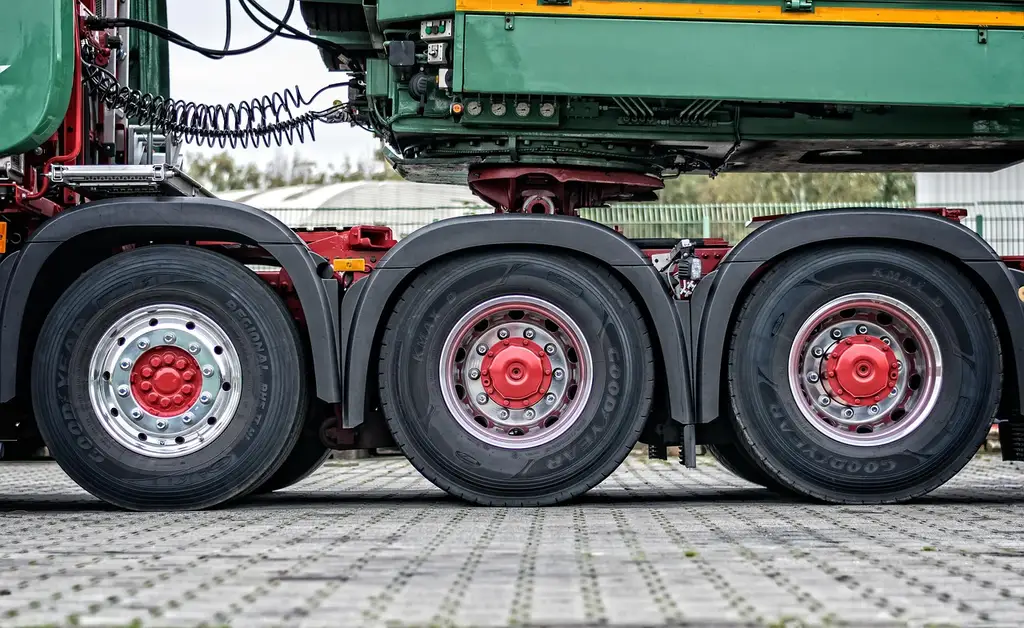
Wheel load rating is the maximum weight one wheel can safely carry. This guide explains the rating, the per-wheel math, and what happens if you ignore it.