
Why Is My Steering Stiff Only When Cold?
Cold fluid is usually the cause when steering is stiff only at startup; if it stays heavy, check fluid level, belt slip, voltage, and binding joints.
Complete guides on brake pads, rotors, calipers, and brake fluid. Keep your braking system safe and performing at its best.
Cold fluid is usually the cause when steering is stiff only at startup; if it stays heavy, check fluid level, belt slip, voltage, and binding joints.
Brake squeal after new pads can be normal for 200 to 500 miles, but persistent noise usually points to fitment, contamination, glazing, or runout.
A hot brake smell after driving is often normal after hard stops or new pads, but a lingering odor that comes from one wheel can point to a dragging brake.
Post-rain brake squeaks usually fade after a few stops. If the noise lingers in dry weather or turns to grinding, inspect pads, rotors, and hardware.
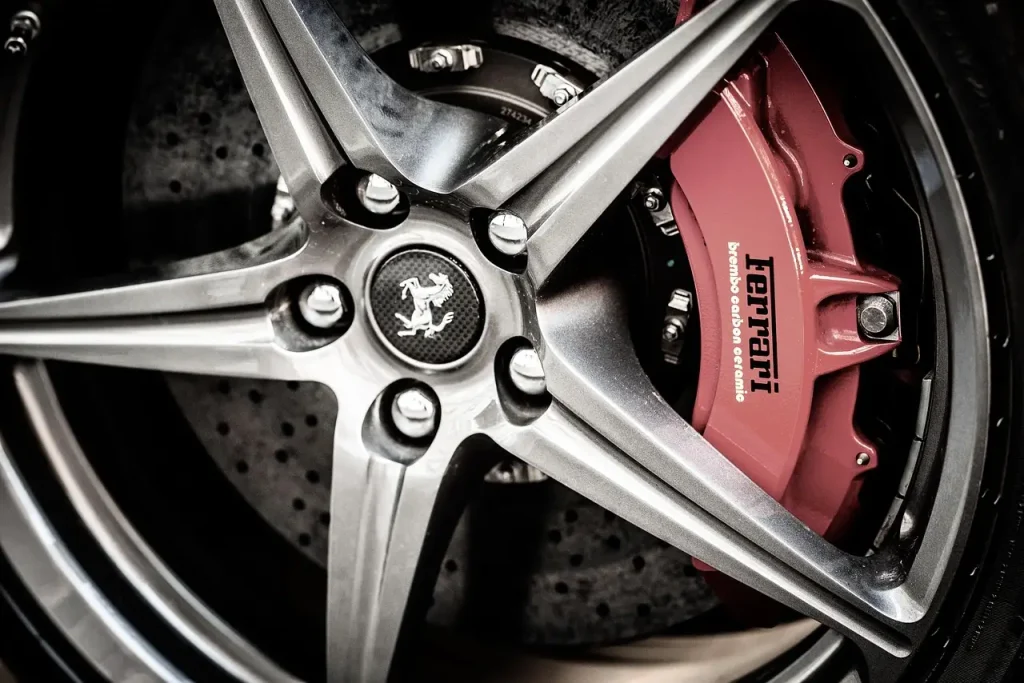
A brake caliper overheats when it cannot release fully, usually from seized slide pins, a sticking piston, a collapsed brake hose, or jammed hardware.
Yes. A bad wheel bearing can change steering feel, cause pull or wobble, and trigger ABS warnings if the hub sensor signal is disrupted.
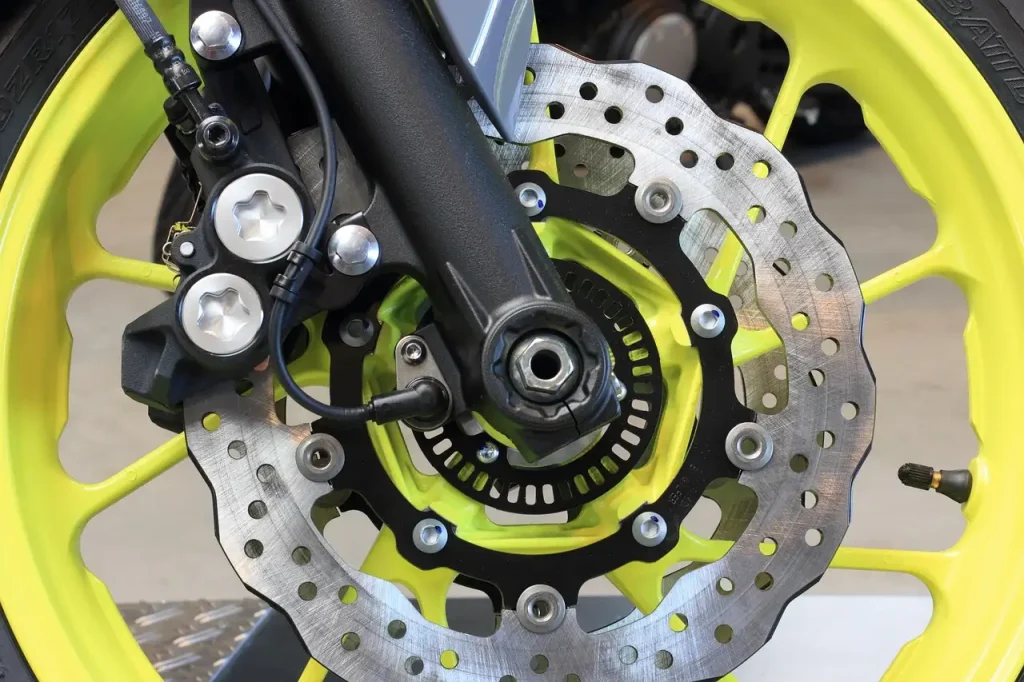
A bad ABS wheel speed sensor usually shows one wheel with implausible or zero speed on a scan tool, while the others read normally.
Yes—low tire pressure can cause a mild pull, especially if one front tire is 3–5 psi lower than the other. Bigger or persistent pull often points to alignment, brake drag, or a tire fault.
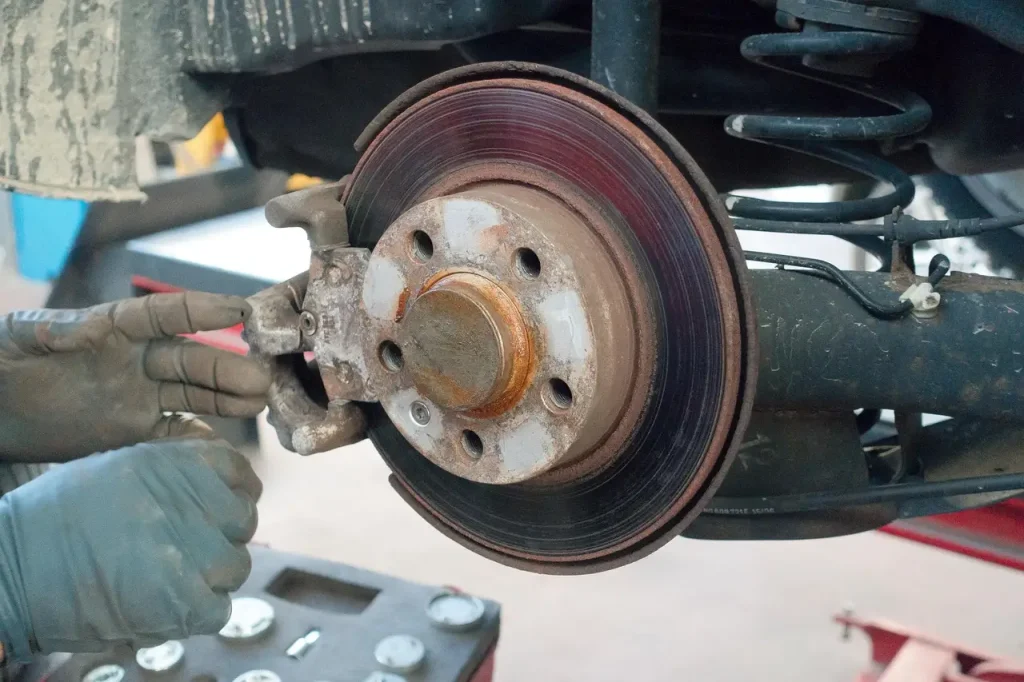
Inspect tie rods, ball joints, bushings, struts, and alignment if steering play, pull, clunks, or uneven wear appear.
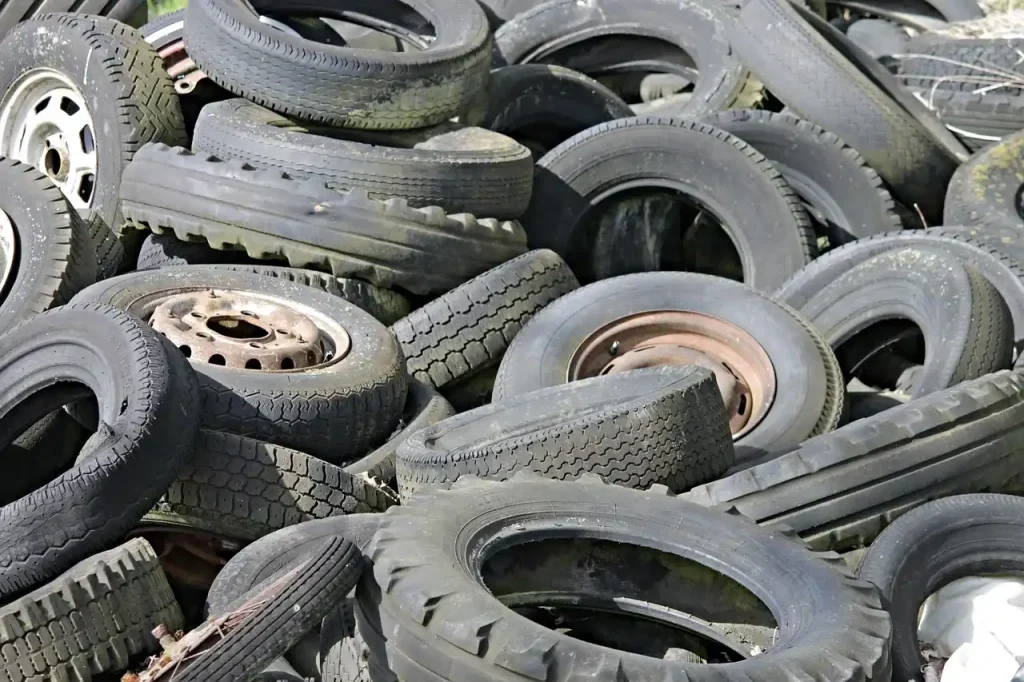
Yes, but only if the wear is severe enough to create runout or cupping; if the shake starts mostly at 40–70 mph and changes little with brake pedal pressure, tire balance is more likely than brake har