

What Causes a Car to Pull When Accelerating and Braking?
Separate acceleration pull, braking pull, and combined pull to narrow faults to torque steer, brakes, alignment, tires, or suspension.
Complete guides on brake pads, rotors, calipers, and brake fluid. Keep your braking system safe and performing at its best.
Separate acceleration pull, braking pull, and combined pull to narrow faults to torque steer, brakes, alignment, tires, or suspension.
A brake hose may be collapsing if one wheel drags or locks, then frees after the brake line is opened at that wheel. This page covers the symptom pattern, simple checks, and common lookalike faults.
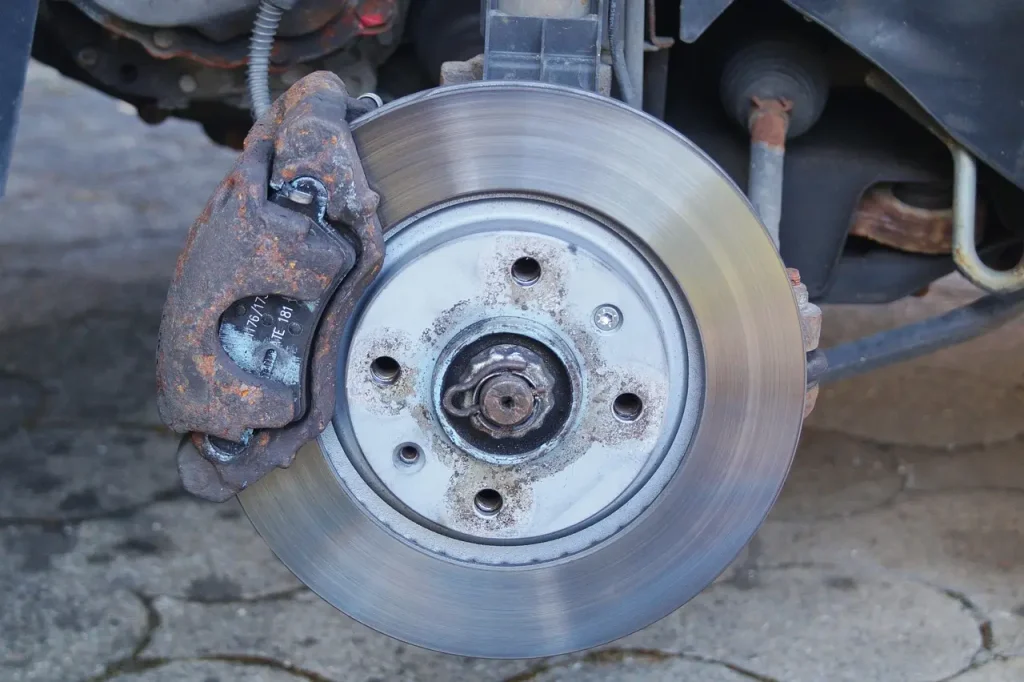
If front-end shimmy appears only under light-to-moderate braking at road speed, start with rotor runout and pad deposits first.
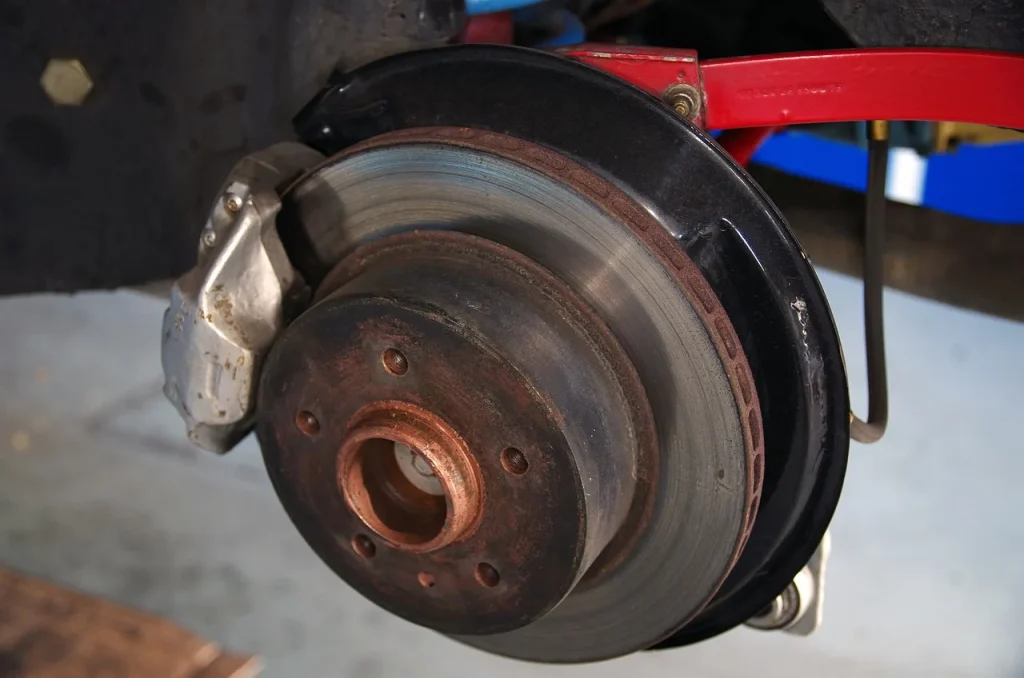
A vibration that appears mainly from highway-speed braking usually points to rotor thickness variation, pad deposits, sticking calipers, or wheel and tire faults.
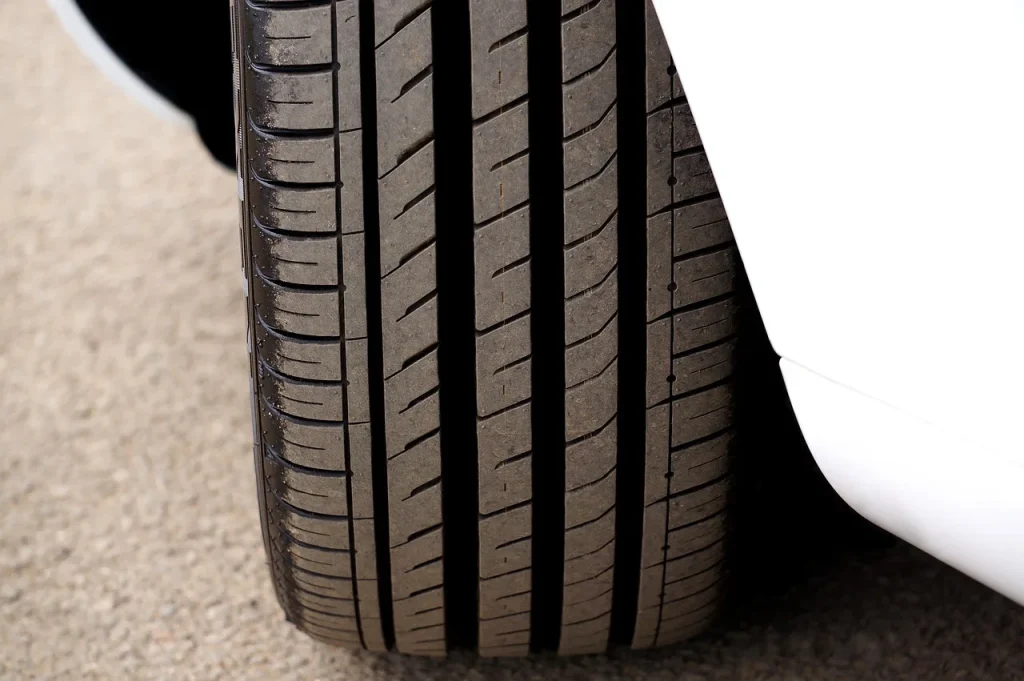
Steering wheel shake over bumps usually means a loose joint, damaged tire, bent wheel, or worn suspension part, not simple wheel balance.
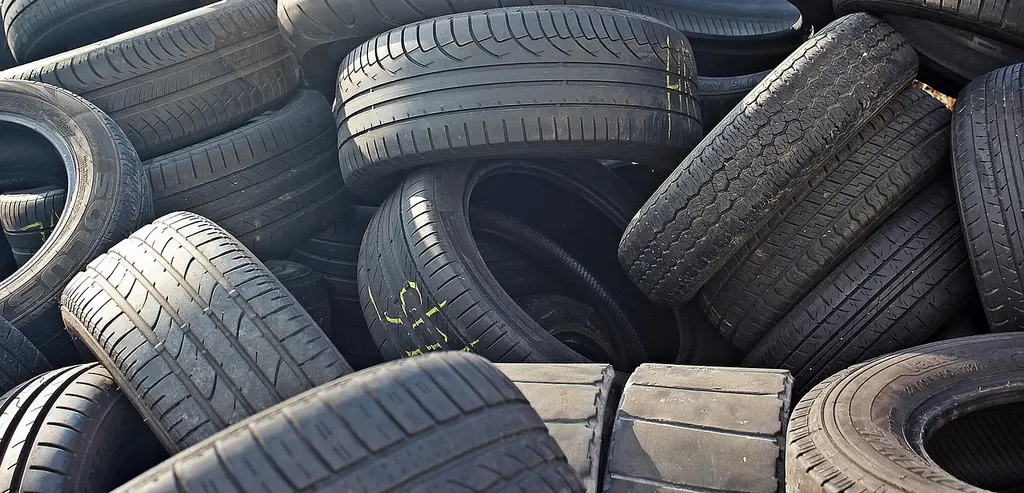
Steering wheel vibration after a tire rotation usually points to wheel, tire, or lug-torque issues. Check balance, seating, and tire defects first.
Pulling under braking points first to brake drag, tire mismatch, or a seized caliper. Alignment matters more when the car drifts without braking.
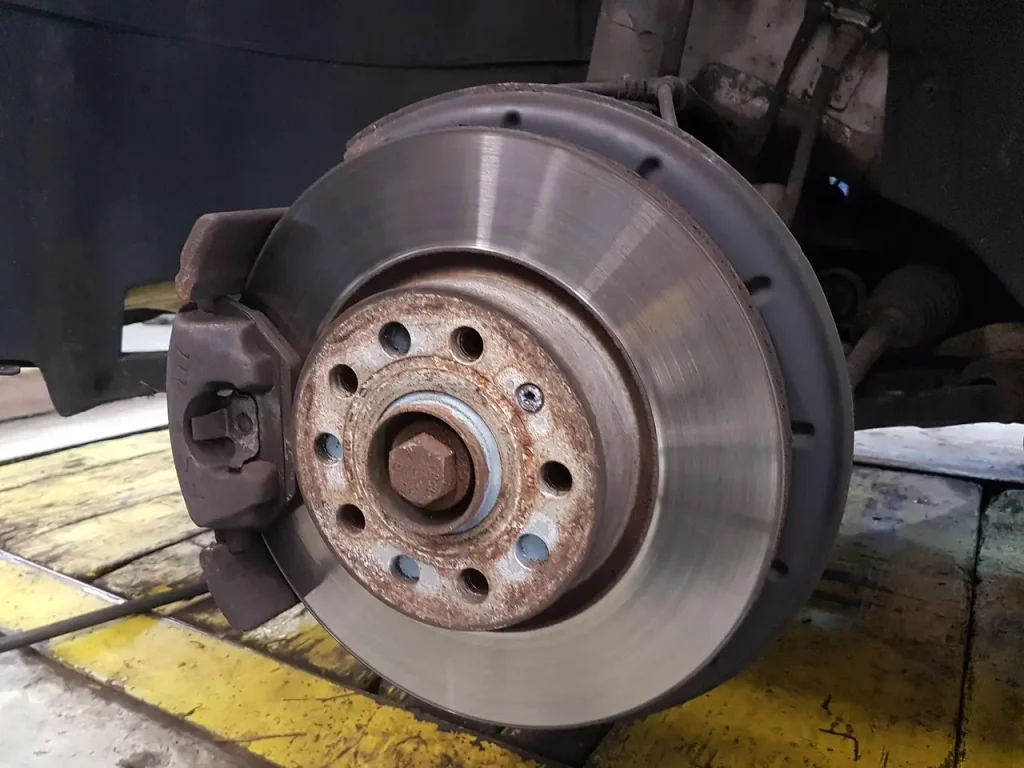
Start with the tyres, then check whether the pull happens under braking or while cruising. If it stays after 50–100 miles, inspect calipers, slide pins, hoses, pads, and alignment.
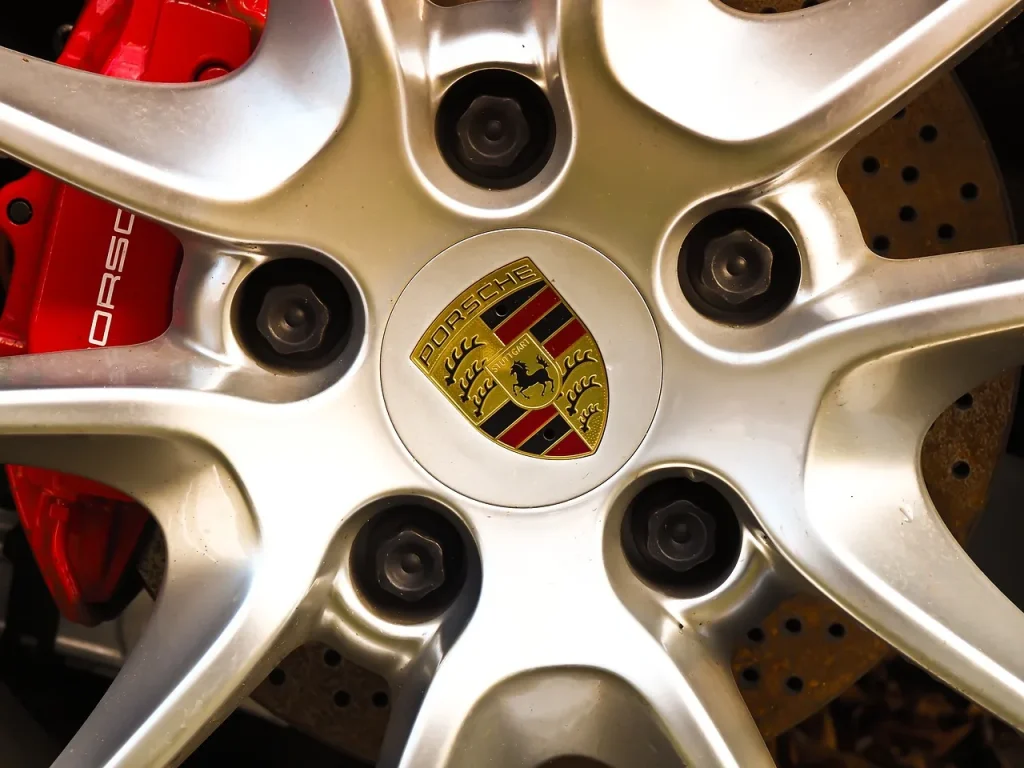
If your car brakes better in reverse, that is often normal on vehicles with rear drum brakes or a parking-brake mechanism, but it is a fault if the pull, noise, or stopping distance is new, one-sided,
A hard-and-spongy brake pedal usually means weak brake assist plus a hydraulic fault such as air, fluid loss, hose expansion, or a master-cylinder issue.