
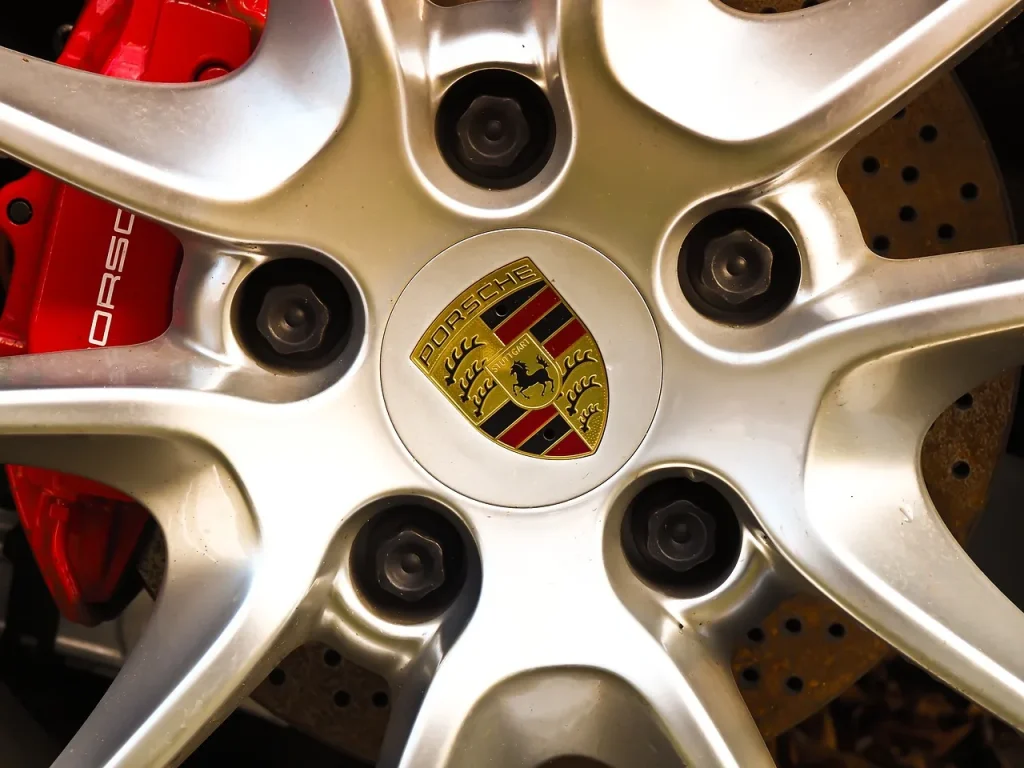
If your car brakes better in reverse, that is often normal on vehicles with rear drum brakes or a parking-brake mechanism. It is a fault if the pull, noise, or stopping distance is new, one-sided, or severe. Ignoring it can mean longer stops, overheated rear brakes, or a parking brake that drags and wears parts fast. This guide helps you separate normal brake-shoe self-energizing from faults in discs, drums, cables, and rear hardware, and shows what to inspect first.
Why reverse braking can feel different
Reverse braking can feel different because brake hardware does not act the same in both directions, and weight transfer changes too. When the car rolls backward, the suspension loads and the brake shoes or pads can contact the drum or rotor in a different way. That does not automatically mean failure.
What changes in weight transfer when you back up
Under braking, weight moves toward the front axle. In reverse, the car still transfers load forward relative to its motion, but the rear brake assembly can feel more active because of its geometry. On many cars, the front brakes still do most of the work in either direction because front weight transfer remains dominant.
Why brake bias can feel different in reverse
Factory brake bias is set for forward driving, so reverse can expose quirks that are mild or invisible going forward. Rear drums can self-energize more easily in one direction, while rear discs often feel more even unless there is drag, contamination, or uneven clamping. Electronic parking brakes can also leave rear-wheel drag if release is incomplete or only partial.
When the feeling is normal and when it is not
Normal reverse-only behavior is usually a slight change in bite or a brief scrape from surface rust. It is not normal if the car pulls hard, one wheel locks, the pedal feels odd only in reverse, or the sound repeats every time. Those patterns point to a rear brake fault, not just driving direction.
Rear brake type decides the diagnosis
Start with the rear brake architecture. Rear discs, rear drums, and electronic parking brakes create different reverse symptoms, so the same complaint does not mean the same fault. A correct diagnosis begins with the axle design, then moves to the part most likely to drag, stick, or self-energize.
Rear discs and pad-to-rotor contact
Rear disc brakes work through pad-to-rotor friction. If a caliper piston does not retract smoothly, or if slide pins corrode, one pad can stay in light contact and may create a stronger or noisier reverse stop. Uneven pad wear, heat spots, and one-sided clamping are key clues.
Rear drums and self-energizing shoe action
Rear drums use brake shoes that press outward against a drum. The leading shoe can self-energize, meaning drum rotation can help pull the shoe harder into contact. That effect can make reverse braking feel stronger on some older rear-axle layouts, especially if the adjuster is too tight or the shoes are worn unevenly.
Electronic parking brakes and rear-wheel drag
Electronic parking brakes act on the rear wheels, so any release problem shows up at the rear axle first. A partially applied mechanism, a cable issue on cable-linked systems, or a sticking actuator can leave rear brakes dragging. That drag may be more obvious in reverse because the rear wheels are doing more noticeable work during the stop.
Brake reverse symptom matrix
This matrix separates the brake type from the most likely cause and the next check. It is a diagnosis aid, not a repair order. The same symptom can have different odds depending on whether the rear axle uses discs, drums, or an electronic parking brake.
| Brake type | Reverse-only symptom | Most likely cause and next check |
|---|---|---|
| Rear discs | Better bite, pull, noise, or mild lockup | Corroded slide pins or a sticking piston are most likely. Next check: remove the wheel and inspect pad wear, then confirm both caliper slide pins move freely and the wheel turns without drag. |
| Rear drums | Better bite, pull, noise, or lockup in reverse | Self-energizing shoe action, tight adjustment, or contaminated shoes are most likely. Next check: inspect shoe thickness, adjuster movement, spring condition, and any brake-fluid or grease contamination. |
| Electronic parking brake | Better bite, pull, noise, or one-wheel drag | Partial release or actuator drag is most likely. Next check: command a full release, verify both rear wheels spin freely, and inspect the mechanism and cable path for binding if the system uses cables. |
Could a parking brake be dragging?
Yes. Parking-brake drag is one of the most common reasons a car feels different in reverse, because the rear brakes are the parts affected by the parking system. A cable that does not return fully, a sticking lever, or a partially applied electronic actuator can create a light but noticeable rear-wheel drag.
Cable drag and partial release
Cable drag happens when the cable sheath, equalizer, or lever does not return all the way. On mechanical systems, a seized cable can keep the shoes or caliper lever slightly applied. The next check is simple: confirm the parking-brake lever or pedal returns fully and that the rear wheels spin freely after release.
Sticking mechanisms and rear-wheel effect
Because the parking brake acts on the rear wheels, even a small release fault shows up there first. You may notice heat at one rear wheel, a harder reverse stop, or a scrape that changes when the parking brake is applied and released. That pattern points to drag rather than normal brake bias.
Simple release checks to try first
- Set and release the parking brake several times.
- Check that the lever or pedal returns to its stop.
- Spin each rear wheel by hand with the car safely lifted.
- Listen for scraping, and feel for unequal resistance side to side.
- Inspect the cable, equalizer, and rear lever for binding or corrosion.
Could a caliper, pad, or rotor be at fault?
On rear discs, yes. A sticking caliper, a wrong pad installation, or a damaged rotor can make reverse braking feel stronger, noisier, or uneven. These faults matter because they can create one-sided clamping, uneven pad wear, and heat that gets worse with each drive.
Sticking caliper piston and corroded slide pins
A sticking piston can hold one pad against the rotor. Corroded slide pins can do the same by preventing the caliper from centering. Either fault can cause uneven pad wear, a pull during reverse, or a wheel that feels hot after a short drive. Lockup risk rises if the piston seizes farther in.
Pad orientation, backing plate, and glazing
Brake pads must face the rotor with the friction material on the correct side and the backing plate seated in the caliper correctly. If a pad is installed backward or seated wrongly, the brake can squeal, grab oddly, or wear unevenly. Glazed pads also reduce consistent bite and can make reverse noise worse.
Rust film, scoring, and direction-specific noise
A light rust film on the rotor after rain or storage can make a brief scrape that disappears after a few stops. Deep scoring, uneven pad bedding, or rotor runout from wear or hub issues can make noise repeat in reverse. Noise alone is not proof of failure, so look for wear and drag together.
Say your rear discs squeal only on the first reverse stop after overnight parking. If the sound fades after two or three brake applications, a thin rust film is more likely than a seized caliper. If the sound stays and the left rear wheel runs hotter, inspect the caliper pins and pad wear next.
What drum-brake faults cause reverse-only symptoms?
Rear drums can feel stronger in reverse even when they are healthy, because shoe geometry helps the drum apply force differently in each direction. But a worn adjuster, weak springs, contamination, or a failed wheel cylinder can turn that normal tendency into pulling, lockup, or a harsh scrape.
Leading and trailing shoe behavior
Drum brakes use a leading shoe and a trailing shoe. In one direction, the leading shoe is pulled into the drum more strongly, which creates the self-energizing effect. If shoe lining wear is uneven or the shoes are installed incorrectly, reverse braking can become much stronger on one side.
Adjuster, springs, clips, and contamination
The adjuster mechanism sets shoe clearance. If it sticks or is set too tight, the shoes can drag and lock sooner in reverse. Weak springs, missing clips, or contaminated linings from brake fluid, grease, or gear oil can also change the feel and create reverse-only noise or pull.
Wheel cylinder leaks or seized pistons
The wheel cylinder is the hydraulic actuator for drum brakes. A leak leaves wet shoes, a low fluid level, or reduced braking on one side. Seized pistons can hold one shoe against the drum and cause drag. Either fault can show up as stronger reverse braking, a pull, or a hot rear drum.
A common first-timer mistake is assuming a loud scrape in reverse means the drum is “normal because it is older.” Suppose one rear drum is wet with brake fluid and the adjuster no longer clicks when turned. That combination points to a wheel-cylinder leak plus faulty adjustment, not ordinary drum behavior.
Do front or rear brakes wear faster?
On many cars, front brakes wear faster because the front axle handles most braking load under forward deceleration. That is the normal pattern, but it is not universal. Vehicle brake balance, rear brake design, driving style, and traction-control or ABS intervention can all change wear rates.
Factory brake bias and normal wear patterns
Factory bias usually sends more braking work to the front. The front brakes also carry more load during weight transfer, so front pads and rotors often wear faster than the rear. That said, some vehicles with aggressive rear bias, heavy towing use, or rear disc parking-brake systems can wear rear parts faster than expected.
Why some rear systems wear faster than expected
Rear brakes can wear fast when the parking brake drags, a caliper sticks, or the adjuster keeps drums too close to the shoes. On some cars, rear pads also see more use from stability systems and hill-hold features. That means rear wear can be higher even when the car is otherwise healthy.
What uneven wear can tell you
Uneven wear is a clue, not a final answer. One inner pad worn thin can point to a slide-pin problem. One rear drum much hotter than the other can point to a wheel cylinder, cable, or adjuster issue. Matching wear on both sides is more consistent with normal bias than with a single fault.
Frequently asked questions
Why does my car brake better in reverse than forward?
That usually points to rear brake geometry, especially rear drums, where the self-energizing shoe effect can increase bite in one direction. It can also point to parking-brake drag, a sticking caliper, or contaminated rear hardware. If the change is new or severe, treat it as a fault until checked.
Can brake pads be put in backwards?
Yes, in some cases pads can be installed incorrectly, especially if the backing plate orientation or shim placement is wrong. That can cause noise, uneven wear, or poor contact. A pad cannot function properly if the friction material is seated wrong in the caliper or hardware.
What is reverse automatic braking?
Reverse automatic braking is a driver-assistance function that can stop or warn the driver while backing up if the car detects an obstacle. It is separate from brake faults. If the car feels as if it stops harder only in reverse, that is a mechanical symptom, not a safety feature.
Why do my brakes lock up in reverse?
Lockup in reverse can come from a stuck caliper piston, seized slide pins, overadjusted drums, contaminated shoes or pads, or a parking brake that is not fully releasing. A wheel cylinder problem can also seize a drum brake. Lockup is not normal and needs immediate inspection.
Why are my brakes noisy only when reversing?
Reverse-only noise is often caused by surface rust on the rotor, shoe geometry in drum brakes, or hardware that shifts under load, such as worn springs, clips, or slide pins. Brief noise after storage can be harmless. Repeated noise with pull or heat points to a fault.
Do front brakes wear faster than rear?
Most vehicles wear front brakes faster because of weight transfer and factory brake bias. However, rear brake wear can increase on cars with dragging parking brakes, frequent stability-system intervention, or rear drum adjustment problems. Wear rate depends on vehicle design and use, not just axle position.

Hi, I’m Melvin, an automobile engineer with extensive experience in automobile equipment. I currently work for a local automobile firm, where I specialize in the car parts industry. I’ve had the opportunity to collaborate with seasoned inspectors, gaining invaluable hands-on experience that goes beyond just theory.
My passion for automotive care started at a young age, which led me to create CarSpareCare. Through CarSpareCare, I share the knowledge and skills I’ve acquired over the years to help others navigate the world of car maintenance and repairs.
My goal is to provide practical tutorials, essential safety advice, and the latest industry insights so that anyone—whether a beginner or an expert—can confidently tackle their automotive projects.

