Check where the odor is trapped first: fabric and foam usually need deep cleaning and an odor neutralizer, leather needs gentle surface cleaning plus seam treatment, and HVAC or trim contamination can keep the smell coming back. Skip diagnosis, and you can waste time on the wrong material while the cigarette smell stays put. This guide shows how to trace the smell in seats, seams, foam, trim, and vents, then match the right cleaning method to each one.
What you’ll need
- Vacuum with crevice tool and brush attachment
- Microfiber cloths
- Soft upholstery brush
- Low-moisture fabric cleaner for cloth seats
- Leather-safe, alcohol-free cleaner for leather seats
- Spray bottle
- White vinegar and water for hard surfaces, mixed 1:1
- Baking soda for fabric surfaces
- Activated charcoal bags or loose charcoal placed in a breathable container
- Replacement cabin air filter if odor persists with the fan on
- Gloves
- Fans or a dry, ventilated parking spot for drying
How to find the odor source
Start by asking where the smell is strongest: at the seat surface, in the seams, under the cushion, or only when the fan runs. Cigarette odor can settle in the ventilation system, carpets, seats, plastic, and seatbelts, so the strongest point tells you what to clean first.

Seat surface versus seat foam
Press your nose close to the seat, then along the lower cushion and backrest. If the top layer smells light but the odor returns after you sit down or press the cushion, the foam is likely holding residue below the surface.
Seams, crevices, and carpet edges
Run the crevice tool along stitching, seat rails, and the edge where the seat meets the carpet. These narrow gaps often hold ash and tar film long after the visible fabric looks clean. Seat seams are one of the most common hiding places.
When HVAC or the cabin filter is the likely source
Turn the fan on with fresh-air mode selected. If the odor gets stronger, the vents, ducts, or cabin air filter may be part of the problem. A dirty cabin air filter is typically replaced every 15,000 km or annually, but it is not a standalone fix for seat odor.
Cigarette smell from car diagnosis matrix
Use this matrix to match the symptom pattern to the likely source and next step. It separates surface odor from deeper contamination, which helps you avoid cleaning the wrong layer twice.
| Source | Likely symptom pattern | First step | Second step | Escalation trigger |
|---|---|---|---|---|
| Cloth seats | Smell sits in the fabric and returns after the car warms up | Vacuum, then use low-moisture upholstery cleaning | Baking soda on the surface before vacuuming | Odor returns after drying or after a day in the sun |
| Leather seats | Odor stays near stitching, perforations, or the seat bolster | Wipe with a leather-safe, alcohol-free cleaner | Clean seams and nearby trim with a microfiber cloth | Smell remains after surface cleaning and seam work |
| Seat seams and crevices | Sharp odor at stitching, buttons, or between cushion panels | Vacuum with a crevice tool | Repeat with a soft brush and vacuum again | Visible debris or odor persists in the same line of stitching |
| Seat foam | Seat smells clean at the surface but odor returns when pressed | Clean the cover, then dry fully | Repeat with lower moisture and more drying time | Odor returns after full drying and ventilation |
| Seatbelts | Smell concentrates on the webbing or buckle area | Wipe the strap with a fabric-safe cleaner | Clean the buckle housing and the retractor area | Odor remains after strap and anchor cleaning |
| Carpet edge | Odor rises from where the seat meets the floor | Vacuum the edge and under-seat area | Use baking soda on the carpet, then vacuum | Smell returns after the carpet is dry |
| Headliner | Odor is strongest overhead or in a closed cabin | Lightly wipe, do not scrub hard | Use minimal moisture only | Fabric darkens, softens, or starts to separate |
| HVAC odor | Smell changes when the fan runs or recirculation is on | Inspect the cabin air filter | Treat vents and ducts carefully | Odor stays strong with the HVAC on after filter replacement |
How do you remove cigarette smell from car seats?
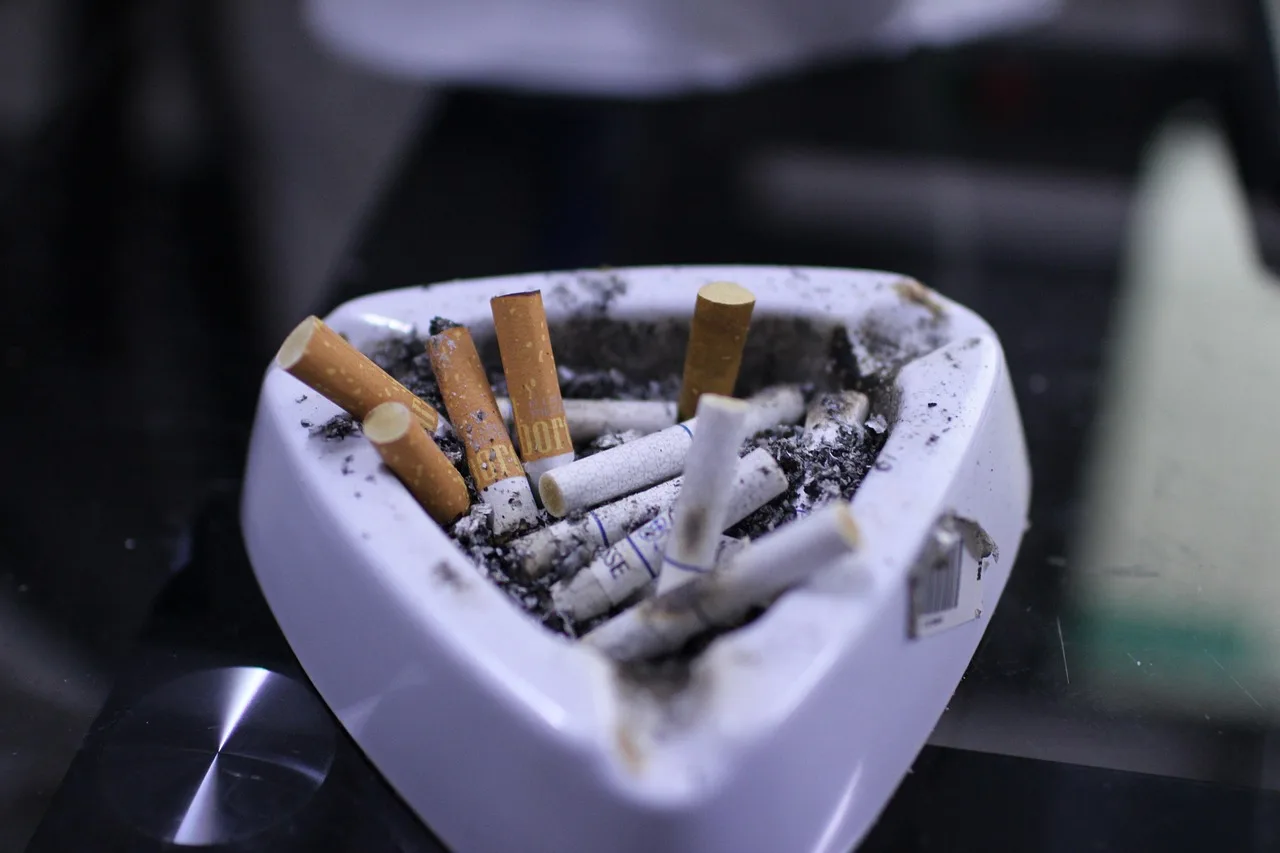
Begin with dry removal: vacuum ash, crumbs, and residue from every gap, then clean the seat material that actually holds the odor. Cloth can usually take low-moisture fabric cleaning, while leather needs a gentle, alcohol-free cleaner and very low saturation. Drying matters as much as washing, so leave the seat fully dry before judging the result.
- Open all doors and windows for at least 20 minutes, and keep air moving if possible.
- Vacuum the seat surface, seams, rails, and the carpet edge under the seat.
- Wipe hard trim nearby so residue does not move back onto the seat.
- Clean the seat by material: cloth with a fabric cleaner, leather with a leather-safe cleaner.
- Dry the area fully before deciding whether the smell is still present.
If that didn’t work, try this next
- Clean the seatbelts, nearby plastic trim, and the pocket where the seat meets the floor.
- Check whether the odor strengthens with the fan on.
- Inspect the cabin air filter and replace it if it smells stale or smoky.
- If the smell still returns after drying, move to foam or professional interior cleaning.
How do you get cigarette smell out of cloth seats?
Cloth upholstery often absorbs smoke residue more readily than leather, so low-moisture cleaning and thorough drying are commonly recommended. Baking soda can help on fabric surfaces, but it only supports odor control. It will not remove deep contamination from the foam or seatback by itself.
- Vacuum the seat thoroughly with the brush and crevice tools.
- Lightly apply a fabric cleaner and agitate with a soft brush.
- Blot with a clean microfiber cloth instead of soaking the seat.
- Leave baking soda on the fabric before vacuuming if the odor is mild.
- Dry with doors open and air moving until the seat is fully dry.
If a cloth driver seat smells fine after vacuuming but smells smoky again after about a 30-minute drive with the windows closed, that can point to residue in the foam or seam line, not just the visible fabric. In that case, use a second cleaning pass with less moisture and longer drying time.
How do you get cigarette smell out of leather seats?
Leather is less porous than cloth, but it can still hold a smoke film in stitching, perforations, and adjacent trim. Use a leather-safe, alcohol-free cleaner and keep moisture low. Do not saturate the hide or force liquid into perforations, because that can push odor deeper and leave spotting.
- Vacuum dust and ash from stitching, bolsters, and seat joints.
- Apply leather-safe cleaner to a cloth, not directly onto the seat.
- Wipe the panel in sections and dry immediately with a clean towel.
- Clean seam lines, perforations, and plastic trim beside the seat.
- Test the smell again with the fan off and then on.
A common first-timer mistake is treating leather like cloth and spraying it heavily. That can leave the surface damp while the odor remains in the seams. If the smell is stronger near the seatback seam or power-seat controls, clean those edges before repeating the full-panel wipe.
How do you get cigarette smell out of the rest of the cabin?
If the smell changes when the fan runs, the HVAC system and cabin filter need attention. Clean the vents, switch to fresh-air mode, and inspect the cabin air filter. Odor absorbers such as activated charcoal can help after cleaning, but they are support steps, not source removal.
- Set the HVAC to fresh-air mode and run the fan.
- Inspect or replace the cabin air filter.
- Vacuum under the seats and around the carpet edge.
- Place activated charcoal under the seats after cleaning.
- Use a vinegar and water solution, mixed about 1:1, only on hard surfaces that can tolerate it.
Do not spray cleaners into electrical openings or directly into the vent depth. If the odor comes from the ducts, use a product meant for HVAC treatment and follow the dwell time on the label; one guide describes a four to six hour wait before re-entry. Ozone generator use is a last-resort step, not the default first choice, and it should only be used in an unoccupied vehicle.
Common mistakes
The biggest error is masking the smell instead of removing the residue. Air fresheners can cover the odor for a short time, but the tar film in seams, foam, or vents will keep releasing smell later. Another common mistake is over-wetting leather, foam, or the headliner.
- Skipping the seat seams and crevices.
- Using too much liquid on leather.
- Scrubbing the headliner hard.
- Relying on baking soda or charcoal alone for heavy contamination.
- Ignoring the cabin air filter when the smell changes with the fan on.
- Using ozone too early instead of trying material-specific cleaning first.
Frequently asked questions
How to get smoke smell out of car seats
Vacuum first, then clean the seat material itself. Cloth often needs low-moisture shampooing, while leather needs a gentler surface cleaner. If the odor returns after drying, check the foam underneath, because smoke residue can reappear from deeper layers even when the cover looks clean.
What removes cigarette odor from car seats fastest?
The fastest useful step is vacuuming every seam, crevice, and carpet edge, followed by the correct cleaner for the seat material. Activated charcoal can help after cleaning, but it is a support step. It does not replace source removal from fabric, foam, or vents.
Why does cigarette smell keep coming back after cleaning?
The smell usually returns because the source was only cleaned on the surface. Common hidden sources are seat foam, seam lines, the cabin air filter, and HVAC ducts. If the odor returns after the seat dries, the contamination is deeper than the top layer.

Hi, I’m Melvin, an automobile engineer with extensive experience in automobile equipment. I currently work for a local automobile firm, where I specialize in the car parts industry. I’ve had the opportunity to collaborate with seasoned inspectors, gaining invaluable hands-on experience that goes beyond just theory.
My passion for automotive care started at a young age, which led me to create CarSpareCare. Through CarSpareCare, I share the knowledge and skills I’ve acquired over the years to help others navigate the world of car maintenance and repairs.
My goal is to provide practical tutorials, essential safety advice, and the latest industry insights so that anyone—whether a beginner or an expert—can confidently tackle their automotive projects.