
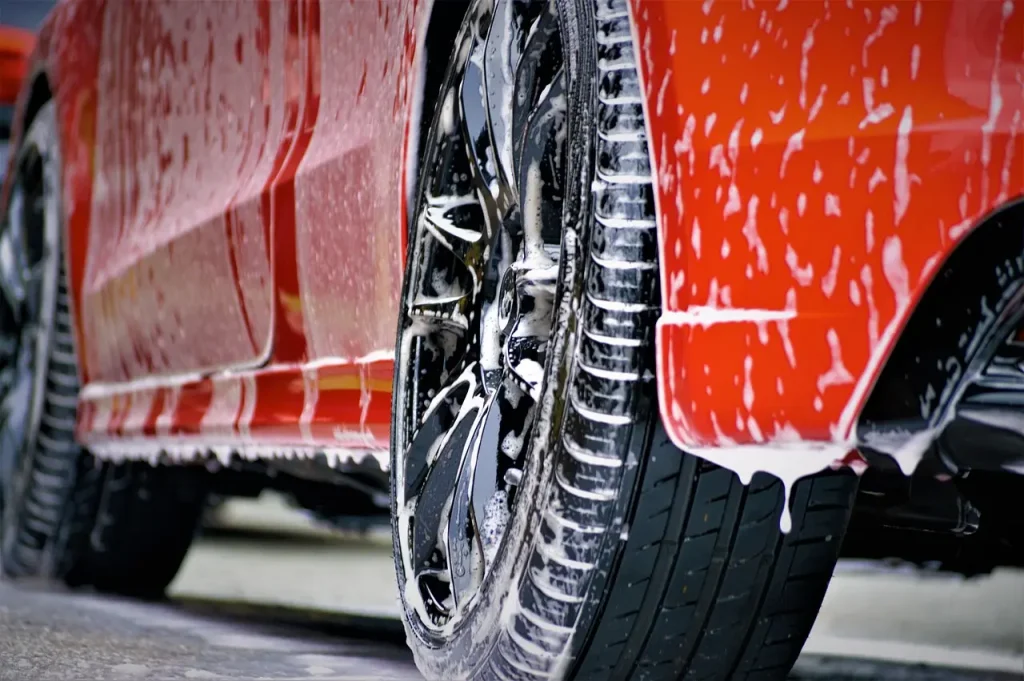
Use a two-bucket wash with a grit guard and a mitt after a thorough pre-rinse; if the car is dusty, rinse first, and if it feels gritty, use a touchless pre-wash before any mitt touches the paint. I learned that the hard way on black cars, where a few lazy passes leave swirls in plain sight. This guide shows how to choose the right wash method for dust, mud, salt film, and already-dirty cars so you clean without scratching.
What you’ll need
- Two buckets with grit guards or dirt-trap inserts
- pH-neutral car shampoo
- Microfiber or wool wash mitt, dedicated to paint only
- Plush microfiber drying towel
- Drying aid or quick detailer for the final wipe
- Hose, pressure rinse, or foam cannon for pre-rinsing
- Separate wheel bucket, wheel mitt, and wheel towel
- Soft snow brush or de-icer tool for frozen grime
- Rinseless wash solution for light dust only
- Bird-dropping remover or plain water for spot soaking
Why scratches happen when you wash a car
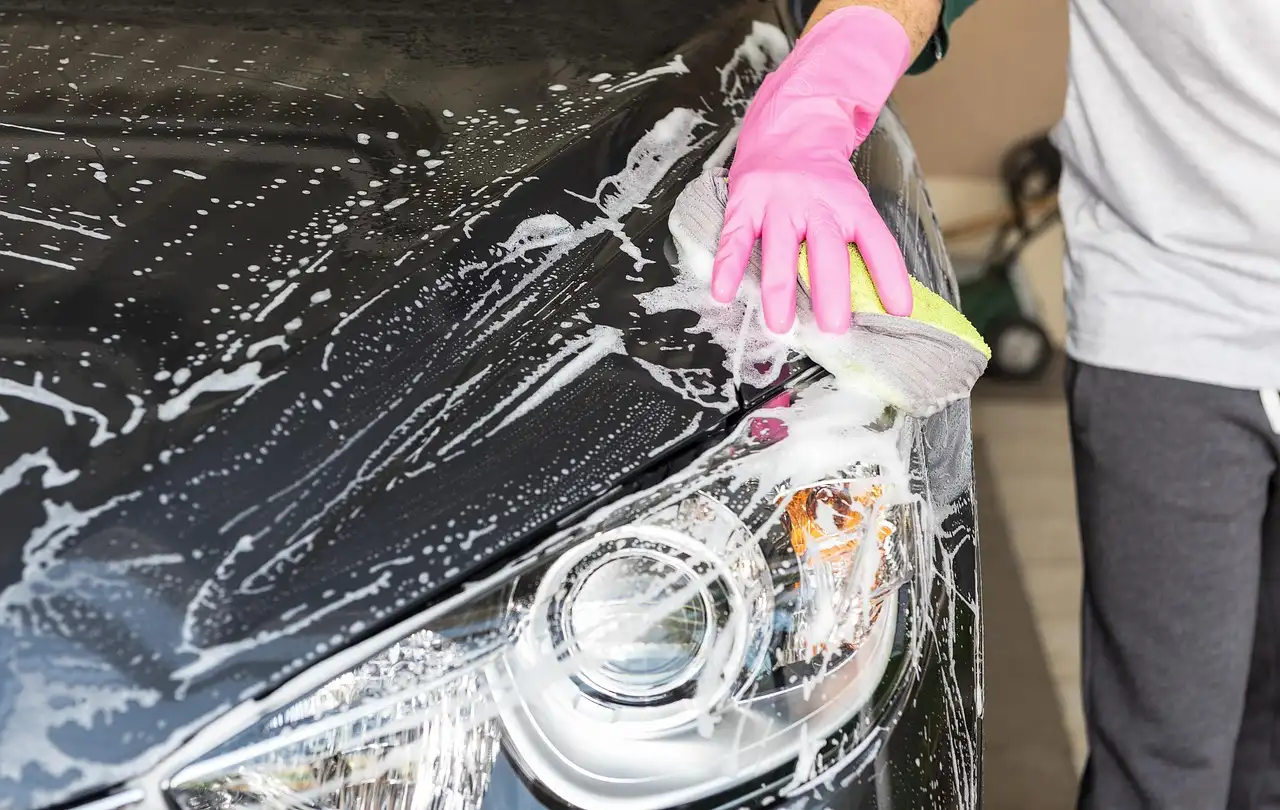
Clear coat is the outermost finish layer, and it tends to show marks before the color coat does. Dirt particles sit on that surface like grit on sandpaper. When the mitt or towel drags them, the result is swirls and micro-scratches, and those defects stand out most on dark paint.
Touch should be avoided when contamination is heavy, frozen, or packed into seams. Road salt, mud, and winter slush are usually not treated as “light dirt.” They need removal before contact. A safe wash is really a contamination decision first, and a washing technique second.
What black and soft-clear-coat paint changes
Black paint does not always scratch more easily, but it often shows marring sooner because reflections are stronger and defects read sharper. Soft clear coat also loads up with towel drag faster. That means gentler tool choice, more rinsing, and less pressure.
What wash method should you use for the dirt on the car?
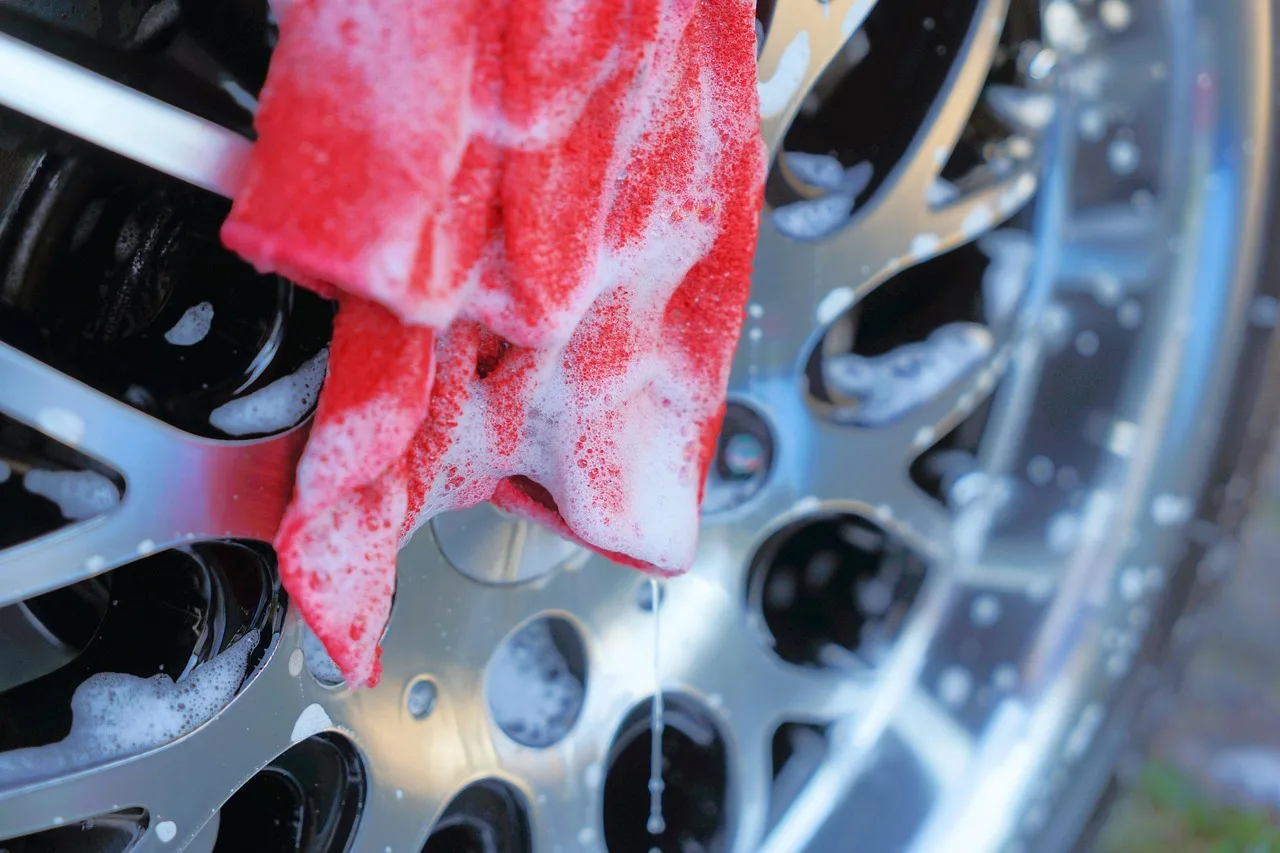
Match the method to the contamination level. Light dust can often be handled with a lubricated rinseless wash or detail spray, as long as the surface is only lightly soiled and the towel stays wet enough to help lift residue away. Heavy dirt needs water first, not more pressure.
| Contamination | Safest method | Tools | No-go actions |
|---|---|---|---|
| Light dust | Rinseless wash or detail spray | Soft microfiber towel, plenty of lubricant | No dry wiping, no pressure, no circular rub |
| Pollen | Pre-rinse if buildup is visible; rinseless only for a light film | Hose rinse, microfiber mitt | No dry dusting with a cloth |
| Bird droppings | Soak and lift, then rinse before contact | Water, soft towel, pH-neutral shampoo if needed | No scraping, no dry wiping |
| Road salt film | Pre-rinse or touchless prewash first | Hose, foam cannon, wheel tools kept separate | No mitt on salty paint before rinse |
| Mud | Rinse until loose soil is gone, then contact wash | Strong rinse, two buckets, mitt | No direct mitt contact with caked mud |
| Snow and frozen grime | Soft snow brush or de-icer first, then rinse | Paint-safe brush, washer fluid, warm garage only if available | No hard bristles on dirty frozen panels |
How do you wash a car without scratching the paint?
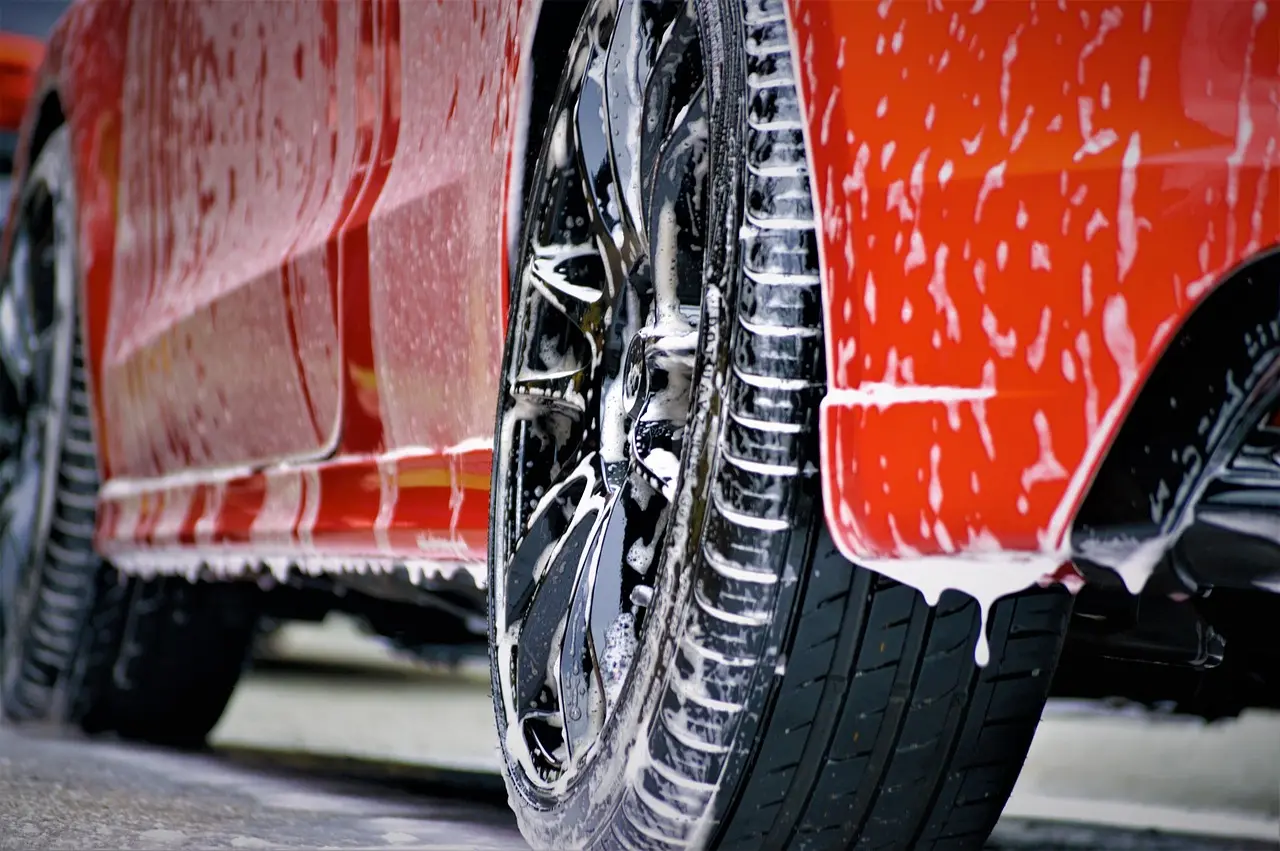
Start by removing loose grit, then use a two-bucket wash with a gentle car shampoo and a clean mitt. Work from the top down, rinse the mitt often, and dry with a plush microfiber towel using blotting or very light passes. That order keeps abrasive particles off the paint.
- Rinse the whole car until loose dirt starts to move.
- Fill one bucket with shampoo solution and one with clean rinse water, then use grit guards if you have them.
- Wash the roof, glass, hood, and upper panels first.
- Glide the mitt in straight passes, not circles.
- Rinse the mitt in the clean bucket after each panel or pair of panels.
- Wash lower panels and bumper sections last.
- Rinse thoroughly, then dry with a plush microfiber towel and drying aid if needed.
If that didn’t work, try this next
- Switch from a contact wash to a foam or hose prewash.
- Let the foam dwell briefly, then rinse again before mitt contact.
- Use a fresh mitt and a fresh drying towel if the first set picked up visible grit.
How do you handle wheels, rocker panels, and lower grime?
Wash the dirtiest areas last and keep their tools separate from paint tools. Wheels, tires, rocker panels, and rear bumper edges usually carry the heaviest dirt load on the car. If that grit gets onto your mitt or towel, it follows you onto the clear coat.
Use a separate bucket, mitt, and towel for wheels and lower panels. Never move that gear back to the paint. Lower rocker panels should be treated like contamination sources, not just dirty trim. Clean them after the upper body is finished.
Common mistakes that cause paint damage
The most common failures are simple. They are also expensive. A dirty mitt, a dry towel, and frozen grime all turn into scratches fast.
- Using one bucket for everything: the mitt reloads grit every time it goes back in.
- Washing a dirty car dry: dust becomes abrasive as soon as pressure starts.
- Reusing a contaminated mitt on paint: wheel grit cuts faster than normal road film.
- Drying with the same towel used on wheels: brake dust is sharp and should never touch paint towels.
- Scrubbing salt, mud, or frozen grime: if it is stuck, it needs removal by rinse or prewash first.
- Using rough sponges or old bath towels: they trap dirt at the surface and drag it across the clear coat.
Prevention
Keep one kit for paint and one for dirty work. Mark the wheel towel and wheel mitt so they never get mixed into the paint set. That small separation prevents most accidental contamination.
How do you clean snow off car without scratching paint?
Use a soft snow brush or de-icer tool to remove loose snow first, then rinse away the slush underneath before touching the paint with a mitt. Do not press a hard brush into frozen grit. That combination acts like a scraper on the clear coat.
If the car is coated in frozen road spray, thaw the buildup with de-icer, washer fluid, or a brief indoor soak if available. Then rinse. If the snow has turned into icy dirt at the lower edges, leave those sections for a full pre-rinse or touchless prewash.
How clean dust off car without scratching paint?
Very light dust can be removed with a well-lubricated rinseless wash or detail spray, but only when the surface is truly dry-dust light. If you can feel grit with a finger, stop and rinse first. The towel must stay wet enough to float the dust away.
Fold the towel into clean sides, use a straight pass, and stop as soon as the towel picks up visible grime. If the car sat through pollen, tree debris, or a windy day with sandy dust, a quick mist is not enough. Rinse or prewash first.
Do all car washes scratch paint?
No. A wash only scratches when dirt is rubbed into the clear coat or when hard brushes, dirty towels, or poor technique are used. A well-run hand wash with clean tools and a proper pre-rinse is generally safe. The problem is contamination control, not washing itself.
Automatic washes vary. Soft-touch systems can still be risky if the brushes are dirty, while touchless systems avoid contact but may leave some bonded film behind. At home, the safest path is to match the method to the dirt level and keep separate tools for paint, wheels, and lower panels.
How to clean paint scratch on car
If the mark is a true scratch, washing will not remove it. First clean the area with car shampoo and inspect it under bright light. If it catches a fingernail, it may need paint correction rather than more washing. If it is just a surface mark, a polish may clear it.
For a shallow clear-coat mark, wash and decontaminate the panel first, then use a fine finishing polish with an applicator or machine pad suited to the paint. If the line is through the clear coat or to primer, body repair is the safer route.
Frequently asked questions
How to hand wash car without scratching paint?
Keep the wash media clean and the pressure light. Wash the top panels first, clean the lower panels last, and never reuse wheel gear on paint. A grit guard in each bucket helps keep abrasive particles out of the mitt between passes.
How to wash car at home without scratching paint?
Set up two buckets, a wash mitt, a drying towel, and separate wheel tools before starting. Work in shade, keep the panels cool, and use a drying aid if the towel starts to drag. The safest home wash is slow enough to keep contamination separated.
How to wash a black car without scratching it?
Black paint needs stricter contamination control because marring shows faster. Use a strong pre-rinse, a clean mitt, and a plush drying towel with a drying aid. Stop if the mitt picks up grit. Any dirty contact on black paint tends to leave visible swirls quickly.

Hi, I’m Melvin, an automobile engineer with extensive experience in automobile equipment. I currently work for a local automobile firm, where I specialize in the car parts industry. I’ve had the opportunity to collaborate with seasoned inspectors, gaining invaluable hands-on experience that goes beyond just theory.
My passion for automotive care started at a young age, which led me to create CarSpareCare. Through CarSpareCare, I share the knowledge and skills I’ve acquired over the years to help others navigate the world of car maintenance and repairs.
My goal is to provide practical tutorials, essential safety advice, and the latest industry insights so that anyone—whether a beginner or an expert—can confidently tackle their automotive projects.

