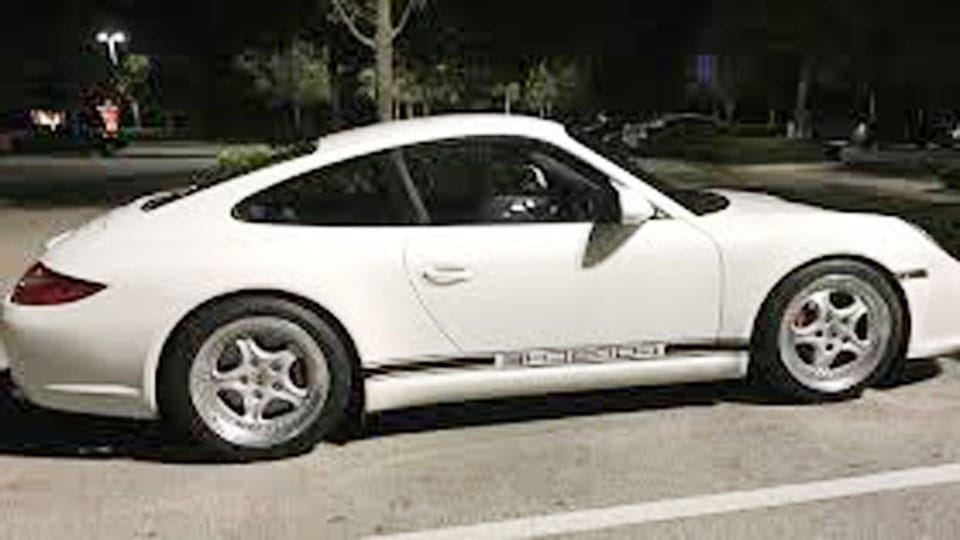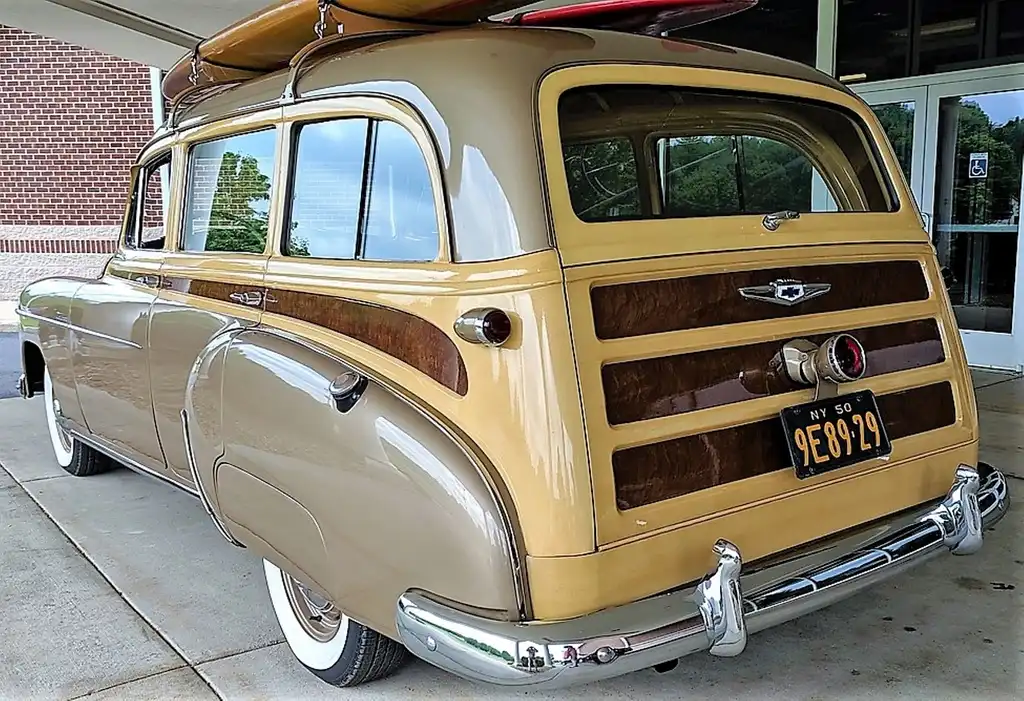
Wheel covers can improve fuel economy slightly, but only on cars that spend long stretches at steady highway speed. The fuel-economy gain from wheel covers is often small, commonly around 1% to 3%, so city driving may not show much difference. Poor fitment can rub, block brake airflow, or fall off. This guide explains when wheel covers help, when they do not, and how to choose to keep, remove, or buy them.
Wheel covers and fitment
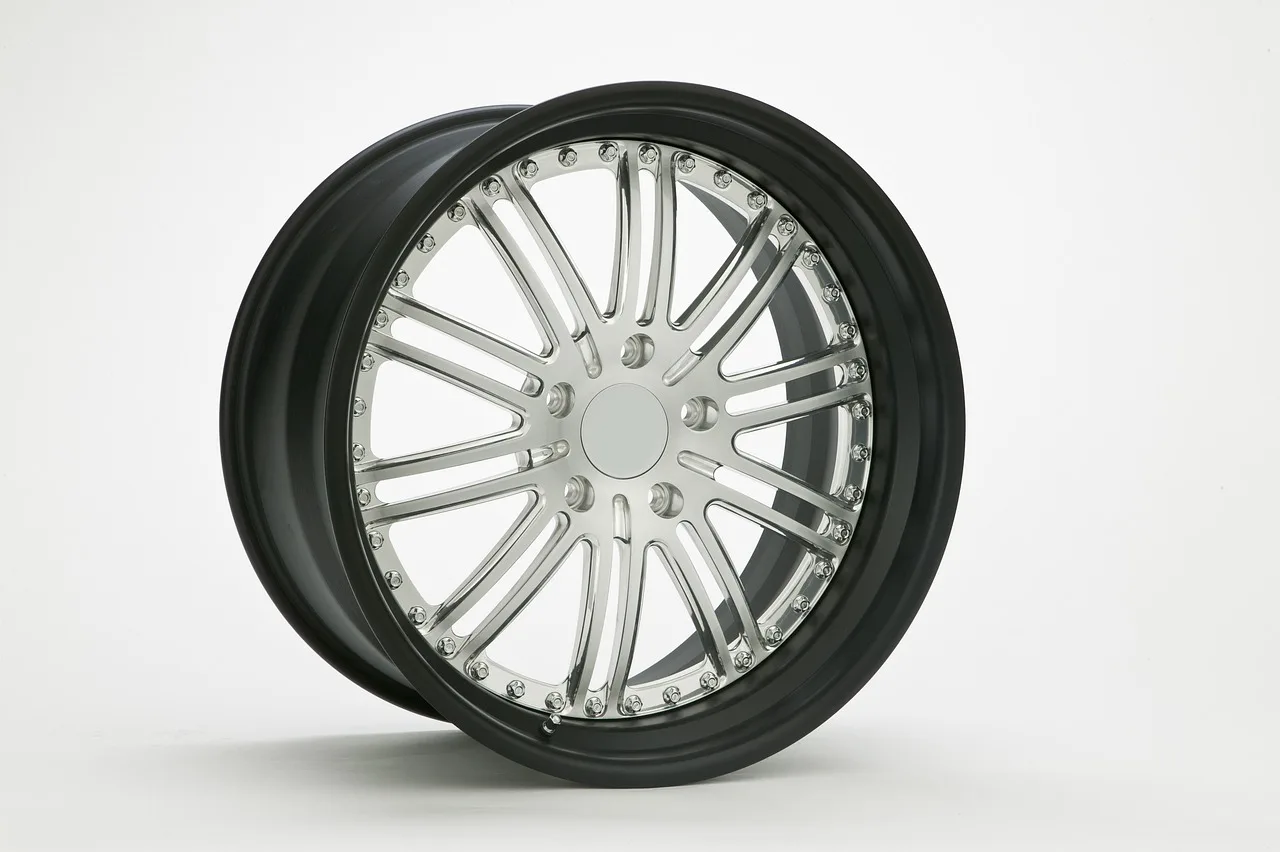
Wheel covers are outer covers that sit over a wheel face, usually on steel wheels. Some are full-face pieces that hide most of the wheel; others are smaller center caps that only cover the hub area. Decorative versions mainly change appearance, while aero-focused versions are shaped to smooth airflow.
Plastic is common because it is light and inexpensive. Metal covers exist, but they are less common and often used for durability or appearance rather than airflow. The fit has to be correct. A loose cover can rattle, scuff the wheel, or come off at speed.
Full-face covers versus center-only designs
Full-face covers are often the type discussed when MPG is the focus. They close off more of the wheel face, so they can cut turbulence around the spokes and wheel well. Center-only designs are mostly cosmetic. They leave most of the wheel exposed, so any aerodynamic effect is much smaller.
Steel wheels versus alloy wheels
Steel wheels are a common match for standard wheel covers. Without covers, they usually look unfinished and can benefit from the cover’s corrosion protection role. Alloy wheels already have a finished visible surface and usually do not need standard wheel covers. They are a different use case entirely.
Do wheel covers improve fuel economy?
Yes, but the effect is usually small and easiest to detect on steady highway routes. Wheel covers matter aerodynamically because wheels are exposed rotating objects, and closing the wheel face reduces turbulence from spokes. In normal city driving, stop-and-go speed changes usually hide that gain inside everyday MPG variation.
The change depends on speed, wind, temperature, and driving style. A cover that looks efficient on paper may do very little in mixed use. Published aftermarket percentage claims should be treated skeptically, because the testing conditions behind them are often narrow and hard to repeat.
Why highway speed matters more than city driving
Aerodynamic drag rises with speed, so the wheel area matters more as road speed climbs. At lower speeds, acceleration, braking, idling, and traffic timing often affect MPG more than wheel turbulence. On a long freeway commute, the same cover has more time to influence total fuel use.
Say your daily route is 8 miles of lights and stop signs, then you switch to a full-face cover on steel wheels. Any MPG change may be too small to see. Suppose the same car spends 50 miles at 65 mph each day; the cover is more likely to produce a measurable difference there.
Why testing conditions can hide the change
Wind, temperature, traffic, tire pressure, fuel blend, and throttle use can all move MPG enough to blur a small wheel-cover effect. That is why anecdotal results are unreliable without controlled testing. A single tank reading proves very little unless the route and conditions are close enough to compare.
Will wheel covers help your car?
The answer depends on how and where the car is used. A highway commuter has the best chance of seeing a small MPG change. A city driver usually will not. Hybrids and EVs are the clearest use case because efficiency and range are tracked closely, while tow, track, and heavy-braking use changes the answer again.
| driving pattern | vehicle type | likely MPG impact | recommendation |
|---|---|---|---|
| city-only driving | any passenger car | Usually buried by normal variation | Choose covers for looks, fit, and durability first |
| mixed commuting | gas car on steel wheels | Small and often hard to isolate | Use them if you like the look and they fit securely |
| steady highway use | gas car or mild hybrid | Small but more likely to be measurable | Worth trying if aero shape and retention are good |
| hybrid/EV use | hybrid or battery EV | Small, but can matter more for range planning | Good candidate for aero-style covers, especially if factory-like |
| tow/track use | performance car, tow vehicle | Usually not worth the tradeoff | Prioritize brake cooling and secure fit over MPG |
| steel-wheel winter setup | steel wheels in cold weather | Little MPG change expected | Keep covers if they fit well and do not trap debris or ice |
- Fill the tank and record the odometer, trip meter, tire pressure, temperature, and the same route pattern.
- Drive one tank with the covers on, then one tank with the covers off, keeping speed, cargo, and route as similar as possible.
- Compare the two fill-ups, not one trip. A small difference below normal tank-to-tank variation should be treated as inconclusive.
Why aerodynamics matter near the wheels
Wheel openings are messy airflow zones. Spinning spokes stir air, and the wheel well creates drag as air enters, swirls, and exits. Closing the wheel face can reduce that disturbance. The effect is usually more noticeable at higher road speed, where drag becomes a larger part of the fuel-economy picture.
Wheel-spoke turbulence and wheel wells
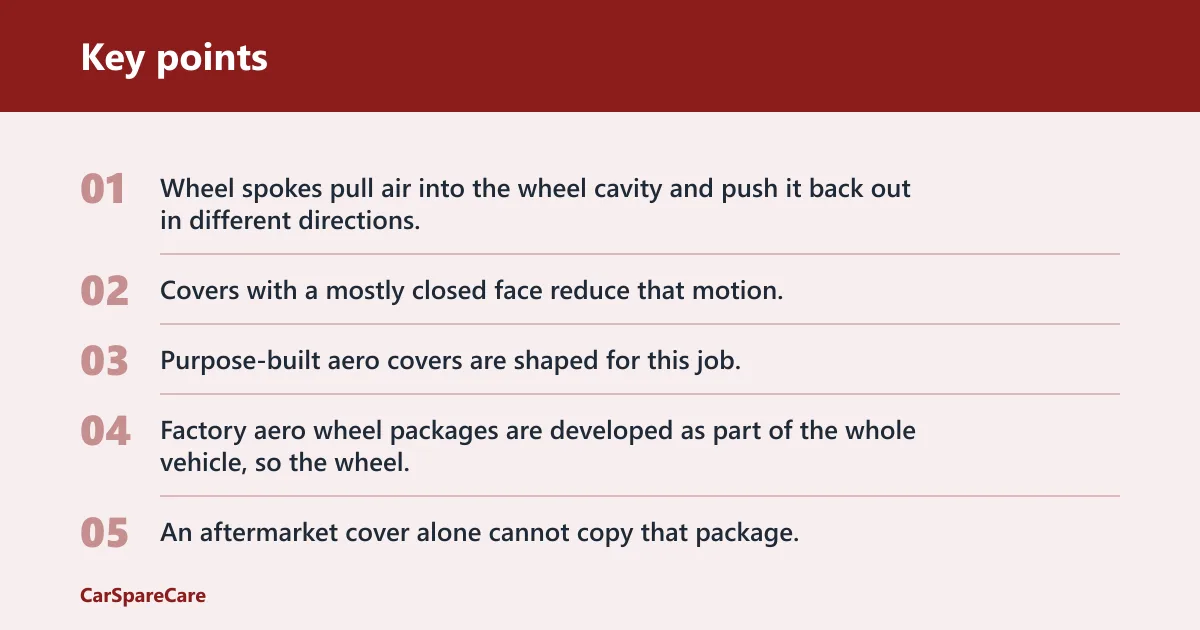
Wheel spokes pull air into the wheel cavity and push it back out in different directions. That creates turbulence that increases drag. Covers with a mostly closed face reduce that motion. Purpose-built aero covers are shaped for this job, while decorative covers may simply hide the wheel.
Factory aero wheel packages are developed as part of the whole vehicle, so the wheel, tire, brake, fender, and underbody all work together. An aftermarket cover alone cannot copy that package. It can only trim a small part of the total drag.
Do wheel covers affect braking or safety?
Yes, they can. Brake cooling is the main objection to fully closed covers. If a design blocks too much air, brakes may run hotter during long descents, towing, repeated hard stops, or track use. A vented cover is safer than a fully closed cover in those conditions.
Fitment matters too. A cover that is not clipped on correctly can rattle, scuff the wheel, or throw itself off at speed. WheelShell notes that wheel covers are not legally required in most U.S. states, and removing them has no effect on driving performance or safety in the ordinary sense, but poor retention is still a real maintenance issue.
Brake cooling in normal driving versus track use
Normal road driving rarely asks much of the brakes for long periods, so a closed cover may be acceptable if it fits well. Track days, mountain towing, and repeated hard braking are different. In those cases, airflow to the brakes matters more than a tiny MPG gain.
A common first-timer mistake is fitting a fully closed cover to a car used for steep downhill commuting, then wondering why the brakes smell hotter than expected. The cover did not create the heat. It reduced the air available to shed it.
Hybrid and EV wheel covers
Hybrids and EVs are the clearest place where aero wheel covers make sense. Efficiency and range are tightly managed, so even a small drag reduction can matter. That is why many factory designs on these vehicles use smooth wheel faces or aero-styled wheel shapes rather than open spokes.
That said, factory development is not the same as an aftermarket add-on. Automakers tune the wheel, tire, brake cooling, and body airflow together. A bolt-on cover may help, but it will not duplicate the full factory setup.
When small gains are worth chasing
If a hybrid or EV already spends most of its time on the highway, a secure aero-style cover is more defensible than on a short-trip city car. The goal is not a dramatic MPG jump. It is a small efficiency gain that can be measurable under the right conditions.
What is the difference between wheel covers and hubcaps?
In everyday use, the terms often overlap, but buyers should separate function from appearance. A wheel cover is a broader term for an outer cover on the wheel face. A hubcap usually refers to a smaller cap over the hub area, though many drivers use the word for any steel-wheel cover.
Alloy wheels are not standard wheel-cover vehicles. They already have a finished surface and are usually left visible. Steel wheels are the common match for full wheel covers, especially when the goal is a cleaner look, corrosion protection, or a small aero change.
Frequently asked questions
Do wheel covers affect mpg?
Yes, they can affect MPG, but usually by a small amount. The change is most likely to show up at steady highway speed, where aerodynamic drag matters more. In mixed or city driving, normal MPG variation often hides the effect, so a single tank reading is not a reliable answer.
Will taking wheel covers off hurt gas mileage?
Removing wheel covers can lower MPG slightly if the original covers were reducing drag, especially on highway routes. On many cars, the difference is small enough that daily driving will not make it obvious. If the covers are loose, noisy, or badly fitted, removing them may be the better choice.
Are wheel covers worth it for a hybrid?
Often yes, if the covers are aero-focused and fit securely. Hybrids are efficiency-minded, so even a small reduction in drag can be worth considering, especially on highway commuting. For short city trips, the same cover may not produce a change you can clearly detect.
How much MPG do wheel covers save?
Claims vary, but the realistic expectation is small. WheelCovers.com claims aerodynamic covers can improve fuel efficiency by 1 to 2%, and that published percentage should still be treated cautiously because testing conditions matter. Real-world results depend on speed, wind, temperature, and how the car is driven.
Should I remove wheel covers for looks or keep them on?
Keep them on if you like the look, want the slight aero benefit, and the fit is solid. Remove them if they rattle, clash with the wheel style, or block too much brake airflow for how the car is used. Aesthetic preference is a valid reason either way.

Hi, I’m Melvin, an automobile engineer with extensive experience in automobile equipment. I currently work for a local automobile firm, where I specialize in the car parts industry. I’ve had the opportunity to collaborate with seasoned inspectors, gaining invaluable hands-on experience that goes beyond just theory.
My passion for automotive care started at a young age, which led me to create CarSpareCare. Through CarSpareCare, I share the knowledge and skills I’ve acquired over the years to help others navigate the world of car maintenance and repairs.
My goal is to provide practical tutorials, essential safety advice, and the latest industry insights so that anyone—whether a beginner or an expert—can confidently tackle their automotive projects.