Curb rash is scrape damage on a wheel’s outer edge. It is usually cosmetic unless the impact bends the wheel, cracks the rim, distorts the bead seat, or damages the tire; any air loss, vibration, or visible crack means stop and inspect. Ignore real wheel damage, and you can get slow leaks, steering vibration, or wheel failure. Industry safety guidance from tire makers, AAA, and NHTSA is consistent on the main warning signs: cracks, bulges, leaks, and unusual handling mean the wheel or tire needs attention before continued driving.
What curb rash means
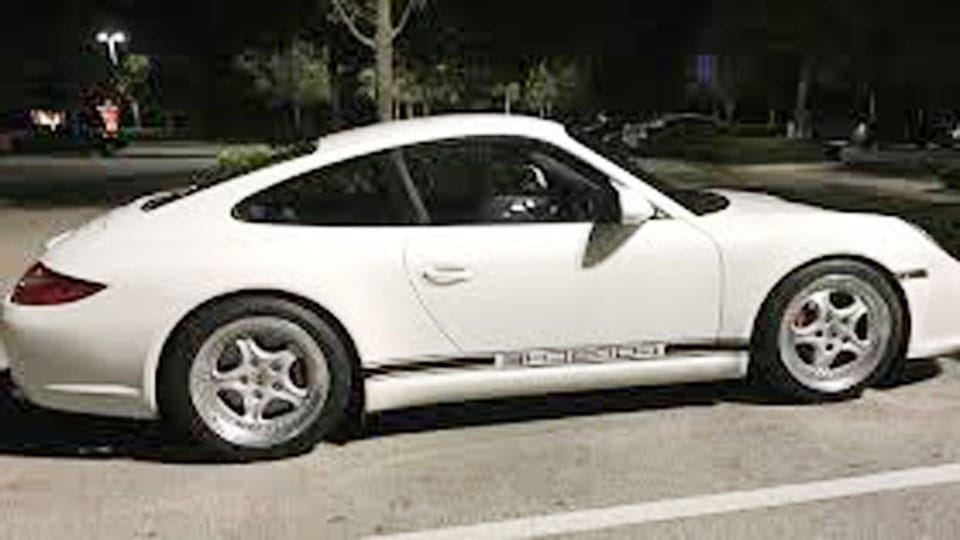
Curb rash is scraping, scuffing, or gouging on a wheel from contact with a curb, parking block, or similar edge. It most often affects the outer lip, but it can also reach the face of the wheel, spokes, or areas near the lug seats when the strike is harder.
Alloy wheels are common victims. Painted, powder-coated, machined-face, and polished finishes can all be marked, and once the coating is gone, bare aluminum can oxidize over time.
What it looks like on alloy wheels
Light curb rash usually leaves a rough, bright scrape along the wheel’s outer edge. Deeper contact can leave gouges, metal burns, or a flattened spot that is easier to feel than to see. On a machined-face wheel, the damage often stands out more because the cut finish contrasts with the original surface.
Finish type matters because repair difficulty changes with it. Painted and powder-coated wheels can often be refinished more easily than polished or machined faces, where color match and surface texture are harder to restore cleanly.
Is curb rash only cosmetic?
No. A scrape alone is usually cosmetic, not automatically structural, but deeper damage can be unsafe. The key question is not how ugly the wheel looks. It is whether the hit bent the rim, cracked the wheel, distorted the bead seat, or damaged the tire.
Shallow scuffs and exposed aluminum
Shallow outer-lip scuffs are often limited to the finish. That can still matter, because exposed aluminum may corrode later if the coating is broken. Cosmetic damage can also spread under the finish if water and road salt reach the bare metal.
As a general rule, a shallow scrape on the outer edge with no vibration, no steering pull, and no pressure loss is more likely cosmetic than structural. That is not a safety guarantee; it is only a sign that the wheel may be fine until a closer inspection confirms there is no crack, bend, or leak.
When damage becomes structural
Structural wheel damage includes cracks, bends, distorted bead seats, and damage near load-bearing areas. Those problems can make a wheel unsafe even if the visible rash looks minor. A harder impact can leave a bent rim or a crack that needs a different response than refinishing.
For related guidance, see Structural wheel damage and Tire sidewall bubbles.
Why location on the wheel matters
Damage near the outer lip is often less serious than damage near the bead seat, spokes, or lug area. The bead seat is the sealing surface where the tire meets the wheel, so distortion there can sometimes cause air loss without an obvious dramatic break.
A scuffed lip and a cracked spoke are not in the same category. The first may be repairable cosmetic damage; the second may call for replacement or a structural repair opinion before the car goes back into daily use.
Wheel damage safety triage
Use the visible damage, the symptom, and the next step together. The cue is simple: drive if the damage is minor and symptom-free, inspect soon if the impact is deeper or symptoms are mild, and stop if there is a crack, bulge, leak, or vibration. If the wheel has a crack, bend, bulge, repeated pressure drop, or vibration, the safe move is to stop and inspect before driving far.
| Visible damage type | Likely risk level | Decision cue | Next action |
|---|---|---|---|
| Shallow outer-lip scuff | Low, usually cosmetic | Drive | Clean, inspect for hidden cracks, then schedule cosmetic repair if desired |
| Light scrape with exposed aluminum | Low to moderate | Drive | Watch for corrosion, and repair the finish when convenient |
| Deep gouge in the wheel face | Medium | Inspect soon | Inspect for cracks and wheel runout before driving far |
| Damage at the bead seat | High | Stop | Park the car and arrange inspection; sealing damage can cause air loss |
| Vibration after the strike | High | Stop | Inspect for a bent wheel or balance problem |
| Air loss | High | Stop | Check the tire and wheel immediately; do not keep driving on a leaking tire |
| Sidewall cut | High | Stop | Do not rely on the tire; get an immediate tire inspection and likely replacement |
| Bent rim | High | Inspect soon | Inspect before use; wheel balancing may also be needed |
| Cracked wheel | Critical | Stop | Stop driving and have the wheel assessed for replacement or safe structural repair |
| Lug-area damage | Critical | Stop | Do not keep driving until a technician checks the load-bearing area |
| Repeated pressure drop | High | Inspect soon | Inspect for a slow bead leak or hidden crack |
What symptoms mean inspect now?
Any new vibration, air loss, repeated pressure drop, or steering pull after a curb hit deserves prompt inspection. These symptoms tell you the damage may be deeper than the finish. A cosmetic scrape on its own is one thing. A wheel that shakes, leaks, or changes how the car steers is another.
Vibration after the curb strike
Unusual steering wheel vibration is a warning sign after impact damage. It can point to a wheel that is bent or no longer round, which may also mean balancing is needed. If the vibration starts right after the curb contact, do not treat it as a cosmetic issue.
Air loss or repeated pressure drop
Persistent tire pressure loss can indicate hidden cracks or a slow bead leak. That matters because a wheel may look lightly marked while the bead seat is distorted enough to leak. If the tire keeps losing pressure after it was inflated correctly, the wheel and tire both need attention.
Steering pull or unusual handling
Steering pull can mean the wheel, tire, or alignment changed after a hard strike. Wheel alignment may be checked after a forceful curb hit, but a cosmetic scrape alone does not automatically require it. If the car still tracks straight and the wheel is only scuffed, alignment is less likely to be the issue.
Where wheel and tire damage differ
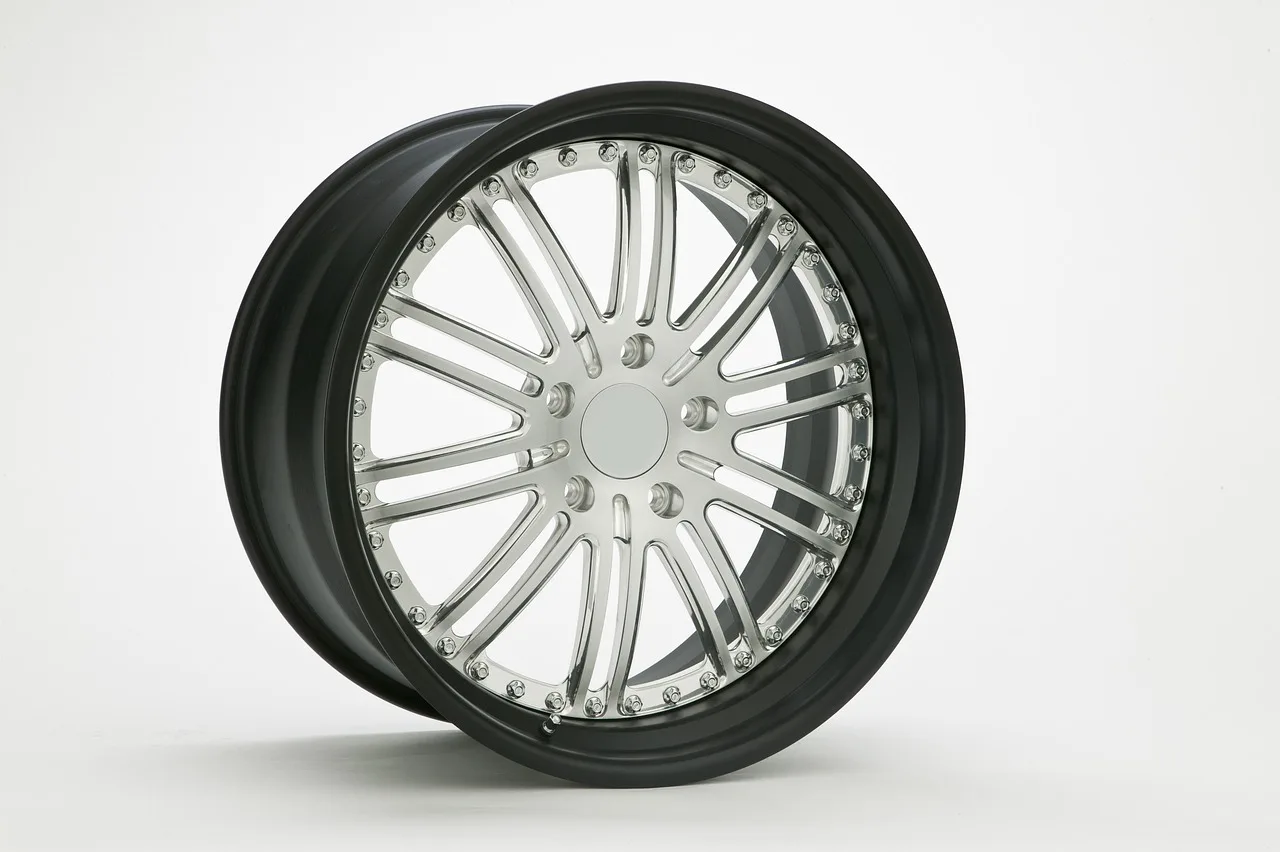
Wheel damage and tire damage are related, but they are not the same problem. A wheel can be scratched and safe, while a tire can be damaged enough to end the trip. The main job is to separate finish damage from damage to the rim, bead seat, sidewall, or lug area.
Tire sidewall cuts and bulges
The tire sidewall can be damaged during curb impact. Cuts and bulges matter because the sidewall carries load and flexes constantly. Deep gouges and metal burns can eventually slice into the tire sidewall and lead to a blowout.
Low-profile tyres leave less sidewall between the road and the wheel, so they can be more vulnerable in a curb strike. That does not mean every low-profile tire fails after contact. It does mean you should inspect sooner when the sidewall took the hit.
Bead-seat distortion and sealing loss
The bead seat is the key sealing surface where the tire meets the wheel. If impact distorts that area, the tire may leak even when the outer face still looks mostly intact. Repeated pressure drop after a curb strike is a strong reason to inspect the wheel itself, not only the tire.
Bent rim and cracked wheel signs
A bent rim may show as wobble, vibration, or a shape change around the edge. A cracked wheel may leak, discolor around the crack, or show a sharp split in the metal. Consumer and manufacturer safety guidance generally treats those symptoms as reasons to inspect right away rather than continue normal driving.
Lug-area damage and load-bearing risk
Damage near the lug area is serious because that zone helps carry and secure the wheel. If the impact reached the area around the bolt holes or mounting face, stop driving until the wheel is checked. Cosmetic repair does not make that kind of damage safe.
How curb rash is repaired
Repair depends on whether the damage is cosmetic or structural. Cosmetic refinishing may include sanding, filling, repainting, or machining the face. Structural damage may need a different repair process, replacement, or a specialist judgment before the wheel goes back on the car.
Cosmetic refinishing methods
For minor curb rash, DIY cosmetic touch-up often costs about $25 to $80 in materials. Professional cosmetic curb rash repair commonly falls around $100 to $250 per wheel, with mobile spot repair often priced lower and full refinishing or difficult finishes reaching $200 to $500 or more per wheel, depending on wheel design and finish complexity.
When structural repair is not enough
Not all damage is repairable. Cracks, distorted bead seats, and serious damage near load-bearing areas may rule out simple refinishing, and in some cases they rule out repair entirely. That is why inspection comes before sanding, filler, or paint.
When replacement is the safer call
If the wheel is cracked, badly bent, or damaged in the lug area, replacement is often the prudent choice. A repair that only improves appearance is not enough if the wheel can still leak or fail under load. Safety comes before finish quality.
Prevention comes down to slower parking and extra clearance. Use mirrors and parking sensors carefully, and leave more room when turning into tight spaces. Slow, deliberate maneuvering gives you time to correct before the wheel meets the curb.
- Reduce speed before tight turns and parking maneuvers.
- Leave extra space on the curb side of the vehicle.
- Use mirrors and sensors as a guide, not as a substitute for checking clearance.
- Turn the wheel gradually when edging into a parking spot.
- Watch the front and rear wheel positions before finishing the maneuver.
Frequently asked questions
What is curb rash?
Curb rash is scrape damage on a wheel from contact with a curb, parking block, or similar object. It usually appears on the outer edge or face of the wheel. Minor rash is often cosmetic, but deeper marks can point to a bent rim, cracked wheel, or tire damage that needs inspection.
What is curb rash on wheels?
On wheels, curb rash usually means a scraped, scuffed, or gouged outer lip or face. Alloy wheels are especially common here, and painted, powder-coated, machined-face, and polished finishes can all be affected. Exposed aluminum may corrode if the damaged coating is left open to moisture and salt.
Does curb rash affect safety?
It can. A scrape alone is usually cosmetic, but cracks, bends, bead-seat damage, sidewall cuts, vibration, or air loss change the issue from appearance to safety. If the wheel has any of those signs, stop and inspect before driving far. A cosmetic mark without symptoms is less urgent.
How do I know if curb rash is cosmetic or structural?
Look at both the location and the symptoms. Outer-lip scuffs are often cosmetic. Damage near the bead seat, spokes, or lug area is more concerning. If you also have vibration, repeated pressure loss, a bulge, or a visible crack, treat it as structural until a proper inspection says otherwise.
Can you drive on a wheel with curb rash?
Yes, if the rash is shallow and there are no warning signs. Do not keep driving if the wheel is cracked, bent, leaking, vibrating, or if the tire sidewall is cut or bulging. When in doubt, slow down, limit the trip, and arrange inspection rather than guessing.
Sources
- AAA safety guidance on tire and wheel inspection after impact damage
- NHTSA tire safety guidance on cracks, bulges, vibration, and pressure loss
- Tire manufacturer guidance on sidewall damage, bead leaks, and replacement triggers
- Automotive repair-market pricing commonly reported for cosmetic wheel refinishing and curb-rash repair

Hi, I’m Melvin, an automobile engineer with extensive experience in automobile equipment. I currently work for a local automobile firm, where I specialize in the car parts industry. I’ve had the opportunity to collaborate with seasoned inspectors, gaining invaluable hands-on experience that goes beyond just theory.
My passion for automotive care started at a young age, which led me to create CarSpareCare. Through CarSpareCare, I share the knowledge and skills I’ve acquired over the years to help others navigate the world of car maintenance and repairs.
My goal is to provide practical tutorials, essential safety advice, and the latest industry insights so that anyone—whether a beginner or an expert—can confidently tackle their automotive projects.