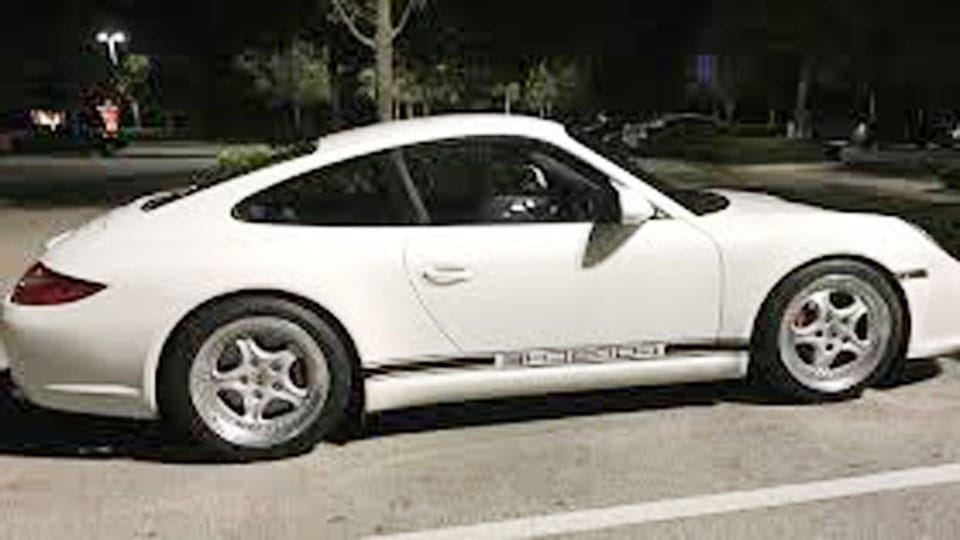
A tire pressure sensor in the wheel is the TPMS sensor mounted inside the wheel, usually built into the valve stem or clamped to the rim, that measures air pressure and sends it to the car. If you misread the setup, you can buy the wrong wheels, trigger warning lights, and add labor. This guide shows how to identify the TPMS type in under five minutes and what changes when you buy tires or aftermarket wheels.
Tire pressure sensor types
There are two basic TPMS systems. They work in different ways. Direct TPMS uses a sensor in or on the wheel to measure actual pressure and send that value to the car. Indirect TPMS uses ABS wheel speed sensors instead of in-wheel pressure sensors, so the car estimates a pressure loss from changes in wheel speed. (Wikihow)
Direct TPMS: the sensor measures pressure inside the wheel
Direct TPMS sends actual tire pressure values to the car’s computer. Most tire pressure sensors are located in the valve stem, but some direct sensors are strapped to the barrel of the wheel. Depending on the vehicle and sensor design, the stem may be rubber or metal.
That difference matters before you buy tires. A direct sensor can be damaged during tire removal, and some replacement sensors need programming to work properly. The warning light also does not mean the sensor is bad by itself; low pressure, temperature changes, or a slow leak can trigger it.
Indirect TPMS: the car estimates pressure from wheel speed
Indirect TPMS uses ABS speed sensors instead of in-wheel pressure sensors. It looks for relative wheel speed differences that usually appear when one tire is low. It is less accurate than direct TPMS and may require reset or calibration after tire service.
If your car uses indirect TPMS, you will not find a pressure sensor inside each wheel. That changes replacement planning. You still need correct tire size and proper calibration, but you do not need to match a wheel-mounted pressure sensor to the rim.
📊 The warning light can trigger when pressure is 25% or more below recommended cold pressure. Source: Thedrive.
How do I spot a TPMS sensor?
Start at the valve area. If the car has direct TPMS, the sensor is often visible at the valve stem or nearby inside the wheel. If you see a valve-cap device screwed onto the stem, that is a different style from an internal sensor. The dashboard light can help, but it is only a clue.
Look at the valve area first
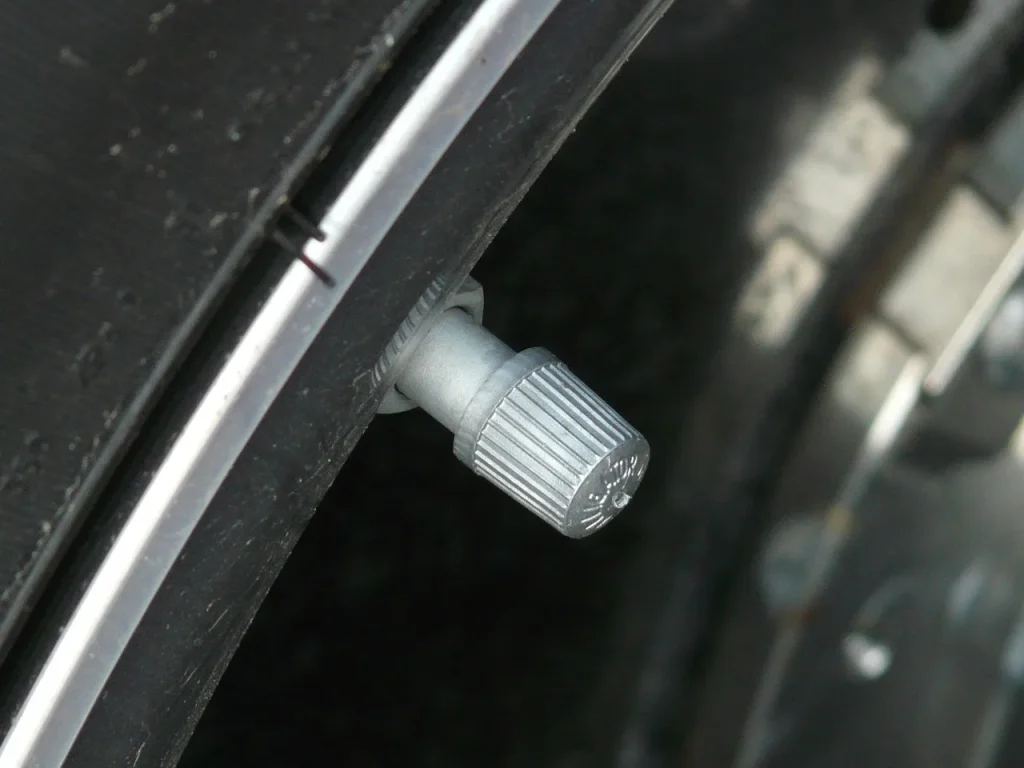
Most direct sensors sit at the valve stem, so that is the fastest place to inspect. A valve stem-mounted sensor often appears as a larger, more solid valve base than a plain rubber stem. Some systems use a metal stem with the sensor attached to it.
Valve-cap sensors are different. They screw onto the cap area outside the wheel and do not sit inside the tire like an internal sensor. That makes them easy to spot, but they are not the same as the in-wheel direct TPMS units used on many factory systems.
Check for an internal sensor or band on the wheel barrel
Some direct sensors are mounted inside the wheel barrel rather than at the valve. Wheel barrel strap and band sensors sit above or opposite the valve stem. They are harder to spot without removing the tire, because the strap is on the inside surface of the rim.
Snap-in sensors are the most common type, and clamp-on sensors are also common on many vehicles. Both sit at the valve area, but the mounting hardware differs. A snap-in sensor usually uses a rubber stem, while a clamp-on version uses a metal stem and locking hardware.
Use the dashboard warning as a clue, not proof
A TPMS warning light can tell you that the car sees a pressure problem, but it does not identify the sensor style. The light can appear after temperature drops or a slow leak, and it often comes on when pressure is significantly below the recommended cold pressure. Use a gauge on the tire first.
A common mistake is assuming the warning is caused by a faulty tire pressure sensor in the wheel when the tire may simply be underinflated. Suppose your front left tire loses air overnight in cold weather. The warning may appear even though the sensor is working normally, because the system is reacting to low pressure rather than sensor failure.
Tire pressure sensor checklist
This checklist gives you a fast visual path before you order tires or aftermarket wheels. Use the visible cue to narrow the type, then check where it sits on the wheel and decide whether you need a reusable sensor, new hardware, or a programming step.
| Visible cue | Likely sensor type | Where it sits on the wheel | What to do next | Before you buy aftermarket wheels |
|---|---|---|---|---|
| Plain valve stem with no extra device outside the wheel | Direct TPMS, often snap-in or clamp-on | At the valve stem | Confirm whether the stem is rubber or metal and whether the sensor is internal | Check valve-hole size and sensor clearance |
| Large metal valve base with sensor hardware visible at the stem | Direct TPMS, clamp-on | At the valve stem | Verify stem compatibility before tire mounting | Make sure the new wheel accepts the same stem style |
| Small cap-like device screwed onto the valve | Valve-cap sensor | Outside the wheel, on the valve cap area | Do not confuse it with an internal sensor | Check cap clearance and thread fit, but do not assume it replaces internal TPMS |
| No visible sensor at the valve, but the tire has direct TPMS | Direct TPMS, band or strap style | Inside the wheel barrel, often opposite the valve | Plan for tire removal to inspect or service it | Confirm barrel clearance and strap space on the new wheel |
| TPMS light on, but no wheel-mounted pressure hardware visible | Indirect TPMS | No in-wheel pressure sensor | Check tire pressure with a gauge and reset or calibrate if needed | No wheel sensor match is needed, but wheel size and calibration still matter |
| Aftermarket wheel order with no sensor details listed | Unknown until verified | Depends on the car | Match sensor type, stem style, and programming requirement before buying | Ask whether the wheel accepts OE sensors, new stems, or separate sensor kits |
Where is the sensor located?
On most direct TPMS systems, the sensor is in the valve stem area. Some are mounted directly at the stem, while others sit inside the wheel barrel on a strap or band. If the car uses indirect TPMS, there is no pressure sensor mounted in the wheel at all.
Valve stem-mounted sensors
Valve stem-mounted sensors are the most common placement. They are often visible near the tire valve area and may use rubber or metal stem hardware. If you can see a sensor body attached where the valve passes through the wheel, you are likely looking at a direct TPMS unit.
These units are common because they keep the sensor close to the air chamber. They also mean tire service must be done carefully. A broken stem, corroded nut, or damaged seal can cause leaks or sensor failure during tire work.
Valve-cap sensors
Valve-cap sensors screw onto the valve stem cap area and sit outside the tire. wikiHow describes them as the newest and cheapest sensors. They are easy to notice, but they are not the same as an internal wheel sensor, so do not treat them as a factory direct TPMS unit.
They are useful to know about because online listings can blur the difference. If you are shopping for wheels or replacement parts, ask whether the product is a cap-style monitor or an actual TPMS sensor that mounts in the wheel.
Wheel barrel strap and band sensors
Some direct sensors are strapped to the barrel of the wheel. They are typically positioned above or opposite the valve stem. This older style is less obvious from the outside because the sensor lives inside the rim area, not at the visible valve opening.
Conti-style direct sensors can read pressure at the valve or under the tire tread. That is another reason placement matters: one car may use a visible valve-stem unit, while another uses a sensor that is effectively hidden until the tire is removed.
Snap-in and clamp-on hardware
Snap-in sensors are common direct TPMS units, and they usually use a rubber stem. Clamp-on sensors use a metal stem and fasteners. Both can measure pressure inside the wheel, but the mounting method affects fitment, seal design, and whether the part can move to another wheel.
If the stem is damaged, replacement may involve the sensor, stem, or sealing hardware, not just the sensor body. That is why wheel service can become more than a quick swap when TPMS parts are involved.
Are TPMS sensors wheel specific?
Sometimes yes, sometimes no. An OEM sensor can often be reused if the replacement wheel accepts the same stem style, size, and mounting method. But the wheel, the sensor, and the hardware around them still have to match. Aftermarket sensors may also need programming before they work with the car.
When an OEM sensor can be reused
If the new wheel has the correct valve hole and enough clearance for the sensor body, the original OEM sensor may move over. That is most straightforward when the new wheel keeps the same general design and does not change the stem location or the space around the barrel.
Brand compatibility matters here. The Drive says non-OEM sensors might require programming, so a sensor that physically fits is not always ready to use. Some OEM sensors work without programming, while many aftermarket options need it to communicate properly with the vehicle.
When the sensor, stem, or band must change
If the wheel uses a different stem style, a different barrel shape, or a band sensor position that will not clear the new rim, you may need new parts. A damaged valve stem or corroded hardware can also make reuse a bad idea even if the sensor body still works.
Battery age matters too. The Drive says sensor batteries typically last five to ten years, and battery failure can turn a serviceable sensor into a replacement job. If the tire has to come off anyway, a worn sensor is easier to replace during the same service. (Thedrive)
Why programming and brand match matter
Programming is the step that lets some sensors communicate with the car. Some OEM sensors are ready to go, while aftermarket sensors may need programming or relearn procedures. If the wheel package includes a sensor kit, confirm that the part number, frequency, and vehicle compatibility match before ordering.
Say your SUV uses direct TPMS with a clamp-on sensor and you buy aftermarket wheels with a different valve-hole design. Even if the wheel diameter is correct, the original sensor may not fit safely. The fix may be a new stem, a different sensor kit, or both.
What does the TPMS warning light mean?
The TPMS warning light usually means one or more tires is low enough to matter, not that the sensor itself has failed. A common trigger is pressure at 25% or more below recommended cold pressure. Cold weather, a slow leak, or a puncture can set it off.
Low pressure threshold
Direct TPMS reports actual pressure values to the car, so the system can flag a meaningful drop. The warning is a safety message, not a repair diagnosis. Check all four tires with a gauge, then inspect for a nail, a cut, or a leaking valve stem.
Fortune notes that a slow leak at the valve stem can trigger the TPMS warning light. That is why the first response should be a pressure check, not a sensor replacement order.
Cold weather and slow leaks
Temperature changes can lower tire pressure enough to trip the light. A tire that was fine yesterday may drop below the threshold overnight. Slow leaks work the same way, but more gradually. Both problems can look like a sensor issue from the driver’s seat.
If the light comes on after a temperature drop, add air to the recommended cold pressure and see whether the warning clears after the system updates. If it stays on, check for actual leakage or a sensor problem.
Why a gauge check comes first
A gauge tells you whether the tire is actually low. That matters because a warning light alone cannot tell you if the issue is low air, a bad seal, a damaged valve stem, or a failed sensor battery. The right next step is pressure inspection, then hardware inspection if needed.
Sensor battery and replacement
Direct TPMS sensors use internal batteries that do not last forever. The Drive says sensor batteries typically last five to ten years. When the battery fails, the whole sensor often needs replacement, and that job may require tire removal to reach the unit.
Typical battery life
Battery life depends on vehicle use, sensor design, and age, but the useful range often lands in that five to ten year window. Once the battery weakens, the sensor may stop sending data or may send intermittent readings that confuse the car.
Why battery failure can mean a full sensor swap
Most TPMS batteries are sealed into the sensor assembly. That means a dead battery usually is not a simple cell change. If the sensor is built into the valve stem or strapped to the barrel, the whole assembly may need to be replaced.
Why tire removal is often part of service
Internal sensors sit inside the wheel, so access usually means breaking the tire bead and removing the tire from the rim. That is why TPMS service often happens at the same time as tire replacement. It also reduces the chance of damaging the sensor during a separate visit.
Frequently asked questions
What is a tire pressure sensor in the wheel?
It is the TPMS sensor that measures air pressure and sends that data to the car. On direct systems, it is usually mounted at the valve stem or inside the wheel barrel. On indirect systems, there is no in-wheel pressure sensor, because the car estimates pressure from ABS wheel speed data.
How do I tell if my tires have TPMS sensors?
Look at the valve area first and check for a sensor body, a metal clamp-on stem, or a cap-style device on the valve. If the car has a TPMS light but no visible wheel sensor, it may use indirect TPMS. A gauge check confirms pressure, but not sensor style.
How do I tell if my wheels have TPMS sensors?
If you can see a sensor attached to the valve stem, the wheel likely has direct TPMS. If the sensor is hidden, it may be a band or strap unit inside the barrel, usually opposite the valve stem. If nothing is mounted in the wheel, the car may use indirect TPMS.
Does Discount Tire do TPMS sensors?
Yes, many tire retailers provide TPMS service, including sensor replacement, relearn help, and wheel-fitment checks. Before you go, ask whether the shop can reuse your existing sensors, supply new ones, and program aftermarket units if needed. That matters more than the wheel brand alone.
Can I use TPMS sensors with aftermarket wheels?
Yes, but only if the wheel accepts the correct sensor style and hardware. Some aftermarket wheels work with OE sensors; others need new stems, new band hardware, or programmed replacement sensors. Check valve-hole dimensions, barrel clearance, and the vehicle’s sensor compatibility before you buy.
Where is the tire pressure sensor located?
Most direct TPMS sensors are in the valve stem area. Some sit inside the wheel barrel on a strap or band, often above or opposite the valve stem. Indirect TPMS has no in-wheel pressure sensor at all, because it relies on ABS speed sensors.
What does the tire pressure sensor do?
It measures tire pressure and sends that reading to the vehicle on direct TPMS systems. That allows the car to trigger a warning light when pressure drops too far. Indirect systems do not measure pressure directly; they estimate a loss by comparing wheel speed signals.

Hi, I’m Melvin, an automobile engineer with extensive experience in automobile equipment. I currently work for a local automobile firm, where I specialize in the car parts industry. I’ve had the opportunity to collaborate with seasoned inspectors, gaining invaluable hands-on experience that goes beyond just theory.
My passion for automotive care started at a young age, which led me to create CarSpareCare. Through CarSpareCare, I share the knowledge and skills I’ve acquired over the years to help others navigate the world of car maintenance and repairs.
My goal is to provide practical tutorials, essential safety advice, and the latest industry insights so that anyone—whether a beginner or an expert—can confidently tackle their automotive projects.