
If the pedal or steering wheel pulses when braking at around 30–40 mph and the shake goes away when you coast, rotor runout or thickness variation is a likely cause. Ignoring it can lengthen stopping distances and overheat pads, calipers, and bearings. This guide separates brake-rotor symptoms from tire, wheel, hub, caliper, and suspension faults using the way the fault feels, when it happens, and which axle carries the vibration.
What a warped rotor really means


Most “warped rotor” complaints are not about a disc that is literally bent. In many cases, the real issue is disc thickness variation, uneven pad material transfer, or surface runout. That matters because the fix depends on the cause, and not every shudder needs new rotors.
Front and rear rotors usually announce themselves differently. Front-brake problems often show up in the steering wheel under braking, while rear-brake problems more often show up as vibration in the seat or floor. The symptom location gives you a useful clue before you spend money.
Why the term is often inaccurate
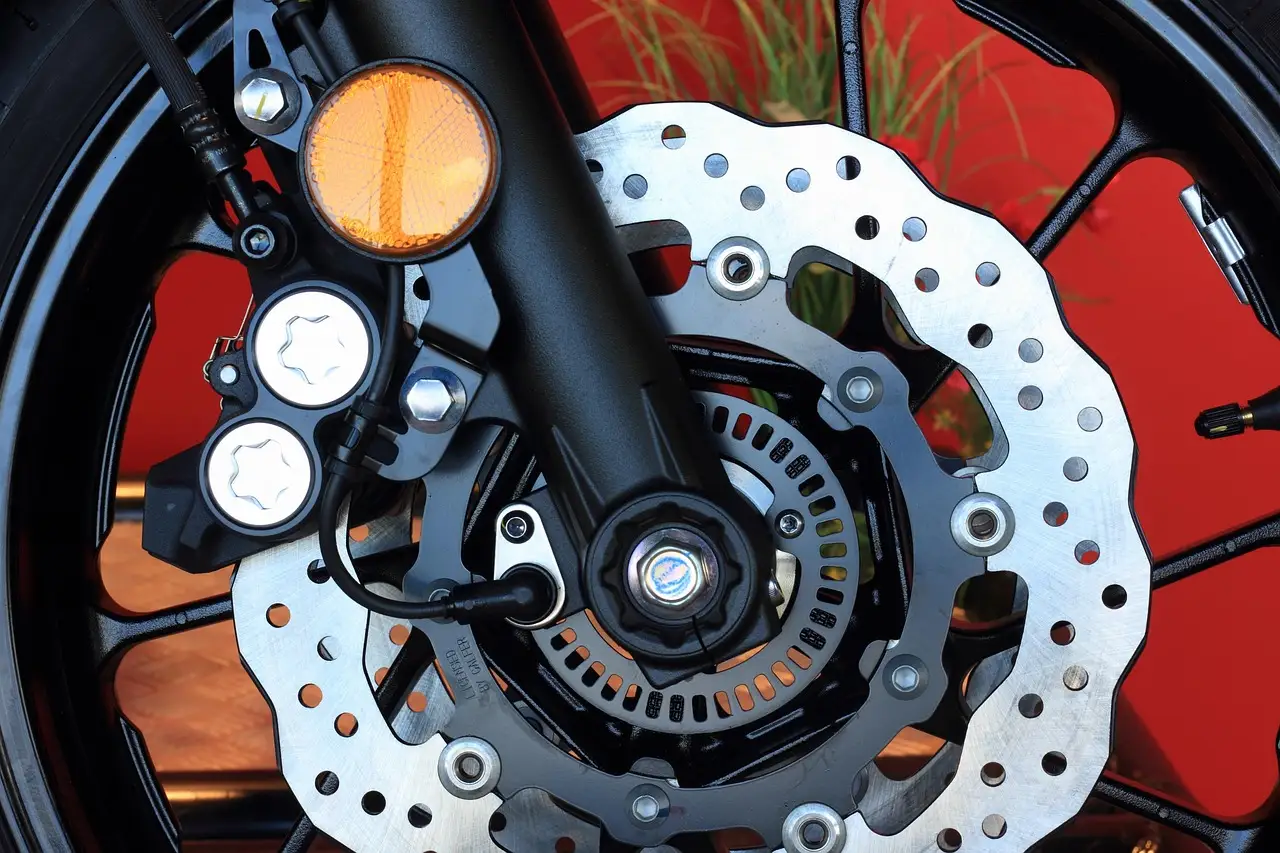
Brake rotors are disc-shaped friction surfaces, and they can feel “warped” even when the disc is not bent. Uneven pad deposits can create a rhythmic grab-and-release feel, while rust or hub contamination can tilt the rotor slightly on installation and create runout.
That is why a driver should think in patterns, not labels. A brake rotor issue usually appears only when you brake, and the rhythm often follows wheel speed. A tire or suspension issue behaves differently.
What warped brake rotors feel like
A warped rotor usually feels like a rhythmic pulse through the brake pedal. Steering wheel shake during braking points more toward the front brakes, while seat or floor vibration points more toward the rear. Noise, smell, or a hard pull make the problem more urgent.
Brake pedal pulsation and rhythmic pulse
The clearest sign is a rhythmic pulse while braking. You feel it under your foot, and it tends to match road speed, not engine speed. A light pulse at low speed may be annoying; a stronger pulse from highway speed suggests more serious rotor variation or heat damage.
Brake pedal pulsation is the one symptom many drivers notice first. If the pedal only vibrates when the brakes are applied, that points away from tire balance and toward a brake-related issue.
Steering wheel shake, seat vibration, and pulling
Steering wheel shake can appear when slowing from highway speed, especially if the front rotors are involved. A rear-axle issue may feel more like a tremor in the seat or floorboard. Pulling to one side can happen when one caliper drags more than the other or one pad set is grabbing unevenly.
Say your steering wheel stays smooth at 65 mph, then starts shaking only when you brake for an exit ramp. That pattern is much more consistent with brake-related runout or pad deposit variation than with tire imbalance.
Noise, smell, and grinding as warning signs
Squealing can come from pad wear indicators, glazed pads, or uneven contact. A hot brake smell after only mild use suggests drag or excess heat buildup. Grinding is a different category; it usually means the pads are worn down or the rotor surface is being damaged and needs prompt inspection.
Brake rotor symptom decision table
Use this table to sort the pattern before you book repairs. It sets brake-only symptoms against the signs of tire imbalance, bent wheels, hub play, caliper drag, and suspension looseness.
| Symptom | Likely cause | Quick at-home check | Urgency |
|---|---|---|---|
| Steering-wheel shake only when braking | Front rotor runout, thickness variation, or pad deposits | Brake from 40–60 mph and note whether the shake disappears when you coast | Service soon |
| Brake pedal pulse at highway speeds | Rotor thickness variation is likely; front or rear depends on where the vibration is felt | Repeat the stop on a quiet road and note whether the pulse is rhythmic | Service soon if mild; stop driving if violent |
| Vibration while cruising | Tire imbalance, wheel damage, hub runout, or wheel bearing looseness | Let off the brake completely; if the vibration stays, brakes are less likely the cause | Inspect soon |
| Pulling to one side | Sticking caliper, slide pins, uneven pad contact, or brake hose restriction | Check for one hotter wheel, uneven pad wear, or a burning smell after a short drive | Inspect soon |
| Grinding during braking | Worn pads, rotor damage, or hardware contact | Look through the wheel for thin pad material or visible scoring | Stop driving and inspect promptly |
| Seat vibration on braking | Rear rotor runout, rear pad deposits, or rear brake drag | Compare front and rear wheel temperature carefully after a short drive | Service soon |
How to tell rotors from tire or suspension problems
The biggest clue is timing. If the vibration happens only during braking and fades the moment you coast, brakes are the first place to look. If the vibration appears while cruising at steady speed, tire balance, wheel damage, hub runout, or suspension play is more likely.
Braking-only vibration versus cruising vibration
A braking-only shake usually points to rotor runout, thickness variation, or pad transfer. A cruising vibration that does not change when you press the brake is more consistent with wheel balance, a bent wheel, a tire defect, or a worn bearing. That distinction keeps you from replacing rotors for a tire problem.
A common first-timer mistake is blaming the brake pedal for a vibration that is present all the time. If the shake shows up at 55 mph with no braking, the brakes are not the main suspect.
Front axle clues versus rear axle clues
Steering wheel shake on braking often points to the front brakes. Seat vibration points specifically to the rear rotors. That is a guide, not a guarantee, because suspension looseness or wheel issues can blur the pattern.
Front-wheel-drive commuter cars often wear front pads and rotors faster because the front axle does more braking work. Trucks and towing setups can show rear-brake heat damage too, especially after long downhill braking or repeated heavy stops.
When wheel balance, hub runout, or bearing play is more likely
Wheel balance becomes more likely when the vibration starts at a steady road speed and stays even when you are not braking. Hub runout is more likely when the rotor looked fine but the problem came back right after a brake job. Wheel bearing looseness can mimic rotor shake and should be checked if the wheel has play or a growl accompanies the vibration.
At-home checks that actually help
You can narrow the problem without special tools. Look for uneven pad wear, rotor scoring, hub rust, and signs that the caliper is not releasing cleanly. Also note whether the wheels were recently removed, because uneven lug torque can create or repeat rotor runout.
Inspect the rotor face. Look through the wheel for grooves, blue spots, rust ridges, or a shiny patch pattern that looks uneven across the disc. Heavy corrosion or deep scoring makes resurfacing less attractive.
Check pad wear patterns. If one pad is much thinner than the other on the same axle, the caliper or slide pins may be sticking. Uneven wear also points to partial pad contact rather than a simple rotor issue.
Look at the caliper hardware. Check for torn boots, seized slide pins, or a caliper that sits cocked on the bracket. A dragging caliper builds heat and can create pad deposits that feel like warped rotors.
Review recent wheel work. If the wheels were removed recently, ask whether the lug nuts were tightened evenly to the correct specification. Overtightening or uneven clamping force can distort the rotor against the hub.
Inspect the hub surface. Rust, dirt, or flaking scale on the wheel hub mounting surface can keep the rotor from sitting flat. A poor seat can create runout even with new rotors.
Checking the hub mounting surface and lug nut history
The wheel hub mounting surface matters because the rotor follows whatever the hub does. If rust or debris keeps the disc from sitting flat, the brake rotor can act like it is warped even when the disc itself is within spec. That is one reason fresh rotors can vibrate again soon after installation.
Even lug torque matters for the same reason. Uneven clamping force can distort the rotor on the hub, especially if the wheel was tightened with an impact gun and never rechecked by hand.
How a brake rotor gets warped
Heat buildup is the main driver. Repeated hard stops, towing, and long downhill braking can create uneven pad transfer or thickness variation. Rust, debris, sticking calipers, and poor installation can make the same symptom appear.
Heat buildup from repeated stops, towing, or downhill braking
When the brakes get hot enough, pad material can transfer unevenly to the rotor face. That transfer changes friction from one spot to the next, so the pedal pulses as the wheel turns. Heavy loads and repeated mountain descents raise the risk.
Brake pads on mostly city-driven cars can last 30,000 to 35,000 miles, while highway-driven pads may last 80,000 miles or more. Long pad life does not prevent rotor issues if heat and deposit buildup are frequent.
Rust, debris, and uneven pad material transfer
Rust on the rotor face or hub can create uneven contact. A car that sits for a while may develop surface corrosion, and a few hard stops can leave patchy pad transfer on top of it. That combination can feel like a warped disc even when the disc is not bent.
Installation errors that create runout
Incorrect installation can create the problem from day one. If the hub was not cleaned, if the rotor did not seat flat, or if the lug nuts were tightened unevenly, the brake system can vibrate again after a new rotor install. Wheel bearing looseness can add to that runout and make diagnosis harder.
Resurfacing or replacement?
Resurfacing can help only if the rotor is still above minimum thickness after machining and the face is otherwise serviceable. Replacement is the better call when the rotor is below discard thickness, heavily corroded, grooved, or likely to return with the same problem because the cause was not fixed.
Minimum thickness and when machining is acceptable
A rotor should only be machined if the finished part will remain above the manufacturer’s minimum thickness. Direct Brakes says resurfacing is only safe above minimum thickness after machining, and one rule of thumb is to keep at least .050 inches above discard level. If the rotor is near the limit, replacement is the safer choice.
Machining also removes material, so it is not the right fix for every rotor. Heavy corrosion, deep grooves, or repeat vibration after earlier machining usually push the decision toward replacement.
Why new rotors can still shake
New rotors can vibrate if the root cause was left in place. A dirty hub, sticky caliper, worn slide pins, or uneven lug torque can make a fresh disc feel old fast. If the shop replaces rotors without correcting those issues, the complaint often returns.
Replacement rotors typically cost $50 to $80 in the cited example, while resurfacing is often around half the price. Price alone should not decide it; thickness, condition, and repeat failure matter more.
Can you keep driving?
Light shudder only at highway speeds is service-this-week territory, but violent shake or grinding means stop driving. Mild rotor symptoms usually give you time for a short trip to a shop, while severe pulsation, a strong pull, or metal-on-metal noise can make the car unsafe and damage other parts.
When a short drive is reasonable
If the pulse is mild, the car stops straight, and there is no grinding or burning smell, a short, careful drive to a repair shop is usually reasonable. Keep speeds down and avoid hard braking. The goal is to prevent extra heat and avoid turning a repair into a larger one.
When to stop driving
Grinding, a violent pulse, or a hard pull means stop driving and get the brakes inspected promptly. The same source says violent shake or grinding means stop driving. That advice matters because severe heat, pad loss, or a dragging caliper can damage rotors, pads, and bearings quickly.
Frequently asked questions
How do you tell if your rotors are warped?
The best clue is a brake-only vibration. If the pedal pulses or the steering wheel shakes only while you slow down, rotor runout or thickness variation is likely. If the car vibrates while cruising too, look first at tire balance, wheel damage, hub runout, or bearing play.
What do warped brake rotors feel like?
They usually feel like a rhythmic pulse through the brake pedal, with possible shake in the steering wheel or seat depending on which axle is affected. The vibration often increases from highway speed and fades once you release the brake. Noise, smell, or pulling can appear too.
How does a brake rotor get warped?
Most cases come from heat, uneven pad material transfer, rust, or installation errors rather than a disc that is literally bent. Repeated hard stops, towing, and downhill braking raise temperatures enough to create thickness variation or runout. A sticking caliper or bad hub seating can add to it.
What happens if my rotors are warped?
You can get longer stopping distances, extra pad wear, and more heat in the calipers and bearings. The vibration can also hide a separate issue such as a sticking caliper or loose wheel bearing. If the symptom is severe, the brake system can become unsafe quickly.
Can you drive with warped rotors?
Sometimes, for a short and careful trip if the symptom is mild and the car still stops straight. Do not keep driving if the shake is violent, the pedal pulses hard, the car pulls strongly, or you hear grinding. Those are signs to stop and inspect the brakes promptly.
How can you tell if the problem is rotors or tires?
Use timing. If the vibration appears only when braking and disappears when you coast, rotors are more likely. If the shake stays present at the same road speed with no braking, tire imbalance, wheel damage, hub runout, or suspension looseness is the better place to look.

Hi, I’m Melvin, an automobile engineer with extensive experience in automobile equipment. I currently work for a local automobile firm, where I specialize in the car parts industry. I’ve had the opportunity to collaborate with seasoned inspectors, gaining invaluable hands-on experience that goes beyond just theory.
My passion for automotive care started at a young age, which led me to create CarSpareCare. Through CarSpareCare, I share the knowledge and skills I’ve acquired over the years to help others navigate the world of car maintenance and repairs.
My goal is to provide practical tutorials, essential safety advice, and the latest industry insights so that anyone—whether a beginner or an expert—can confidently tackle their automotive projects.

