
Replace brake pads only when the rotors are still smooth, above the manufacturer’s minimum thickness, and free of cracks or heavy scoring. Replace rotors too when they are thin, warped, heat damaged, or badly grooved, because reused rotors can bring back noise, vibration, and repeat labor.
Decide in this order: measure thickness, inspect the surface, identify the symptom pattern, then choose pads only, rotors only, both, or inspect caliper drag/runout first. That sequence prevents unnecessary parts sales and keeps the repair matched to the actual brake fault.
| Factor | Brake pads | Rotors | Better choice |
|---|---|---|---|
| Wear rate | Wear faster and reach the replace-now range first | Usually last longer, but still wear with heat, mileage, and corrosion | Brake pads |
| Reuse potential | Always replaced when worn thin | Can sometimes be reused if smooth and above minimum thickness | Rotors |
| Cost to replace | Lower per axle | Higher per axle | Brake pads |
| Risk if you skip replacement | Grinding, poor stopping, pad backing damage | Noise, vibration, pulsation, fast pad wear, heat trouble | Depends on the fault |
How brake pads and rotors wear
Brake pads wear faster than rotors, so pad replacement often happens first. Most pads are due near 3 mm or less, while rotor replacement depends on the manufacturer’s discard thickness or minimum thickness specification. Rotors usually last longer, but heat, corrosion, and hard use can shorten their life.
Why pads wear first
Pads are the sacrificial friction material, so they are designed to wear down. Once they approach about 3 mm or below, they are in the replace-now range. If the rotor face is smooth and still above minimum thickness, pads-only replacement is often appropriate and cost-effective.
How rotors wear over time
Rotors wear more slowly, but they can become scored, grooved, heat-spotted, rust-pitted, or thinner than the manufacturer’s discard limit. They can also develop runout that shows up as vibration during braking. front rotors are more likely to make the steering wheel shake, while rear issues are more likely to show up as pedal pulsation.
How driving style changes rotor life
Frequent hard stops, towing, mountain driving, and stop-and-go traffic add heat and wear. Heat matters because rotors must retain enough material to absorb and dissipate it. If a rotor is already near minimum thickness, another pad set can push it beyond the safe range sooner.
Do I need to replace brake rotors when I replace brake pads?
No, not automatically. Replace both only when rotor condition, thickness, or symptom pattern makes reuse risky. If the rotors are smooth, not cracked, and still above minimum thickness, new pads can often go on old rotors. If the rotors are thin, scored, warped, or heat damaged, replace them with the pads.
Pads-only is acceptable when rotors are still healthy
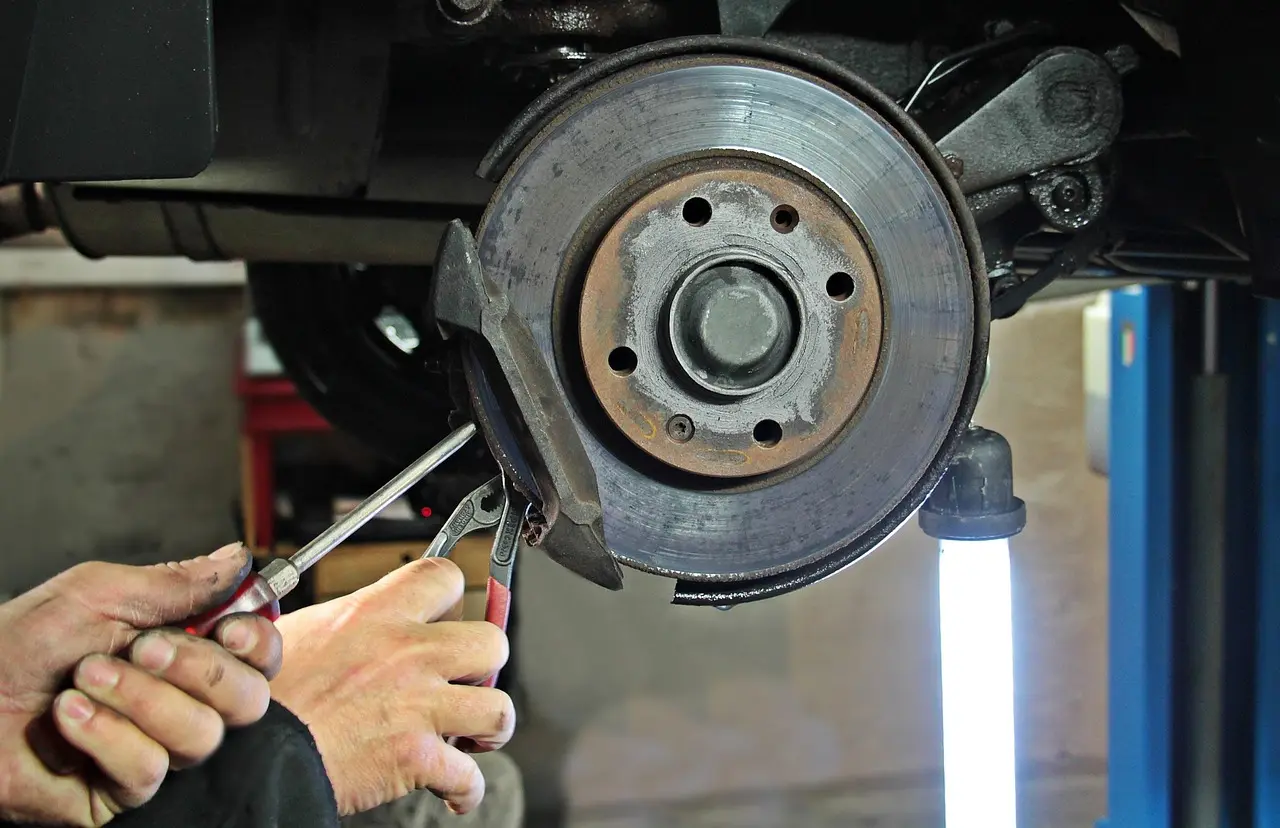
Pads-only works when the rotor face is smooth enough for new pads to bed in normally. That means no deep grooves, no surface cracks, no blue heat marks, and no thickness problem. A clean rotor surface matters because rough old rotors can make new pads noisy and shorten pad life.
Replace both when the symptom pattern points to rotor damage
Steering wheel vibration during braking points more toward front rotor trouble. Brake pedal pulsation can point to rotor runout or thickness variation. If the old pads wore unevenly, overheated, or ground down to metal, the rotor may have been damaged enough that reusing it is poor value.
When to inspect before deciding
If the car stops normally but the brake history is unclear, inspect before approving a quote. A rotor can look usable from a distance and still be too thin or too rough to keep. That is the point where measurement matters more than guesswork.
You can make a better decision with a quick visual check and a thickness check. Look at the pads, the rotor face, and the braking feel. Then confirm whether the calipers are moving freely, because a sticking caliper can mimic rotor trouble and cause uneven wear.
Check pad thickness and wear pattern
Look through the wheel or after removal. If pad material is near 3 mm or below, replace the pads. Uneven wear on one side of an axle can point to a caliper issue, a slide-pin problem, or rotor taper.
Check rotor surface, grooves, and heat marks
Light surface rust can be normal after sitting, but deep grooves, cracks, and blue discoloration are warning signs. A rotor that feels heavily ridged or has visible hot spots is less likely to give a clean bedding surface for new pads. A rotor below minimum thickness should not be reused. Manufacturer service information should always be checked for the exact discard thickness and any resurfacing limits before reuse.
Check for steering wheel shake and pedal pulsation
Brake rotors can cause steering wheel vibrations when the front axle is involved. Brake pedal pulsation often means the rotor face is not running evenly under the pads. Do not treat both symptoms as the same thing; axle location helps narrow the source.
Check calipers for sticking, leaks, or drag
Calipers usually last longer than pads and rotors, so they do not need replacement every brake job. Replace them only if they are sticking, leaking, or seized. A dragging caliper can overheat one rotor, wear pads unevenly, and make the axle seem defective. If drag is suspected, inspect the caliper and related hardware before buying rotors.
When should rotors be replaced?
Replace rotors when they are below minimum thickness, deeply scored, cracked, heat damaged, or warped enough to create vibration. Resurfacing is only acceptable when the rotor still has enough material left after machining. Manufacturer service data sets the discard thickness and any resurfacing limit, and that data controls the decision. On many modern thin rotors, resurfacing is poor value or not possible.
Below minimum thickness means replace
Every rotor has a manufacturer safety limit, often called discard thickness or minimum thickness. If the rotor is at or below that limit, it cannot dissipate heat properly and should not be reused. That is a hard stop, even if the face still looks serviceable. Manufacturer service information should be used for the exact limit on the vehicle being repaired.
Deep scoring or heat damage means replace
Deep grooves, surface cracks, and overheating blueing usually justify replacement. Those defects can keep a fresh pad from bedding correctly and can keep noise coming back. In that case, resurfacing may remove too much material without solving the real problem. If the rotor is visibly damaged, replacement is usually the safer and cleaner fix.
Resurfacing only works when enough material remains
Resurfacing means lathe-machining a thin layer off the rotor face. It can help only if the rotor is still thick enough after machining to stay above the limit. Many modern rotors are too thin to make resurfacing worthwhile, so replacement is often the cleaner choice. Always compare the finished thickness to the manufacturer specification before approving machining.
Brake replacement decision table
Use this table when you are deciding whether to replace pads, rotors, both, or inspect the brake system first. Start by measuring thickness, then inspect the surface, then match the symptom pattern to the most likely fault instead of buying extra parts by default.
| Repair choice | Symptom pattern | Likely rotor condition | Resurfacing acceptable? | Safest next action |
|---|---|---|---|---|
| Brake pads only | Squealing from thin pads, no vibration, smooth braking | Rotors smooth and above minimum thickness | Usually not needed | Replace pads, inspect rotor face, and reuse rotors if they pass thickness check |
| Rotors only | Steering wheel shake, pedal pulsation, or visible grooves | Rotors warped, scored, or heat damaged but pads still usable | Only if enough material remains | Replace or resurface rotors, then fit new pads if the old pads were unevenly worn |
| Both | Grinding, long stopping distance, repeated noise, or old pads wore to metal | Rotors likely damaged or near discard thickness | Usually no | Replace pads and rotors together, then inspect calipers and brake lines if needed |
| Inspect caliper/runout first | Uneven wear, mixed symptoms, or no clear brake history | Unknown until measured | Unknown until measured | Measure pad thickness, check rotor thickness, and inspect for runout, scoring, and caliper drag |
Say your front brakes start shaking the steering wheel at highway exits, but the pads still have material left. That pattern points to front rotor trouble more than pad wear, so replacing rotors with the pads is the safer call if the rotors are thin, scored, or outside specification.
Suppose the brakes squeal lightly during the last part of a stop, but the rotors are smooth and well above the minimum thickness mark. In that case, pads-only replacement is often enough, and the old rotors can stay if they pass inspection.
How much does each brake job cost?
Pads-only is usually the cheapest path, but total value depends on whether you will pay labor twice. Average pad replacement cost is $335 to $394 per axle. Average rotor replacement cost is $574 to $698 per axle. Average pad-and-rotor replacement cost is $909 to $1,092 per axle. Those averages change by vehicle type, parts quality, and labor rates.
Pads-only per axle
Pads-only replacement is the lowest parts cost and can be cheaper than a full brake job. It makes sense when the rotors are still smooth and within spec. The catch is that a rough rotor can force a second repair sooner, which erases some of the savings. If rotor condition is borderline, the cheaper quote is not always the better value.
Rotors per axle
Rotor-only replacement is less common than a pad job, but it can be the right move when pads still have life and the rotors are the problem. This is a practical choice when vibration or scoring is the issue and the pad wear pattern is still even. It also keeps a good pad set in service when it is not yet due.
Pads and rotors together
A full pad-and-rotor replacement is more expensive up front, but it can reduce comeback noise and repeat labor. A full brake job may also include bleeding the brake lines and inspecting brake calipers. That extra work is most useful when the brake system has multiple age-related issues or the rotors are already borderline.
Separate jobs versus one visit
Doing pads now and rotors later can look cheaper today, but it can cost more in labor if the second job arrives soon. If the rotors are borderline, replacing both together is often the better ownership-cost move. If the rotors are healthy, pads-only avoids paying for parts you do not need.
Do calipers need replacement too when I do pads and rotors?
No, not usually. Calipers usually last longer than pads and rotors, so replace them only if they are sticking, leaking, or seized. A caliper fault can create uneven wear, heat buildup, and brake drag, which can ruin new pads and new rotors faster than normal.
When calipers can stay in place
If the slide pins move freely, the piston retracts properly, and there is no fluid leak, the caliper can usually remain in service. That keeps the job focused on the worn friction parts instead of replacing hardware that still works. It also avoids creating unnecessary cost.
Signs a caliper needs attention
Look for one pad wearing much faster than the other, heat coming from one wheel, or a brake that seems to stay engaged. Those signs point to sticking or seized hardware. A leaking caliper should also be addressed before the new pads go in.
How caliper faults affect pad and rotor wear
A dragging caliper can overheat the rotor, glaze the pad, and pull the car to one side. That kind of fault can make a rotor look bad when the caliper is the real cause. If the caliper is the source, replacing pads or rotors alone may not solve the problem for long.
Choose brake pads if…
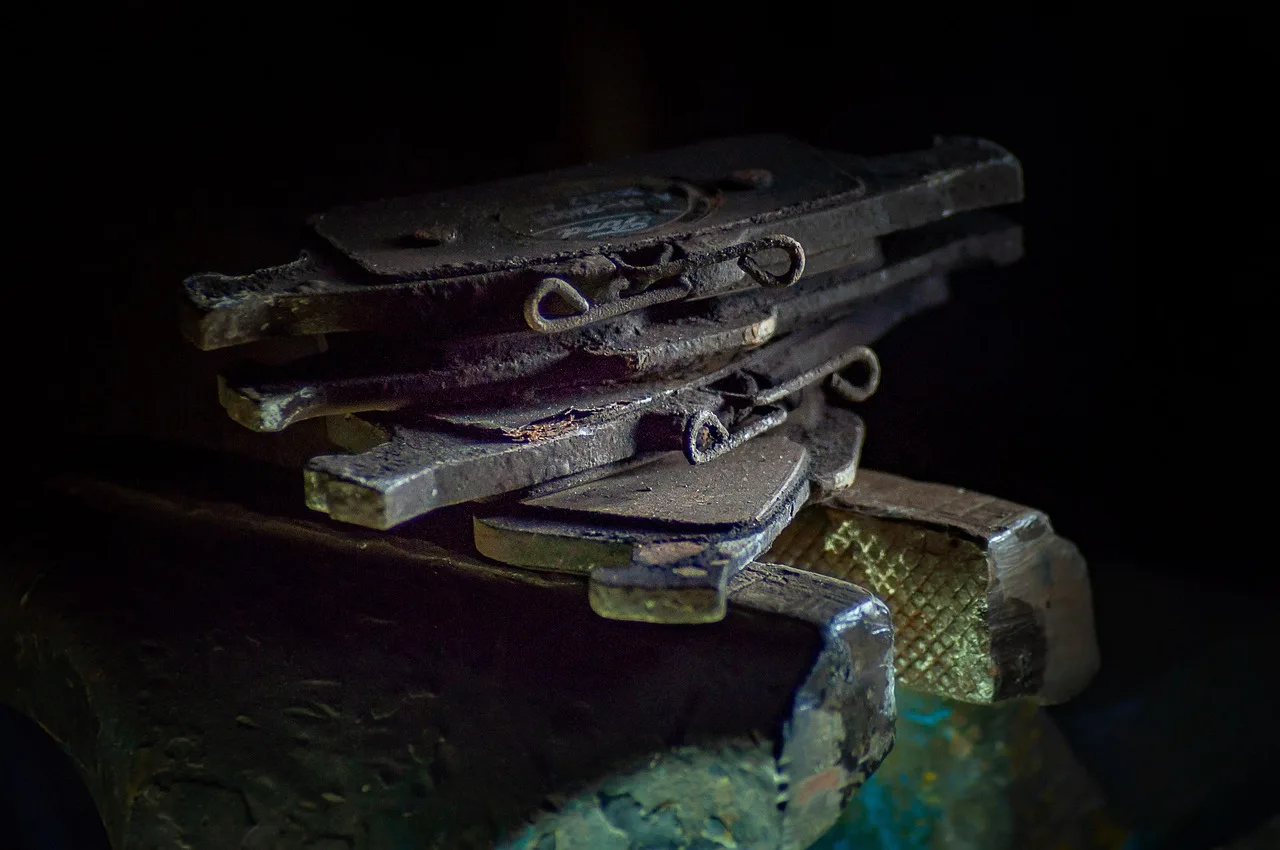
Choose brake pads if the rotors are smooth, above minimum thickness, and free of deep scoring or heat damage. This is the right pick when the main issue is thin pads, squealing from wear indicators, or routine maintenance without vibration. It is the cheaper and simpler option when the rotors still pass inspection.
Choose Rotors if…
Choose rotors if you have steering wheel shake, brake pedal pulsation, deep grooves, cracking, blue heat marks, or a rotor below minimum thickness. This is also the better pick when resurfacing would leave too little material or when the old pads wore unevenly enough to damage the rotor face. If the rotor is the problem, new pads alone are not enough.
Choose Both if…
Choose both when the pads are worn out and the rotors are close to discard thickness, rough, or warped. That choice is also safer after grinding, severe overheating, or a pad failure that likely damaged the rotor surface. Most professional mechanics recommend replacing pads and rotors together for this kind of wear pattern.


Frequently asked questions
Can I replace brake pads without replacing rotors?
Yes, if the rotors are still within spec. The key checks are surface condition, thickness, and braking feel. If the rotor is smooth and the braking symptoms are only from worn pads, pads-only is a valid repair. The rotor still has to pass the thickness and surface checks.
How do I know if my rotors are still good?
Check for minimum thickness, a smooth surface, and no cracks, deep grooves, or heat blueing. Then drive the car and note whether the steering wheel shakes or the pedal pulses under braking. Those symptoms often mean the rotors need more than a pad swap. If in doubt, measure and compare with the service specification.
What happens if I put new pads on old rotors?
If the rotors are rough or out of spec, the new pads can squeal, wear fast, or fail to bed in evenly. That can also bring back vibration and reduce braking quality. New pads on bad rotors often save little and can trigger another repair sooner. The savings disappear fast when the rotor condition is ignored.
When should brake rotors be replaced instead of resurfaced?
Replace rotors instead of resurfacing them when they are below minimum thickness, deeply scored, cracked, or heat damaged. Resurfacing only makes sense if enough metal remains after machining. On many modern thin rotors, replacement is usually the better value. Manufacturer discard-thickness data should control the decision.
How much does it cost to replace brake pads vs rotors?
Pads-only is cheaper, but a combined job can save repeat labor when the rotors are already borderline.
Can worn rotors cause squealing, shaking, or pulsing?
Yes. Worn or warped rotors can cause steering wheel vibrations, brake pedal pulsation, and sometimes noise when the pad face rides over grooves or hot spots. Front rotor problems often show up as steering shake, while rear issues are more likely to be felt as pedal pulsation. Symptom location helps narrow the fault.
Do I need to replace calipers too when I do pads and rotors?
Usually no. Calipers should be replaced only if they stick, leak, or seize. If they drag, they can cause uneven wear and heat damage that ruins new pads and rotors, so they should be inspected when a brake job is already open. A free-moving caliper can usually stay in service.

Hi, I’m Melvin, an automobile engineer with extensive experience in automobile equipment. I currently work for a local automobile firm, where I specialize in the car parts industry. I’ve had the opportunity to collaborate with seasoned inspectors, gaining invaluable hands-on experience that goes beyond just theory.
My passion for automotive care started at a young age, which led me to create CarSpareCare. Through CarSpareCare, I share the knowledge and skills I’ve acquired over the years to help others navigate the world of car maintenance and repairs.
My goal is to provide practical tutorials, essential safety advice, and the latest industry insights so that anyone—whether a beginner or an expert—can confidently tackle their automotive projects.

