
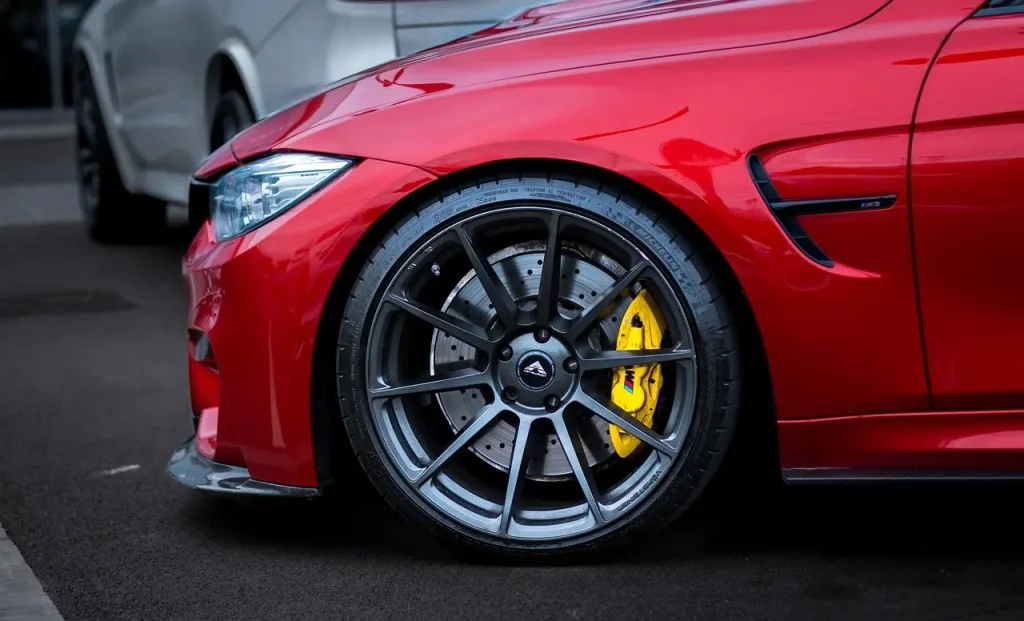
A brake caliper is likely sticking if one wheel stays much hotter than the others, drags after you release the pedal, or shows uneven pad wear. As a quick check, a wheel that is about 50°F or more hotter than its mate deserves inspection. Ignoring it can overheat pads, warp rotors, damage bearings, and lengthen stopping distance. This guide gives a side-by-side diagnosis that separates caliper faults from hose restriction, parking-brake issues, and normal brake heat, with clear repair-or-replace decisions.
Brake caliper symptoms and damage

A sticking caliper usually shows more than one clue. Heat, smell, pull, noise, and pad wear often appear together, but the pattern matters more than any single symptom.
Pulling, heat, smell, smoke, and noise
A car can pull to one side while braking if one caliper applies harder than the other or fails to release. Burning odor, light smoke, or a wheel that is too hot to touch after a short drive points to brake drag, not normal use.
A faint hiss or intermittent grinding can come from a pad staying against the rotor. If the noise changes with brake application, inspect the caliper, slides, hose, or parking-brake hardware closely.
What inner and outer pad wear can tell you
Uneven pad wear is one of the clearest clues. On a floating caliper, a worn inner pad with a thicker outer pad often points to a seized piston or a pad that cannot retract. A worn outer pad with a thicker inner pad often points to stuck slide pins or guide hardware.
Check pad thickness against the minimum marked on the backing plate or vehicle spec. If one pad is near the limit and the other still has usable material, the caliper is not moving the way it should.
Rotor discoloration, scoring, and pad glazing
Blue patches, dark hot spots, and surface scoring show that the rotor has been overheated or dragged. A warped-rotor feel is usually a pulsing brake pedal or steering shake during braking, while drag often shows up as heat, smell, and a wheel that does not spin freely.
Glazed pads look shiny and hard. They can happen after prolonged drag or repeated overheating, and they often reduce bite even after the caliper starts moving again.
How to check if a brake caliper is sticking
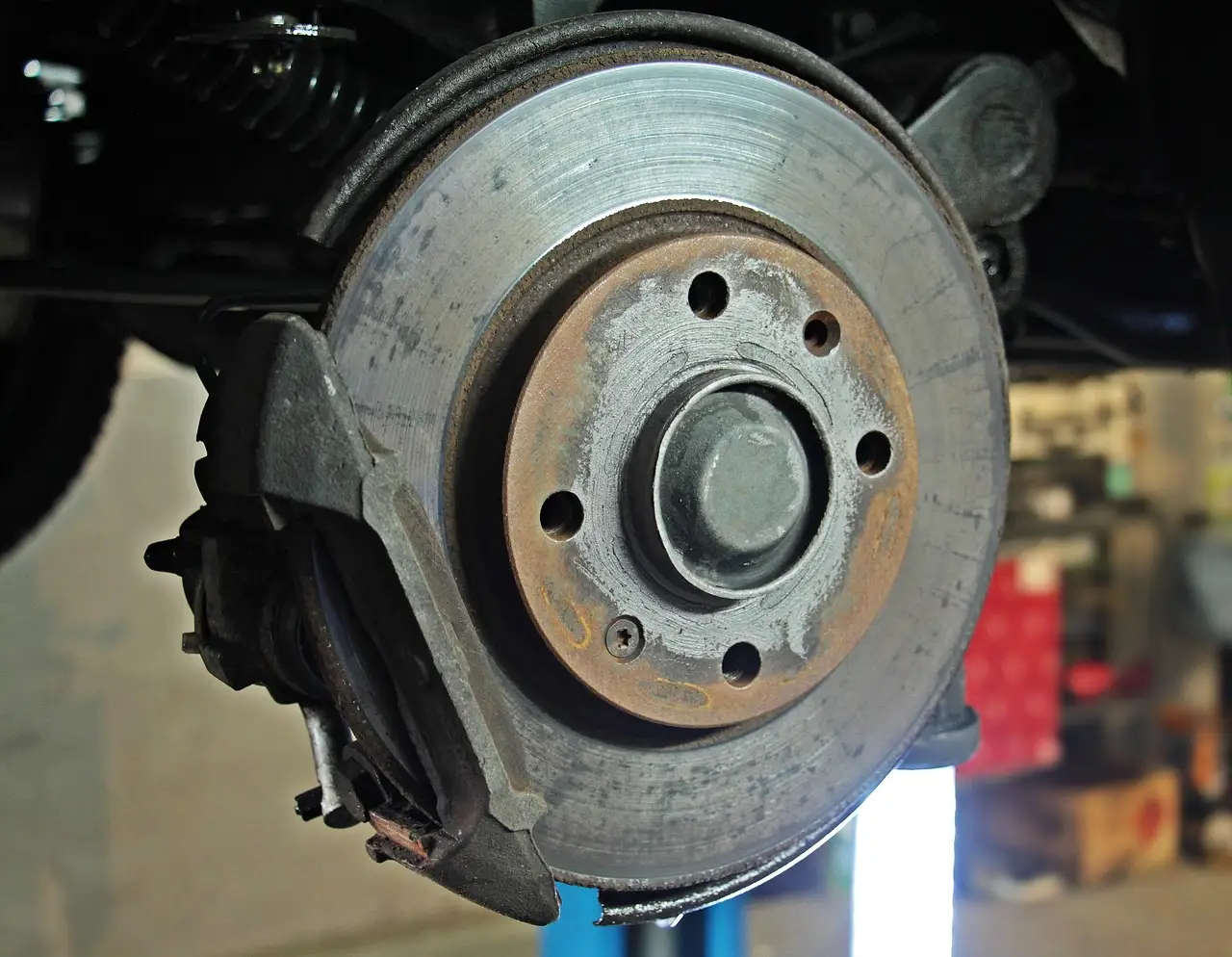
Start with the safest checks that separate normal heat from drag. Compare the wheel and hub temperature after the same drive, then lift the car and confirm whether the wheel rotates freely. If the problem stays on one corner, move to the hose and parking-brake checks before replacing the caliper.
What to inspect with the wheel
- Park safely. Set the transmission in Park or in gear, apply the parking brake only if that corner is not the suspect, and chock the opposite wheels. Do this on level ground so you are not chasing a false pull from a slope.
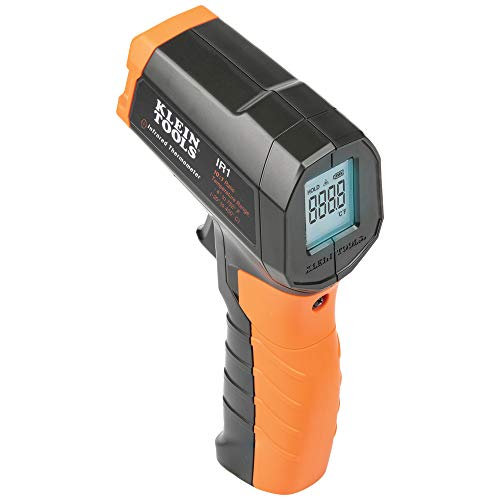
- Measure brake heat. After a normal drive, use an infrared thermometer on each front hub or rotor hat, then compare side to side. A wheel that is about 50°F or more hotter than its mate needs attention.
- Look for obvious damage. Check for smoke, a burning smell, or a wheel that is far hotter than the others. These signs mean the brake may already be damaging pads, the rotor, and grease in the wheel bearing.
What to inspect with the wheel lifted
- Lift and secure the car. Use the correct lift points and place the vehicle on jack stands before reaching under it. Keep a wheel chock on the ground opposite the lifted corner so the car cannot roll.
- Spin the wheel by hand. A slight pad kiss is normal, but heavy drag, a rough spot, or a wheel that stops almost immediately suggests a release problem. If the wheel is hard to turn, the issue is more than normal pad contact.
- Inspect the caliper hardware. Check slide pins, boots, and dust seals for corrosion, tears, or dry movement. On a floating caliper, both slide pins should move smoothly and return without binding; on a fixed caliper, the piston and seals should retract cleanly.
How to compare one side to the other
Compare the suspect corner with the matching corner on the other axle. Look at heat, pad wear, rotor color, and wheel-spin resistance together. That side-to-side check is what separates a normal warm brake from a drag problem.
Say your left front wheel is 170°F after a short highway drive and the right front is 115°F, with the left inner pad much thinner than the outer pad. That pattern points more toward a caliper or slide issue than toward normal heat from everyday braking.
Brake caliper and hose diagnosis table
| Symptom | Most likely cause | Next test | Urgency level |
|---|---|---|---|
| One front wheel much hotter than the other after the same drive | Sticking caliper piston or dry slide pins | Lift the wheel, spin it by hand, and inspect pad wear and slide-pin movement | Drive carefully |
| Outer pad much thinner than inner pad | Floating caliper slide pins corroded or seized | Remove the caliper and check whether both guide pins move freely and return fully | Drive carefully |
| Inner pad much thinner than outer pad | Seized piston or piston seal issue | Inspect piston movement and dust boot condition; look for fluid seepage | Stop driving |
| Wheel drags, then frees up after cracking the hose or after a cooling period | Collapsed brake hose or restricted flex hose | Check for one-way pressure hold and hose swelling while the brake is applied | Stop driving |
| Rear drag only, parking brake hard to release | Parking-brake cable, lever, or EPB actuator fault | Release the cable or run the EPB release procedure and retest wheel spin | Drive carefully |
| Smoke, burning odor, or rotor blueing | Severe brake drag and overheating | Stop and inspect for fluid loss, pad glazing, rotor damage, and bearing heat | Tow now |
Rear caliper parking brake faults
Rear calipers can stick for the same reasons as front calipers, but they also hide parking-brake problems. If the drag is rear only, check the cable, lever, or electronic parking brake before condemning the piston.
Cable-operated rear calipers
Some rear calipers use a built-in lever for the parking brake. If the cable does not return fully, the lever may hold the piston partly applied even after the cabin lever is released.
Check that the cable moves freely, the external lever returns to its stop, and the wheel spins better when the cable is disconnected at the caliper. If it does, the caliper may be fine and the cable or lever is the fault.
Electronic parking brake calipers
Electronic parking brake systems can leave the rear pads dragging if the actuator does not fully retract or if the service mode was skipped during pad replacement. The motor may sound normal and still fail to move the mechanism enough.
If the rear wheel drags after EPB work, confirm the actuator was put into service mode, the piston was turned or retracted correctly, and the system completed its relearn or exit procedure. A scan tool may be needed on some vehicles.
Rear-only drag that is not the caliper piston
Rear drag can also come from a twisted dust shield, a parking-brake shoe inside a hat-style rotor, or a hose that holds pressure. Do not assume the caliper is bad just because the rear wheel is hot.
Picture a rear wheel that frees up when the parking-brake cable is loosened, but the caliper piston still moves smoothly with the pads out. That points away from the piston and toward the parking-brake mechanism.
Why does a brake caliper stick after replacement?
A new or remanufactured caliper can still drag if the rest of the system was not fixed. The usual causes are dry slide pins, a restricted hose, wrong pad fitment, bent hardware, or a parking-brake mechanism that was never fully released.
Slide pin corrosion or dry hardware
If the bracket is rusty or the pins were installed dry, the caliper cannot float. Check for torn boots, packed corrosion, and uneven grease loss, then clean and lubricate with the correct high-temperature brake grease before reassembly.
Collapsed brake hose
An old flex hose can act like a one-way valve. The brake applies, pressure goes in, and the hose holds enough residual pressure to keep the pad against the rotor until the wheel overheats.
To separate hose restriction from caliper drag, crack the bleeder or loosen the hose fitting only as a diagnostic step with proper safety precautions. If the wheel frees instantly, the hose is the likely fault.
Wrong pad fitment, bent hardware, or trapped parking brake
Pads that bind in the bracket, anti-rattle clips that are bent, or a parking-brake lever that does not return can all mimic a seized caliper. Check that the pads slide by hand in the bracket and that the rotor is not rubbing a shield or parking-brake shoe.
If the brake was opened, plan to bleed the system after repair and confirm the pedal is firm. A soft pedal after service can point to air in the lines, while a firm pedal with drag points back to a mechanical release problem.
What to repair or replace next
The fix depends on what failed. Some brakes need cleaning and lubrication only. Others need a hose, a caliper, or both, especially if heat has cooked the seals or the rotor has been damaged.
- Service the slide pins. Clean corrosion from the pins and bores, replace torn boots, and apply the correct brake grease sparingly. The pins should move freely with light finger pressure and return without sticking.
- Replace damaged hardware. Fit new clips, boots, and any bent bracket hardware that prevents pad movement. If the pads taper badly or are glazed, replace them with the rotor if the surface is scorched or scored.
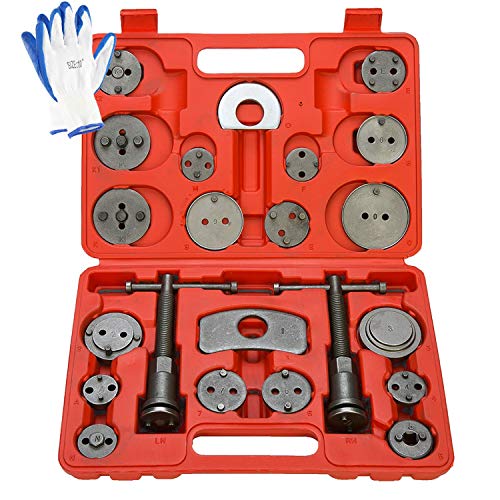
- Replace the caliper when needed. If the piston is seized, the dust boot is torn and contaminated, or the caliper leaks fluid, replacement is usually safer than forcing it free. A badly heat-damaged caliper can fail again soon.
- Bleed and recheck. After caliper or hose service, bleed the brakes as required and confirm the wheel now spins freely, the pedal feels normal, and temperatures stay even on both sides after a test drive.
How to tell if a brake caliper is bad
A bad caliper is more than a noisy brake. It usually shows sticking, fluid leakage, torn seals, uneven pad wear, or a piston that will not retract evenly. If the rotor is blue, the pads are tapered, and the wheel stays hot, the caliper or its hardware is likely failing.
What happens when a brake caliper sticks?
A sticking caliper keeps the pad in contact with the rotor after you release the pedal. That can create heat, faster pad wear, a burning smell, weaker fuel economy, and possible rotor damage. If it continues, the wheel bearing and brake fluid can also overheat.
Is it safe to drive with a sticking brake caliper?
How to respond depends on how severe the drag is. Light drag that only shows a modest temperature difference may let you drive carefully to a repair, but smoke, a strong burning odor, or a wheel that is very hard to turn means stop driving. If the brake is locking or the wheel is nearly seized, it should be towed.
Frequently asked questions
How do I know if a brake caliper is bad?
A bad caliper often leaks fluid, sticks, or fails to retract evenly. Check for torn boots, seized piston movement, uneven inner versus outer pad wear, and blue or scored rotor surfaces. If the problem stays with one corner after the hose and parking brake are ruled out, the caliper is suspect.
How do you test a sticking brake caliper?
First compare side-to-side heat after a normal drive. Then jack up the wheel, confirm safe support on stands, and spin it by hand. If drag remains, inspect the slide pins, pad movement, hose swelling, and parking-brake release before deciding on caliper replacement.
Can a sticking caliper cause a car to pull to one side?
Yes. If one front caliper drags more than the other, the car can pull during braking and sometimes even while cruising. A pull that changes with brake application often points to the brake on that side, while a constant pull may involve tires or alignment too.
How do I fix a sticking brake caliper?
Start with the simplest cause: clean and lubricate the slide pins, replace torn boots, and confirm the pads move freely. If the piston is seized, the hose is collapsed, or the caliper leaks, replacement is usually the safer path. Bleed the system after any open-brake repair.

Hi, I’m Melvin, an automobile engineer with extensive experience in automobile equipment. I currently work for a local automobile firm, where I specialize in the car parts industry. I’ve had the opportunity to collaborate with seasoned inspectors, gaining invaluable hands-on experience that goes beyond just theory.
My passion for automotive care started at a young age, which led me to create CarSpareCare. Through CarSpareCare, I share the knowledge and skills I’ve acquired over the years to help others navigate the world of car maintenance and repairs.
My goal is to provide practical tutorials, essential safety advice, and the latest industry insights so that anyone—whether a beginner or an expert—can confidently tackle their automotive projects.

