
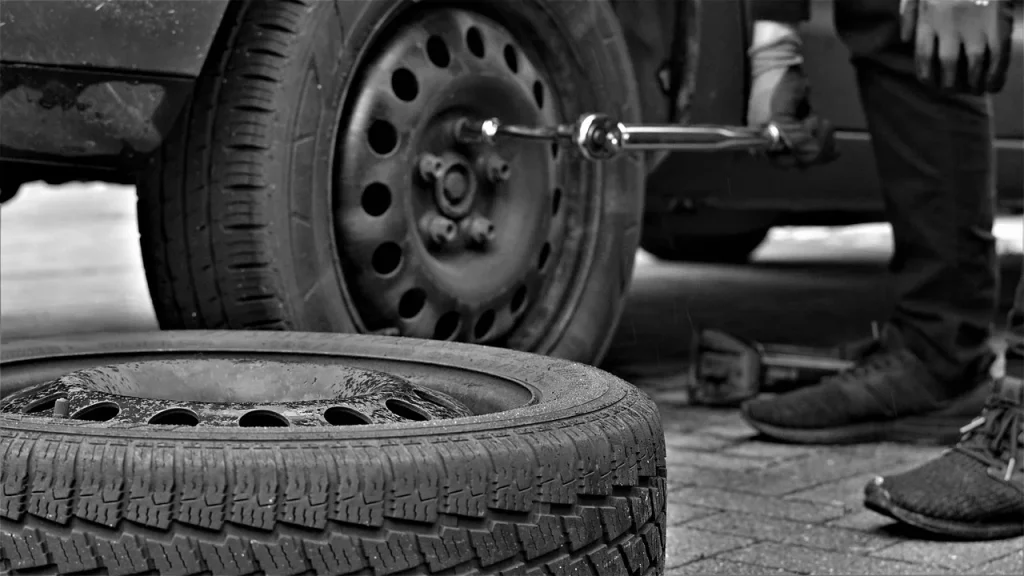
Winter tires vs all-season tires: key differences explained
Use winter tires below 45°F or in snow and ice; all-season tires fit mild winters and light storms.

Use winter tires below 45°F or in snow and ice; all-season tires fit mild winters and light storms.

A bad spark plug may be okay for a short, gentle drive if the engine still runs smoothly, but a flashing check-engine light or hard misfire means stop now.

Start with five basics: car shampoo, wash mitt, drying towel, microfiber towels, and wax or sealant. Then add clay, detail spray, and polish in order.
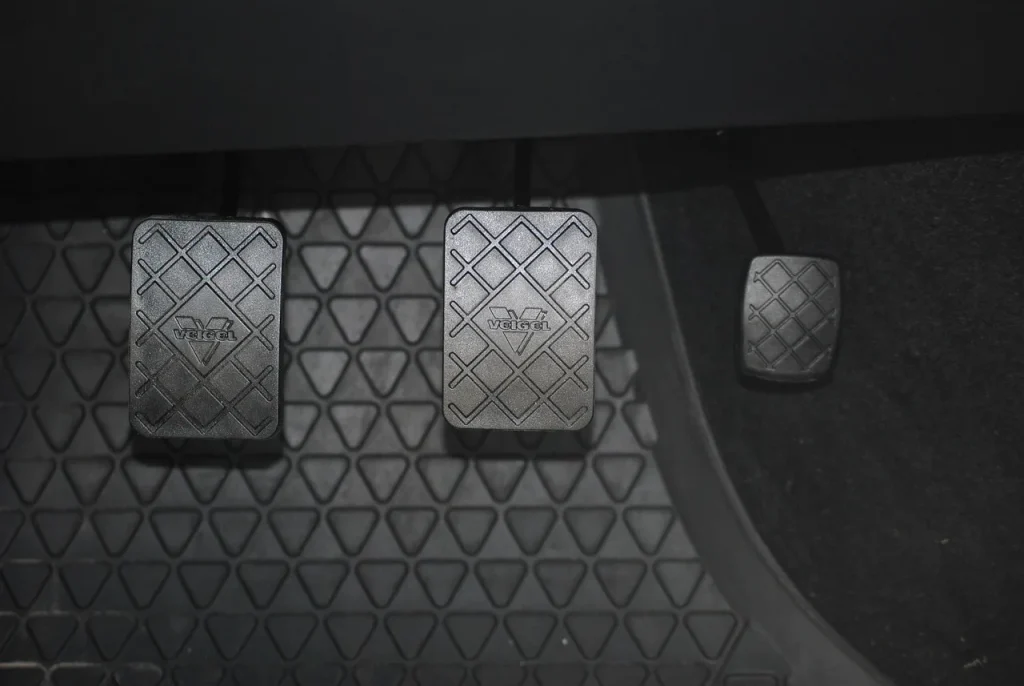
Pedal travel after a flush usually points to trapped air, a dry master cylinder, or an open bleeder. The article lists the next checks and bleed order.

Home charging usually costs pennies to a few dimes. Shop charging adds labor, testing, and often a much higher total.
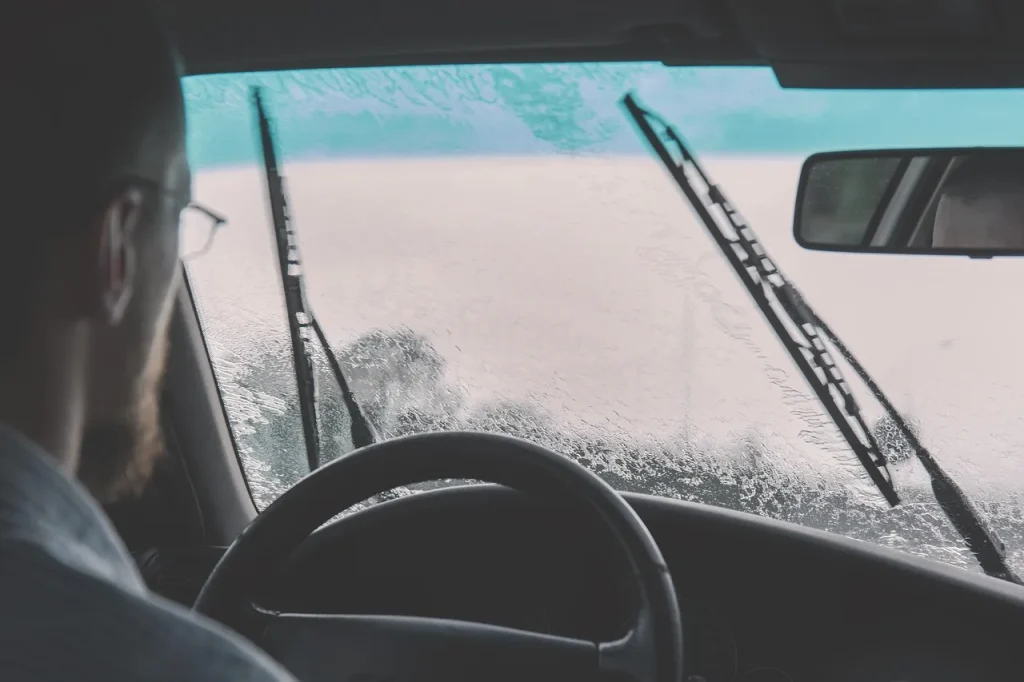
Choose windshield wipers by fitment first: size, connector, and arm type. Then compare beam, hybrid, and winter blades for your climate.
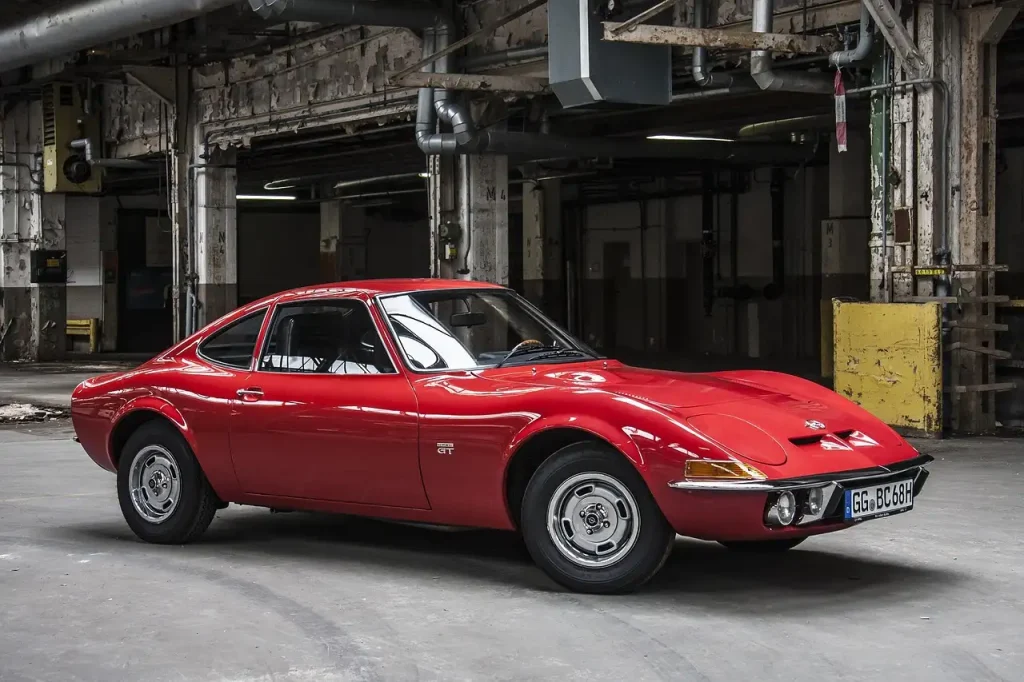
Seasonal paint care means checking protection, contamination, and damage every season, then acting when water stops beading or after harsh weather.
ABS pulsing below 10 mph with light pedal pressure usually points to a false wheel-speed signal from a sensor, tone ring, tire, or bearing.
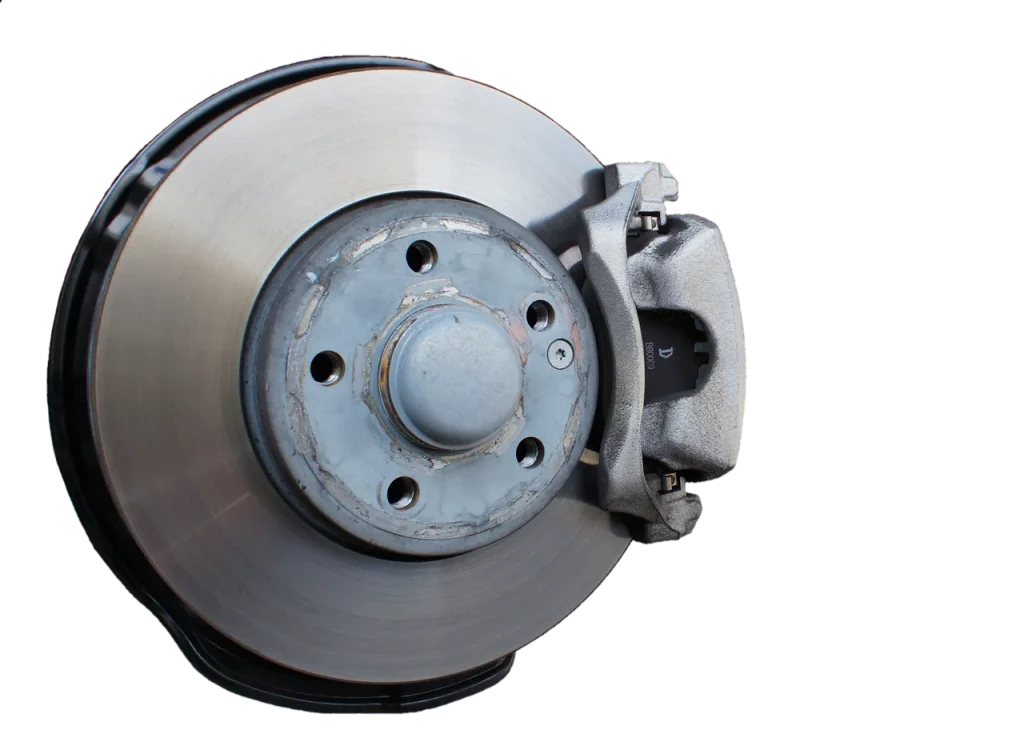
Front noise changes with steering or harder braking; rear noise often changes with parking brake use, light pedal pressure, or trunk load.

Replace now if the battery is 3–5 years old and shows slow cranking, dim lights, or repeated jump-starts; replace soon if symptoms are mild.