

How to Store Spare Spark Plugs Properly
Store spare spark plugs in original boxes or sealed bags, dry and clean, with the gap protected and the threaded end capped or wrapped. Use a checklist to clean, label, and store them so they stay rea

Store spare spark plugs in original boxes or sealed bags, dry and clean, with the gap protected and the threaded end capped or wrapped. Use a checklist to clean, label, and store them so they stay rea

Start with a pH-neutral wash, a dedicated water-spot remover, and microfiber drying; if the spot stays visible, the clear coat is likely etched.

Pulling under braking points first to brake drag, tire mismatch, or a seized caliper. Alignment matters more when the car drifts without braking.
Cold weather slows battery chemistry and raises starting load, so a weak battery can fail on the first hard freeze. This article explains why and what signs to watch for.

A battery can drain while parked from a light, relay, module, or aftermarket accessory; normal key-off draw is often under 50 milliamps.
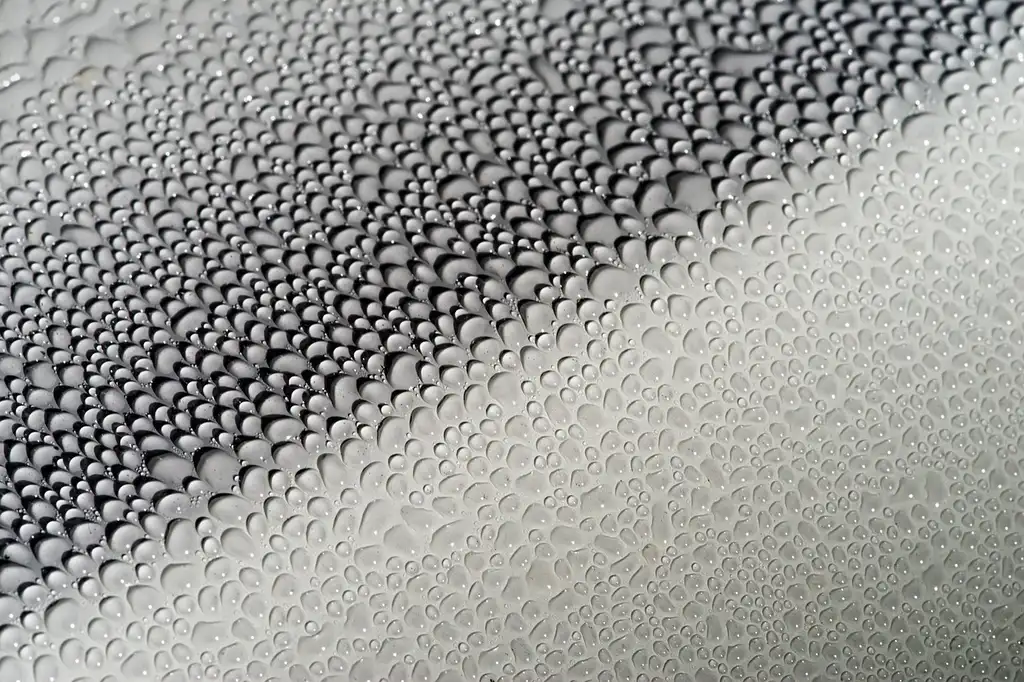
Wash road-trip paint in the right order: rinse, pre-wash, hand wash, remove bugs, tar, and salt, then clay only if needed, dry, and reapply protection.
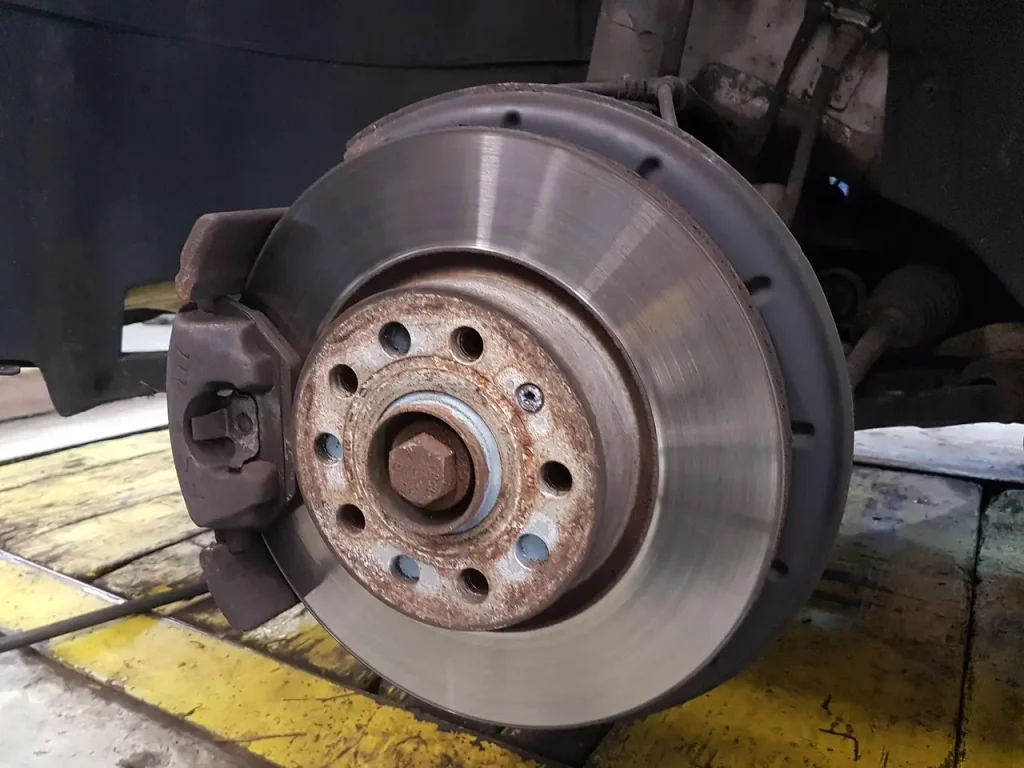
Start with the tyres, then check whether the pull happens under braking or while cruising. If it stays after 50–100 miles, inspect calipers, slide pins, hoses, pads, and alignment.
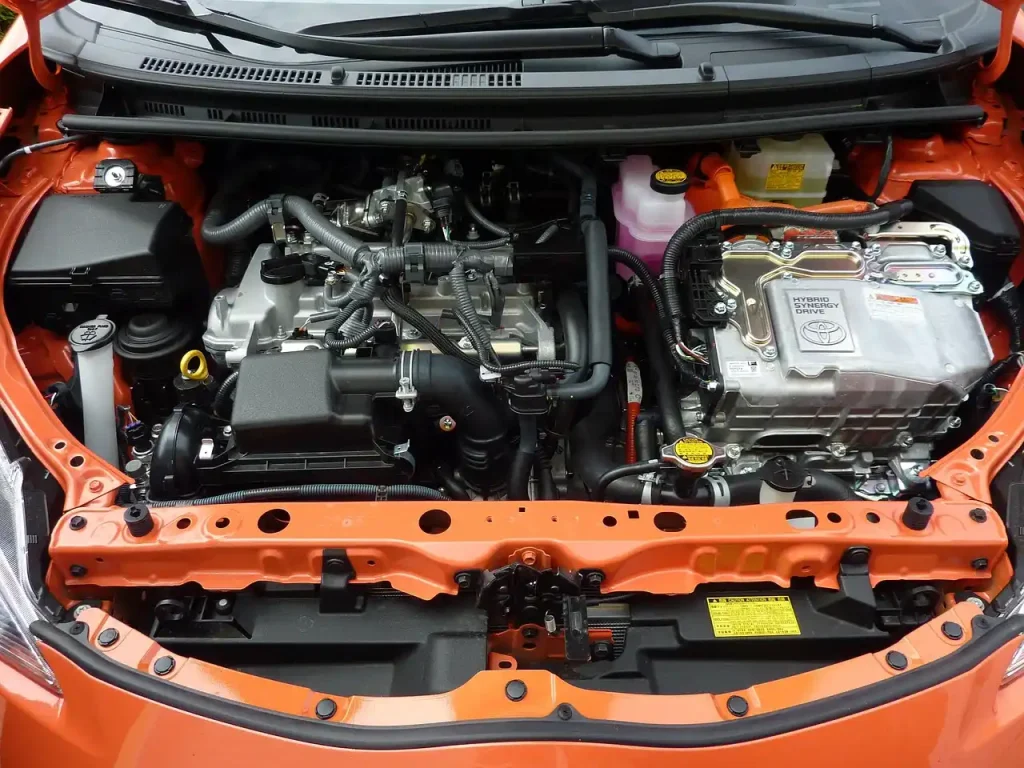
Short trips can leave a car battery undercharged because the alternator may not replace the energy used for starting and accessories.

If overall wheel-and-tyre diameter grows more than about 3%, rubbing is usually the first failure. It also covers speedometer error, clearance, and load limits.

Test spark plugs for wear by checking electrode erosion, gap, fouling, and resistor resistance. Replace any plug with cracks, heavy wear, oil fouling, or an out-of-spec gap.