

How to Tell If Spark Plugs Are OEM or Counterfeit
Compare the spark plug’s stamped part number, box label, and physical details against the manufacturer catalog; mismatches mean suspect.

Compare the spark plug’s stamped part number, box label, and physical details against the manufacturer catalog; mismatches mean suspect.
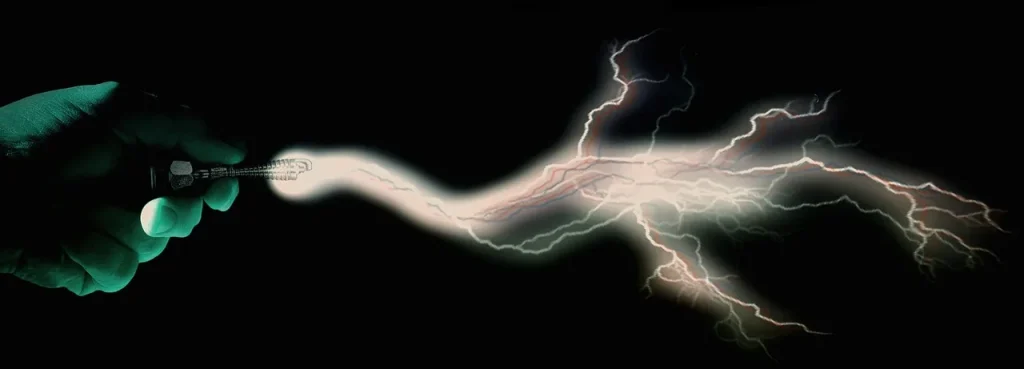
Wrong spark plugs can cause rough idle, misfires, harder starts, poor fuel economy, and catalytic converter damage. Learn how fit, heat range, and gap affect performance.
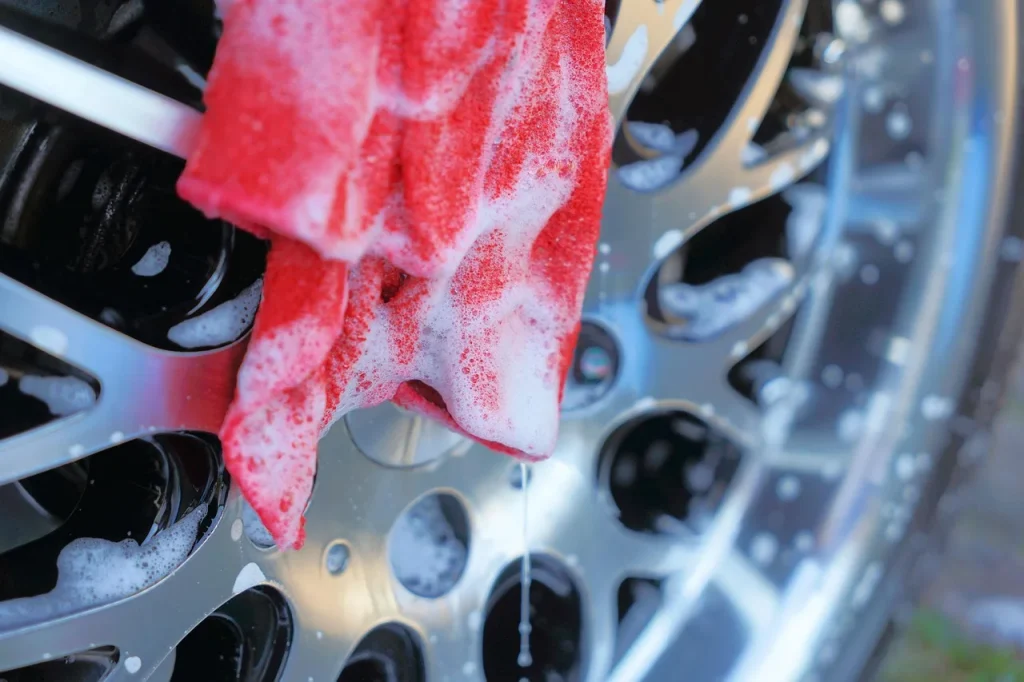
Choose a plush microfiber or lambswool mitt with a deep pile, sewn-in cuff, and no face seams to lower paint-safety risk.

Steering wheel vibration after a tire rotation usually points to wheel, tire, or lug-torque issues. Check balance, seating, and tire defects first.

A dead car battery is usually discharged, damaged, or drained by a fault. This guide shows the fastest checks for charging, alternator, and parasitic-draw problems.

Use diluted dish soap or a 1:1 water-vinegar mix only on sealed hard surfaces, and avoid it on leather, suede, screens, and electronics.

Keep the rolling diameter within about 3% of stock and confirm brake, suspension, and arch clearance before you fit bigger wheels.

A misfire that moves after a coil swap usually points to a bad ignition coil. Check the symptoms, codes, and swap-test logic before replacing parts.

Check recent accessories first, then measure key-off current after the car sleeps; above 100 mA points to a drain. Follow steps to isolate the accessory.
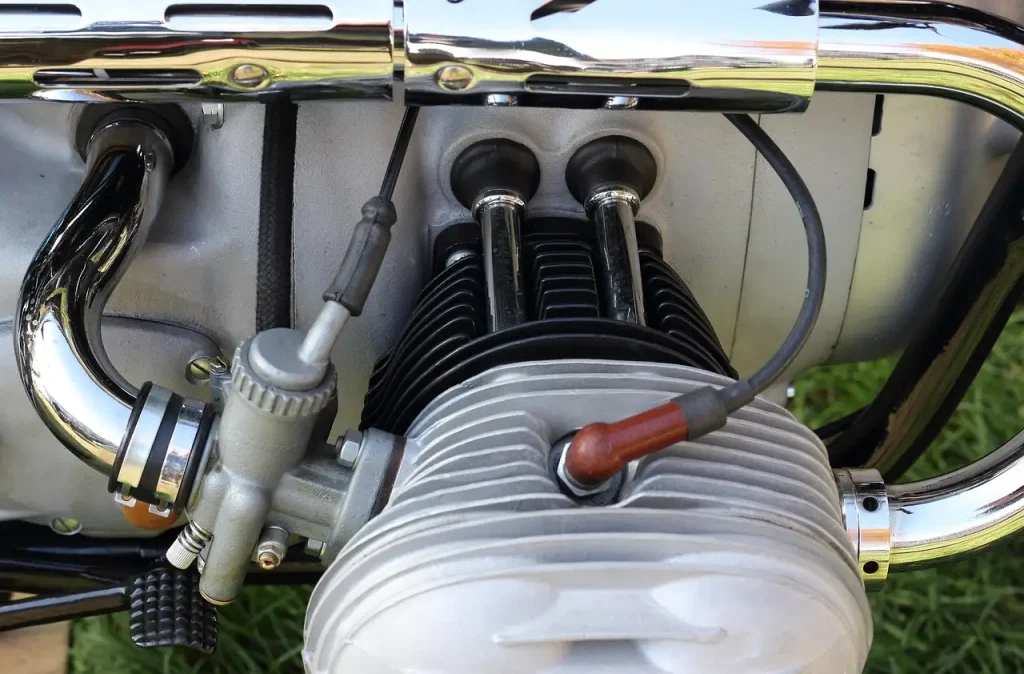
Replace spark plug wires only if they are cracked, swollen, oil-soaked, or causing a misfire; otherwise inspect them first and leave them in place.