
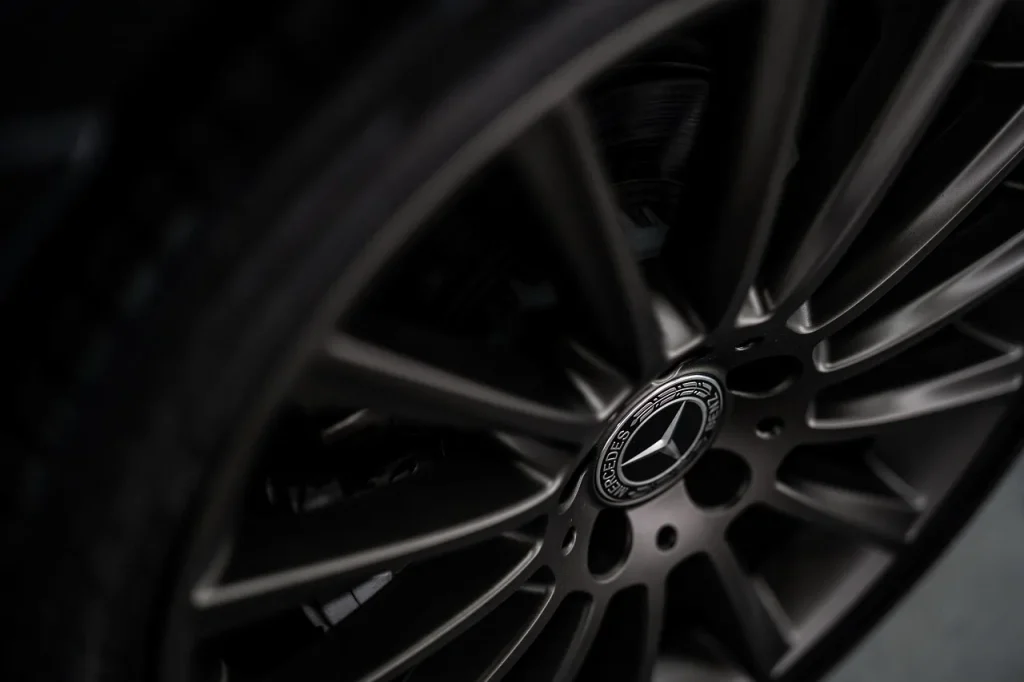
Car Maintenance for High-mileage Cars
Fix safety or fluid-loss faults first, then service wear items and delay cosmetic repairs by mileage band.

Fix safety or fluid-loss faults first, then service wear items and delay cosmetic repairs by mileage band.

Clean a filthy car interior on a budget with a vacuum, microfiber cloths, warm water with a drop of dish soap, and a soft brush.
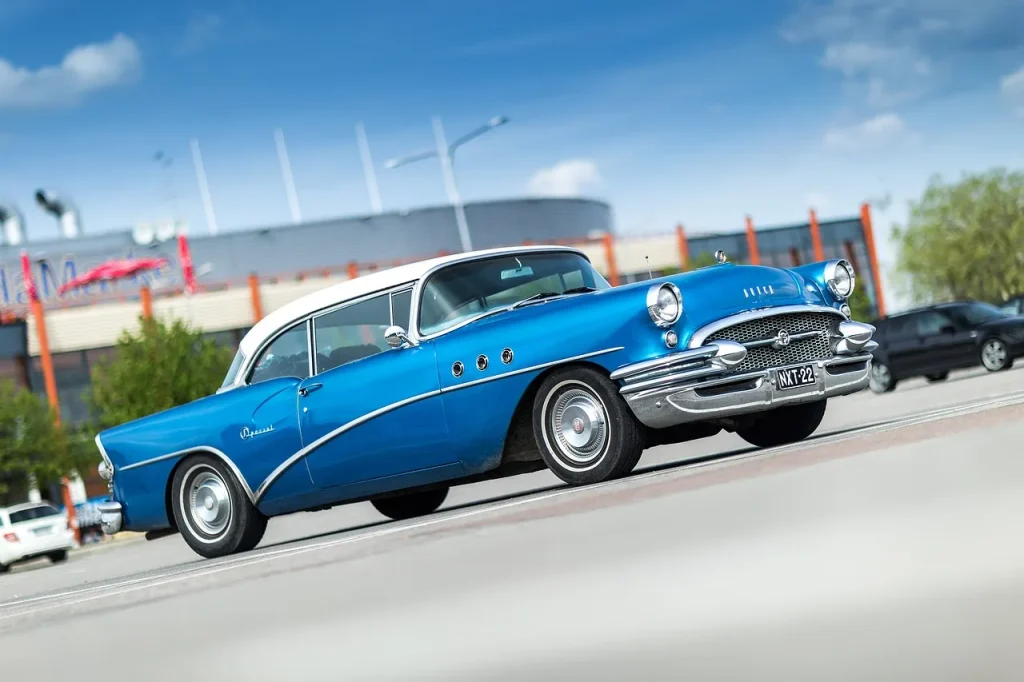
Wash off the scrape within 24 hours, check the damage layer, and choose touch-up paint, film, or body-shop repair before rust starts.

If the pads are only noisy and still have several millimetres left, you can usually drive a short distance to a shop. Grinding, weak braking, or a brake warning light means stop and tow it.
Powder coat usually lasts 5 to 10 years on wheels, but paint can last longer with careful prep and sealing. This article compares durability, failure modes, and use-case fit.
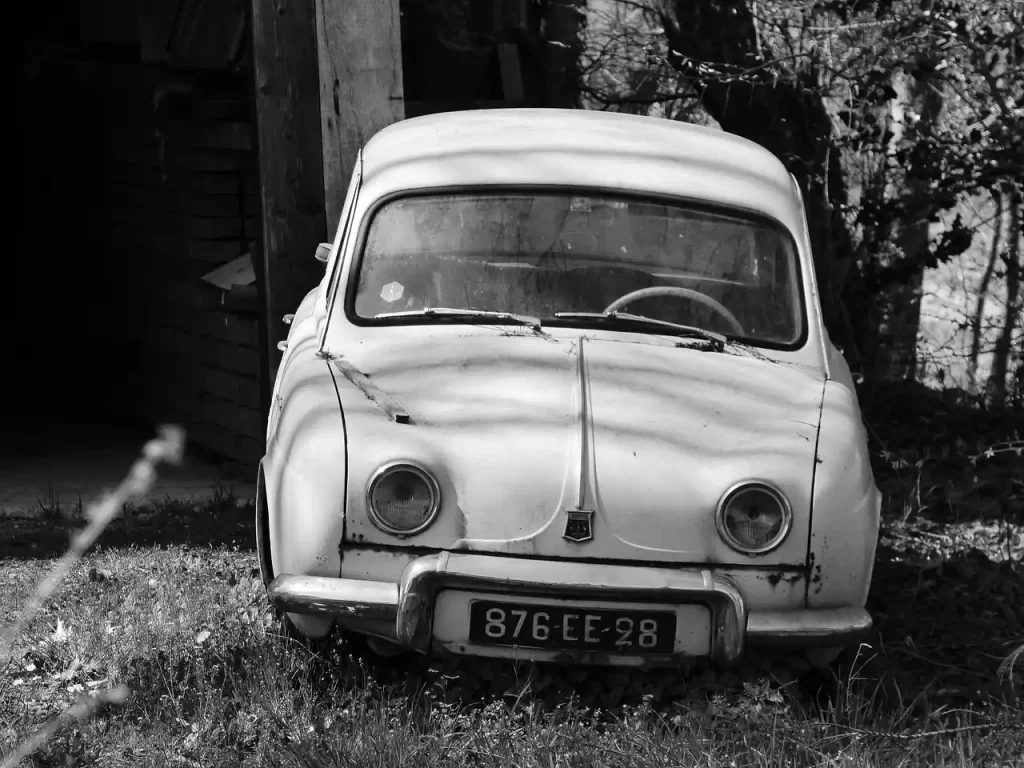
Inspect safety-critical systems first on older cars: brakes, tires, steering, suspension, leaks, battery, fluids, belts, hoses, and aging rubber parts.
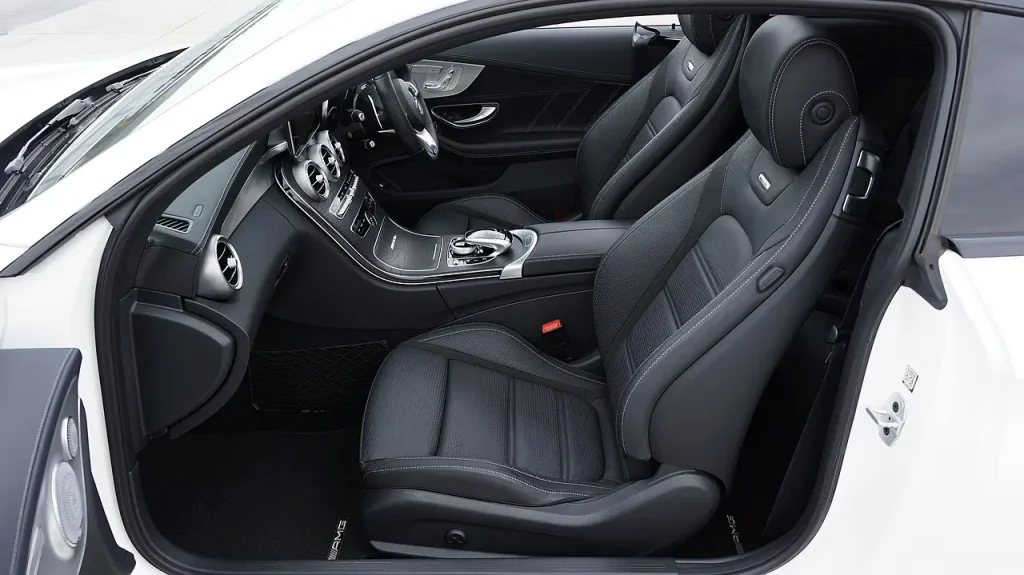
Use a microfiber cloth with distilled water and a drop of mild dish soap for safe leather seat cleaning, plus a clear list of what to avoid.

Clean the panel first, then look for lifting edges, flakes, or peeling; smooth haze is oxidation, not clear-coat failure.
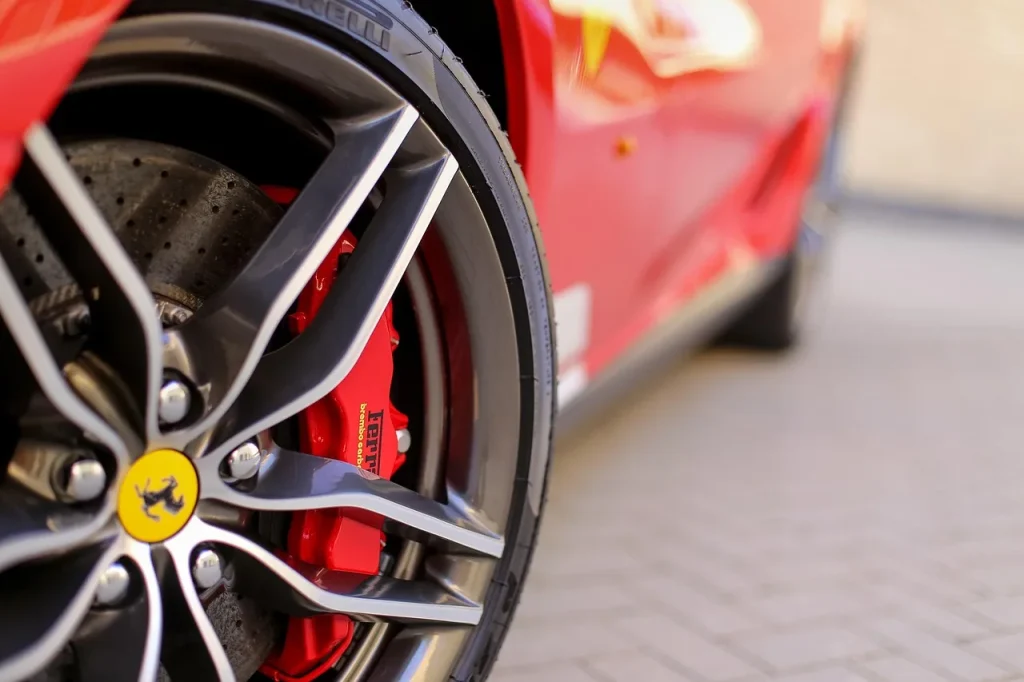
Grinding, a sinking pedal, or longer stopping distances mean stop driving now; damage can start on the next stop. The article breaks down drive, stop, and tow decisions by symptom.

Small peel can be spot repaired only if the wheel is clean and corrosion is shallow; wider peeling usually needs a full refinish.