Remove interior water spots by clearing loose grime first, then use a 1:1 distilled white vinegar-and-water mix on an interior-safe microfiber cloth. If the spots remain, move to a glass-safe cleaner or a brief rubbing-alcohol spot treatment, and never use abrasive pads on tinted glass. Miss the order and you can leave streaks, smear mineral film, or damage tint. This guide shows how to tell mineral spots from haze and the exact cleanup sequence for clear, streak-free interior glass.
What you’ll need
- Microfiber cloths, dry and lint-free, for final wiping
- Spray bottle
- Distilled water for mixes and rinsing
- White vinegar
- Ammonia-free glass-safe cleaner
- Rubbing alcohol, 70% to 90%, for isolated spots only
- Clean towel or extra microfiber for protecting trim and the dash
📊 The competitor says to use undiluted 70% to 90% rubbing alcohol on individual spots. Source: Wikihow.
What causes interior glass spots?
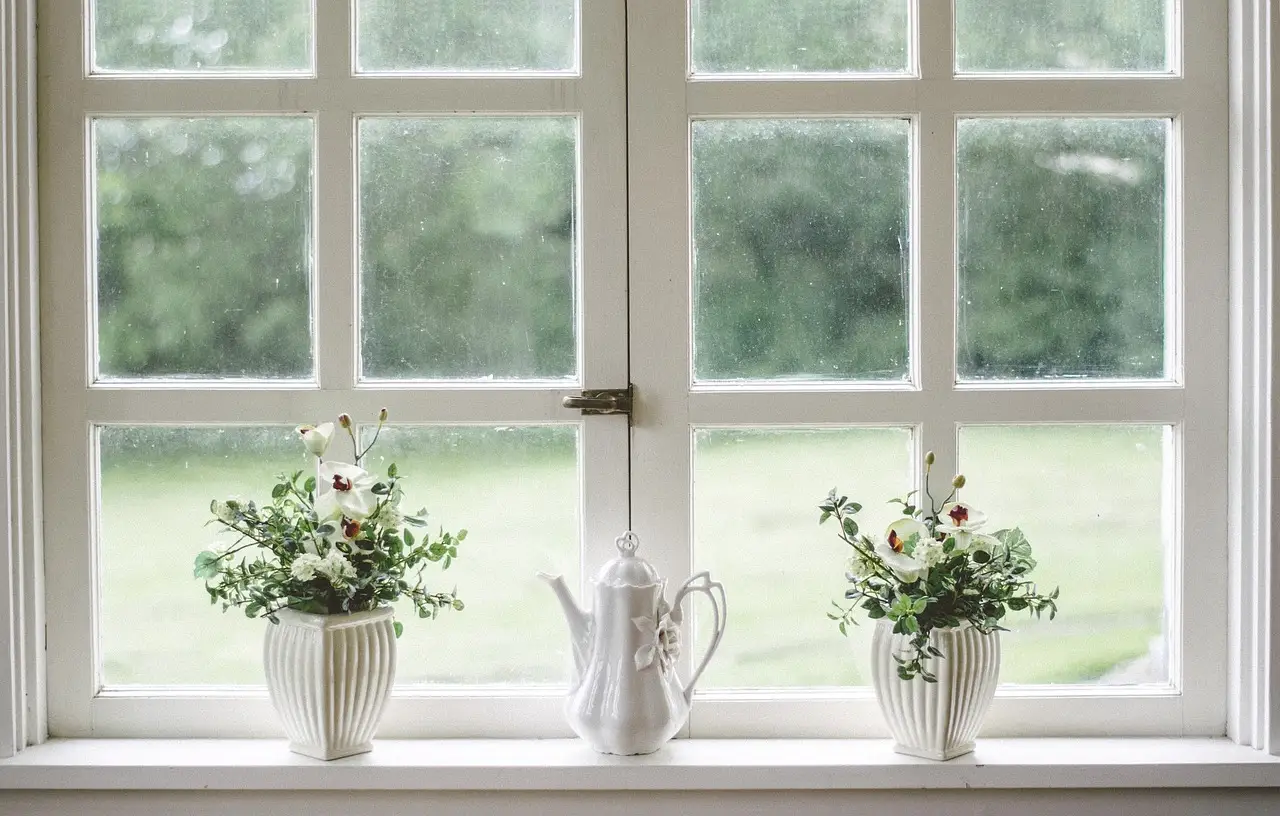
Interior spots usually come from hard water minerals, often calcium carbonate, left behind after condensation, spills, or a wet wipe dries on the glass. Interior haze can also come from off-gassing plastics, smoke residue, or detailing spray overspray. The fix changes with the cause.
A mineral spot reacts to acid. An oily film reacts better to a glass-safe cleaner and dry wiping. Etching does not wipe away cleanly, because the glass surface itself has been altered.
Why the cause changes the fix
If you treat oily film like mineral spotting, you can keep smearing it. If you treat etched glass like a removable deposit, you keep scrubbing after the useful point. That is how tint edges, defroster lines, and coated interior glass get damaged.
How do you remove water spots from interior glass?
Start with dust, then use a light vinegar-and-distilled-water treatment, then dry the glass completely. That order matters because loose grit can scratch, and leftover liquid can dry into new spots. Start with the mildest step that works.
- Dust the glass with a dry microfiber cloth.
- Fill a spray bottle with a 1:1 mix of white vinegar and distilled water.
- Lightly mist the cloth, not the glass, on the first pass.
- Wipe the spot in overlapping passes.
- Let the solution sit for about 10 minutes if the mineral mark is stubborn, then wipe again.
- Follow with a clean, dry microfiber cloth until no moisture remains.
- Use an ammonia-free cleaner that is safe for glass if a faint haze remains.
Say your windshield has a 2-inch ring of dried droplets near the rearview mirror. A dry dusting first prevents dragging grit across the glass, and the vinegar mix targets the mineral ring without flooding the headliner or camera area.
What if vinegar does not work?
If the mark barely changes after the vinegar step, treat it as either oily film or etching. Move to a small amount of rubbing alcohol on a cloth for one isolated spot, then stop if the mark still does not change. Persistent marks may be etched, and etching usually needs polishing or replacement.
Spot treatment with rubbing alcohol
Use rubbing alcohol only on one small spot at a time. The competitor guidance references 70% to 90% alcohol, but repeated exposure can damage finishes, so keep it off trim, tint edges, and soft-touch panels. Apply it to the cloth, not directly to the glass.
Final polish with a glass-safe cleaner
If the spot is gone but the panel still looks cloudy, finish with an ammonia-free glass-safe cleaner. It should not leave haze or film. Wipe with a dry microfiber cloth in straight passes, then inspect from multiple angles.
Suppose the passenger window has one stubborn dot the size of a lentil, while the rest of the pane looks clear. That is a good candidate for alcohol spot treatment. If the same dot stays after one careful pass, stop there instead of scrubbing harder.
Is it water spots, film, or etching?
Use the symptom, not the guess. Interior glass can collect mineral spots, oily film, or permanent etching, and each one responds differently. This table gives the safest first move and the point where DIY should stop.
| Symptom | Likely cause | Safest test | First product to try | When to stop DIY and escalate |
|---|---|---|---|---|
| White dots that reappear after drying | Hard water minerals | Wipe a small area with vinegar mix and inspect after drying | 1:1 white vinegar and distilled water | If the mark stays unchanged after two careful passes, it may be etched |
| Cloudy film across most of the windshield | Off-gassing or interior detailing residue | Clean one section with a dry microfiber, then glass-safe cleaner | Ammonia-free glass-safe cleaner | If the haze remains after a full wipe and dry, inspect for coated glass or damage |
| Hazy spots near vents or the dash | HVAC condensate plus residue | Check whether the spot changes after a vinegar wipe and a dry wipe | Vinegar mix first, then glass-safe cleaner | If the haze returns quickly, fix the source of moisture or leakage |
| Ring marks around a dried droplet | Mineral deposit from evaporation | Try a lightly dampened microfiber with vinegar mix | 1:1 white vinegar and distilled water | If the ring edges do not soften, stop before over-scrubbing the area |
| Single stubborn dot that survives cleaning | Etching or bonded residue | Compare before and after one alcohol spot treatment | 70% to 90% rubbing alcohol on a cloth | If the dot does not change, it is likely etched and needs polishing or replacement |
| Streaks only after wiping | Too much liquid or dirty cloth | Redo one small area with a dry microfiber cloth | Dry microfiber only | If streaks persist, switch cloths and use less product |
| Marks on tinted interior glass | Minerals, film, or coating sensitivity | Test a tiny corner with a lightly damp microfiber | Glass-safe cleaner marked ammonia-free | Stop if the film clouds, lifts, or feels tacky |
Common mistakes to avoid
Too much liquid is the fastest way to create a new problem. Overspray can run into switches, defroster lines, or the headliner, and mineral-bearing tap water can leave fresh deposits as it dries.
- Do not soak the glass.
- Do not use abrasive pads or aggressive scrubbing on tinted glass.
- Do not keep rubbing once the mark stops changing.
- Do not use clay bar on tinted film or delicate interior coatings.
- Do not leave rinse water on the glass; dry it fully.
How do you stop water spots from coming back?
Prevent recurrence by fixing leaks, reducing cabin humidity, and keeping mineral-bearing water off the interior glass. Dry any rinse water fully, and avoid overspraying cleaners onto the windshield or side glass. A clean, dry microfiber pass at the end matters as much as the chemical step.
Competitor guidance for car washing often mentions a 2-bucket method and thorough drying, but interior glass needs a tighter version of that idea: controlled moisture, clean cloths, and immediate drying. Fresh spots may vanish with a quick rinse, but inside the cabin a rinse should mean distilled water only.
A common first-timer mistake is cleaning the inside windshield after a foggy morning without first removing the moisture source. If condensation keeps returning near the vents, the glass will spot again even after a perfect wipe.
Frequently asked questions
How do I remove water spots from interior car glass?
Dust first, then use a 1:1 white vinegar and distilled water mix on a microfiber cloth, wipe the spot, and dry the glass completely. If the mark remains, use rubbing alcohol only on that one area, then finish with an ammonia-free glass-safe cleaner.
What causes water spots on inside car windows?
Hard water minerals from condensation or spills are the most common cause. Interior haze can also come from smoke residue, off-gassing plastics, HVAC condensate, or detailing spray overspray. The treatment depends on whether the mark is mineral, oily film, or etching.
Can vinegar remove water spots from car windows?
Yes, vinegar is a first-line DIY cleaner for light to moderate mineral deposits. Mix it 1:1 with distilled water, apply it lightly, and let it sit briefly on stubborn spots. If the mark does not change, stop before scrubbing harder.
How do I get dried water spots off glass?
Use a dry microfiber first to remove loose dust, then treat the dried spot with a vinegar-and-distilled-water mix. If the spot is still visible after drying, follow with a small alcohol spot treatment and a final glass-safe cleaner pass.
Will glass cleaner remove hard water stains on interior glass?
Sometimes, but not always. An ammonia-free glass-safe cleaner works best on haze and oily residue, while mineral spots usually need vinegar first. If the stain remains after both steps, it may be etched and no longer removable with cleaner alone.
What should I use on tinted interior glass?
Use an ammonia-free glass-safe cleaner and a clean microfiber cloth. Avoid abrasive pads, heavy scrubbing, and clay-type products on tinted film or coated glass. Test one small corner first if the tint condition is unknown.
How do I stop water spots from coming back on car windows?
Fix leaks, reduce cabin humidity, and dry every cleaned area completely. Use distilled water for mixes and rinse steps, not mineral-bearing tap water. Also keep overspray off the windshield, because leftover liquid can dry into fresh spots.
How do I remove water marks from inside glass vase?
Use the same mineral-removal logic: first remove dust, then apply a vinegar-and-distilled-water mix, let it sit briefly, and dry it fully. If the marks remain after that, the glass may be etched and need polishing designed for glass, not abrasive scrubbing.

Hi, I’m Melvin, an automobile engineer with extensive experience in automobile equipment. I currently work for a local automobile firm, where I specialize in the car parts industry. I’ve had the opportunity to collaborate with seasoned inspectors, gaining invaluable hands-on experience that goes beyond just theory.
My passion for automotive care started at a young age, which led me to create CarSpareCare. Through CarSpareCare, I share the knowledge and skills I’ve acquired over the years to help others navigate the world of car maintenance and repairs.
My goal is to provide practical tutorials, essential safety advice, and the latest industry insights so that anyone—whether a beginner or an expert—can confidently tackle their automotive projects.