
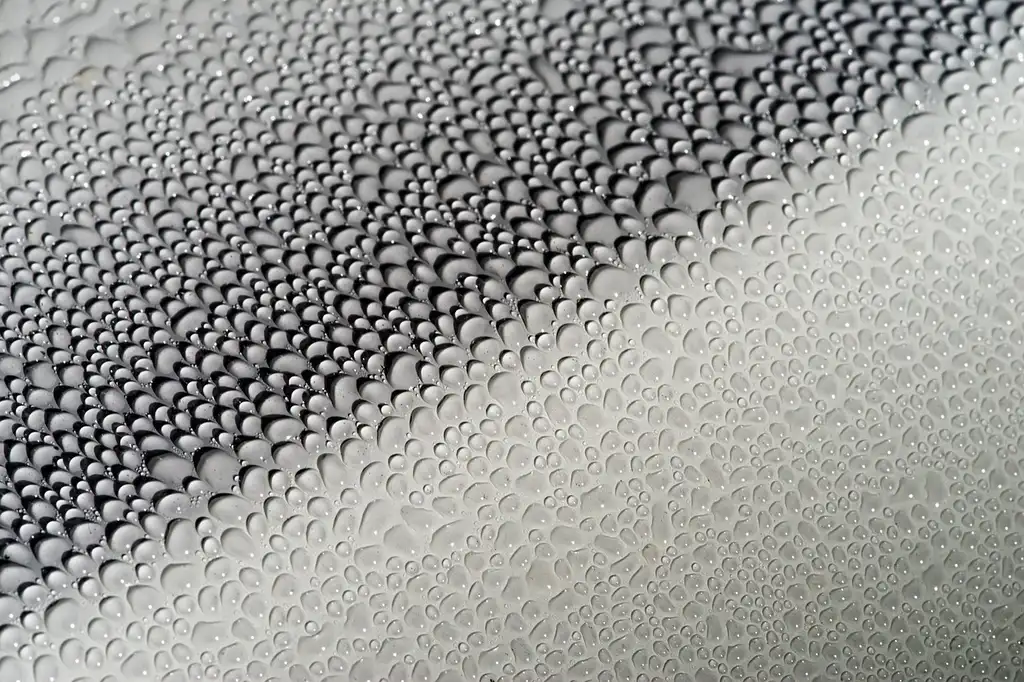
How to Care for Car Paint After a Road Trip
Wash road-trip paint in the right order: rinse, pre-wash, hand wash, remove bugs, tar, and salt, then clay only if needed, dry, and reapply protection.
Wash road-trip paint in the right order: rinse, pre-wash, hand wash, remove bugs, tar, and salt, then clay only if needed, dry, and reapply protection.
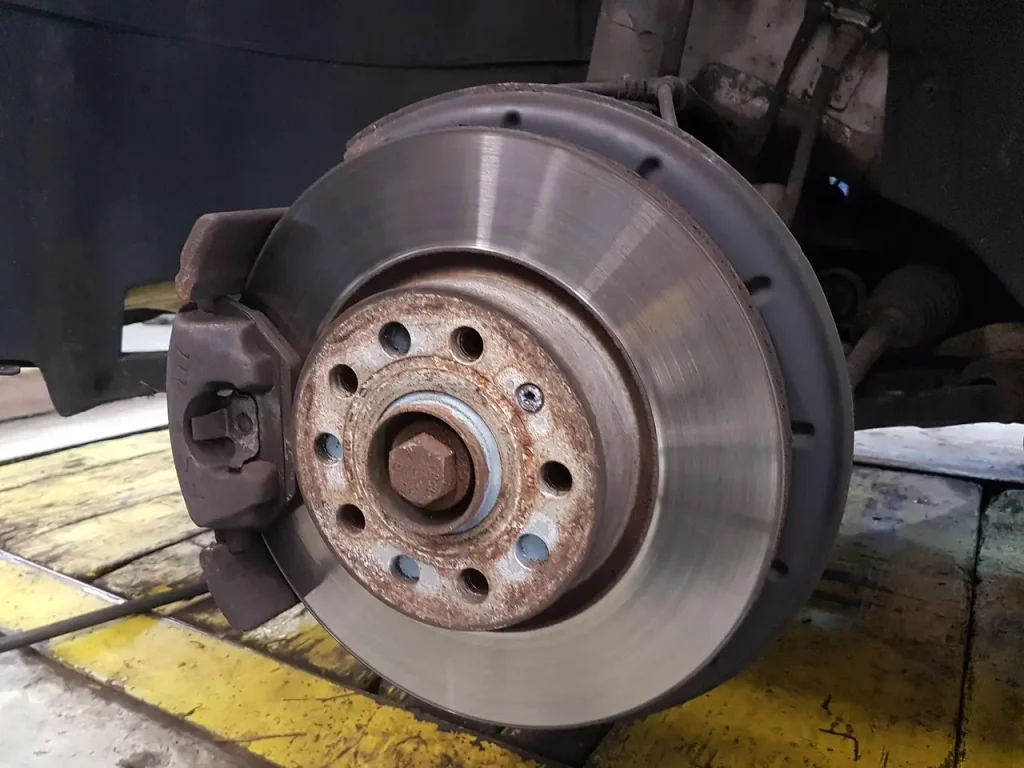
Start with the tyres, then check whether the pull happens under braking or while cruising. If it stays after 50–100 miles, inspect calipers, slide pins, hoses, pads, and alignment.
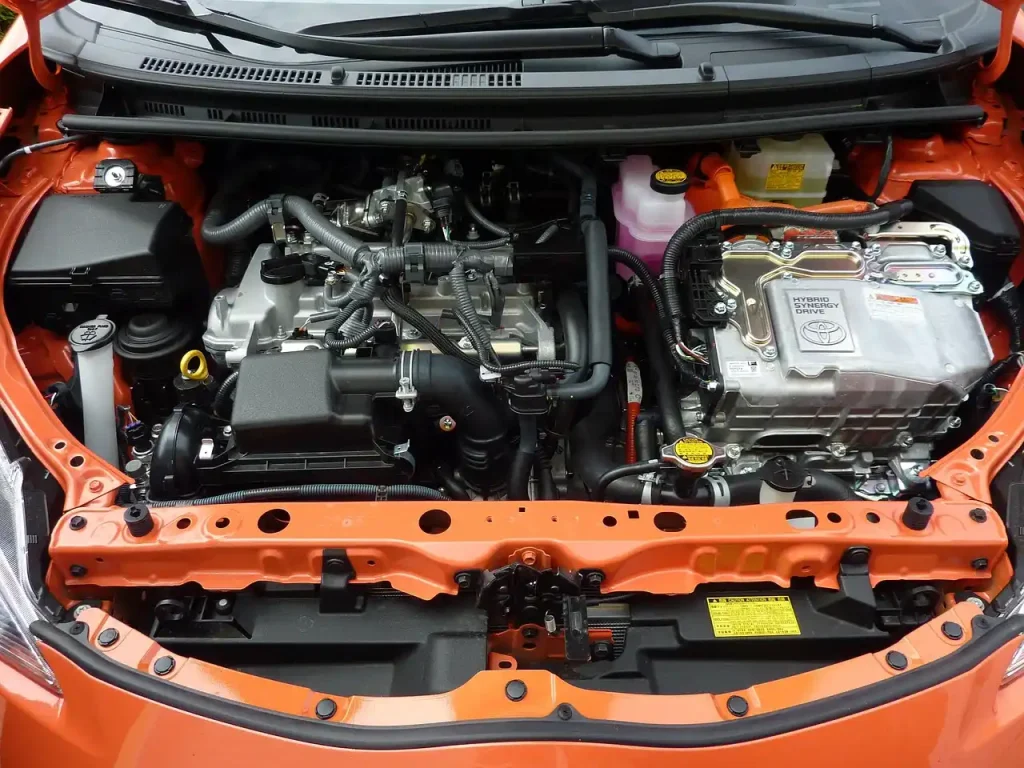
Short trips can leave a car battery undercharged because the alternator may not replace the energy used for starting and accessories.
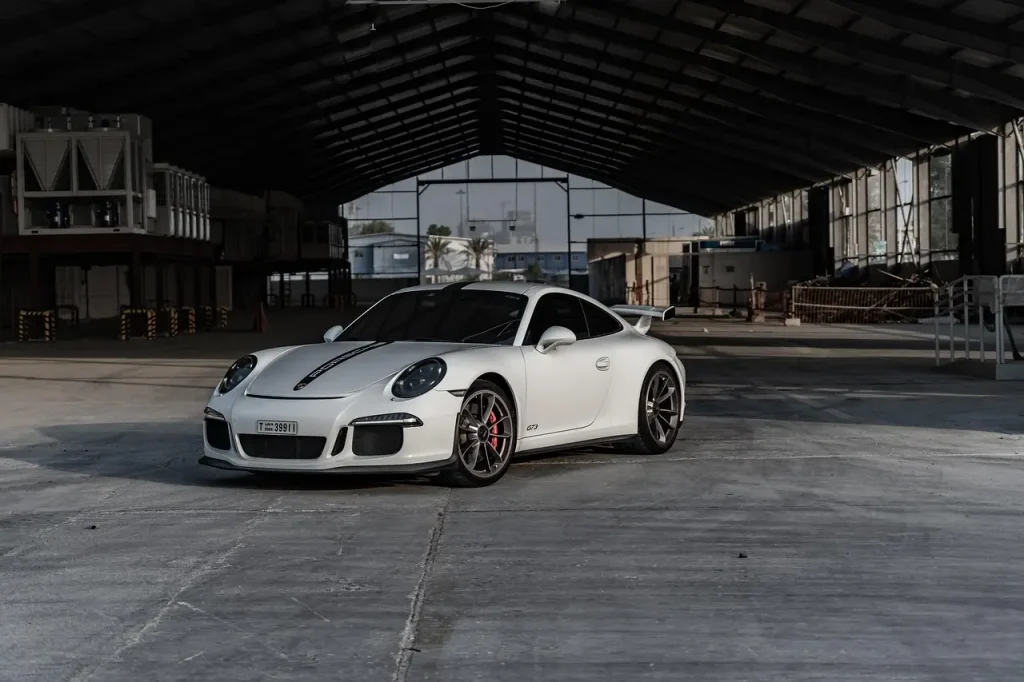
If overall wheel-and-tyre diameter grows more than about 3%, rubbing is usually the first failure. It also covers speedometer error, clearance, and load limits.
Test spark plugs for wear by checking electrode erosion, gap, fouling, and resistor resistance. Replace any plug with cracks, heavy wear, oil fouling, or an out-of-spec gap.
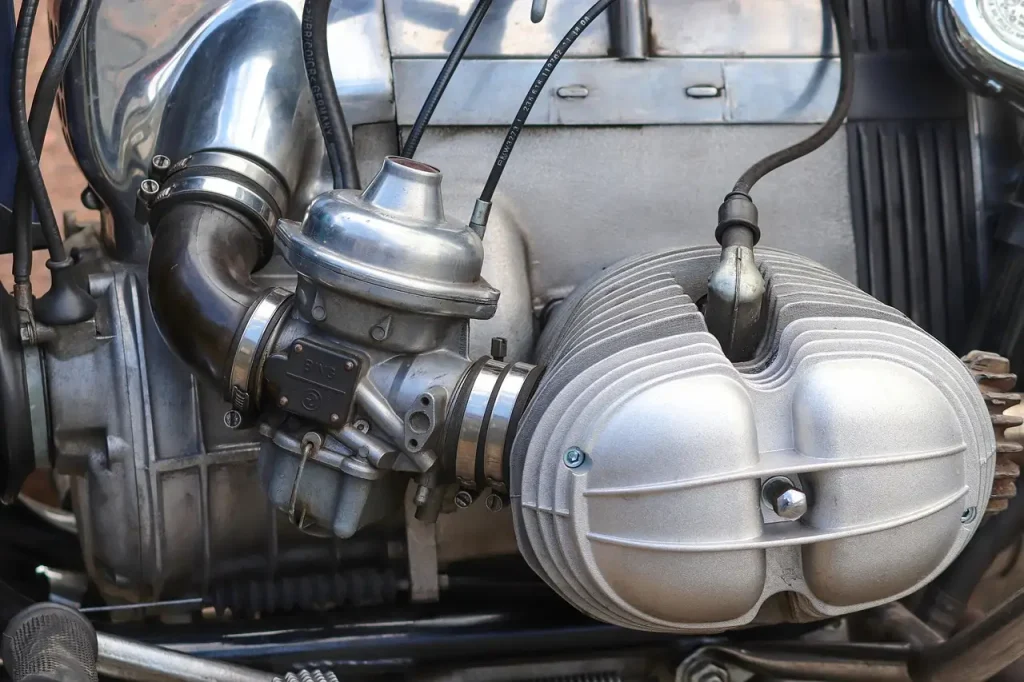
Replace spark plugs in a full set when they’re worn or the service history is unknown; replace one plug only for isolated damage or diagnosis.
Clean a car interior without a vacuum cleaner by removing dry debris first, then wiping surfaces and brushing fabrics section by section.
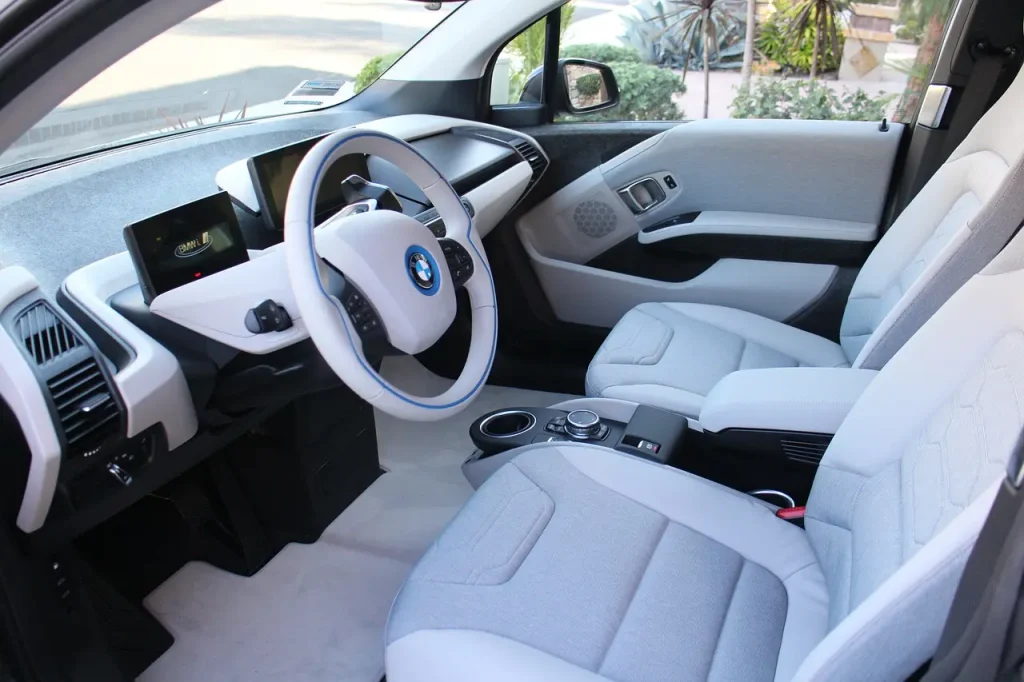
Pick cleaners by surface: pH-neutral for vinyl and plastic, leather cleaner for coated leather, glass cleaner for glass, and fabric cleaner for cloth.
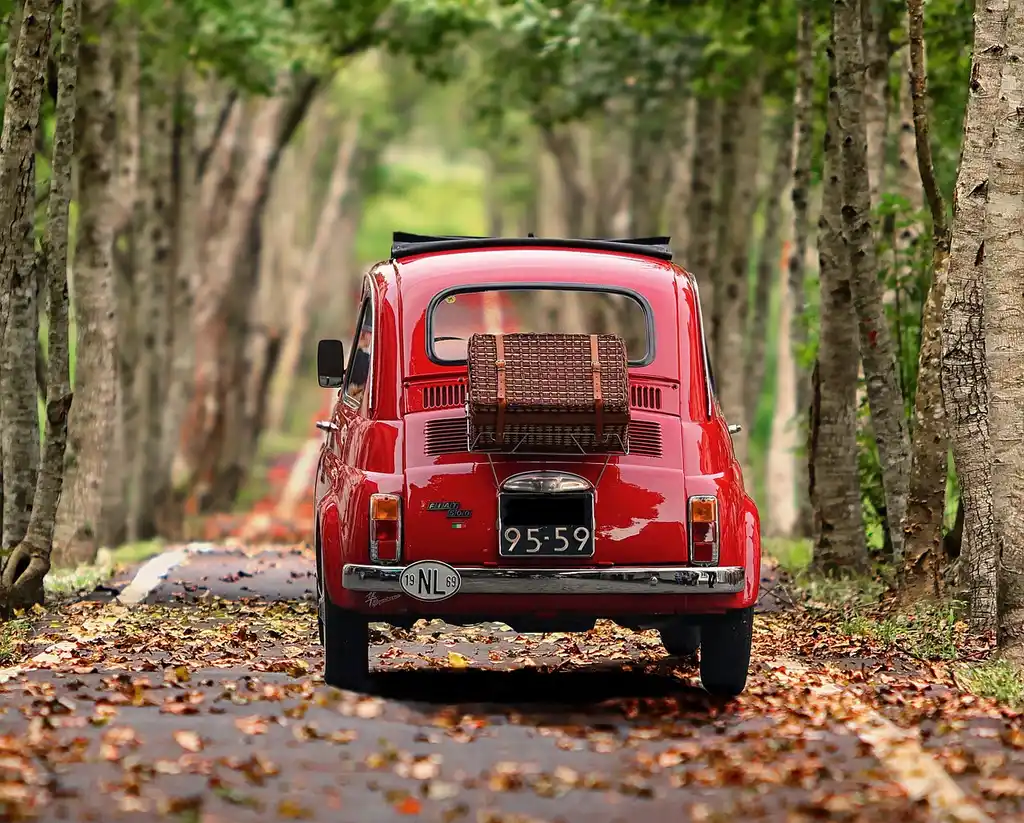
Stop paint fading by matching the fix to the finish: wash and decontaminate rough paint, polish dull clear coat, or repaint when peeling starts.
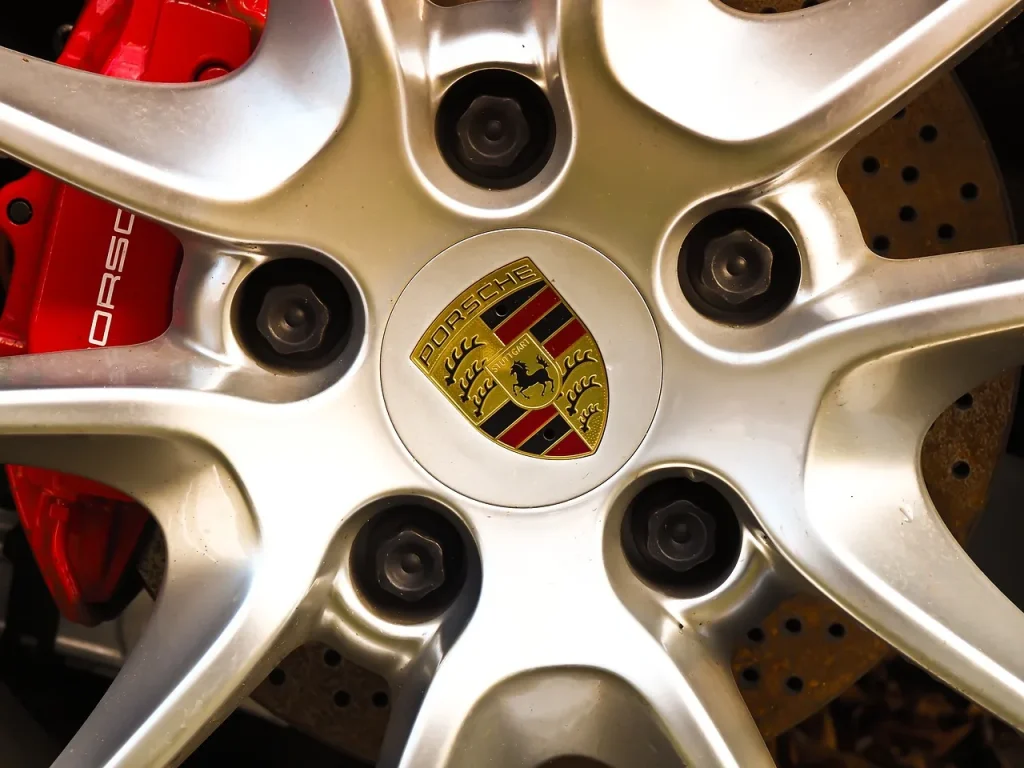
If your car brakes better in reverse, that is often normal on vehicles with rear drum brakes or a parking-brake mechanism, but it is a fault if the pull, noise, or stopping distance is new, one-sided,