
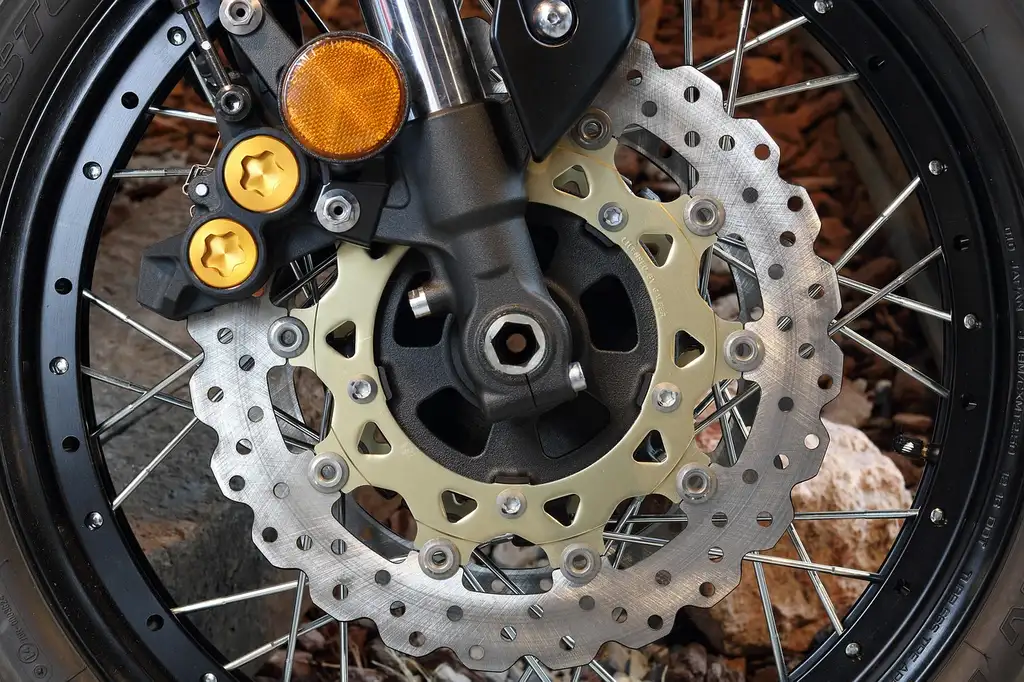
Rear brakes lock up first when rear brake force is too high, rear pressure rises too fast, or ABS and traction control read wheel speed wrong; on drum brakes, a seized adjuster or contaminated shoe is a common culprit. Ignore it and you can lose steering control, stop longer, and wear tires or brake parts fast. This guide checks hydraulic, mechanical, ABS, and traction-control faults in a symptom-based order.
What rear-first lockup means
Rear-first lockup can mean the rear wheels stop rotating before the fronts under braking, or stay locked briefly after the pedal comes back up. That is different from a single dragging wheel, which keeps heating after the stop, and different again from ABS chatter, which is a quick pedal or wheel-pulse event without a hard mechanical bind.
Rear lockup versus brake drag
True lockup usually shows up as a skid, a chirp, or the rear stepping sideways during braking. Drag keeps the brake hot after release. If one rear wheel smells hot after a short drive, or that wheel is harder to turn by hand on a lift, that can point to a sticking part, a parking brake problem, or a hydraulic issue holding pressure.
Disc and drum rear brakes behave differently
Rear disc brakes usually point you toward a stuck caliper, a collapsed hose, or parking brake hardware inside the caliper or rotor hat. Rear drum brakes add another layer: wheel cylinders, return springs, star wheels, and shoe contamination can all make the shoes self-apply. Older vehicles with rear drums are more likely to show these faults first.
What the driver usually feels or hears
A rear lockup can feel like the tail of the vehicle slides before the stop is over. You may hear tire squeal from the rear, feel a pull, or notice one rear wheel hotter than the other after a short stop. If the brakes lock while simply slowing down, not only during a panic stop, that points away from road conditions alone and toward a brake-system fault.
Why do rear brakes lock before the fronts?
Rear brakes lock first when the rear axle gets too much braking force for the available traction or when the rear system applies by itself. The usual causes are a pressure-control fault, a sticking rear component, or a wheel-speed signal problem that confuses ABS. Wet or slippery pavement can make the symptom appear sooner.
Too much rear hydraulic pressure
A bad brake system proportional valve can cause the rear wheels to lock up during heavy braking. That valve splits hydraulic pressure front to rear, and if it sends too much pressure rearward, the rear brakes can grab before the fronts. A fault here usually shows up most clearly during firm stops, not gentle pedal use.
Loss of rear traction under braking
Rear tires have less load during hard braking because weight transfers forward. If the rear tires are underinflated, overinflated, worn, or on a slick surface, they can reach their grip limit first. Brake lock-up can happen when road surfaces are wet or slippery, so the same car may behave fine on dry pavement and misbehave on a damp hill or painted lane line.
Rear suspension and weight transfer effects
Worn rear shock absorbers can let a wheel hop or unload, which may be mistaken for lockup in older vehicles. If the tire is bouncing instead of staying planted, the wheel can momentarily stop turning and then grab again. That is not the same as a hydraulic brake seizure, so the suspension deserves a check when the symptom is speed-dependent or only happens on rough pavement.
Rear brake lockup diagnosis matrix
Use the symptom, not a guess, to choose the next check. The same rear lockup complaint can come from hydraulic pressure, mechanical drag, ABS input faults, or traction loss. This matrix separates those paths so you do not replace the wrong part first.
| Symptom | Likely cause | Why it points there | Safest next check |
|---|---|---|---|
| Rear wheels lock hard only during firm stops | Proportioning valve fault | Too much rear hydraulic pressure can arrive before the rear tires can hold it | Inspect rear brake balance, fluid level, and whether both rears lock together |
| One rear drum wheel stays hot and the car pulls after release | Drum-brake wheel cylinder | A bad wheel cylinder can keep shoes applied; corroded pistons may not retract | Check the drum for heat, shoe drag, and any fluid contamination at the backing plate |
| Rear shoe grabs after braking and the drum smells oily | Rear axle seal contamination | Oil on the shoe lining makes braking unpredictable and can create grabby lockup | Remove the drum and inspect for gear-oil wetness, soaked linings, and hub seal leakage |
| Rear brakes feel locked even with the pedal released | Stuck parking brake | A cable or mechanism can remain partially engaged and mimic brake lockup | Release the lever fully, inspect cable movement, and check the rear hardware for return |
| One rear wheel heats up and release is slow after a stop | Collapsed hose | A collapsed brake hose trapping fluid in the caliper can behave like a binding caliper | Confirm the wheel frees up only after pressure is bled or the hose is isolated |
| ABS light, odd pedal pulse, or no obvious mechanical drag | ABS false activation | Wheel speed sensors can send inaccurate data and make the ABS engage for no apparent reason | Scan for ABS codes and inspect the rear wheel speed sensor and tone ring area |
| Lockup changes with tire condition or a wet road | Tire-pressure or traction issue | Rear grip falls faster when pressure is off or tread depth is uneven side to side | Check rear tire pressures, tread depth, and any obvious mismatch across the axle |
Match the safest next check to the symptom
If both rear wheels lock together under hard braking, start with hydraulic balance and ABS data. If only one rear wheel runs hot or drags after a stop, start at the wheel itself. If the symptom changes with wet pavement, rough road, or tire condition, inspect traction and suspension before assuming a brake caliper or wheel cylinder has failed.
Could the proportioning valve be the cause?
Yes. A faulty proportioning valve can send too much braking pressure to the rear, and that can make the rear wheels lock before the fronts during hard braking. The clue is a rear-biased skid that shows up mainly when pedal force rises, while the rest of the brake hardware may still look normal at low-speed stops.
How it splits pressure front to rear
The valve limits rear pressure so the back end does not get more braking force than the tires can support. When it works correctly, the fronts do most of the stopping work. When it fails or sticks, the rear line pressure can climb too fast, especially during panic stops or downhill braking.
Signs of too much rear pressure
Rear-first lockup on dry pavement is a common clue. The vehicle may fishtail lightly before stopping, while the fronts still have grip. If both rear wheels lock together and there is no obvious drag when the pedal is released, the pressure-control side of the system moves higher on the list.
Why a valve fault matters during hard stops
Brake pressure rises fastest during a hard stop, so a marginal proportioning valve can stay hidden in gentle driving. A driver may say the car stops normally until one sudden stop makes the rear step out. That pattern points to pressure balance more than a stuck single wheel.
What rear brake parts can stick or seize?
Mechanical faults are a common reason rear brakes lock up on their own. Drum brakes can self-apply from stuck wheel cylinders or return hardware, while disc brakes can bind from a seized caliper or trapped hose pressure. A parking brake can also stay partly on and mimic a brake failure.
Wheel cylinder problems in drum brakes
A wheel cylinder is a drum-brake hydraulic component, and it can stick or seize. Corrosion and seal failure can keep shoes applied, and corroded pistons in a wheel cylinder can fail to retract after braking. A stuck wheel cylinder can leave brake shoes pressed against the drum continuously, which often leaves heat, odor, and uneven shoe wear.
Parking brake cable or mechanism issues
A parking brake can remain partially engaged if the cable sticks, the lever does not return, or the rear actuator inside the drum or caliper hangs up. That can mimic rear brake lockup and is easy to miss if the pedal or lever feels normal in the cabin. Check for free return at the handle and at the rear mechanism.
Rear axle seal contamination on shoes or pads
A rear axle seal can leak onto drum shoes. Once the lining is contaminated, friction becomes uneven and grabby, and the brake can bite unexpectedly. The symptom is often an oily smell, dark wet residue inside the drum, and braking that feels inconsistent from one stop to the next.
Collapsed hose or restricted return flow
A collapsed brake hose trapping fluid in the caliper can behave like a binding caliper. On disc setups, worn, missing, rusted or broken mounting hardware can also cause disc brake calipers to bind. If one wheel stays hot after a short drive and only releases after the line pressure is opened, that points to a return-flow problem rather than a traction issue.
If a right rear drum starts smoking after about a 10-minute drive through town while the left rear stays cool, that can suggest a local mechanical or hydraulic hold. That pattern can fit a local mechanical or hydraulic hold rather than a full-system traction problem. A seized wheel cylinder, sticky parking brake cable, or contaminated shoe would be near the top of the list.
Can ABS cause rear lockup?
Yes. ABS can allow lockup if a fault keeps it from intervening, and it can also create strange brake behavior when it thinks a wheel is slipping for no good reason. ABS has been standard on virtually all new cars built since the early 2010s, so a sensor or controller issue deserves attention on most newer vehicles.
Wheel-speed sensor faults
Wheel speed sensors can send inaccurate data and make the ABS engage for no apparent reason. A damaged tone ring, debris at the sensor tip, or wiring trouble can make the controller think one rear wheel is slowing faster than it really is. That can trigger odd pulses, warning lights, or abnormal rear brake behavior.
False activation versus real lockup
False activation feels like a rapid pedal kickback or a brief release-and-reapply event, not a solid hydraulic bind. Real lockup stays locked or drags hard after the pedal changes. That difference matters, because false activation often sends you toward the sensor path, while real lockup sends you toward calipers, wheel cylinders, hoses, or the parking brake.
ABS control and bearing-related signal errors
A malfunctioning ABS computer can cause locked-up brakes. A bad wheel bearing can also move a sensor gap enough to corrupt the signal on some vehicles. If the symptom comes with an ABS light, stored fault codes, or a repeatable pulse on the same wheel speed range, the ABS side should be checked before assuming a hydraulic failure.
How do fluid, tires, and shocks affect rear lockup?
These parts do not always fail alone, but they can push an already marginal rear brake system over the edge. Brake fluid problems can alter pressure behavior, tire issues can reduce rear grip, and worn shocks can let the wheel hop instead of staying planted. All three can make rear lockup show up earlier.
Brake fluid level, moisture, and wrong fluid type
A low brake fluid level can contribute to brake lock-up, usually by pointing to a leak or another hydraulic problem that changes system behavior. Using the incorrect brake fluid can also contribute to brake lock-up. If the reservoir is low, find the reason before driving again; topping off without finding the leak can hide the fault for only a short time.
Tire pressure and tread depth differences
Rear tire pressure matters because traction does. Underinflation and overinflation can both change how quickly the tire loses grip, and tread depth matters side to side. If one rear tire has much less tread or a different pressure than the other, the car may lock the rear axle unevenly and pull on braking.
Rear shock absorber wear and wheel hop
Worn rear shocks let the tire lose contact more easily over bumps, especially on older vehicles with light rear weight. A wheel that hops can appear to lock, then grab, then lock again. That is a traction and suspension problem, and it can coexist with healthy brakes.
- Stop using the vehicle if a rear wheel stays hot, smokes, or will not roll freely after release.
- Check whether the parking brake is fully released and whether the rear wheels are equally hot.
- Look for fluid leaks, low brake fluid level, and any sign of contaminated drum shoes or pads.
- Notice whether the lockup happens only on hard stops, only on wet pavement, or even at gentle speeds.
- If the car has ABS, read the fault codes and inspect the rear wheel speed sensor area.
- Tow the vehicle if the rear brakes drag hard, the lockup repeats, or the pedal feel changes suddenly.
Suppose a sedan with rear drums starts skidding the rear axle only on the first hard stop after a long downhill. That pattern makes a sticky wheel cylinder or pressure-control fault more likely than a tire-only issue. If the same car then rolls normally after cooling, do not assume the problem is gone; heat can hide the fault until the next stop.
Frequently asked questions
What would cause brakes to lock up?
Brakes can lock up from too much hydraulic pressure, stuck hardware, contaminated friction material, low traction, or an ABS fault. The source depends on whether the wheels lock during hard braking, stay bound after release, or pulse unpredictably. Rear-first lockup needs a separate check from front-wheel lockup.
Why are my front brakes locked up?
Front lockup usually points to a different problem set, such as a stuck caliper, collapsed hose, or a hydraulic issue at the front circuit. It is less often about rear bias. If only the fronts are locked, do not use a rear-brake diagnosis path first; inspect the front hardware and lines.
What causes drum brakes to lock up?
Drum brakes can lock up from a stuck wheel cylinder, seized adjuster, broken return springs, parking brake drag, or contaminated shoes. A bad wheel cylinder can cause brakes to lock up in vehicles with drum brakes, and corroded pistons can fail to retract after braking. Heat and odor often follow.
What causes trailer brakes to lock up?
Trailer brakes can lock up from incorrect brake controller gain, wiring faults, seized magnet or actuator parts, or a brake adjustment that is too tight. Tire traction still matters, but trailer lockup often points to control settings or electrical issues first. Check each wheel for drag and repeatability.
When your brakes lock what has happened?
When your brakes lock, the brake force has exceeded tire grip, or a brake component has stayed applied after the pedal came back up. The vehicle can skid and lose steering control. If the lockup happens under light braking or continues after release, think mechanical or hydraulic fault, not just road surface.
Why do wheels lock up when braking?
Wheels lock up when braking because the brakes ask for more deceleration than the tire-road surface can provide. Wet or slippery roads reduce grip, and rear tires can reach the limit sooner because weight shifts forward. ABS is meant to limit that, but sensor or control faults can interfere.
What causes your brakes to lock up?
Your brakes can lock up from low fluid, the wrong fluid, a sticking caliper or wheel cylinder, a collapsed hose, a bad proportioning valve, or ABS trouble. The safe way to sort it is by symptom: hard-stop-only lockup, one-wheel drag, or false ABS activity all point in different directions.
What causes rear brakes to lock up?
Rear brakes lock up from too much rear pressure, low rear traction, a stuck parking brake, a seized wheel cylinder, a contaminated rear shoe or pad, a collapsed hose, or an ABS signal fault. Rear-first lockup is especially common on older vehicles with rear drums, but it can happen on disc setups too.

Hi, I’m Melvin, an automobile engineer with extensive experience in automobile equipment. I currently work for a local automobile firm, where I specialize in the car parts industry. I’ve had the opportunity to collaborate with seasoned inspectors, gaining invaluable hands-on experience that goes beyond just theory.
My passion for automotive care started at a young age, which led me to create CarSpareCare. Through CarSpareCare, I share the knowledge and skills I’ve acquired over the years to help others navigate the world of car maintenance and repairs.
My goal is to provide practical tutorials, essential safety advice, and the latest industry insights so that anyone—whether a beginner or an expert—can confidently tackle their automotive projects.

