
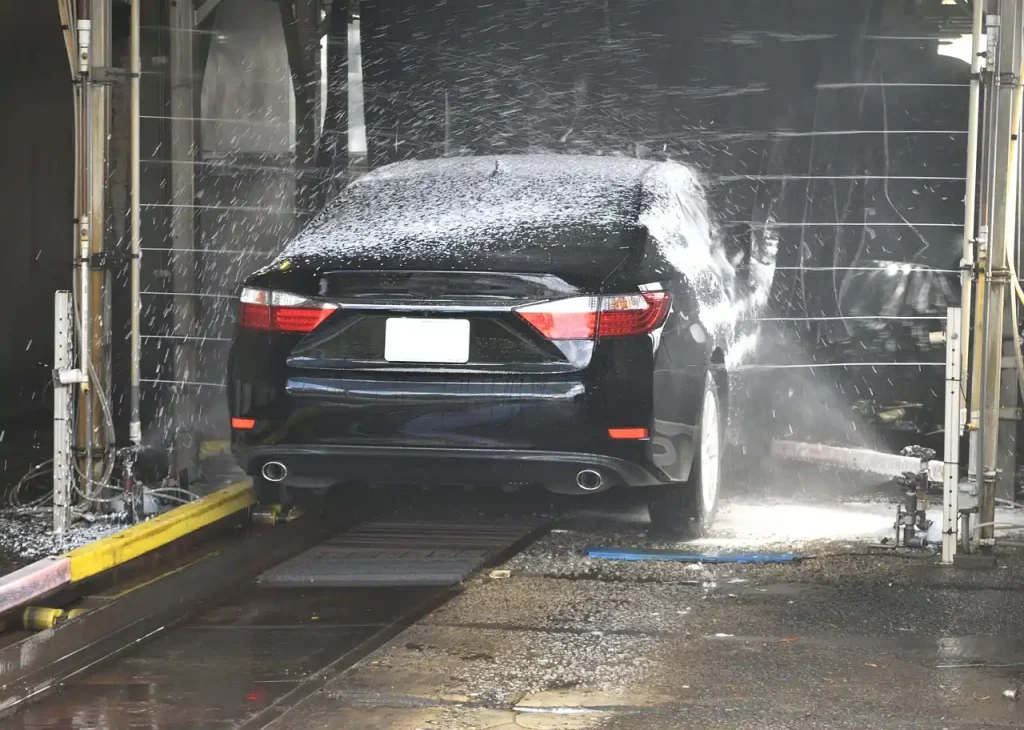
Yes, you can use dish soap to wash a car in an emergency, but not as a routine shampoo; one wash is usually acceptable, repeated use can strip wax and leave bare paint more exposed. Used wrong, it can leave paint dull, trim dry, and protection weakened faster than most owners expect. This guide explains when dish soap is the least-bad option, what it can do to wax, sealant, and coatings, and the safest way to wash by paint condition and dirt level.
Can you use dish soap to wash a car?
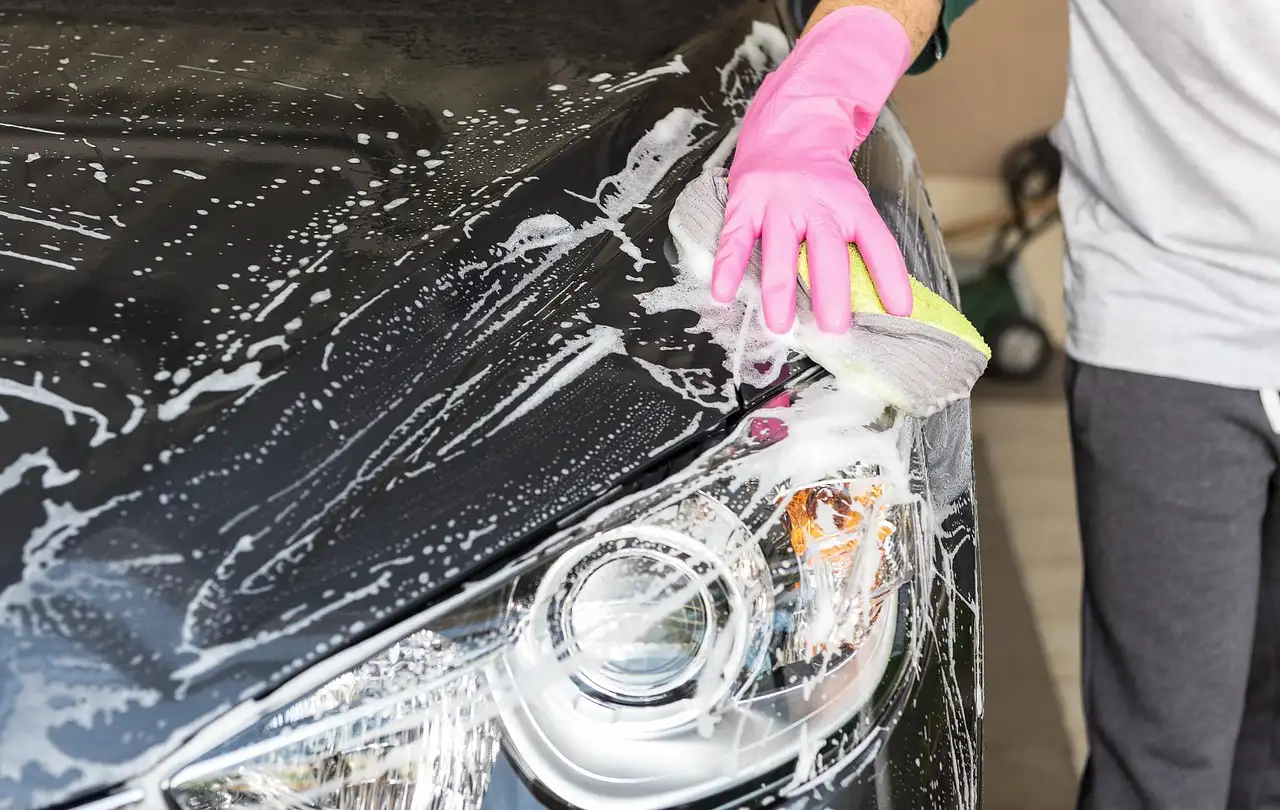
Yes, in a pinch. No, it should not be your regular car wash soap. Dish soap cuts grease well, so it removes road film, but that same strength can strip wax and some paint sealants, and it does not give paint the slip a proper automotive shampoo is made to provide.
Why dish soap is different on paint
Dishwashing liquid is a detergent made for dishes, not automotive finishes. Experts warn it can be rough because of added ingredients like phosphates, dyes, and bleach, and Consumer Reports notes dish soap is formulated to create “lots of suds” and can leave items “feeling stiff” if it is not rinsed out well. (Consumerreports)
That matters on a car because paint cleaning is not only about lifting dirt. It is also about letting loose grit move away without being dragged across clear coat. A purpose-made car wash soap is built for that job; dish soap is built for hard, resistant surfaces and does not protect the same way during hand washing.
Wax, sealant, clear coat, and trim
Wax is a sacrificial protective layer. Dish soap can strip it. Paint sealant can be removed too, which leaves the clear coat more exposed to oxidation and environmental damage until you reapply protection. Rubber trim and plastic exterior pieces can dry out or fade if dish soap is used again and again.
Clear coat is the outer automotive paint layer on most modern cars. Once wax or sealant is stripped away, that layer is what weather, grime, and wash mistakes act on first. Repeated harsh washing can also degrade ceramic coatings, so check the coating maker’s guidance before you use any strong cleaner near that surface.
When it is acceptable
Dish soap is often considered acceptable as a one-time emergency cleaner before a proper wash, or as a strip wash before polishing, waxing, or re-sealing. It is not the right choice for routine maintenance. It is generally a poor choice for matte paint finishes without a clear coat, where the safer approach is to avoid using it.
Why dish soap behaves differently on paint
Dish soap works by breaking up greasy residue, which is useful on cookware and on some oily grime. On a car, that same cleaning power can remove protective layers and leave too little slip between the mitt and the paint. That increases scratch risk if grit is still present on the surface.
Low lubrication means more risk
Car wash soap is formulated to help dirt release while the wash mitt glides. A microfiber wash mitt is preferred over rough cloths or brushes because it is gentler on clear coat, especially when used with the two-bucket wash method: one bucket for wash solution and one for rinsing the mitt before it goes back into the soap.
Say your car has a light coat of dust and a few pollen spots after a dry week. Dish soap may remove the film, but if you use a rough sponge and one bucket, you can drag the dust around the panel and create fine marks that show most on black paint.
What repeated use can do
Repeated washing with dish soap can gradually pull away wax or sealant, make trim look tired, and leave the paint relying on clear coat alone until protection is replaced. That does not mean one emergency wash ruins a car. It means the surface is less protected after the wash, so the recovery step matters.
To reduce risk on any hand wash, rinse loose dirt first, use a microfiber mitt, and keep a separate rinse bucket so the mitt is not picking up the same grit again and again. Rinse completely afterward. If the surface feels squeaky or looks less slick than before, the protection layer may be gone.
Can you use Dawn soap on a car?
Dawn and other dishwashing liquids can work in a pinch, but the brand name does not change the basic chemistry issue. The formula is still meant to cut grease, and product formulas vary. If you choose to use it once, keep it to emergency use, then protect the paint again afterward if wax or sealant was stripped.
When a Dawn wash may be acceptable
A Dawn wash can make sense before polishing, claying, or applying fresh wax or sealant, when the goal is to remove old protection on purpose. It can also help after an accidental spill of oily residue. Even then, use the smallest practical amount, rinse well, and avoid repeated use on trim, seals, and coatings.
Picture a neglected hood with old wax that no longer beads water. A single strip wash before resealing may be reasonable. The same soap used every weekend on a daily driver is a different situation, because the protection keeps getting removed before it has any chance to do its job.
Why the label still matters
Follow the product label if you use dish soap at all. There is no universal car-safe dilution to copy across brands, and some formulas are harsher than others. Because of that variability, the safest instruction is simple: use the least amount needed, then rinse completely and re-protect the paint if the finish has been stripped.
Dish soap vs. safer alternatives for car washing
| Paint condition | Contamination level | Allowed cleaner | Dilution or use notes | Risks | Re-waxing needed? |
|---|---|---|---|---|---|
| Waxed or sealed clear coat | Light dust, pollen | Automotive car wash soap | Use the soap label; wash with microfiber mitt and two buckets | Low scratch risk if pre-rinsed; protection stays intact | No, unless the protection was already weak |
| Waxed or sealed clear coat | Heavy grime, road film | Automotive car wash soap, then a second wash if needed | Pre-rinse first; do not scrub dry dirt with dish soap | Higher scratch risk if grit is moved across the panel | Sometimes, if the final wash or prep removes protection |
| Clear coat with old wax or sealant | Road salt or winter residue | Automotive car wash soap | Wash promptly; rinse wheel and lower-body splash separately | Corrosion risk rises if salt stays on the surface | Yes, if the salt wash strips the old layer |
| Old, neglected paint before refinishing | Heavy grime or oily film | Dish soap only as a strip wash | Use the smallest practical amount, then rinse thoroughly | Can remove wax and sealant; paint may feel less slick after | Yes, before regular driving or storage |
| Matte paint without clear coat | Any level | Matte-safe automotive cleaner only | Do not use dish soap | Can alter the finish and create uneven appearance | Not applicable; avoid the cleaner entirely |
| Ceramic-coated paint | Light to moderate dirt | Coating-safe car wash soap | Check the coating maker’s guidance; avoid harsh repeated washing | Repeated harsh washing can degrade the coating over time | Only if the coating maker says the wash removed or dulled it |
| Rubber trim and plastic exterior pieces | Road film, dust | Automotive-safe soap or trim-safe cleaner | Use gentle wash chemistry, then dry the area | Dish soap can dry out or fade these surfaces with repeated use | No for paint, but treat trim with a proper protectant if needed |
What to use instead of dish soap
For routine washing, use purpose-made car wash soap. It is formulated for automotive paint and protection layers, so it cleans road film without being as aggressive toward wax or sealant. That is the default choice for most hand washes, including coated or recently waxed vehicles.
Best routine setup
Pair the right soap with a microfiber wash mitt and the two-bucket method. That combination lowers dirt transfer and helps reduce scratch risk. If the car has heavy grit on it, rinse first. If the contamination is extreme, a pre-rinse or touchless rinse at a wash bay is smarter than scrubbing dry grime.
Safer spot-cleaning options
For bird droppings, sap, or one small panel, a dedicated automotive detail spray or rinse-friendly car wash soap is a better fit than dish soap. Use a soft microfiber towel or mitt, soak the area first, and lift the contamination instead of grinding it across the finish. Sensitive trim and rubber seals also benefit from automotive-safe cleaners.
One common first-timer mistake is wiping dried bird droppings with dish soap foam and a paper towel. That clears the spot, but it also turns the dried residue into an abrasive paste. The safer move is to soften the contamination first, then use a clean microfiber towel and proper car wash soap.
What if you already washed with dish soap?
If dish soap was already used once, there is usually no need to panic. Rinse the car thoroughly, inspect the paint and trim, and restore protection if wax or sealant feels stripped away. The main risk is not a single wash by itself; it is leaving the car unprotected and assuming nothing changed.
- Rinse every panel again with clean water to remove leftover detergent.
- Dry the paint with a clean microfiber towel so residue does not stay on the surface.
- Check whether water still beads or sheets the way it did before.
- Inspect waxed paint, sealant, rubber seals, plastic trim, and any matte or coated area.
- Apply wax or sealant again if the layer was removed or the surface no longer feels slick.
- For ceramic coatings, follow the coating maker’s maintenance guidance before adding anything on top.
How to judge the aftermath
If the car looks clean but feels grabby, the protection is likely reduced. If trim appears dry or faded, switch to an automotive-safe soap and a trim-friendly protectant on the next maintenance wash. If water behavior changed noticeably, plan on re-waxing or resealing sooner rather than later.
Frequently asked questions
Can you use Dawn soap to wash a car?
You can use Dawn in a pinch, but the brand does not change the basic tradeoff. It can cut grease and strip protection, so it is better suited to an intentional prep wash before waxing or polishing than to regular maintenance washing. Follow the label and rinse thoroughly.
Will dish soap strip car wax?
Yes, it can strip car wax, especially with repeated use or a strong mix. Wax is a sacrificial protective layer, so once it is removed the clear coat is more exposed to weather and grime. If water stops beading after the wash, reapply protection.
Is dishwashing liquid safe for car paint?
It is not the safest choice for car paint, even though it can clean grease well. The problem is not only the cleaning power; it is also the lack of slip and the chance of removing protective layers. Use car wash soap for painted panels whenever you can.
What happens if I already washed my car with dish soap?
Rinse it thoroughly, dry it with a clean microfiber towel, and inspect the finish. If wax or sealant seems gone, reapply it. Check trim and rubber seals too, because repeated dish soap use can dry or fade those surfaces. One wash is usually recoverable.
When is dish soap okay to use on a car?
It is okay only for an emergency wash, a deliberate strip wash before refinishing, or an accidental cleanup when no automotive soap is available. It is not for matte paint without clear coat, and it should not be your routine cleaner. Use the smallest practical amount and rinse well.

Hi, I’m Melvin, an automobile engineer with extensive experience in automobile equipment. I currently work for a local automobile firm, where I specialize in the car parts industry. I’ve had the opportunity to collaborate with seasoned inspectors, gaining invaluable hands-on experience that goes beyond just theory.
My passion for automotive care started at a young age, which led me to create CarSpareCare. Through CarSpareCare, I share the knowledge and skills I’ve acquired over the years to help others navigate the world of car maintenance and repairs.
My goal is to provide practical tutorials, essential safety advice, and the latest industry insights so that anyone—whether a beginner or an expert—can confidently tackle their automotive projects.

