

A humming noise while driving usually comes from tire tread, wheel hub bearings, brake drag, CV joints, or drivetrain parts. The key test is whether it changes with vehicle speed, steering input, braking, or pavement type. Guessing wrong can waste money on the wrong part and let a safety issue get worse. This guide shows the fastest way to narrow the source by speed, steering, braking, and road surface before you replace anything.
Why your car hums



A humming noise usually means something rotating is worn, rubbing, out of balance, or running under load. If the sound follows vehicle speed, start with tires, wheel hub bearings, brake hardware, and driveline parts. If it follows engine rpm instead, move to the belt drive, pulleys, or power steering system first.
Speed, rpm, and road-surface clues
A sound that rises with road speed points away from the engine and toward the wheels or driveline. A sound that rises in park or neutral when you rev the engine points toward the engine bay. Road texture matters too: tire noise often changes from one pavement type to another, while a worn wheel bearing usually stays more consistent.
Suppose the hum appears at 35 mph and gets louder at 50 mph, but it does not change much when the engine speed changes in the same gear. That pattern fits a wheel, tire, or driveline source better than an engine accessory. Now add one more clue: if the sound gets louder on coarse asphalt and softer on smooth pavement, tire noise moves much higher on the list.
The first check order
- Check tire pressure and tread wear on all four tires, including cupping, scalloping, and uneven wear.
- Note whether the noise changes on different road surfaces.
- Lightly apply the brakes at the speed where the sound appears.
- Steer gently left and right on a safe, empty road to see whether the noise shifts side to side.
- Inspect for wheel play, visible heat, brake drag, and loose or rubbing parts before replacing anything.
Is it tires or wheel bearings?
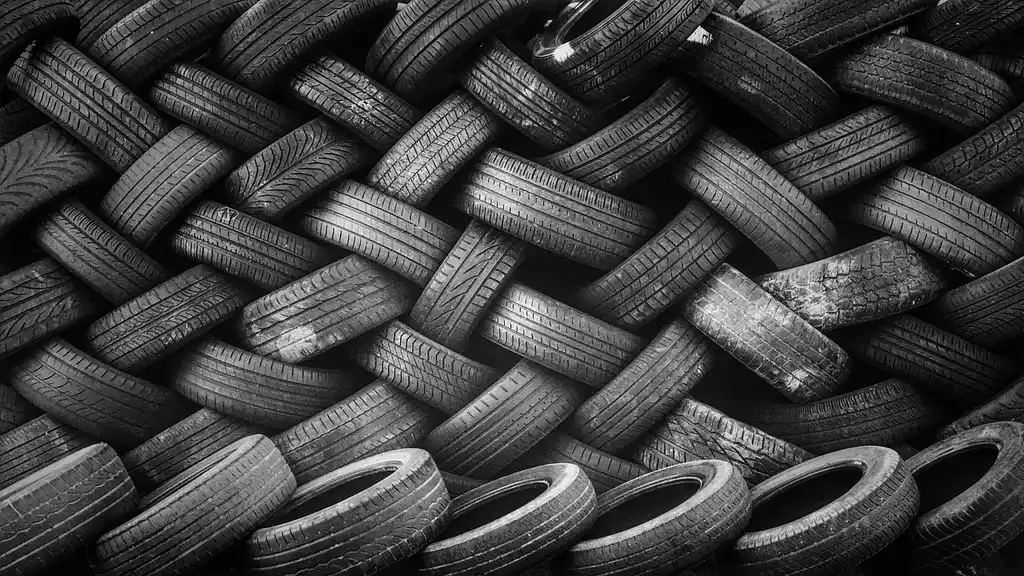
Tires and wheel hub bearings are the two most common sources of a steady hum, but they behave differently. Tire noise usually changes with pavement and tread wear pattern. A wheel bearing often changes with steering load, may get louder as speed rises, and can turn into a growl or drone.
How tire hum changes with pavement
Tire hum often comes from cupping, scalloping, aggressive tread blocks, or uneven wear. Underinflation can make the noise worse, and alignment problems can help create the wear pattern that causes it. A tire-related hum usually varies more on rough or coarse pavement than on smooth asphalt.
A common first-timer mistake is to hear a steady drone on the highway and assume the bearing has failed. If the sound is much louder on grooved concrete, fades on fresh asphalt, and the tires show feathering or cupping, the tread pattern is a stronger suspect than the hub.
How wheel bearing noise changes in turns
A wheel bearing hum often gets louder with speed and may change when you steer left or right. In many cars, loading the bad side during a gentle turn makes the noise more obvious. A bearing can also become a growl or drone instead of a clean hum as wear increases.
If the noise gets louder while turning left, the right-side bearing is often under more load, and the reverse can also be true. That pattern is not perfect on every vehicle, but it is one of the best clues available before lifting the car. A bad bearing can also show play or heat at the hub, which can make it a safety concern.
What wear and heat mean
Wheel bearing wear matters because it can progress from a hum to looseness, heat, and, in severe cases, hub failure. If a wheel feels hot compared with the others after a normal drive, or if the wheel has noticeable play when checked safely, do not keep driving long distances. That is not a part to ignore.
Humming noise diagnosis matrix
This matrix helps separate the likely source by how the sound behaves. Use the row that best matches what you hear, then confirm with the matching physical check before ordering parts.
| Likely source | Speed dependence | Turning left/right | Braking effect | Acceleration effect | Road-surface sensitivity |
|---|---|---|---|---|---|
| Tires | Usually rises with vehicle speed | May change slightly with load transfer | Usually little change | Usually little change | High; often changes with pavement type |
| Wheel bearings | Strongly rises with vehicle speed | Often changes on left or right turns | Usually little change | Usually little change | Low to moderate |
| Brakes | May appear at certain speeds | Usually little change | May change or disappear | Usually little change | Low |
| CV joints | Can rise with speed | More noticeable on turns | Usually little change | More noticeable on acceleration | Low |
| Differential or transfer case | Strongly tied to vehicle speed | Usually little direct change | Usually little change | May change with load | Low |
| Transmission | May rise with speed or gear changes | Usually little direct change | May change with shifting or coastdown | May change with load | Low |
| Power steering | Usually not tied to road speed | More noticeable during steering input | Usually no direct change | Usually little change | Low |
| Engine accessory pulleys | Usually not tied to road speed | Usually no direct change | Usually no direct change | Rises with engine rpm | Low |
Could brakes or CV joints be the cause?
Yes. Brakes can hum when a caliper drags, slide pins stick, or a dust shield touches the rotor. CV joints are less likely to make a pure hum than a click, but worn joints can create vibration or noise, especially on turns and during acceleration on front-wheel-drive and AWD vehicles.
Dragging calipers and sticking slide pins
A dragging caliper can create a low hum or scrape that changes after braking. Sticking slide pins can keep the pad in light contact with the rotor, which may also make one wheel hotter than the others. If the sound appears after a brake application or at a narrow speed range, check the brakes early.
Dust shield contact and rotor noise
A bent dust shield can lightly touch the rotor and make a steady rubbing or humming noise. Rotor rust, a warped backing plate, or a loose stone can create a similar sound. These problems are often speed-dependent but may change little with steering input, which helps separate them from bearing noise.
CV joint wear on turns and acceleration
CV joint wear usually announces itself with clicking on tight turns, not a clean hum. Still, worn joints can add vibration or a droning feel, especially on acceleration. Front-wheel-drive and AWD vehicles are the main vehicles to inspect here first, because their CV joints carry steering and drive loads at the same time.
What about the driveline or gearbox?
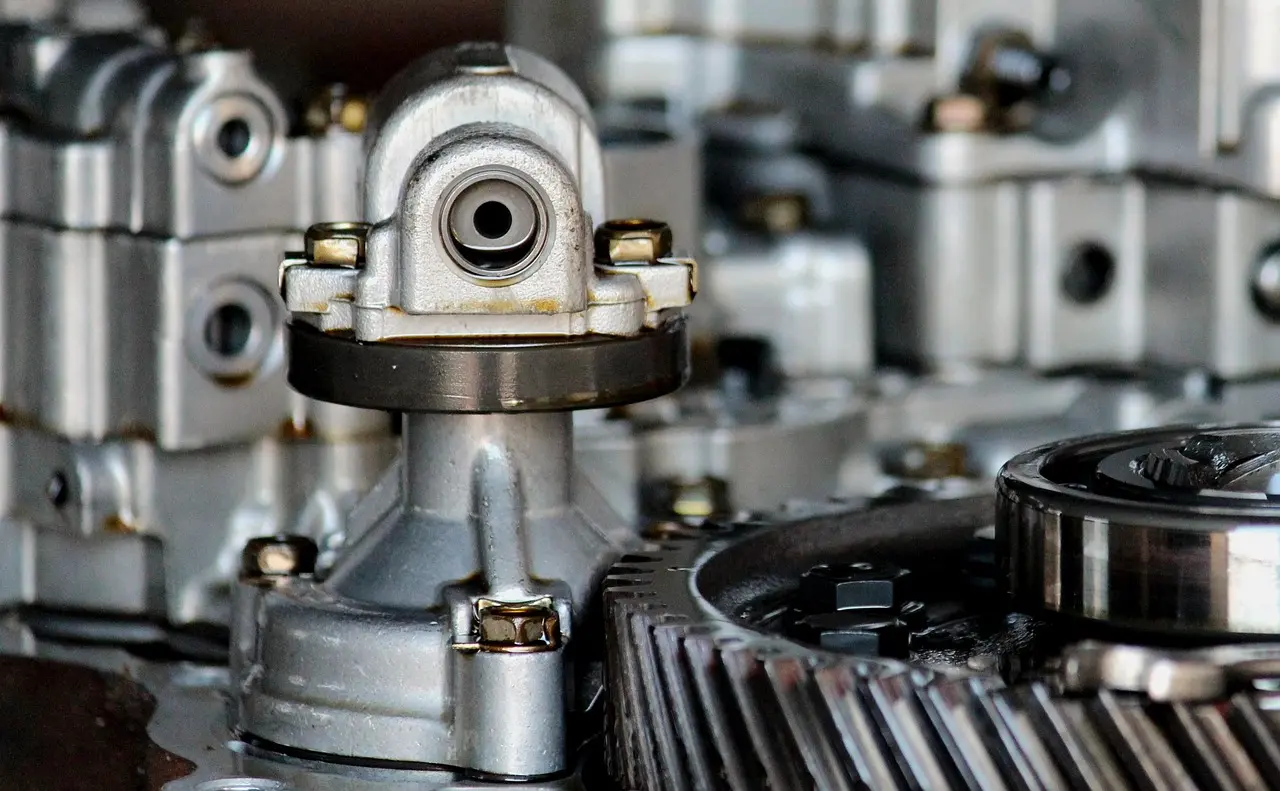
Differentials, transfer cases, and transmissions can all make a hum or whine that rises with vehicle speed or load. These sounds matter more on AWD and 4WD vehicles, but any drivetrain can do it. Fluid level and condition are important, because low or degraded oil can make gears noisy and shorten component life.
Differential and transfer case hum
A differential or transfer case hum is often tied to road speed and may change under throttle or on coast. Gear oil level, contamination, and wear inside the gears and bearings all matter. On AWD and 4WD vehicles, a low or wrong fluid level is a common place to start before assuming the unit needs replacement.
Transmission whine or drone
Transmission noise can sound like a whine, hum, or drone, and it may change with gear selection or engine load. That matters for both automatic and manual transmissions. If the noise changes when shifting but not when turning, the transmission deserves more attention than the wheel ends.
For example, if a car hums only in third gear at about 45 mph and quiets down in neutral at the same road speed, that may point more toward the gearbox than a wheel bearing. That pattern points more toward the gearbox than a wheel bearing. If the same noise stays unchanged across gears but rises and falls with pavement texture, the diagnosis moves back toward tires.
Why fluid condition matters
Fluid that is low, dirty, or burnt can let gears and bearings run noisier than they should. That does not prove a failure by itself, but it raises the odds that the hum comes from the drivetrain. Check the service history and fluid condition before replacing hard parts.
Could the engine bay be humming?
Yes. A humming or whirring noise that changes with engine rpm rather than road speed often comes from the serpentine belt system, an idler pulley, a tensioner, or the power steering pump. If the sound is present while parked and revving, start there before looking under the car.
Serpentine belt, idler pulley, and tensioner noise
Worn belt ribs, a failing idler pulley, or a weak tensioner bearing can make an engine-bay hum or whine. These noises usually rise with rpm and may be most obvious at idle or during light throttle. A cracked belt or rough pulley bearing is a straightforward place to inspect safely.
Power steering pump whine at low speed
Power steering pump or fluid issues can create a hum or whine that becomes louder when you turn the wheel, especially at idle or low speed. Low fluid, aerated fluid, or pump wear can all do this. If the noise appears mainly during steering input and not at highway speed, look here before the wheels.
How engine-speed noise differs from road-speed noise
The simplest split is this: if the sound tracks vehicle speed, inspect the wheels, brakes, and driveline first. If it tracks engine rpm even when the car is stationary, inspect the engine bay first. That one distinction saves a lot of wrong guesses.
Frequently asked questions
What causes a humming noise while driving?
The most common causes are tires, wheel hub bearings, brakes, CV joints, differential or transfer case parts, transmission issues, power steering noise, and engine accessory pulleys. The best clue is what changes the sound: speed, turning, braking, acceleration, or road surface. That pattern usually points to the right area fast.
What causes a whirring noise while driving?
A whirring noise often comes from a wheel bearing, a tire with uneven wear, a driveline component, or a pulley or belt issue in the engine bay. If it rises with road speed, focus on wheels and drivetrain. If it rises with rpm at a stop, start with the engine accessories.
What causes a loud humming noise while driving?
A loud humming noise can mean a badly worn wheel bearing, severe tire cupping, a dragging brake, or a drivetrain problem that has progressed. Loudness alone does not identify the source. Heat, wheel play, changes in turns, and changes after braking tell you much more than volume does.
Why does my car hum louder when I speed up?
If the hum gets louder as you speed up, the source is often tied to wheel rotation or drivetrain load rather than engine idle. Tires, bearings, differentials, transfer cases, and transmissions are all possible. If the sound also changes with steering, the front or rear wheel ends become even more likely.
Is a humming noise while driving dangerous?
It can be. Wheel bearing play or heat, a dragging brake, or a rapidly worsening driveline noise needs prompt attention, and you should not keep driving long distances if those signs appear. A tire with severe uneven wear or a loose belt or pulley issue also deserves quick inspection.
How do I tell if the noise is tires or wheel bearings?
Look at three clues: road surface, steering input, and hub condition. Tire noise often changes with pavement and tread pattern, while wheel bearing noise usually changes more on left or right turns and may come with heat or play. If the hum is steady on all pavement and shifts in turns, suspect the bearing first.

Hi, I’m Melvin, an automobile engineer with extensive experience in automobile equipment. I currently work for a local automobile firm, where I specialize in the car parts industry. I’ve had the opportunity to collaborate with seasoned inspectors, gaining invaluable hands-on experience that goes beyond just theory.
My passion for automotive care started at a young age, which led me to create CarSpareCare. Through CarSpareCare, I share the knowledge and skills I’ve acquired over the years to help others navigate the world of car maintenance and repairs.
My goal is to provide practical tutorials, essential safety advice, and the latest industry insights so that anyone—whether a beginner or an expert—can confidently tackle their automotive projects.

