
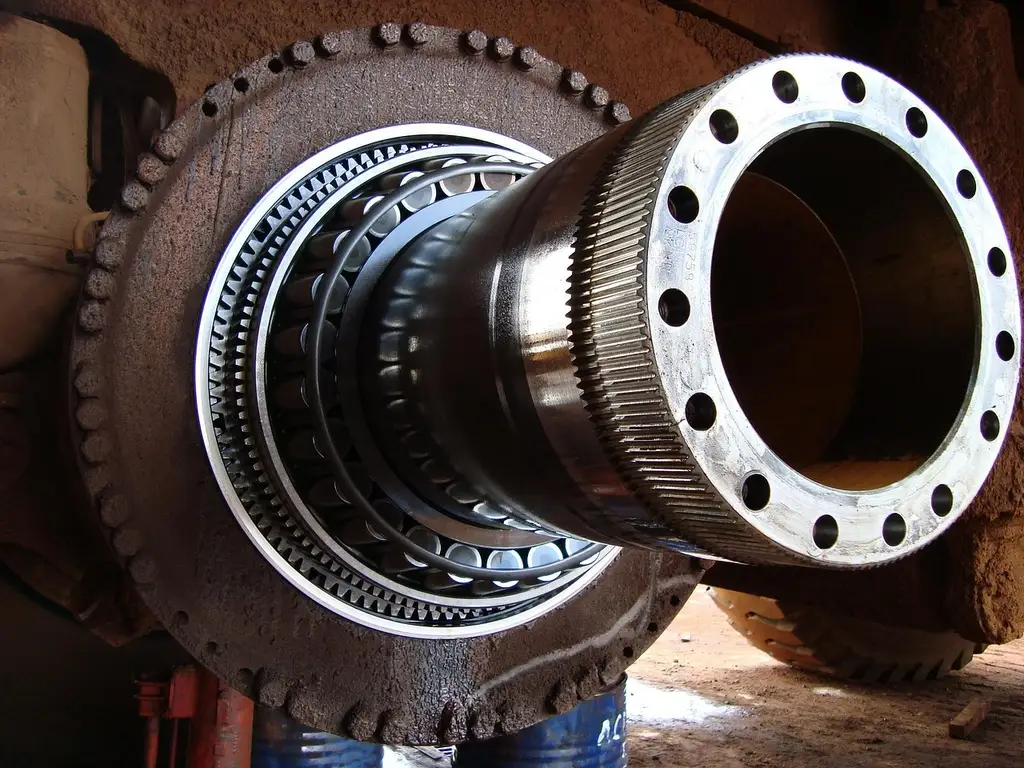
A bad wheel bearing usually makes a steady hum or growl that changes as cornering load shifts, and wheel play or heat at one corner is a strong warning sign. Ignore it, and the bearing can get louder, damage the hub, and in severe cases affect wheel control. This guide shows how to separate wheel bearing failure from tire, brake, and CV axle problems step by step.
What a wheel bearing does
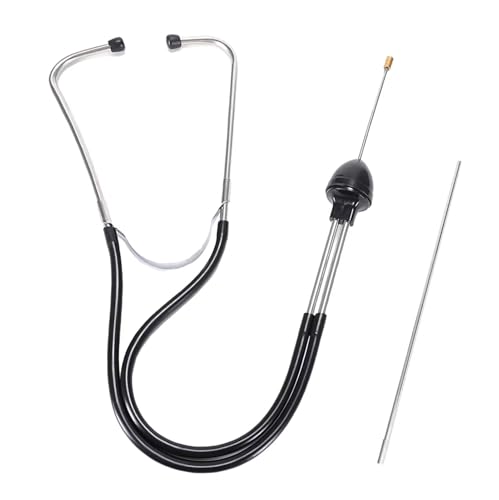

A wheel bearing lets the wheel rotate with low friction while carrying vehicle weight and cornering loads. As it wears, the bearing often moves from a mild hum to roughness, then to play, heat, and, in severe cases, grinding or wobble.
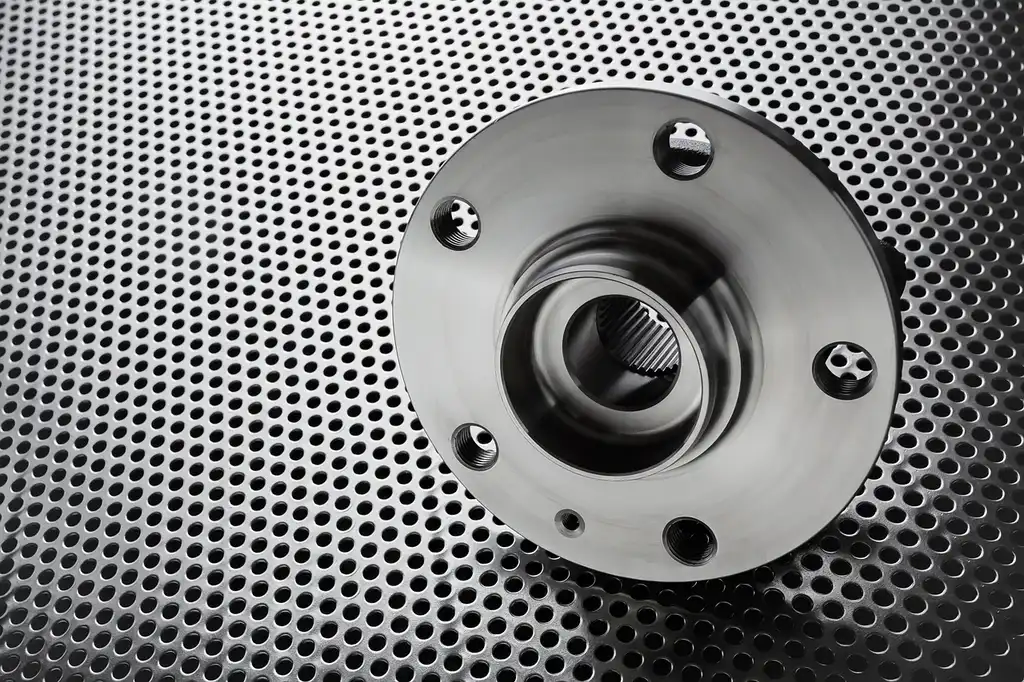
Many cars use a sealed bearing inside a wheel hub assembly. Others use a serviceable bearing that can be replaced separately. The hub assembly design matters because the bearing, hub, and sometimes the wheel speed sensor are tied together in one unit.
On many front-wheel-drive and all-wheel-drive vehicles, the hub assembly is a bolt-on part. Older or heavier designs may use a press-in bearing. The repair method changes, but the symptom pattern is similar.
ABS wheel speed sensors can be part of the same area. If the bearing or hub wears enough to disturb the sensor ring or encoder, you may also see an ABS warning light.
How failure usually progresses
Failure often starts as a faint hum at speed. As clearance grows, the noise becomes easier to hear on turns, then wheel play appears, then heat rises at the hub. A rough bearing can finish with grinding and, in extreme cases, damage to the hub or axle stub.
How to tell if a wheel bearing is bad while driving
While driving, a worn wheel bearing is often reported to make a steady hum, growl, or rumble that can change with speed and cornering load. It is often easiest to hear between about 30 and 70 mph, and the sound may change when you steer left or right.
What a bearing hum sounds like
The sound is usually more like a low drone than a click. Many drivers describe it as a tire noise or a rough road sound at first. The clue is that it tracks vehicle speed more than engine speed.
Why the noise changes with speed
As the wheel spins faster, a worn bearing’s roughness becomes more noticeable. The noise usually rises and falls with road speed, not with throttle position. If the sound changes in neutral at the same speed, that points away from the engine and toward the wheel end.
How left and right turns change load
Turning shifts vehicle weight onto one side. If a left turn makes the noise worse, the right-side bearing is often under more load. If a right turn makes it worse, the left side is often more suspect. That is a clue, not a final answer.
Say your car hums steadily at 45 mph on a smooth road, then gets louder on a gentle left curve. That pattern fits a right-side bearing more than a tire or engine issue, but you still need a lifted-wheel check and a brake inspection before replacing parts.
Wheel bearing diagnosis matrix
This table helps separate bearing trouble from the most common lookalikes. Use it as a decision aid, not a final diagnosis.
| Symptom | Likely cause | How to confirm | Urgency | Drive now / inspect soon / stop driving |
|---|---|---|---|---|
| Humming at speed | Wheel bearing, tire cupping, or rough road noise | Listen at 30 to 70 mph; vary lane position and road surface; lift and spin the wheel | Moderate if steady and increasing | Inspect soon |
| Noise on left turns | Right-side bearing under load | Repeat the turn at a steady speed; compare to right turns | Moderate to high | Inspect soon |
| Noise on right turns | Left-side bearing under load | Repeat the turn at a steady speed; compare to left turns | Moderate to high | Inspect soon |
| Wheel play | Wheel bearing, ball joint, or tie rod wear | Check 12-and-6 and 9-and-3 with the car safely lifted to look for looseness | High | Stop driving |
| Hot hub | Failing bearing or brake drag | Compare hub temperatures side to side after a short drive; use an infrared thermometer if possible | High | Inspect soon |
| Uneven tire wear | Tire cupping, feathering, alignment issue, or worn suspension parts | Look for scalloped tread blocks or inner and outer edge wear; road test for noise pattern | Moderate | Inspect soon |
| Brake drag | Sticking caliper, seized slide pin, or rotor drag | Check one wheel for extra heat, pad wear, or hard-to-turn rotor | High | Inspect soon |
| CV axle clicking | Outer CV joint wear | Listen for repeated clicks on tight turns under light throttle | Moderate | Inspect soon |
A hot hub or clear wheel play pushes the diagnosis much closer to a bearing or brake fault than to a tire noise. A simple hum with no play is less certain, so you need more checks before buying parts.
How do you check a wheel bearing on a car?
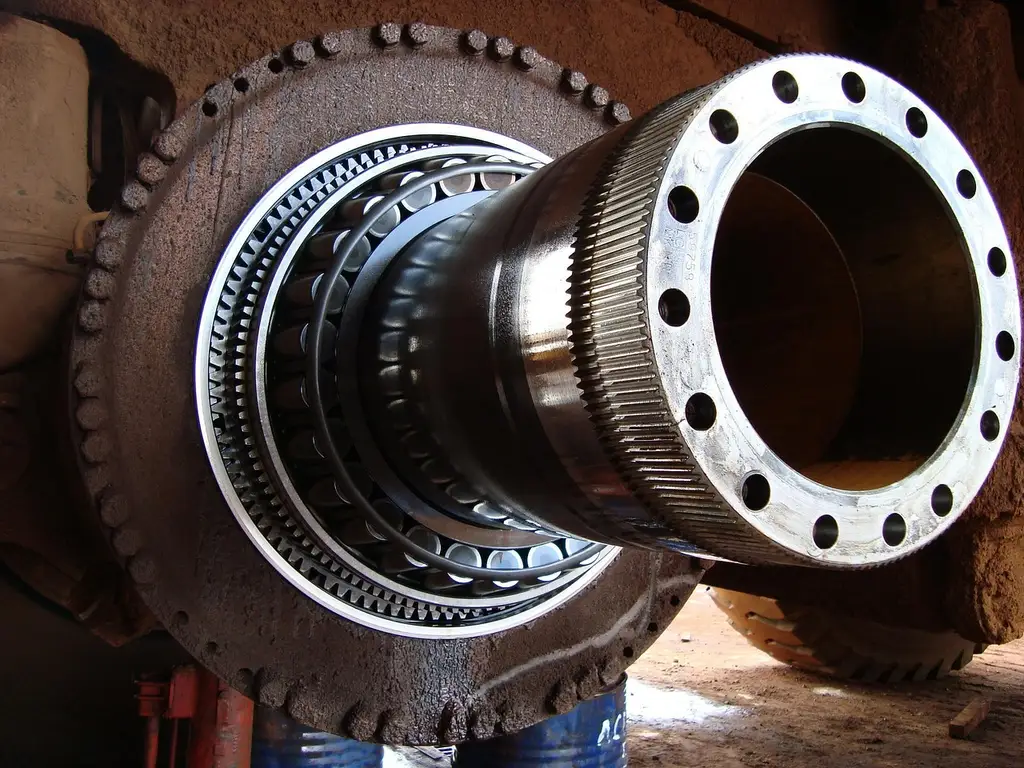
To check a wheel bearing on a car, lift the vehicle safely, secure it on jack stands, and test the wheel for play and roughness. Never rely on the jack alone. Then compare movement, sound, and hub temperature side to side.
Safe lift points and jack stand use
Use the factory lift points or a frame point approved for support. Set the parking brake where appropriate, chock the wheels that stay on the ground, and support the car with jack stands before any spin test. The wheel must be clear of the ground.
The 12-and-6 and 9-and-3 checks
Grab the tire at 12 and 6 o’clock and rock it in and out. Then repeat at 9 and 3 o’clock. Movement at 12 and 6 can point to a wheel bearing, ball joint, or suspension joint. Movement at 9 and 3 often points to a tie rod or steering component.
Picture a front wheel that moves slightly at 12 and 6 but stays firm at 9 and 3. That leans toward bearing or ball joint wear. If the wheel moves mostly at 9 and 3, a tie rod is more likely, and the bearing may be fine.
What movement points to bearings, ball joints, or tie rods
A bearing problem often feels like the wheel shifts in the hub, not just the tire flexing. A ball joint usually shows looseness at the suspension side of the knuckle. A tie rod often shows side-to-side play that follows the steering linkage.
Can you tell by looking at it?
You can spot clues by eye, but you usually cannot prove a sealed bearing is bad just by looking. Visible rust, grease loss on serviceable bearings, a damaged dust shield, or a leaking seal may support the diagnosis, yet a sealed hub can fail with little to see outside.
What visual inspection can show
Look for torn boots, loose hardware, rotor scoring, a wobbling wheel, cracked ABS wiring, or heavy rust around the hub. Check the tire for cupping, feathering, or inner and outer edge wear. Those patterns can point to the real source of the noise.
What it cannot prove on a sealed hub
A sealed hub bearing can sound bad while looking nearly normal. Surface rust around the hub is common and does not prove failure. A clean-looking hub also does not rule it out. That is why you need road, lift, and heat checks together.
Rotor, caliper, tire, and sensor clues
Look for a rotor that is blue, scored, or unusually hot on one side. Check whether the caliper slides freely and whether one pad is wearing faster than the other. On ABS-equipped vehicles, inspect the wheel speed sensor wiring and connector for damage near the hub.
Front or rear bearing: which side is bad?
Front and rear bearing faults can sound similar, but the load path is different. A highway hum may be harder to localize than expected because cabin noise and road surface can mask the corner that is actually failing. Turn direction and lift tests help narrow it down.
How turn direction helps narrow the side
If a left turn makes the noise worse, suspect the right side first. If a right turn makes it worse, suspect the left side first. That pattern works because the loaded side changes with cornering. It is a guide, not a guarantee.
When axle or brake faults still fit the symptom
Front-wheel noise can also come from a brake dragging on the rotor or from a CV axle joint. Rear-wheel noise can come from a rear hub bearing or a brake issue at the rear axle. If the sound changes with brake use, inspect the brakes before calling the bearing bad.
What else sounds like a bad wheel bearing?
Three common lookalikes are tire cupping, brake drag, and CV axle noise. They can all create road-speed noise, but each has a different pattern. Sorting them out prevents you from replacing a good bearing or missing a safety problem in another part.
Tire cupping and feathering
Cupped tires make a rhythmic hum or thump that often follows tread wear, not a single hub. Feathering can create a growl that changes with road surface. Check for scalloped tread blocks, uneven tread depth across the width, and noise that changes when you move to a different pavement.
Brake drag and caliper faults
A sticking caliper can make one wheel hot and cause a draggy feel that resembles a bearing fault. The wheel may smell hot after a short drive, and the rotor may be discolored. Before replacing a bearing, verify that the pads, slides, and caliper move freely.
CV axle clicking on turns
A worn CV axle usually clicks on tight turns, especially under light throttle. That is a different sound from a bearing hum. If you hear repeated clicking on full-lock turns, the axle joint is a stronger suspect than the hub bearing.
How to compare hub temperature side to side
After a short drive, compare hub temperature from side to side. A single wheel that is much hotter than the others points to bearing friction or brake drag. Use an infrared thermometer if you have one; otherwise, be careful and avoid touching a very hot hub.
Compare the same axle position on both sides under similar conditions. A small difference can be normal. A clear difference, especially with noise or play, deserves prompt inspection. If the wheel is too hot to approach safely, stop driving.
How do I tell if a wheel bearing is bad by looking at it?
You usually cannot confirm a bad wheel bearing by sight alone, especially on a sealed hub. You can find clues such as leaking grease on serviceable bearings, damaged seals, rust trails, or sensor damage. But sound, play, and heat matter more than appearance.
For trailer hubs, the same idea applies. Check for grease leaking past the seal, a hot hub after a short tow, rough spin, or side-to-side play when the trailer is safely supported. If the hub wobbles or runs hot, do not tow far before repair.
Frequently asked questions
How do I tell if a wheel bearing is bad while driving?
Listen for a steady hum or growl that rises with road speed, not engine speed. Then make gentle left and right turns at the same speed. If the noise changes with steering load, a wheel bearing is a strong suspect, though tires and brakes can mimic it.
How can I check if a wheel bearing is bad on a car?
Safely lift the car, support it on jack stands, and check the wheel at 12 and 6, then 9 and 3. Spin the wheel by hand and feel for roughness. Compare hub temperature side to side after a short drive, and inspect the brakes and tire before deciding.
What does a bad wheel bearing sound like?
A bad wheel bearing usually sounds like a hum, growl, rumble, or low grinding noise. It often gets louder as speed rises and may change on turns. A clicking sound on turns points more often to a CV axle than to a bearing.
Is the noise from a bad wheel bearing worse when turning?
Often, yes. Turning shifts load to one side of the car, and a worn bearing can get louder when it carries more weight. A left turn often loads the right side more, while a right turn often loads the left side more.
Can a bad CV axle feel like a bad wheel bearing?
Yes, but the sound is usually different. A CV axle more often clicks on tight turns, especially under light throttle, while a wheel bearing usually hums or growls with speed. If the noise is clicking rather than droning, inspect the axle first.
Is it safe to keep driving with a bad wheel bearing?
If the bearing only makes a light hum and there is no play or heat, short trips to a shop may be reasonable. If there is wheel play, a hot hub, or grinding, stop driving. A failing bearing can worsen fast and damage the hub or affect wheel control.

Hi, I’m Melvin, an automobile engineer with extensive experience in automobile equipment. I currently work for a local automobile firm, where I specialize in the car parts industry. I’ve had the opportunity to collaborate with seasoned inspectors, gaining invaluable hands-on experience that goes beyond just theory.
My passion for automotive care started at a young age, which led me to create CarSpareCare. Through CarSpareCare, I share the knowledge and skills I’ve acquired over the years to help others navigate the world of car maintenance and repairs.
My goal is to provide practical tutorials, essential safety advice, and the latest industry insights so that anyone—whether a beginner or an expert—can confidently tackle their automotive projects.

