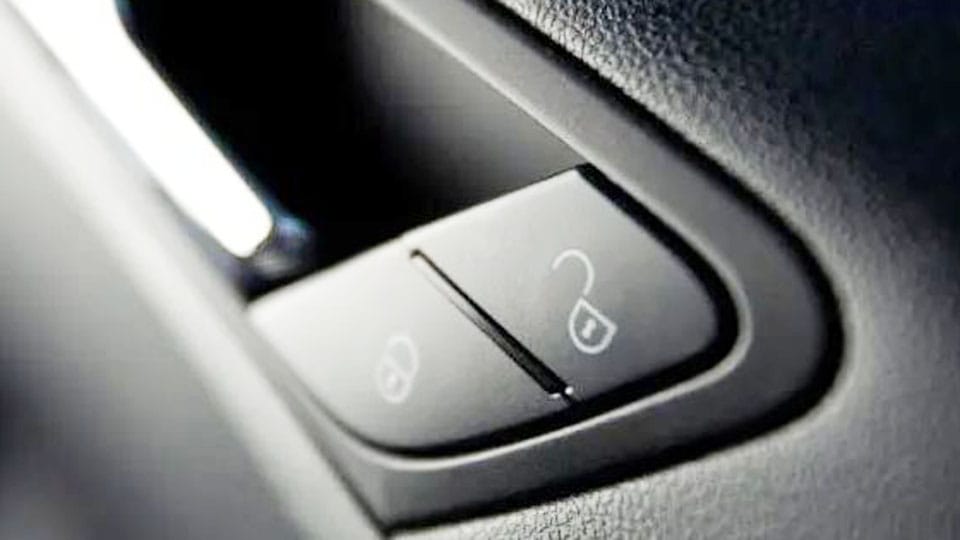
Freeze the gum first, then lift it with a plastic card once it hardens. Use solvent only on compatible fabric or carpet after a spot test, and keep it off leather or soft-touch trim unless the care instructions allow it. Heat can smear the gum, stain the area, or damage the finish, so the safest approach is usually freeze, lift, clean residue, then dry.
Quick safety checklist by interior surface


What is the quickest decision checklist before you start?
Use this order: identify the surface, freeze the gum, lift the bulk, treat residue only if needed, dry the area, and stop if the finish begins to haze, bleed, or soften. That least-risk sequence matters because chewing gum changes with temperature, and a rushed cleaner choice can do more damage than the gum itself.
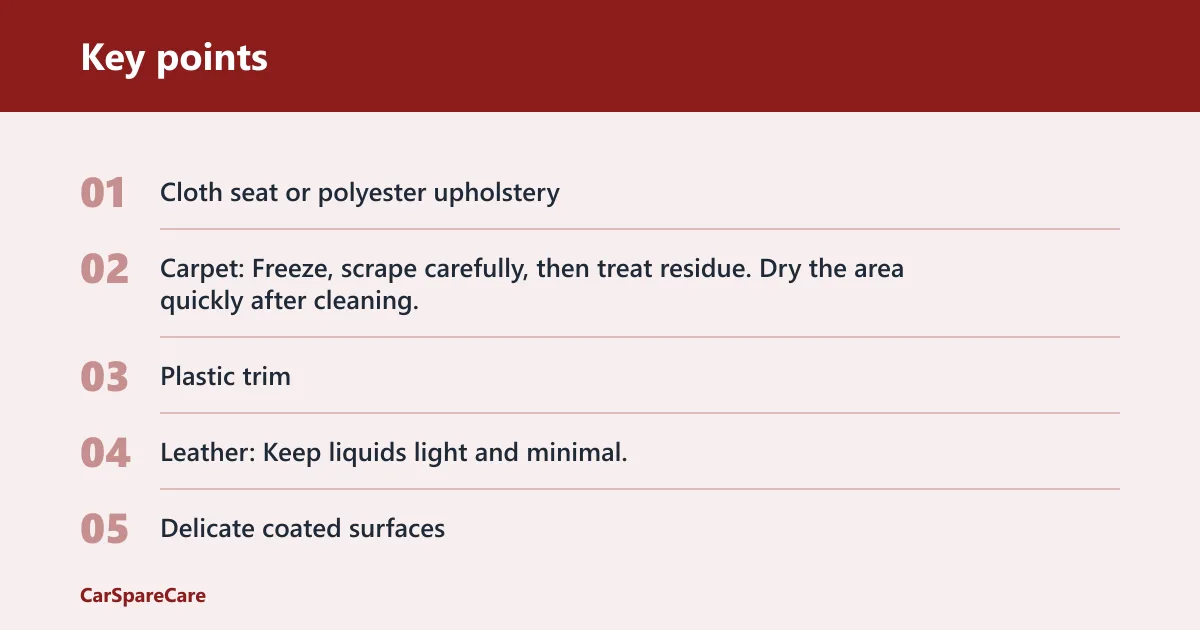
- Cloth seat or polyester upholstery: Freeze first, then lift with a dull scraper. Spot-test any solvent before use.
- Carpet: Freeze, scrape carefully, then treat residue. Dry the area quickly after cleaning.
- Plastic trim: Use the gentlest cleaner that fits the surface, and spot-test in an inconspicuous area first.
- Leather: Keep liquids light and minimal. Avoid aggressive scraping and skip harsh solvents unless the care instructions allow them.
- Delicate coated surfaces: Treat them like soft-touch plastics or screen-adjacent trim. Use the smallest amount of cleaner possible.
For interior surfaces, the least risky path is the one that hardens the gum before you touch it. Frozen gum tends to peel more cleanly and smear less than softened gum, which is why many car-care and material-care guides recommend a gentle, surface-matched approach rather than immediate scrubbing. On plastics and coated trim, a mild cleaner is safer than a strong solvent; on upholstery and carpet, the main risk is over-wetting and residue spread. The same rule does not apply to exterior paint or exposed floor surfaces, which need different products and methods.
What should you use for car seat and upholstery gum?
For cloth seats and polyester upholstery, ice is the safest first step. Hold it on the gum until the piece becomes hard and brittle, then peel or scrape gently with a flat tool. If residue remains, use a compatible cleaner only after a spot test. That approach helps reduce fiber pull, dye transfer, and ring marks on the fabric.
Say your gum is stuck on a cloth seat near the bolsters. A frozen, brittle edge usually lifts cleanly. Say the same gum has been pressed into upholstery by repeated contact. You still start with ice, but the residue step matters more because oils and dyes can remain after the visible lump comes off.
How do you freeze gum on fabric?
Hold ice cubes directly over the gum until it firms up. That hardening step matters because frozen gum is easier to peel and less likely to smear across the fiber. For small removable items, freezing in a plastic bag for about an hour is common, but that is less practical for installed car interiors.
- Wrap ice cubes in a thin cloth or use them directly over the gum.
- Keep the ice on the gum until it feels hard and brittle.
- Use a butter knife or other dull scraper to lift the edge.
- Peel off what comes away without forcing it.
A butter knife is a careful tool, not a license to dig. Keep the blade flat and work from the edge of the gum toward the center. Metal edges, pointed tools, and hard scraping can gouge trim or fuzz fabric.
How do you get gum out of carpet and floor mats?
For carpet, floor mats, and cargo-floor fabric, freeze the gum first, then scrape carefully. Carpet fibers can hold residue deeper than upholstery, so the cleanup step matters as much as the removal step. After the bulk comes off, treat the remaining film with a carpet-safe cleaner or a spot-tested mild solvent, then dry the area quickly.
Picture a rear floor mat with gum ground in by a shoe. The visible piece may look small, but the stain can spread wider than the blob itself. That is the cue to treat the residue zone, not only the center point. For all-carpet areas, quick drying matters because damp fibers can trap odor and leave a water mark once they dry.
How do you handle old gum or flattened residue?
Old gum can flatten into carpet fibers and act like a sticky mat. In that case, freeze the area again, then lift the hardened material in layers instead of trying to pull everything at once. If the gum has softened from heat and smeared across a seam or edge, pause and harden it before any more wiping.
Can you remove gum from plastic trim or delicate coated trim?
Yes, but the safest method is lighter than it is on fabric. On first mention, plastic trim should be treated with the gentlest compatible cleaner, plus a spot test in an out-of-sight area. Start by hardening the gum, then lift it with minimal pressure. Use only surface-approved products for residue so the finish does not haze or dull.
Use extra caution near glossy piano-black panels, switch bezels, and soft-touch coatings. Those finishes can streak, soften, or haze if the cleaner is too strong or the cloth is too abrasive. If the gum sits next to a display edge or control panel, rely on the harden-and-lift step first and keep liquid use to a minimum.
What makes delicate trim different?
Soft-touch plastic, coated trim, and screen-adjacent surfaces are more sensitive to solvents and abrasion than ordinary hard plastic. A small amount of cleaner can be enough to mark the finish, so the goal is to use the least aggressive method that still removes the residue. If the trim looks cloudy after cleaning, stop and avoid additional rubbing.
How do you remove gum from leather without damaging it?
Leather needs a lighter touch than fabric or carpet. Freeze the gum first, then lift it with minimal scraping and a flat edge. Keep liquids light and only use a leather-safe cleaner if the manufacturer instructions allow it. Too much moisture, scrubbing, or a strong solvent can alter the sheen or affect the coating on finished leather.
For leather seats, the safest approach is to treat the gum as a surface contamination rather than something to be scrubbed out. If residue remains, work in small passes and wipe it away quickly. If the gum is on perforated leather or near stitching, keep moisture away from the seams and stop if the finish looks stressed.
What if the leather is coated or dyed?
Coated or dyed leather is still leather, but it can react differently to cleaners and repeated rubbing. A hidden spot test is still the right move, especially if the surface is matte, perforated, or lightly textured. If the care label is missing or unclear, choose the mildest option and avoid soaking the area.
How do you remove residue without stains?
Once the bulk gum is off, treat the leftover film separately. Vinegar can help with residue, and another mild solvent may be an option for upholstery or carpet when the material allows it. Apply the cleaner lightly, work it with a toothbrush, then blot the spot with a clean cloth.
Why does the residue step matter?
Gum often leaves behind oils and dyes even when the visible lump is gone. That means a clean-looking spot can still dry with a ring or shadow. The residue step is where most interior damage happens, because people push too hard or use a cleaner that does not suit the surface.
For fabric or carpet, dab the spot with cool water first if loose oils or dye transfer remain. Then use warm vinegar on the residue, applied with a toothbrush. The vinegar method should be spot-tested first to avoid discoloration. On compatible upholstery or carpet, plain vodka is a valid alternative solvent-based cleaner.
Work gently. Short brushing strokes are better than scrubbing. Wipe with a clean cloth after each pass so the loosened residue does not spread into a larger patch. If the spot is still tacky, repeat the freeze-and-lift step before you try the cleaner again.
What should you avoid when removing gum from a car interior?
Avoid strong cleaners and heavy force. Ammonia-based products can be harsh on interior materials, and bleach or hydrogen peroxide can discolor or damage fabrics, dyes, and coatings. Heat can also smear gum deeper into fibers or soften trim finishes, which makes the cleanup harder instead of easier.
When should you stop and reassess?
Stop if the surface starts to haze, the color changes, the material feels tacky, or the gum spreads when you touch it. Those are signs the cleaner or tool is too aggressive for the finish. If that happens, switch back to the freeze-and-lift method and reduce liquid use.
Do not use the same method on every surface. Fabric, carpet, plastic trim, leather, and delicate coated panels each need a different level of pressure and cleaner compatibility. When in doubt, check the vehicle’s interior care instructions before adding any solvent.
What is not for these surfaces?
This page is for interior gum removal first. It does not cover car paint, exterior body panels, wheel wells, or bare floor surfaces. Those areas need different products and a different risk profile. If the gum is on paint or outside trim, use the separate exterior-safe guidance for that surface rather than an interior cleaner.
Likewise, if the gum is on an exposed floor area that is not carpet or mat material, treat it as a different cleanup problem. Interior upholstery methods are not automatically safe for painted, coated, or exterior surfaces.
Gum removal decision table
Use this table as a quick choice guide. Start with the surface type, then follow the least risky first step. If the first cleaner is not compatible, stop and choose a gentler option or skip to a dry method.
Best gum-removal method by interior surface
| Surface type | First-step method | Safe follow-up cleaner | Tools needed | Damage risk notes |
|---|---|---|---|---|
| Cloth seat | Freeze the gum with ice cubes, then lift it when hard | Warm white distilled vinegar or plain vodka after spot test | Ice cubes, plastic card or butter knife, toothbrush, cloth | Spot-test first; over-wetting can leave a ring or soften backing |
| Carpet | Freeze, then scrape carefully with a dull scraper | White distilled vinegar, or a carpet-safe stain remover if needed | Ice cubes, butter knife, toothbrush, cloth, hair dryer on low | Fibers can hold residue; dry quickly to limit spotting |
| Plastic trim | Harden first, then lift with very light pressure | Gentle solvent only after an inconspicuous spot test | Ice cubes, plastic card, soft cloth | Improper cleaners can dull or haze the finish |
| Leather | Freeze and remove with minimal scraping | Only a leather-safe cleaner approved by the care instructions | Ice cubes, plastic card, soft cloth | Too much liquid or rubbing can affect the coating and sheen |
| Delicate coated surfaces | Freeze, then lift slowly without digging into the finish | A highly diluted, surface-approved cleaner only if allowed | Ice cubes, plastic card, soft cloth | Soft-touch plastics and screen-adjacent trim need extra caution |
How should you read the table
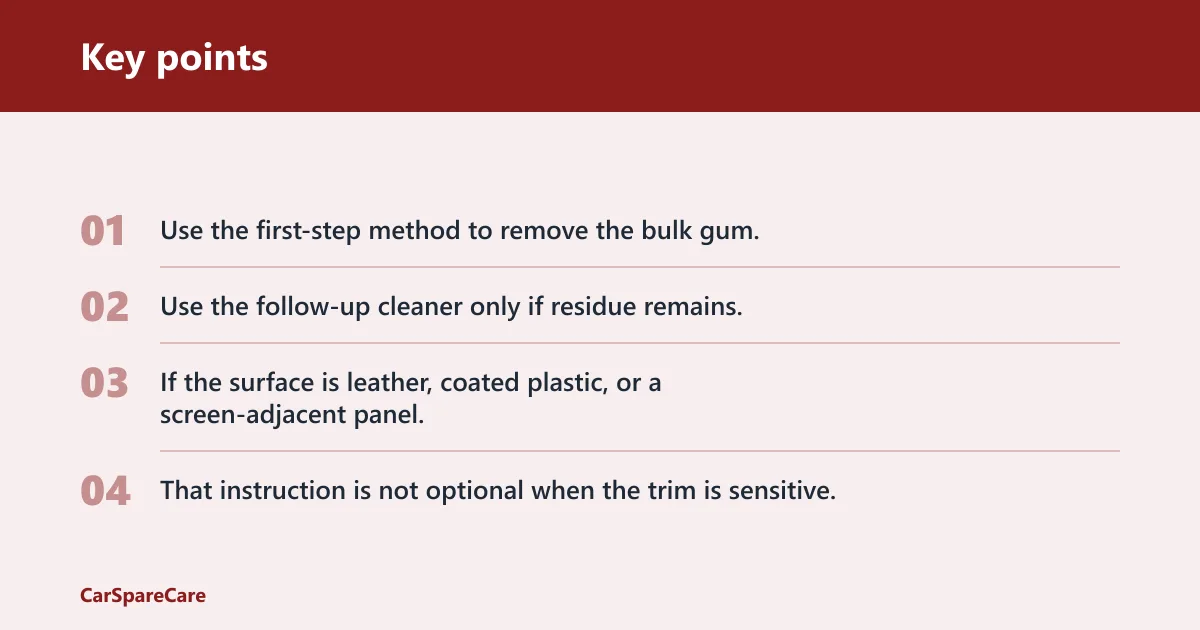
Use the first-step method to remove the bulk gum. Use the follow-up cleaner only if residue remains. If the surface is leather, coated plastic, or a screen-adjacent panel, check the care instructions before any solvent touches the finish. That instruction is not optional when the trim is sensitive.
How do you dry the spot after cleaning?
Blot first, then dry the area quickly. A hair dryer on low can be used to dry cleaned upholstery or carpet quickly, and a box fan is another drying option after cleaning. Quick drying helps keep carpet and upholstery from staying damp long enough to trap odor or leave a water mark.
What is the safest drying method?
Press a clean cloth into the treated spot to remove surface moisture. Do not rub the area back and forth. After blotting, use low heat or moving air only. Keep the dryer moving so one spot does not overheat, especially on synthetic upholstery or leather.
For carpet, quick drying matters after any vinegar or solvent step. A damp carpet can look clean at first and then show a new edge once it dries. For upholstery, fast drying also helps reduce the chance of a lingering sticky patch.
Frequently asked questions
How do you get gum out of carpet in a car?
Use ice cubes directly over the gum until it hardens, then scrape gently with a dull tool. After the bulk is gone, treat leftover residue with warm white distilled vinegar or a carpet-safe stain remover. Dry the spot quickly with a hair dryer on low or a box fan.
What is the best way to remove gum from a surface?
The best method depends on the material. For most car interiors, harden the gum with ice, lift the bulk with a dull scraper, then clean the residue with a compatible cleaner. The safest choice is the one that matches the surface, not the one that sounds strongest.

Hi, I’m Melvin, an automobile engineer with extensive experience in automobile equipment. I currently work for a local automobile firm, where I specialize in the car parts industry. I’ve had the opportunity to collaborate with seasoned inspectors, gaining invaluable hands-on experience that goes beyond just theory.
My passion for automotive care started at a young age, which led me to create CarSpareCare. Through CarSpareCare, I share the knowledge and skills I’ve acquired over the years to help others navigate the world of car maintenance and repairs.
My goal is to provide practical tutorials, essential safety advice, and the latest industry insights so that anyone—whether a beginner or an expert—can confidently tackle their automotive projects.