
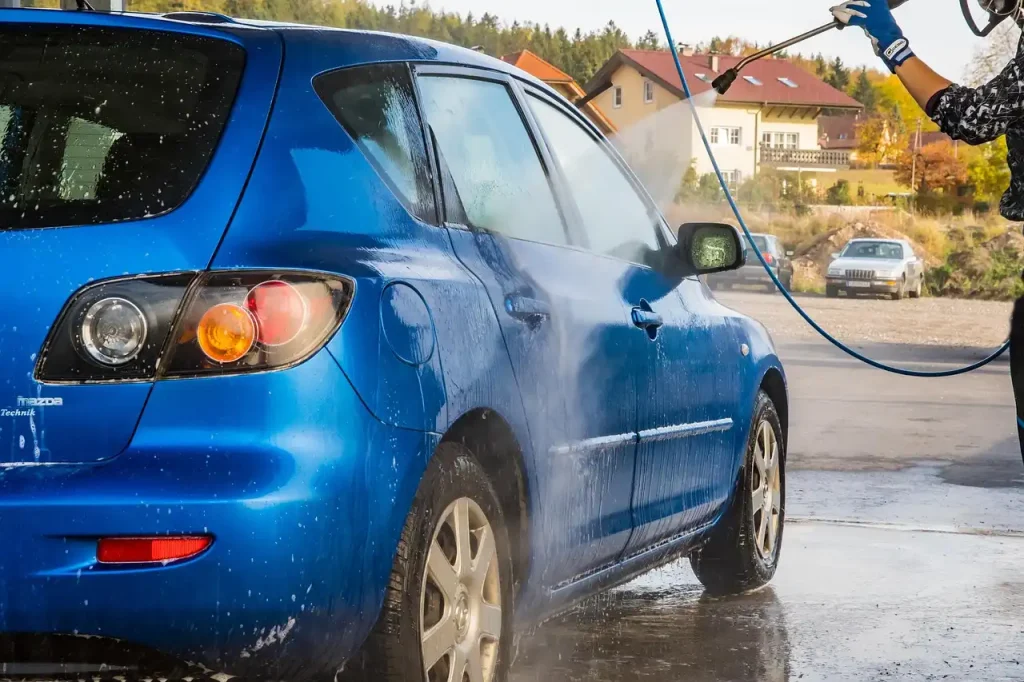
Wash less often by using a durable wax, sealant, or ceramic coating, keeping paint decontaminated, parking away from fallout, and drying it well with rinseless wash habits; the smoother and better protected the surface, the slower dirt bonds. Ignore that, and grime sticks faster, spotting gets harder to remove, and every wash raises the risk of swirls. This guide covers finish choices, washing intervals, drying methods, and storage habits that keep paint cleaner for longer.
How do you keep car paint cleaner for longer?
Keep paint cleaner for longer by slowing how fast dirt attaches, not by chasing short-lived shine after each wash. Wash at the right interval, dry fully, and keep a protective layer on the clear coat so dust, road film, and water marks do not bond as quickly.
What “cleaner for longer” means in practice
Cleaner for longer means less grime clinging between washes and less spotting after rain or a rinse. The goal is a surface that sheds contamination more easily, so the next wash removes dirt with less scrubbing and less risk of marring the clear coat.
The clear coat is the thin outer layer you are trying to protect. It uses a clear resin layer for protection, so your wash method and protection choice should support it, not strip it with harsh chemicals or rough towels.
Why dirt adhesion matters more than short-lived gloss
Gloss can look good for a day, but dirt adhesion controls how soon the paint looks dirty again. Wax, sealant, and coating layers matter because they create a slicker surface that slows dust, road grime, water, and pollution from sticking.
Say your daily driver sits under trees near a busy road. Sap mist, pollen, and brake dust can bring it back to a dirty look within days unless you wash on schedule and keep a layer on the surface that helps contaminants release more easily.
How often should I wash the car?
Wash at least once per week if the car sees regular road use, and use every two weeks as a general rule for lighter exposure. Climate, road salt, pollen, and dust change that interval. In more severe exposure, extra washes may be needed between your usual intervals.
Weekly washing vs every two weeks
It is recommended that you do this at least once per week. A general rule is to wash every two weeks. The weekly pace suits cars that face rain, traffic film, bird mess, or frequent highway use. Two weeks can work for sheltered cars with lighter contamination.
Use the shorter interval when paint looks dull before the calendar says it should. That usually means the surface is collecting film faster than expected, or the protection layer is wearing down and no longer releasing dirt as well.
How climate, road salt, pollen, and dust change the interval
Cold regions with road salt need tighter wash intervals because salt film and slush cling to panels and wheel arches. Dry, dusty areas need more frequent cleaning too, because fine grit sits on the clear coat and makes the car look dirty even when the body is not heavily soiled.
Pollen season can call for extra washes, especially if the car parks outside. In hot, sunny climates, add UV protection to the schedule because sunlight can fade car paint, and shade helps extend paint life.
When severe exposure calls for extra washing
Severe exposure means the car sees one or more of these: road salt, heavy dust, tree fallout, long sun exposure, or repeated water spotting. In those cases, wash sooner rather than waiting for a fixed day on the calendar.
Picture a commuter sedan parked on-street under open sky. After a wet week, it can collect mineral residue, road film, and dust fast. A weekly wash plus quick drying is a better baseline than a wash every two weeks.
Why drying matters after every wash

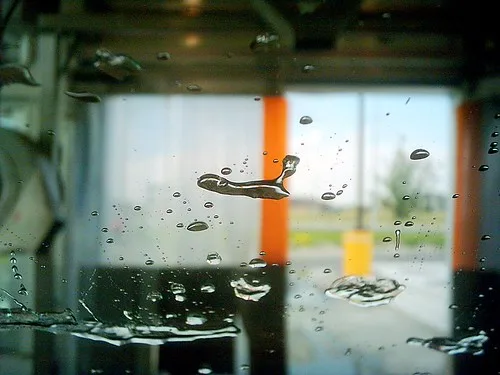
Drying matters because leaving a car to air dry can damage paintwork, and minerals left behind can cause damage when water dries on paint. Proper drying limits water spotting, streaking, and the false “dirty again” look that appears soon after washing.
Why air drying leaves mineral residue
Air drying leaves behind whatever was dissolved in the water. Hard water leaves mineral residue as droplets evaporate, and those marks can cling to the clear coat. That residue can look like dust, haze, or dried rain even on freshly washed paint.
Water mineral spotting is not only cosmetic. If it sits too long, it can become harder to remove and may leave the finish looking uneven. That is why drying is part of paint care, not an optional final touch.
Safer drying methods for clean paint
Use a clean microfiber drying towel, a soft blower, or a dedicated drying aid that reduces drag. Work panel by panel so water does not dry on the surface while you move around the vehicle. That habit matters even more in full sun or windy weather.
A common first-timer mistake is rinsing, stepping away for a few minutes, and returning to a field of spots on the hood and mirrors. Once those dots set, the car looks dirty again even though the wash was done correctly.
- Wash one section at a time.
- Rinse thoroughly so soap residue is gone.
- Dry the panel before moving on.
- Check mirrors, glass edges, badges, and door handles for trapped water.
- Inspect for spots under angled light before finishing.
What sealant or wax helps dirt wash off more easily?
Wax helps by adding a protective layer that gives basic shine and helps against dust, dirt, water, and pollution. Paint sealant is a longer-lasting protection category designed to protect paint from fading, and it can also help reduce how firmly grime sticks to the surface.
What wax does for shine and basic protection
Wax is the simpler option when the goal is easier cleaning between washes. It improves water beading and adds a modest barrier over the clear coat, which can make dust and road film release more easily during the next wash.
Wax is useful, but it is not the same thing as a sealant or coating. It is best seen as a basic protective layer with decent ease of use, not a permanent fix for hard water, heavy soot, or winter salt.
What paint sealant adds as a longer-lasting layer
A paint sealer is designed to protect paint from fading. It sits in the protection category above basic wax for many owners because it is meant to hold up longer and keep the surface easier to clean between washes.
If the car lives outdoors or sees frequent dust, a sealant can be a better fit than wax alone. It helps protect the finish while reducing the grip that grime has on the clear coat.
Where a spray wax fits, and where it does not
A spray wax can be useful as a quick top-up between full applications. It can refresh slickness and help water move off the surface, but it usually works best as maintenance, not as the only layer on a heavily exposed car.
If paint still gets dirty quickly after a spray wax, the issue may be the parking spot, the wash method, or the lack of a stronger base layer. A quick detail product cannot fix a contaminated or unprotected surface by itself.
When ceramic-type coatings may be worth considering
Ceramic-type coatings can make sense for owners who want a more durable protection layer and are willing to prep the paint properly. They are not mandatory for every driver. A sealant or wax can be enough for many cars kept in milder conditions.
Use the coating conversation only after the basics are in place: clean paint, proper drying, and regular upkeep. A coating on dirty, rough paint will not fix poor washing habits.
| Protection choice | Main job | Best fit | What it is not |
|---|---|---|---|
| Wax | Basic protection and shine; helps against dust, dirt, water, and pollution | Owners who want easier upkeep and simple maintenance | Not a substitute for frequent washing |
| Paint sealant | Protects paint from fading and adds a protection layer | Daily drivers and outdoor parking | Not a cure for severe contamination |
| Spray wax | Quick top-up between deeper protection steps | Fast upkeep after washes | Not a stand-alone long-term defense |
| Ceramic-type coating | More durable surface protection for easier cleaning | Owners ready for more prep and upkeep discipline | Not a replacement for washing or drying |
How do sunlight and parking exposure change paint care?
Sunlight can fade car paint, so parking exposure matters as much as wash frequency. Shade helps extend paint life, and cars that live outside usually need more attention to protection, drying, and spot checks than garage-kept vehicles do.
How UV exposure fades paint over time
UV exposure slowly breaks down finish quality, which is why sun-baked cars often look dull sooner. Even with a clear coat, repeated sun exposure can shorten the period before the paint needs another protective layer.
That matters most for black cars and outdoor parkers, because heat and direct sun make contamination and fading easier to notice. A car that sits outside all day needs better timing and stronger surface protection than one that sleeps indoors.
Why shade helps extend paint life
Parking in the shade helps extend paint life. Shade lowers the direct sun load on the clear coat and slows how fast the finish ages. It also reduces how quickly wash water and rain residue can dry into visible spotting.
If shade is unavailable, use the best alternative: a covered car park, a carport, or a parking position that avoids the harshest afternoon sun. Even partial shade is better than long, direct exposure.
What to do if the car lives outside
Outdoor cars need more frequent washing, more careful drying, and more regular protection checks. If the car spends most days in open sun, use weekly cleaning during harsh seasons and keep an eye on the edges of mirrors, glass, and horizontal panels.
For outdoor storage, think in layers: wash, dry, protect, inspect. That sequence slows dirt buildup better than relying on a single wax application done once and forgotten.
What should your upkeep schedule look like?
Your schedule should match exposure, not just the calendar. A garage-kept sedan in mild weather can often stay on a two-week rhythm, while a road-dusted commuter or salt-exposed car may need weekly washing, faster drying, and more frequent protection checks.
Weekly tier: wash, dry, and quick inspection
Use the weekly tier for daily drivers, outdoor parking, or high-dust routes. Wash the paint, dry it fully, then inspect for water spots, tar, bug residue, and any rough contamination that could scratch during the next wash.
That quick inspection matters because small issues spread. A patch of spotting on the hood can turn into a dull, etched area if hard-water residue keeps returning in the same place.
Biweekly tier: wash plus protection check
Use the biweekly tier for lighter-use cars or garage-kept vehicles. Wash every two weeks, then check whether the surface still feels slick and whether water still beads or sheets reasonably. If not, refresh the protective layer sooner.
This tier works best when the vehicle avoids heavy salt, tree fallout, and long sun exposure. If the car starts to look dirty much sooner than two weeks, move up to the weekly plan.
Severe-exposure tier: road salt, heavy dust, and repeat spotting
Use the severe-exposure tier for winter driving, construction routes, coastal air, or repeated hard-water spotting. In that case, wash more often, dry every time, and inspect after each wash for residue on the lower doors, hood, and rear glass.
Severe exposure is also the point where a sealant or stronger coating makes the most sense, because the car needs help resisting both grime adhesion and water marks.
| Tier | When to wash | Drying step | Protection step | Spotting check |
|---|---|---|---|---|
| Weekly | At least once per week | Dry after every wash | Top up wax or spray wax as needed | Inspect hood, mirrors, glass, and horizontal panels |
| Biweekly | A general rule is every two weeks | Dry fully; do not air dry | Check whether the sealant or wax still sheds water | Look for haze, rings, and dried droplets |
| Severe-exposure | More often than two weeks if needed | Dry immediately after rinsing | Use a stronger protective layer and keep it refreshed | Check after each wash for minerals and repeat spotting |
How do black paint and matte paint need different care?
Black paint needs more attention because it tends to absorb more dirt than other colors. Matte paint needs gentle cleaning because its finish can be harmed by the wrong chemicals or too much abrasion. Both finishes need regular care, but the products and tools should differ.
How can I keep black car paint cleaner for longer?
Black paint shows dirt more easily, so the same dust load looks worse sooner. Keep it cleaner with regular washing, careful drying, and a wax or sealant layer that helps contamination release before it becomes obvious on the surface.
If a black car stays outdoors, the schedule should be tighter than for a light-colored garage-kept car. That does not mean constant washing; it means washing before buildup becomes visible and harder to remove.
How can I keep matte car paint from looking dirty too quickly?
Matte paint should be cleaned with mild detergents, not bleach or ammonia. Use a soft cloth or sponge, keep the pressure light, and avoid products that add gloss unless the manufacturer specifically approves them for matte finishes.
Matte paint can look patchy if you use the wrong cleaner or leave residue behind. The aim is even cleaning, not shine. Treat it as a finish that needs control, not polish.
What to avoid on matte finishes
Avoid harsh cleaners, aggressive polishing, and rough drying tools, especially on matte finishes. Do not treat matte like standard gloss paint, because the wrong product can change how the finish reflects light and make areas look uneven.
If the matte car gets road grime quickly, shorten the wash interval instead of scrubbing harder. Gentle and consistent wins here.
What washing mistakes make car paint get dirty faster?
The biggest mistakes are skipping drying, using the wrong cleaners, washing too infrequently, and letting contamination build until it bonds hard to the clear coat. Those habits make paint look dirty sooner and make the next wash more labor-intensive.
Common mistakes that speed up grime buildup
Letting soap residue sit, wiping with dirty towels, or washing in harsh direct sun can all leave the finish looking dull or streaky. That makes people think the paint is failing when the real problem is the wash method.
Another mistake is assuming any protection layer works the same way. Wax gives basic protection; sealant is aimed more at fading resistance; coatings can add more durable defense. They are not interchangeable in every situation.
Failure cases and what they usually mean
If waxed paint still soils quickly, the car may be parked under trees, exposed to heavy dust, or overdue for a deeper protection refresh. If the finish streaks after drying, water may be too mineral-heavy, the towel may be saturated, or the car may have sat too long before drying.
If a car looks dirty again soon after washing, look first at the drying step and second at the parking spot. That order catches many problems faster than replacing products at random.
Frequently asked questions
How often should I wash my car to keep the paint cleaner for longer?
For most cars, a general rule is to wash every two weeks, and it is recommended that you do this at least once per week when exposure is higher. Road salt, pollen, dust, and outdoor parking justify a shorter interval because buildup starts sooner.
Does drying the car properly really help the paint stay cleaner?
Yes. Leaving a car to air dry can damage paintwork, and minerals left behind can cause damage when water dries on paint. Drying after every wash reduces water spots, streaks, and the false dirty look that comes from mineral residue.
Should I use a spray wax or ceramic coating to keep paint cleaner longer?
Use spray wax for quick upkeep and a ceramic-type coating when you want more durable protection and are prepared for proper prep. Spray wax is a maintenance product. A coating can be worth considering, but it is not mandatory for every driver.
How do I stop water spots from making my paint look dirty again?
Dry the car immediately after washing, especially if the water is hard. Mineral residue left behind can make the surface look dirty again fast. If spots keep returning, use a cleaner water source, dry panel by panel, and inspect the finish in angled light.

Hi, I’m Melvin, an automobile engineer with extensive experience in automobile equipment. I currently work for a local automobile firm, where I specialize in the car parts industry. I’ve had the opportunity to collaborate with seasoned inspectors, gaining invaluable hands-on experience that goes beyond just theory.
My passion for automotive care started at a young age, which led me to create CarSpareCare. Through CarSpareCare, I share the knowledge and skills I’ve acquired over the years to help others navigate the world of car maintenance and repairs.
My goal is to provide practical tutorials, essential safety advice, and the latest industry insights so that anyone—whether a beginner or an expert—can confidently tackle their automotive projects.

