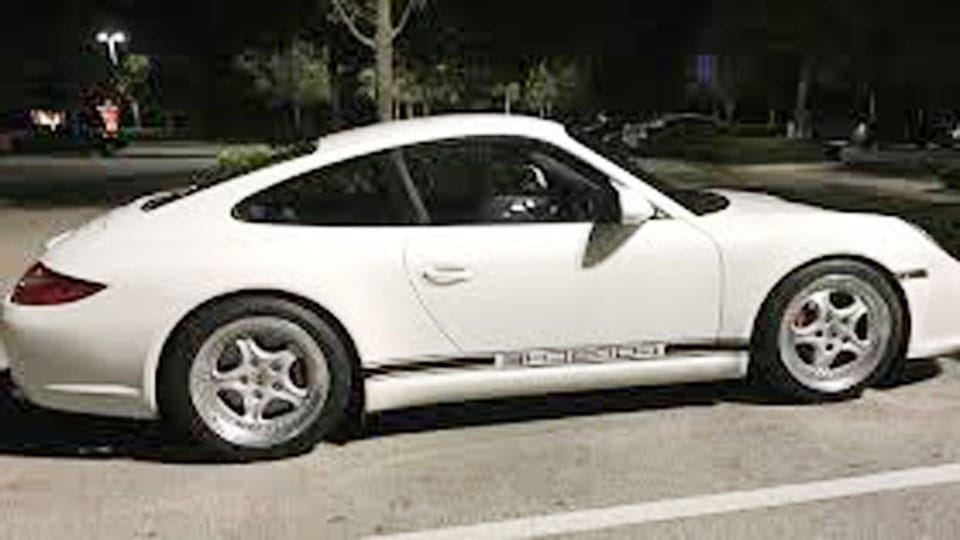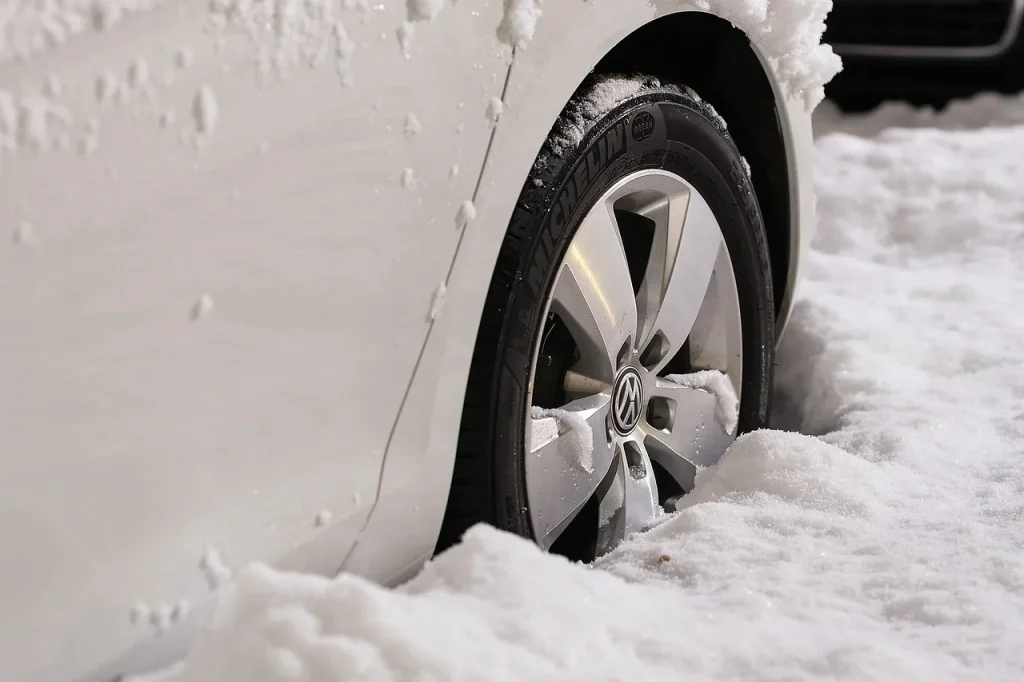
Buy steel wheels if you want the lowest-cost durable second set for winter or rough roads. Buy alloy wheels if you want less weight, better brake airflow, and more finish choices, and you can live with higher repair or replacement costs. Pick the wrong type and you can pay more for tyre changes, lose durability on salted roads, or take a bigger hit after curb damage. This guide compares fitment, weight, corrosion, repairability, and total ownership cost so you can choose for your driving needs.
| Factor | Steel wheels | Alloy wheels | Winner |
|---|---|---|---|
| Purchase cost | Usually cheaper to buy, especially for seasonal sets | Usually more expensive because of material, finish, and design options | Steel wheels |
| Impact survival | More likely to bend on a hard hit | More likely to crack or fracture under a severe hit | Steel wheels |
| Repairability | Often easier to repair if the bend is mild and the wheel is not badly distorted | Repair is more limited; severe cracks usually mean replacement | Steel wheels |
| Winter salt resistance | Needs coating protection; finish damage can lead to rust | Resists rust, but can pit, stain, or corrode when finish fails | Tie |
| Appearance | Plain unless covered by hubcaps or a simple finish | More design and finish options | Alloy wheels |
| Ride and handling feel | Heavier, so steering feel can be less lively | Lighter, so steering response can feel sharper | Alloy wheels |
| Maintenance effort | Usually needs coating care and rust cleanup if the finish chips | Needs finish care to limit pitting, staining, and curb rash damage | Tie |
| Replacement risk | Lower chance of a total-loss repair after a moderate bend | Higher chance of replacement after a severe impact crack | Steel wheels |
What is the real difference in construction?
Stamped and welded steel wheels
Steel wheels are stamped and welded from steel. That construction usually keeps the price down and gives the wheel some ability to deform instead of failing suddenly. The trade-off is weight, plus a finish that needs protection if you want to avoid rust.
Cast and forged alloy wheels
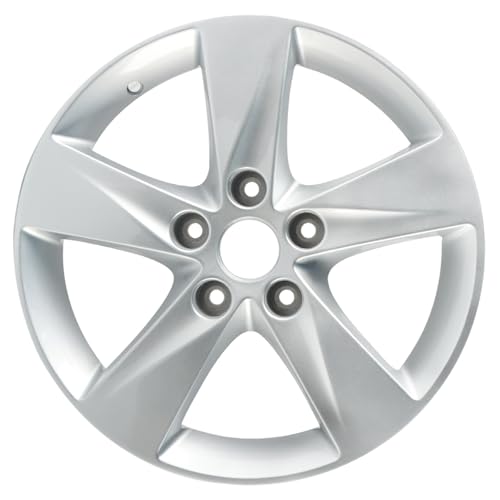
Alloy wheels are typically cast or forged from aluminum-based alloys. They usually weigh less than steel wheels and can give you more styling and finish choices. That lighter build can also change how the car reacts to bumps, steering input, braking, and acceleration.
Why construction affects strength and repair
Impact behavior is the key difference. Steel wheels are generally said to be more likely to bend under a hard impact, while alloy wheels are often reported to be more likely to crack or fracture after a severe hit. A bent steel wheel may be repairable if the damage is limited; a cracked alloy wheel is far more likely to need replacement.
How do steel and alloy wheels drive differently?
Unsprung mass and ride control
Unsprung mass is the weight the suspension has to control below the springs, including the wheels and tires. Lighter wheels reduce that load, which can help the suspension follow bumps more cleanly and can improve steering response. In day-to-day driving, the effect is real but usually modest. (Wikipedia)
Rotational weight and response
Rotational weight is the mass the car must spin up and slow down as the wheels turn. Lower weight can slightly improve acceleration and braking feel because the drivetrain and brakes have less rotating mass to manage. That is why alloy wheels are often linked to a sharper driving feel.
What the difference feels like in daily driving
In a city commute, the difference may stay subtle unless you drive on broken pavement or switch between heavy and light wheel setups. On a car that already has firm suspension, lighter alloy wheels can feel more responsive over steering corrections. Steel wheels can feel less crisp, but they are often the calmer choice when roads are rough.
Which wheels are better for winter driving, steel or alloy?
Steel wheels are often considered a better winter buy because they are usually cheaper, commonly used in dedicated snow tire packages, and can be more forgiving on rough winter roads with slush, potholes, and curb strikes. Coated alloy wheels can also work well in winter if you choose them carefully and clean salt off often.
Salt, slush, and rough winter roads
Road salt and brake dust are commonly said to speed up finish damage on both wheel types. Steel wheels usually need protective coatings, and once that finish is damaged they can rust. Alloy wheels resist rust, but they can still pit, stain, or corrode when salt and grime sit on the finish for long periods.
Winter wheel packages and seasonal swaps
Many drivers use steel wheels for a dedicated snow tire package because the set is meant for seasonal duty, not show duty. That lowers the risk of expensive cosmetic damage during tire swaps and winter driving. It also makes sense if you want the spare set to be functional rather than decorative.
When coated alloy winter wheels make sense
Choose coated alloy wheels for winter if you want a lighter wheel, care about steering feel, and are willing to clean and inspect them more often. They make the most sense when the wheel design gives enough brake clearance, the finish is meant for winter use, and replacement cost will not strain your budget.
Which wheel type handles potholes better?
Steel wheels are often described as handling pothole hits better in ownership terms because they tend to bend rather than crack, and a bend can sometimes be repaired. Alloy wheels can feel better on the road, but a severe impact is more likely to crack or fracture them, which often means replacement.
Bending versus cracking after impact
A bent steel wheel may show vibration, air loss, or a wobble, but the damage is often localized. An alloy wheel that cracks can fail more abruptly and may lose air faster. That is why rough-road drivers often prefer steel for the second set, even if the car came with alloy wheels.
Repairable damage versus replacement
Repairability depends on the damage, not just the material. A mild steel-wheel bend may be repairable if the lip and barrel are otherwise sound. An alloy wheel should usually be replaced if the crack reaches a critical area, if the bead seat is damaged, or if the wheel has a severe fracture after impact.
Hidden costs after curb and pothole hits
A common first-timer mistake is comparing only the purchase price. Hidden costs can include a replacement hubcap for steel wheels, refinishing after curb rash, corrosion cleanup on chipped steel, and repeated replacements if a low-profile alloy setup keeps taking hits on the same roads.
Which wheel type costs less over time?
Steel wheels usually cost less over time for a winter or rough-road set because the purchase price is lower and the repair path is often simpler. Alloy wheels can cost more upfront, and a severe impact may turn into a replacement instead of a repair. That said, alloy wheels may still be worth it if you value the driving feel and appearance.
Purchase price and replacement risk
Steel wheels are often the budget-friendly choice for four-wheel seasonal setups. Alloy wheels are generally more expensive than steel wheels because of manufacturing, finish quality, and design options. If your roads are hard on wheels, the replacement risk matters as much as the sticker price.
Maintenance effort and finish protection
Steel needs coating protection, so chips and scratches deserve quick attention before rust spreads. Alloy avoids rust in the same way steel does, but finish damage from curb rash, salt, and brake dust can leave permanent pitting or staining. Both need care; the care is simply different.
Refinishing, hubcaps, and corrosion cleanup
Steel setups may add the cost of hubcaps if you want a cleaner look. Alloy setups may add refinishing costs after curb damage or corrosion cleanup after winter exposure. Over several seasons, those extra expenses can erase some of the initial price gap if the wheel sees harsh use.
Steel wheel decision matrix
Steel wheels vs alloy wheels scorecard
| Criteria | Steel wheels score | Alloy wheels score |
|---|---|---|
| Purchase cost | 9/10 | 6/10 |
| Impact survival | 8/10 | 5/10 |
| Repairability | 8/10 | 5/10 |
| Winter salt resistance | 6/10 | 6/10 |
| Appearance | 4/10 | 9/10 |
| Ride and handling feel | 5/10 | 8/10 |
| Maintenance effort | 6/10 | 6/10 |
| Replacement risk | 8/10 | 5/10 |
Four use-case recommendations
- City commuter: Alloy wheels if you care about steering feel and style; steel wheels if parking scrapes and curb taps are common and budget matters more.
- Pothole-prone driver: Steel wheels. The bend-over-crack failure mode is usually easier to live with over time.
- Winter tire set: Steel wheels. They fit the usual low-cost seasonal-use logic and handle salty, rough winter roads well.
- Style-focused daily driver: Alloy wheels. The design choices and finish options are the clear advantage here.
Fitment and compatibility checks
Material choice does not fix a bad fit. Check brake clearance, diameter, width, offset, load rating, and TPMS compatibility before you buy. A wheel can be the right material and still fail to clear the caliper, sit in the wrong position, or carry less load than your vehicle needs.
- Match the wheel diameter to the brake package and tire size you plan to run.
- Check width and offset so the tire sits where the suspension and body allow.
- Confirm load rating for the vehicle’s axle loads, especially on trucks and SUVs.
- Verify TPMS compatibility if your vehicle uses pressure sensors.
- Check brake clearance on both front and rear corners before final purchase.
Choose steel wheels if… / Choose alloy wheels if…
Choose steel wheels if you want the cheapest winter or work-duty setup, drive on rough roads or pothole-heavy streets, want a wheel that is often easier to repair after a bend, or care more about limiting replacement cost than about appearance. They are a practical buy for seasonal use.
Choose alloy wheels if you want lighter rotational weight, a sharper steering feel, better appearance, or more finish options, and you are willing to pay more up front and more again if a severe hit damages the wheel. They fit owners who value feel and style over lowest cost.
Say your daily commute includes a steep parking ramp, broken city streets, and winter salt. A steel winter set can keep the car usable without making every curb tap expensive. If the same car runs low-profile tires and a winter pothole takes a hard hit at 35 mph, the steel wheel is more likely to bend into a repairable shape than an alloy wheel is to crack.

Frequently asked questions
Are steel wheels better than alloy wheels?
Steel wheels are better when your main goal is low purchase cost, rough-road durability, and lower replacement risk after impact. Alloy wheels are better when you want lighter weight, sharper steering feel, and more styling choices. The better wheel depends on how harsh your roads are and how much you value appearance.
Do alloy wheels improve fuel economy?
Alloy wheels can help fuel efficiency a little because they are usually lighter than steel wheels. The effect is typically small in everyday driving and depends on the exact wheel and tire setup. Wider tires, larger diameters, or a heavier design can erase much of that gain.
Are steel wheels stronger than alloy wheels?
Steel wheels are not automatically stronger in every way, but they often handle impact damage better because they tend to bend instead of cracking. Alloy wheels can be plenty strong in normal use, yet a severe hit is more likely to crack or fracture one. The failure mode matters more than the label.
Which wheel type is cheaper to replace?
Steel wheels are usually cheaper to replace. They are often the budget-friendly choice at purchase, and the repair path after a bend can be less expensive than replacing a cracked alloy wheel. Hidden costs still matter, though, including hubcaps, refinishing, and corrosion cleanup.
Do alloy wheels rust?
Alloy wheels do not rust in the same way steel wheels do, because they are aluminum-based. They can still pit, stain, or corrode when brake dust, road salt, or curb damage breaks down the finish. So they are not maintenance-free; they just fail differently from steel.
Which wheels are better for rough roads and potholes?
Steel wheels are usually the better pick for rough roads and potholes. They are tough and can handle rough roads well, and they are more likely to bend than crack on impact. That bend can sometimes be repaired, while a cracked alloy wheel often becomes a replacement job.

Hi, I’m Melvin, an automobile engineer with extensive experience in automobile equipment. I currently work for a local automobile firm, where I specialize in the car parts industry. I’ve had the opportunity to collaborate with seasoned inspectors, gaining invaluable hands-on experience that goes beyond just theory.
My passion for automotive care started at a young age, which led me to create CarSpareCare. Through CarSpareCare, I share the knowledge and skills I’ve acquired over the years to help others navigate the world of car maintenance and repairs.
My goal is to provide practical tutorials, essential safety advice, and the latest industry insights so that anyone—whether a beginner or an expert—can confidently tackle their automotive projects.