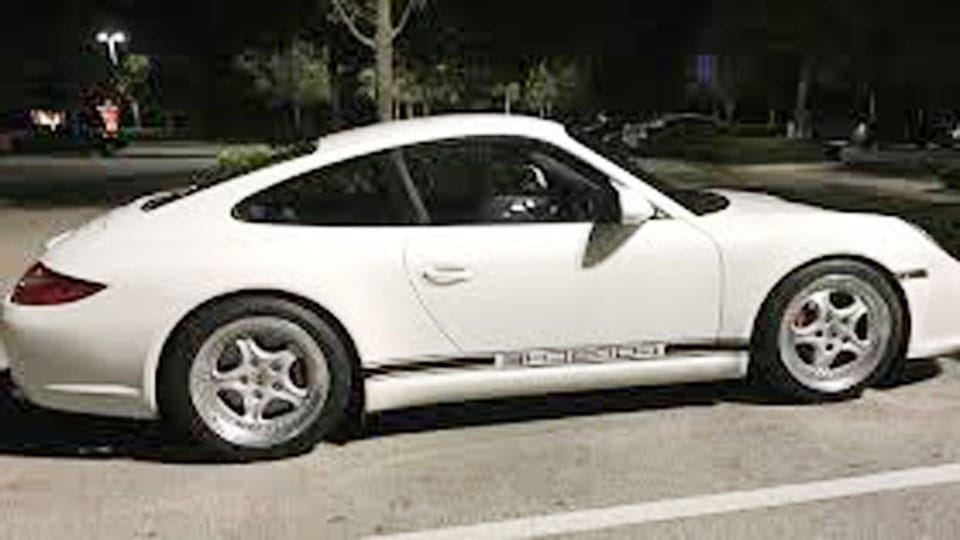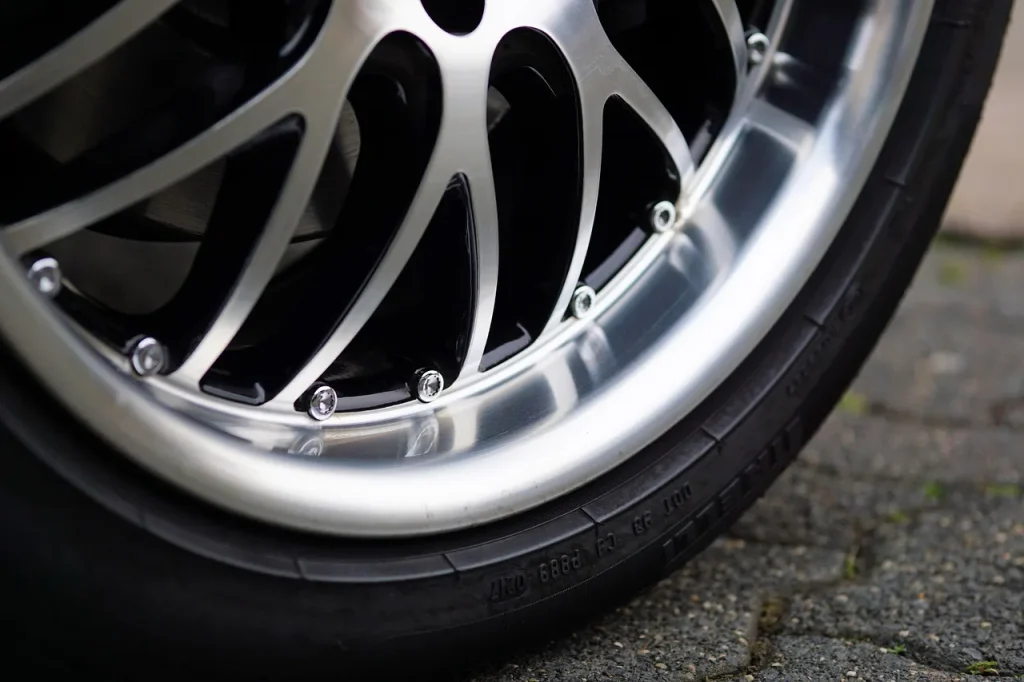
Alloy wheels are usually the better daily choice because they are lighter and move heat away from brakes more effectively, while steel wheels suit low-cost winter setups and hard-use vehicles. Pick the wrong wheel type and you may end up paying more for repairs, rust control, and replacement wheels than any driving benefit returns. This guide compares strength, weight, winter use, repairability, and total ownership cost so you can choose the right wheel for your climate and driving.
Alloy wheels vs steel wheels at a glance


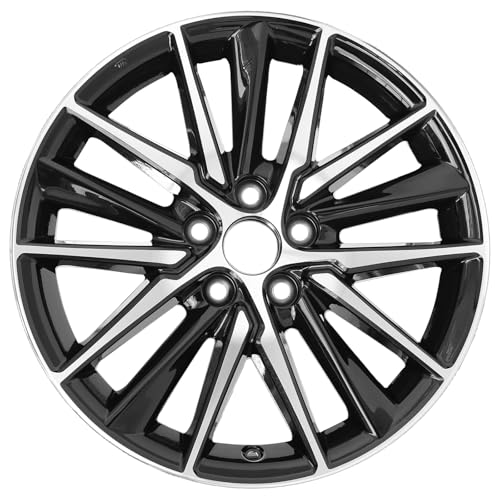
The split is straightforward. Alloy wheels are usually aluminum-based, while steel wheels are stamped and welded steel. Alloys are lighter, can improve handling, and help carry heat away from brakes. Steel wheels cost less, are common for winter use, and are often less likely to crack under impact.
The real decision is not “better” in the abstract. It is whether you value lower weight, better brake cooling, and appearance more than lower purchase price, stronger tolerance in some impacts, and simpler winter-duty use.
Core construction difference
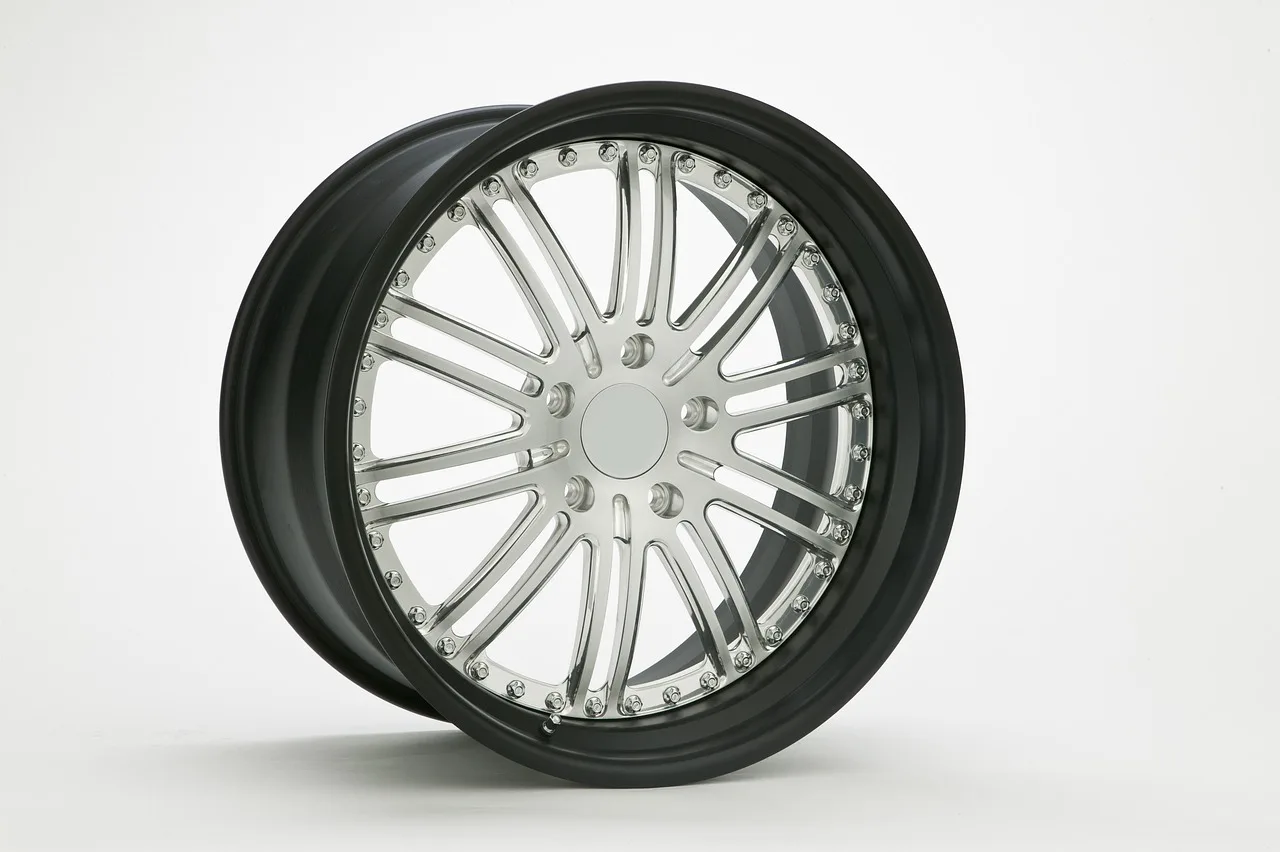
Alloy wheels are made from a mixture of different metals and other elements. Many car wheels sold as alloy are made from an aluminum or magnesium blend. Steel wheels are crafted from stamped and welded steel. That difference drives most of the trade-offs below.
Main trade-offs
Lighter wheels reduce unsprung mass, which can improve ride response, handling feel, and braking feel. Alloy wheels also help move heat away from brakes. Steel wheels are much cheaper to produce and can be a better value where salt, curbs, potholes, or winter abuse make cosmetics and repair costs less attractive.
| Criterion | Alloy wheels | Steel wheels |
|---|---|---|
| Weight | Lower | Higher |
| Handling feel | Sharper | Softer |
| Brake heat management | Better | Less effective |
| Purchase cost | Higher | Lower |
| Impact behavior | Can bend or crack more easily than steel | Less likely to crack under impact |
| Winter/salt use | Depends on coating and care | Often preferred |
| Appearance | More design options | Usually plain, often hidden by covers |
| Total ownership cost | Can rise with repair and refinishing | Often lower for winter or spare duty |
Which wheel type fits your driving?

For many daily drivers, alloy wheels are often a good fit because they can reduce weight and may help with brake heat control. For winter, heavy salt, or rough roads, steel often makes more sense because the lower initial cost and better crack resistance can reduce the pain of seasonal damage and replacement.
Daily commuting
Alloy usually wins for a normal commute. The lower weight can improve ride response and reduce the dull, heavy feel that comes from extra wheel mass. The fuel-use difference is usually modest, though, and depends on the combined wheel-and-tire weight rather than the wheel alone.
Winter and salt-heavy roads
Steel is often a practical winter wheel because it is usually cheaper, commonly used for seasonal setups, and often easier to treat as a sacrificial set. Modern coated alloys can work well in winter, but road salt still demands attention to finish condition, cleaning, and storage.
Pothole-prone roads and curb strikes
Steel tends to be the safer bet when impacts are frequent. A steel wheel may bend rather than crack, which can leave more repair options in some cases. Alloy wheels can bend or crack on severe hits, and a crack usually makes replacement more likely than repair.
Towing and brake heat
Alloy has the edge when loads are high and brakes run hot. Better heat dissipation matters on long descents, towing, or spirited driving, where brake fade is a concern. Steel can work, but it gives up that cooling advantage.
Appearance and customization
Alloy wheels usually win on looks because they offer more spoke designs, finishes, and size choices. That matters if you want the wheel itself to be part of the car’s style. If appearance is low priority, steel and wheel covers can do the job for less money.
How do they handle heat and weight?
Alloy wheels are lighter than traditional steel wheels, and that reduction in unsprung mass can improve how quickly the suspension reacts to bumps. You may feel cleaner steering response and slightly better acceleration and braking feel. The effect is real, but it is usually incremental rather than dramatic.
Unsprung mass and response
Unsprung mass is the part of the car that the suspension has to control directly, including the wheel and tire assembly. Lowering it helps the suspension follow road surfaces more quickly. That is one reason lighter wheels can make a car feel more eager and less busy over broken pavement.
Heat dissipation and brake fade
Alloy wheels help move heat away from brakes better than steel. That matters most when braking stays heavy for a long time, such as on mountain descents or while towing. It is not a cure for overheated brakes, but it can support better heat control.
Do alloy wheels improve fuel economy? Sometimes, but only slightly in most real use. Alloy wheels can reduce fuel consumption because they are lighter, yet the gain depends on wheel size, tire choice, and the total rotating mass. A heavy tire on a light wheel can cancel much of the benefit.
What happens when they hit a pothole?
Pothole damage is where the steel-versus-alloy decision often becomes expensive. Steel wheels are less likely to crack under impact and may bend in a way that can sometimes be corrected. Alloy wheels can bend or crack more easily than steel, and a crack usually raises the replacement threshold quickly.
Bend vs crack failure modes
A bent wheel can cause vibration, air loss, or steering shake, but it may still be repairable if the damage is minor and the wheel remains structurally sound. A cracked wheel is more serious. A crack can grow, leak, or fail under load, so replacement is often the safer call.
Repairability and when replacement makes more sense
Repairable damage depends on severity, location, and wheel construction. Minor bends on steel may be simpler to correct. Minor alloy bends can sometimes be repaired, but cracks, damaged bead seats, and repeated previous repairs push the decision toward replacement because safety margin matters more than saving a wheel.
Say your 18-inch alloy wheel picks up a curb strike that leaves a slow leak and a visible lip bend. If the wheel also shows a hairline crack near a spoke, replacement is the better choice. A straightening quote may sound cheaper, but a crack changes the risk profile.
Winter wheel setup and corrosion
Winter wheel setup is where steel often earns its keep. Many drivers run a seasonal swap with snow tires on steel wheels because the set is cheaper, easier to protect from salt, and less painful to use in rough winter conditions. The goal is not perfection; it is durability and predictable cost.
Road salt and finish protection
Road salt can damage finish and metal over time, so coating quality matters. Bare or damaged surfaces corrode faster. On alloys, painted, powder-coated, and clear-coated finishes can all improve longevity if they are intact. On steel wheels, coating damage can expose the underlying metal and start rust.
Coatings and wheel finish
Painted wheels are common and affordable, but chips can expose metal. Powder-coated wheels generally hold up better against winter wear because the coating is thicker and more durable. Clear-coated alloys can look good and resist grime, but once the coating fails, salt can work under it.
For winter use, coating condition matters as much as wheel type. A well-kept coated alloy can outlast a neglected steel wheel. Still, steel remains popular for winter wheels because lower cost makes seasonal damage easier to accept.
Seasonal swap strategy
A winter wheel setup usually means keeping a dedicated set of wheels with snow tires mounted, then swapping them seasonally. That reduces tire mounting wear and helps protect the summer set from salt. Storage should be dry and clean, especially if the wheels have chipped paint or prior curb damage.
Alloy wheel decision table
This table scores each wheel type from 1 to 5 for a specific use case, where 5 is the better fit. It is a practical shortcut, not a universal ranking.
| Use case | Alloy score | Steel score | Recommendation |
|---|---|---|---|
| Daily commuting | 5 | 3 | Choose alloy if you want lighter steering feel and better brake heat control. |
| Winter and salt | 3 | 5 | Choose steel for a budget-friendly seasonal setup and easier sacrifice to salt. |
| Pothole-prone roads | 2 | 4 | Choose steel if cracks and curb hits are a regular risk. |
| Towing | 5 | 3 | Choose alloy if brake heat and load stability matter more than upfront cost. |
| Appearance | 5 | 2 | Choose alloy if you care about design variety and finish options. |
| Repairability | 3 | 4 | Choose steel if you want a wheel that may be easier to straighten after a bend. |
| Budget | 2 | 5 | Choose steel when purchase price and replacement cost matter most. |
| Performance | 5 | 2 | Choose alloy for lower unsprung mass and sharper response. |
Choose alloy wheels if… / Choose steel wheels if…
Choose alloy wheels if you drive year-round on decent roads, care about steering response, or want better brake heat handling for towing or steep descents. Choose steel wheels if your priority is low cost, winter use, or surviving rough roads with less worry about cosmetic damage and crack risk.
Choose alloy wheels if…
- You want lighter wheels and better handling feel.
- You drive in conditions where brake heat management matters.
- You care about design variety and finish options.
- You can accept higher purchase cost and possible repair expense.
Choose steel wheels if…
- You want the lowest-cost winter or spare-duty setup.
- You drive on roads with frequent potholes, curb strikes, or salt.
- You prefer a wheel that may bend rather than crack on some impacts.
- You care more about durability and replacement cost than appearance.
Frequently asked questions
Are alloy wheels better than steel wheels?
Alloy wheels are better for many drivers because they are lighter, help with handling, and manage brake heat better. Steel wheels are better when low cost, winter use, or impact tolerance matters more. The better choice depends on where you drive and how much damage risk you expect.
Are alloy rims better than steel rims?
Alloy rims are usually better for everyday driving, towing, and appearance because they reduce unsprung mass and offer more design options. Steel rims are better for budget winter setups and rough-road duty. If the wheel will face salt and potholes, steel often makes more financial sense.
Steel rims vs alloy wheels: which is better?
Alloy wheels are usually better if you want performance, heat control, and style. Steel rims are usually better if you want lower cost and a tougher winter or spare setup. The right choice depends on whether your main problem is heat, weight, damage, or price.
Are steel wheels better than aluminum?
Steel wheels are better than aluminum when the goal is low cost, seasonal winter use, or a wheel you do not mind replacing after hard service. Aluminum alloy wheels are better when you want less weight and better brake heat control. Neither is always better overall.
Steel wheel vs alloy wheel: what’s the difference?
Steel wheels are stamped and welded steel, while alloy wheels are usually an aluminum or magnesium blend. That difference changes weight, price, heat handling, and damage behavior. Alloy is lighter and runs cooler; steel is cheaper and more forgiving in some impact situations.
Do alloy wheels improve fuel economy?
They can, but usually only a little. Because alloy wheels are lighter, they may reduce fuel consumption slightly. The gain depends on the full wheel-and-tire package, so a heavy tire can erase much of the benefit. Do not buy alloy wheels for fuel savings alone.

Hi, I’m Melvin, an automobile engineer with extensive experience in automobile equipment. I currently work for a local automobile firm, where I specialize in the car parts industry. I’ve had the opportunity to collaborate with seasoned inspectors, gaining invaluable hands-on experience that goes beyond just theory.
My passion for automotive care started at a young age, which led me to create CarSpareCare. Through CarSpareCare, I share the knowledge and skills I’ve acquired over the years to help others navigate the world of car maintenance and repairs.
My goal is to provide practical tutorials, essential safety advice, and the latest industry insights so that anyone—whether a beginner or an expert—can confidently tackle their automotive projects.