Wheel vibration at highway speed is most often caused by tire and wheel imbalance, a bent wheel, or a tire defect. If the shake changes during braking, suspect the brake rotors. Ignoring it can wear tires fast, stress bearings and suspension parts, and turn a minor fix into a larger repair bill. This guide ranks the likely causes by where you feel the shake, when it appears, and what changes it.
Highway-speed vibration clues
The first clue is not the noise or the speed alone. It is where the shake shows up, when it starts, and whether braking changes it. That pattern separates a front tire issue from a rear tire issue, and it also separates a wheel-and-tire problem from a brake or suspension fault.
A steering-wheel shimmy points you toward the front tires, front wheels, or front brake parts. A seat or floor shake more often points to the rear. If the vibration appears in a narrow speed window, that pattern often points more toward a rotating part than a road-surface issue. Wheel balance, wheel runout, tire defects, and loose fasteners are the usual suspects before alignment enters the picture.
Brake-triggered vibration is different. If the shake is tied to the brake pedal or seems to grow as you slow down, the rotors move higher on the list. Brake pulsation is often felt as a repeated pulse through the pedal or steering wheel, and rotor thickness variation or runout is a common reason.
Wheel vibration triage table
| Symptom pattern | Most likely cause | Quick driveway check | Urgency |
|---|---|---|---|
| Steering-wheel shimmy at 50-75 mph | Wheel and tire imbalance, bent front wheel, or a front tire defect | Check tire pressure, look for missing balance weights, and inspect the front wheels for bends or bulges | Schedule soon; drive gently if the shake is mild |
| Seat or floor shake at highway speed | Rear wheel imbalance, rear tire defect, or a bent rear wheel | Inspect the rear tires for bulges, flat spots, and uneven wear; compare pressures side to side | Schedule soon; reduce speed if it worsens |
| Vibration only under braking | Brake rotor variation or pad deposits, usually at the front wheels | Notice whether the pulse starts with pedal pressure rather than speed alone | Prompt inspection; limit hard stops |
| Vibration after pothole impact | Bent wheel or rim, tire damage, or wheel runout | Look for a flat spot, rim dent, or bulge after the impact | Inspect now if the shake is strong |
| Vibration after tire service | Missing balance weight, incorrect torque, or tire mounted improperly | Recheck lug torque and confirm the wheel weights are still present | Return for recheck soon |
Say your steering wheel starts to shimmy at 60 mph, but the car feels smooth at 45 mph and again below that. That speed window fits a balance or wheel defect pattern more than a brake problem. If the shake is strongest in the steering wheel, the front tires and wheels move to the top of the list.
Suppose the seat and floor tremble at 70 mph, but the steering wheel stays mostly calm. That difference points away from the front end and toward a rear wheel, rear tire, or rear hub issue. The location clue saves time before any alignment or parts guesswork.
Is wheel balance the most common cause of highway-speed vibration?
Yes. Wheel and tire problems are the most common first suspect, and an out-of-balance wheel often vibrates between 50 and 75 mph. A balance issue may be subtle at 45 mph and much stronger at 65 mph, which is why many drivers feel the shake only on faster roads.
That said, balance is not a catch-all fix. A wheel can be balanced and still shake if the tire has belt separation, the rim is bent, or a brake rotor is the real source. Balancing also will not cure a loose wheel or worn suspension joint. Alignment alone rarely creates a speed-specific vibration unless another problem is also present.
Why balance problems feel speed-specific
When a wheel is out of balance, the force grows with speed. That is why a car can feel nearly normal in town and then start to shake on the highway. A steering wheel that starts to shimmy at highway speed fits a rotating front-end issue more than a brake problem.
Front and rear location matters. If you feel the vibration in the steering wheel, the problem is often in the front tires or wheels. If you feel it in the seat or floor, the source may be farther back. That difference helps separate front-end shimmy from rear seat or floor shake before any parts are swapped.
Why tire service can bring the shake back
Recent tire work is a common trigger for a balance complaint. A weight can fall off, a tire can be mounted in a way that leaves more variation, or the wheel may not have been torqued evenly. After tire rotation or installation, recheck the wheel weights and lug nut torque before assuming the problem is deeper.
Check the tire pressures. Use a gauge on all four tires when they are cold. A mismatch side to side can change highway stability, and underinflation can make a borderline balance issue feel worse.
Inspect the wheel faces. Look for missing clip-on weights, fresh adhesive residue where a weight may have fallen off, or a visible bend in the rim. A missing weight after service is a strong clue.
Note where the shake shows. Steering wheel, seat, or floor each point in a different direction. That simple note helps a shop narrow the problem before swapping parts or charging for the wrong repair.
Can bent wheels cause a shake that only shows up at one speed?
A bent wheel or rim can create a shake that appears only in a narrow highway-speed band, sometimes after pothole damage. Bent wheels are a regular culprit after impact, and the vibration often stays at the same speed range until the wheel is repaired or replaced.
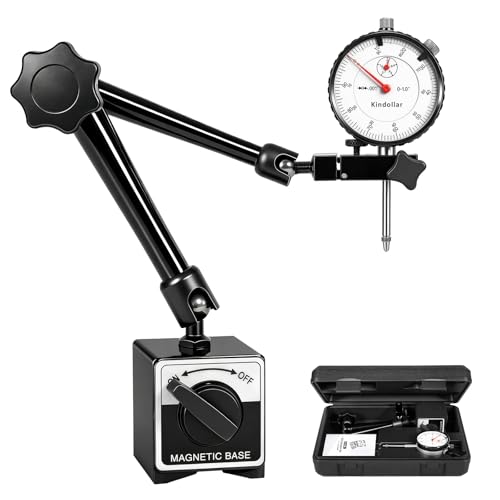
A bent wheel can still balance on a machine and shake on the road. That is why balancing does not always solve the complaint. Wheel runout, meaning the wheel does not spin perfectly true, can create a persistent vibration even when the weights appear correct.
What to look for after impact
Start with a visual inspection. Look for a flat spot, a dent at the rim edge, or a tire bulge near the damage. Then check whether the shake started right after the pothole hit, because that timing is a strong clue.
If the damage is not obvious, a shop may measure wheel runout. That measurement helps separate a wheel that is merely out of balance from one that is physically out of round. A bent wheel can also cause a recurring shake after every balance service.
Tire defects that balancing will not fix
Uneven wear, bulges, flat spots, and tread separation all belong on the inspection list. A belt separation inside the tire can feel like a balance problem but will not respond to weights. Flat spotting can happen after parking, while bulges and tread separation are safety concerns that need immediate attention.
A common first-timer mistake is to assume every highway-speed shake is a balance issue. If the tire carcass is damaged, a new balance job will not cure it. That is why a quick visual check matters before paying for another round of balancing.
What if it changes when you brake?
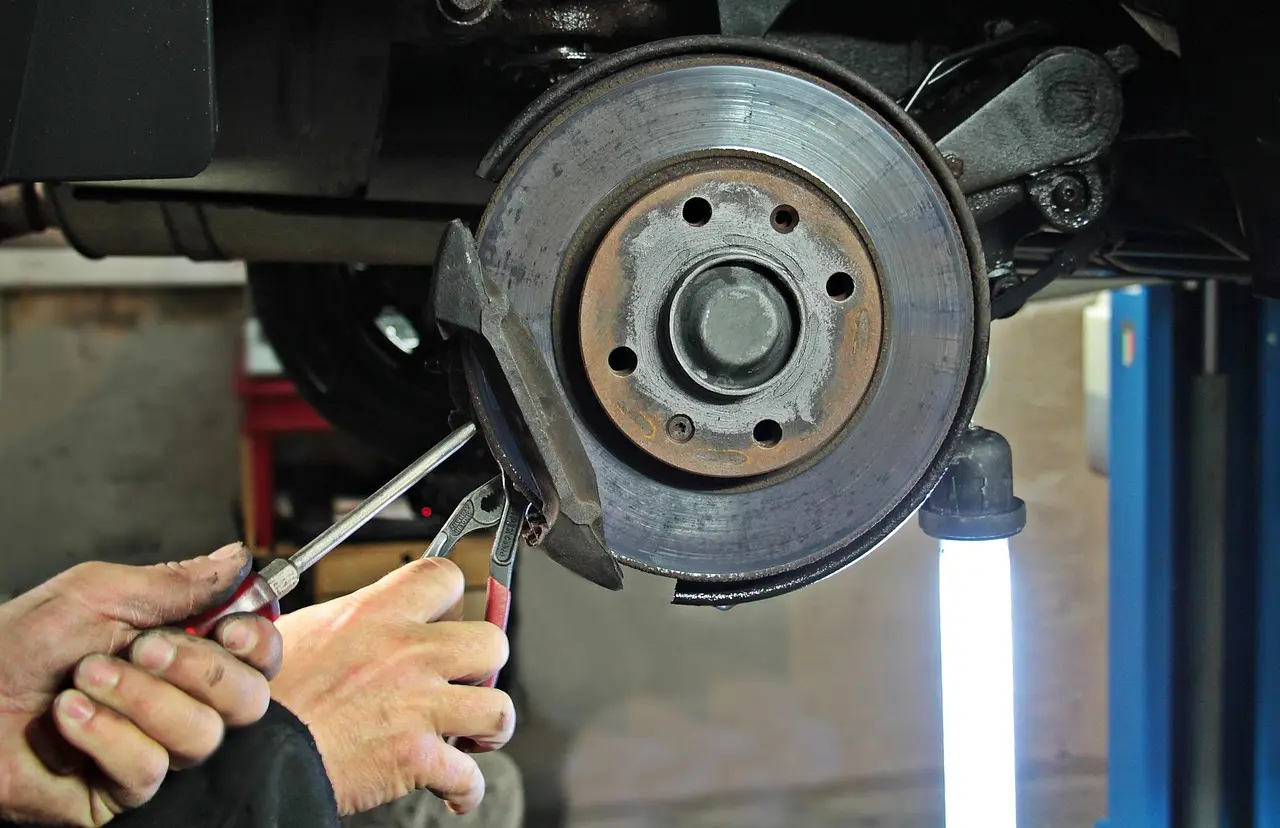
If the vibration appears during braking, the brake rotors move to the front of the list. Brake vibration is tied to the brake pedal trigger, not just speed, and front brake rotor variation is the usual suspect when the steering wheel pulses under deceleration.
That differs from a pure highway-speed shake. A balance problem stays tied to vehicle speed. A brake problem usually appears when you press the pedal, then fades when you let off.
Rotor variation and pad deposits
Rotor thickness variation or uneven pad deposits can make the steering wheel pulse as the brakes clamp down. In practice, rotor “warping” is often felt as a thickness-variation or runout-related pulsation rather than a rotor that is visibly bent. The car may feel fine at steady highway speed, then shake as soon as you slow for an exit or traffic light. That brake-pedal link is the key clue.
Front brakes usually matter first because they do most of the stopping and the steering wheel is often the first place the pulse shows up. Rear brake issues can still contribute, but a steering-wheel pulse under braking usually sends the diagnosis forward.
How to separate brake pulse from speed shake
Hold a steady speed. Drive at the speed where the vibration usually appears without braking. If the shake is present at steady throttle, think wheel, tire, or suspension first.
Apply light brake pressure. Use a gentle, steady press and note whether the vibration changes immediately. If the pulse starts with the pedal, the brake system deserves the next look.
Repeat at a lower speed. A brake issue often repeats across speeds whenever the pedal is used. A balance issue usually fades as speed drops below the problem window.
Could suspension, steering, or bearings be involved?
Yes. Worn control arm bushings, ball joints, and tie rods can affect stability and mimic a tire balance complaint. A wheel bearing can also cause vibration, especially if it adds noise or play. If the shake is broader than a simple steering shimmy, these parts deserve inspection.
A wheel bearing fault often brings other clues with it. Listen for growl, hum, or roughness that changes with speed or turning. If the whole vehicle shudders rather than just the steering wheel, the source may be farther than the tires alone.
How to check for play and looseness
Park on level ground. Set the parking brake and keep the transmission in Park or in gear. Safety matters before any hands-on check.
Rock each tire by hand. Grasp the tire at the top and bottom, then at the sides, and feel for movement or clunking. Excess play can point to a bearing, ball joint, or tie rod issue.
Compare both sides. A loose front wheel or one side that feels worse than the other gives a valuable clue. Suspension wear often shows up unevenly.
If the vibration feels like a whole-vehicle shudder and not a simple wheel shimmy, do not stop at balancing. That pattern can point to tire damage, wheel bearing wear, or front-end looseness. A shop can confirm with a lift inspection and, when needed, runout checks.
What should you check before paying for alignment or balancing?
Check the easy items first. Tire pressure, visible wheel damage, missing balance weights, and recent service errors can explain a highway-speed shake without any alignment work. Alignment is not usually the first answer for a speed-only vibration unless there is also pull, uneven wear, or steering drift.
Five minutes can rule out a lot. If the problem started after tire rotation, installation, or a pothole, those facts matter more than a generic alignment guess.
Confirm all tire pressures. Match each tire to the door-jamb placard, not to the sidewall maximum. Underinflation can make a vibration more noticeable and can also create uneven wear.
Inspect the wheels closely. Look for bends, cracks, and missing weights. A wheel that is visibly damaged needs inspection before more balancing attempts.
Review recent service. If the shake started after a tire rotation, new tires, or wheel removal, ask for a recheck of torque and balance. A loose wheel can create symptoms fast, and the fastener torque must be correct.
Note the trigger pattern. Record whether the shake happens at a specific speed, only while braking, or only after hitting a pothole. That detail can save a diagnostic round-trip.
Do not ignore a loud new thump, a steering pull, or a wobble that gets worse quickly. Those changes move the issue from annoying to unsafe. If a wheel feels loose or the car starts to shake hard after service, stop driving and have it checked.
Frequently asked questions
What causes steering wheel vibration at highway speeds
The most common causes are front wheel and tire imbalance, a bent front wheel, or a front tire defect. If the steering wheel starts to shimmy around 60 mph, that speed window fits a rotating front-end issue more than a brake problem. Tire pressure and recent wheel service are worth checking first.
What causes wheel vibration at high speeds
Speed-only vibration usually points to a wheel or tire issue first, then to a bent wheel, tire defect, or loose fastener. If the problem appears between 50 and 75 mph, imbalance rises on the list. If it changes only during braking, shift attention to the rotors.
What causes vibration at highway speeds
Highway-speed vibration is usually tied to rotating parts, especially wheels and tires, but suspension wear and wheel bearings can contribute. The location of the shake matters. Steering-wheel vibration often comes from the front, while seat or floor vibration often points rearward.
What causes shaking at highway speeds
Shaking at highway speeds is most often an imbalance, bent wheel, or tire defect, but braking changes, noise, and looseness help separate the cause. A shake that begins after pothole impact points toward wheel damage. A shake that appears only with braking points toward the rotors.
What causes vibration when driving at high speeds
When the vibration shows up only at high speed, wheel balance, tire damage, and wheel runout are the leading suspects. If the vibration follows a recent tire service, recheck weights and lug torque. If the vibration comes with a hum or growl, inspect the wheel bearings.
How do I tell if the vibration is from tires, brakes, or suspension?
Use the trigger and the location. A steady-speed shake points toward tires or wheels. A pedal-triggered pulse points toward the brakes. A whole-vehicle shudder, clunking, or looseness points toward suspension, steering, or bearing wear.
Can vibration at highway speed come from a wheel bearing?
Yes. A bad wheel bearing can add vibration, noise, and play. The clues are usually a growl or hum that changes with speed or turning, plus looseness when the wheel is checked by hand. A bearing fault is less likely than imbalance but matters if noise is present.

Hi, I’m Melvin, an automobile engineer with extensive experience in automobile equipment. I currently work for a local automobile firm, where I specialize in the car parts industry. I’ve had the opportunity to collaborate with seasoned inspectors, gaining invaluable hands-on experience that goes beyond just theory.
My passion for automotive care started at a young age, which led me to create CarSpareCare. Through CarSpareCare, I share the knowledge and skills I’ve acquired over the years to help others navigate the world of car maintenance and repairs.
My goal is to provide practical tutorials, essential safety advice, and the latest industry insights so that anyone—whether a beginner or an expert—can confidently tackle their automotive projects.