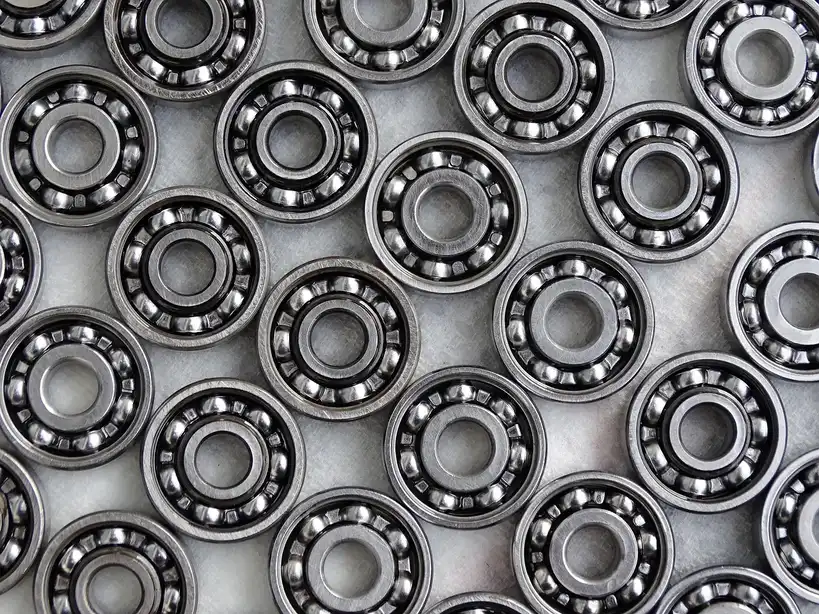
Wheel bearings are the rolling elements that let the wheel turn with low friction; the hub is the mounting piece that carries the wheel and, on many cars, the bearing too. If you mix them up, you can order the wrong part, miss a worn bearing, or buy a repair that needs a press. This guide explains separate bearings versus hub assemblies, how to spot each, and what that means for cost and replacement.
What is a wheel bearing?
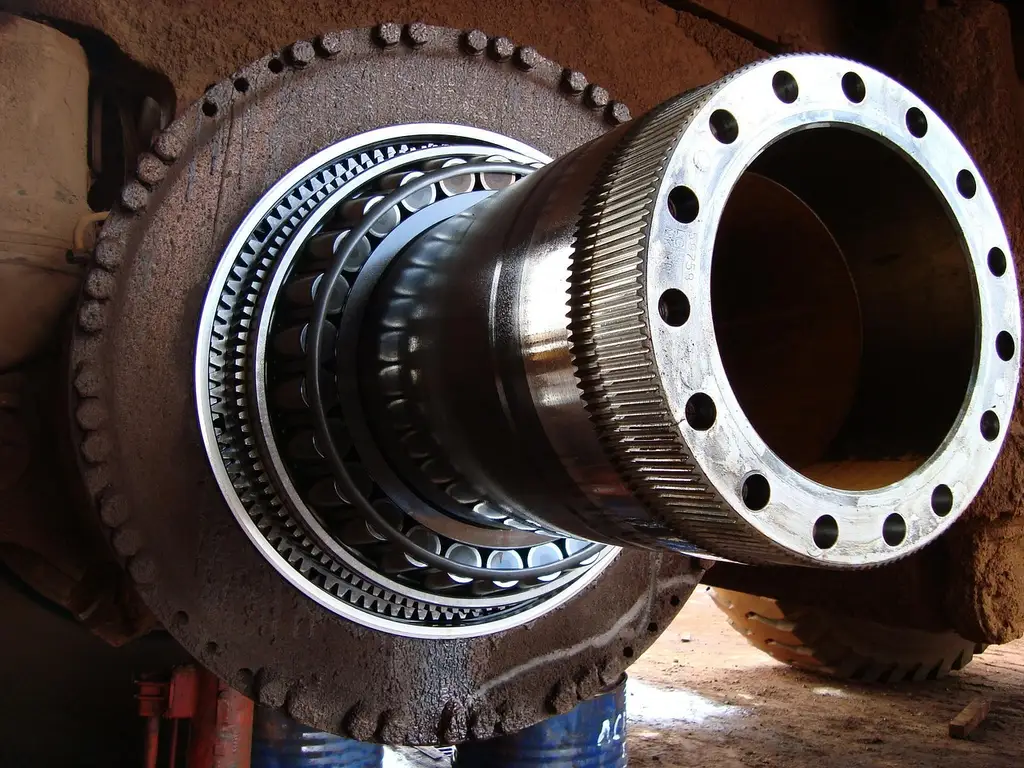
A wheel bearing supports radial and axial loads while allowing the wheel to rotate with minimal friction. On older or heavier setups, it may be a serviceable part you can clean, re-grease, and adjust. On many newer vehicles, it is sealed and replaced as a unit instead.
Separate and serviceable designs
In a separate design, the bearing sits apart from the hub flange and wheel-mounting face. Older serviceable wheel bearings can be tapered roller designs, which are adjusted for preload and packed with grease. Some designs can be cleaned, re-greased, and reassembled if the parts are still in good condition.
That serviceable layout matters because diagnosis and repair are different from a bolt-on hub unit. If the bearing is loose, contaminated, or rough, you may be able to service only the bearing and reset the preload rather than replacing the whole wheel-end assembly.
Sealed and press-fit designs
Many modern wheel bearings are commonly sealed cartridge units or press-fit bearings. They are factory-sealed, not meant for re-greasing, and are often pressed into the knuckle or carrier. In that layout, the bearing may fail while the hub flange itself is still usable.
That is why the term “wheel bearing” can be misleading. Some vehicles let you replace only the bearing element; others require pressing the old bearing out and the new one in. The parts look similar from the outside, but the service method is not the same.
What is a hub assembly?
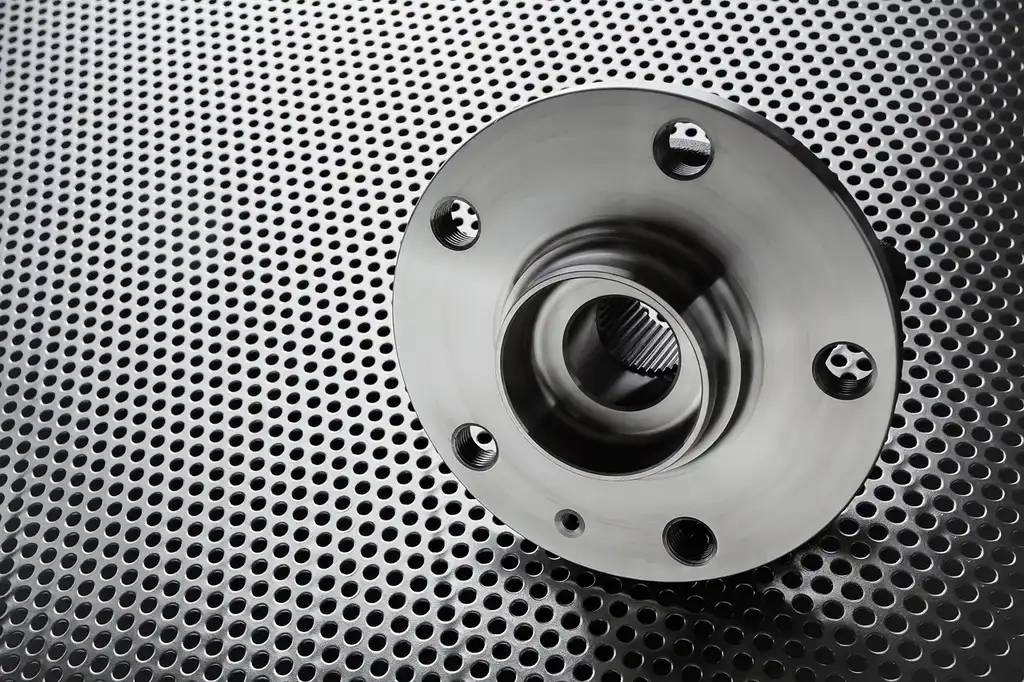
A hub bearing is a preassembled, factory-sealed unit that integrates the bearing with the hub flange. The hub flange is the wheel-mounting surface, so this is the part the wheel bolts to. When this unit fails, modern hub units are typically replaced as a single unit.
Hub flange and wheel mounting
The hub flange is the face that carries the wheel studs or bolt pattern, depending on the vehicle. It is part of many hub-bearing assemblies. If the flange is bent, corroded, or part of a failed unit, the entire assembly may need replacement even if the bearing noise is the first symptom you hear.
This is one reason the word “hub” creates confusion. A hub can mean the wheel-mounting part alone, or it can mean the complete hub-bearing assembly. Those are not the same repair.
ABS sensor and tone ring integration
Many hub units include the wheel speed/ABS tone ring. Some hub units include the wheel speed sensor or provisions for it. That means a failed hub assembly can affect ABS and traction control, not only wheel smoothness.
If the sensor or tone ring is built into the unit, a bearing failure can show up as an ABS warning even when the wheel still turns. The warning can also come from the sensor, wiring, or tone ring, so the light alone does not prove the bearing is bad.
Are wheel bearings and hubs the same thing?
No. The terms get mixed up because some vehicles use a separate bearing, while others use a hub assembly that contains the bearing and hub flange in one unit. In conversation, people often say “hub bearing” when they mean the whole assembly, or “wheel bearing” when they mean the failure point inside it.
Why the terms get mixed up
On a car with a bolt-on hub assembly, the bearing is not a separate service part in normal repair. On a car with a serviceable bearing, the hub and bearing are distinct pieces. That difference changes the part number, the labor, and whether a press is needed.
Say your front wheel growls at 40 mph and the wheel has slight play when rocked at 12 and 6 o’clock. On a front hub unit, that may point to a failed assembly. On an older rear axle with serviceable tapered rollers, the same symptom may call for bearing adjustment, grease inspection, or bearing replacement rather than a complete hub.
What parts are actually separate
A separate bearing setup usually includes the bearing, seals, and sometimes a race or cone set. A hub assembly folds the bearing into a preassembled unit with the hub flange. That is the key service split: separate parts mean serviceable components; integrated parts mean replace-as-one-unit when the unit fails.
Do not treat a press-fit bearing as a bolt-on hub. They are different repair paths. One needs pressing equipment and careful setup. The other usually bolts off and on.
How do you tell which design your vehicle uses?
You can usually identify the design by looking at the wheel end, checking the service information, and noting whether the bearing is meant to be serviced or replaced as an assembly. Front and rear layouts can differ on the same model, so do not assume both ends use the same setup.
Visible clues on the wheel end
Look for a large bolted unit at the knuckle or trailing arm. A sealed hub assembly often appears as a compact round module that bolts on from the back side. If you see the wheel studs built into a flange that comes off as one piece, that is a strong clue that the hub and bearing are integrated.
If the design uses a serviceable bearing, you are more likely to find a separate spindle, race, or bearing pack that is not sold as one sealed module. Some older designs also have grease fittings or a service procedure that calls for repacking and preload adjustment.
Front and rear layout differences
Do not use the front axle to predict the rear, or the reverse. A front wheel drive car may use a different bearing design at the rear. A rear-wheel-drive truck may use a serviceable rear axle bearing and a different front hub arrangement.
- Check the wheel-end layout. Look behind the wheel and at the knuckle or axle flange. A bolted round cartridge suggests a hub assembly; a spindle with service hardware suggests a separate bearing setup.
- Confirm the service type. Use the vehicle-specific parts catalog or service procedure and match the exact front or rear position. The same model can use different parts on each end.
- Identify ABS hardware. Find the wheel speed sensor, tone ring, or sensor provision before ordering. If the assembly includes these features, the replacement part has to match them.
- Check for press-fit requirements. If the bearing is listed as a press-fit cartridge, plan for a press, proper adapters, and a clean reassembly path. That changes labor and tool cost.
Bearing decision table
This table helps you sort the common wheel-end layouts before you buy parts. Use it as a quick filter, then confirm the exact part number by position and ABS setup.
| Part type | Visible clues | Common vehicle layout | Tools needed | ABS involvement | Replace as one unit? |
|---|---|---|---|---|---|
| Serviceable wheel bearing | Separate bearing and races; service hardware; may show grease service points | Older passenger cars, trucks, and some heavy-duty applications | Hand tools, grease, cleaning supplies, torque wrench; preload adjustment tools may be needed | Usually separate from the bearing; sensor is often elsewhere | No |
| Tapered roller bearing | Adjustable preload; packed with grease; separate cone and race parts | Older serviceable wheel-bearing setups | Hand tools, torque wrench, seal driver, grease packer, dial indicator on some procedures | Usually not built into the bearing itself | No |
| Sealed cartridge bearing | Factory-sealed cartridge; not meant for re-greasing; often pressed into the knuckle or carrier | Many modern front and rear applications | Press, adapters, snap-ring tools on some designs | May be separate from ABS parts or may work with a tone ring | No |
| Hub bearing assembly | Preassembled unit with hub flange; bolts on as one module | Many late-model front hubs and some rear hubs | Basic hand tools, torque wrench; no press for the bearing itself | Often includes wheel speed sensor or tone ring provisions | Yes |
What changes when ABS is part of the assembly?
When ABS hardware is built into the hub assembly, bearing diagnosis has to include the sensor and tone ring. A bad hub can trigger ABS or traction system warnings, but so can a damaged sensor, broken wire, or dirty tone ring. The warning light is a clue, not a full diagnosis.
Sensor and tone ring clues
Many hub units include the wheel speed/ABS tone ring. Some include the wheel speed sensor or a mounting provision for it. If the assembly has a molded connector, sensor tab, or a visible encoder ring, the replacement part has to match that exact arrangement.
Suppose a rear wheel bearing is quiet at low speed but the traction control light comes on after a rainstorm. If the tone ring is integrated into the hub unit, moisture, debris, or a failing encoder surface can upset the signal before the bearing noise becomes obvious.
Warning lights after failure
An ABS warning after wheel-end failure does not always mean the electronic sensor failed first. The tone ring may be damaged, the hub flange may be wobbling enough to disturb the signal, or the sensor may be reading a bad pattern from the unit. That is why wheel-play inspection still matters.
When should you replace the bearing or the whole hub?
Replace only the bearing when the vehicle uses a true serviceable design and the hub flange, races, and related hardware are still usable. Replace the whole hub assembly when the bearing is built in, when the hub flange is part of the failed unit, or when the ABS hardware is integral to the assembly.
Bearing-only repair cases
A bearing-only repair makes sense on serviceable designs that can be cleaned, re-greased, and adjusted. Older tapered roller setups are common examples. This route can lower parts cost, but it still demands correct preload and clean assembly, or the new bearing can fail early.
Use this option when the service procedure clearly supports it and the rest of the wheel-end hardware is sound. If the knuckle, spindle, or hub flange is damaged, the smaller repair does not solve the real problem.
When a full hub assembly makes more sense
A full hub assembly is the practical choice when the bearing is sealed, press-fit, or factory-integrated with ABS components. It usually costs more for the part, but it can reduce labor because you are not pressing a bearing in and out. That tradeoff matters on labor-heavy jobs.
Say your compact SUV uses a front bolt-on hub assembly and the parts catalog lists no separate bearing. In that case, buying a bearing alone is the wrong path. The correct repair is the complete hub unit, and trying to split the assembly usually adds labor without saving money.
Replacement tradeoff at a glance
Is it cheaper to replace just the bearing or the whole hub assembly? The bearing-only repair is often cheaper on parts, but only when the vehicle is designed for serviceable bearings. If the hub unit is sealed and bolt-on, the whole assembly is often the correct choice, even if the part price is higher.
- Choose the bearing only. Use this path for serviceable, adjustable wheel bearings that are still supported by the vehicle design and service manual.
- Choose the full hub. Use this path for sealed, factory-assembled, or ABS-integrated units that are meant to be replaced together.
- Confirm the end position. Match front or rear exactly, because one end may use a different design from the other.
Frequently asked questions
What is the difference between wheel bearing and hub assembly?
A wheel bearing is the rotating element that supports wheel loads with minimal friction. A hub assembly is the larger module that usually includes the bearing plus the hub flange, and often ABS-related provisions. The bearing can be a separate service part, while the hub assembly is commonly replaced as one unit.
What is the difference between wheel bearing and hub?
The bearing is the load-carrying rolling part. The hub is the wheel-mounting piece the wheel bolts to. On some vehicles they are separate parts; on others they are joined in a hub assembly. That is why the repair can be a bearing service, a hub replacement, or both.
Are hubs and wheel bearings the same thing?
No. They are related parts, but not always the same component. A hub assembly can contain the bearing, while a separate bearing setup keeps the two parts distinct. If you order by name alone, you can end up with the wrong part or the wrong repair method.
What’s the difference between a wheel bearing and a hub bearing?
A wheel bearing is the bearing itself. A hub bearing usually means the complete preassembled unit with the bearing built into the hub flange. In parts catalogs, “hub bearing” often points to the sealed assembly, not a standalone bearing element.
Can a bad hub assembly cause ABS problems?
Yes. Some hub units include the wheel speed sensor or tone ring, and failure there can trigger ABS or traction system warnings. The warning can also come from the sensor, wiring, or the tone ring surface, so the code should be checked before replacing parts.
Is it cheaper to replace just the bearing or the whole hub assembly?
Replacing just the bearing is usually cheaper on parts when the vehicle uses a serviceable design. On sealed or bolt-on hub units, the whole assembly is the correct repair, even if the part price is higher. The real cost depends on whether the design needs a press and whether ABS hardware is integrated.

Hi, I’m Melvin, an automobile engineer with extensive experience in automobile equipment. I currently work for a local automobile firm, where I specialize in the car parts industry. I’ve had the opportunity to collaborate with seasoned inspectors, gaining invaluable hands-on experience that goes beyond just theory.
My passion for automotive care started at a young age, which led me to create CarSpareCare. Through CarSpareCare, I share the knowledge and skills I’ve acquired over the years to help others navigate the world of car maintenance and repairs.
My goal is to provide practical tutorials, essential safety advice, and the latest industry insights so that anyone—whether a beginner or an expert—can confidently tackle their automotive projects.